Автор: David, Deep Tide TechFlow
Вам еще небезразличен Эфириум?
3 февраля этого года Виталик опубликовал пост на X.
Без долгих рассуждений, всего одна фразa: Изначальное видение L2 и его роль в Эфириуме больше не оправданы. Нам нужен новый путь.
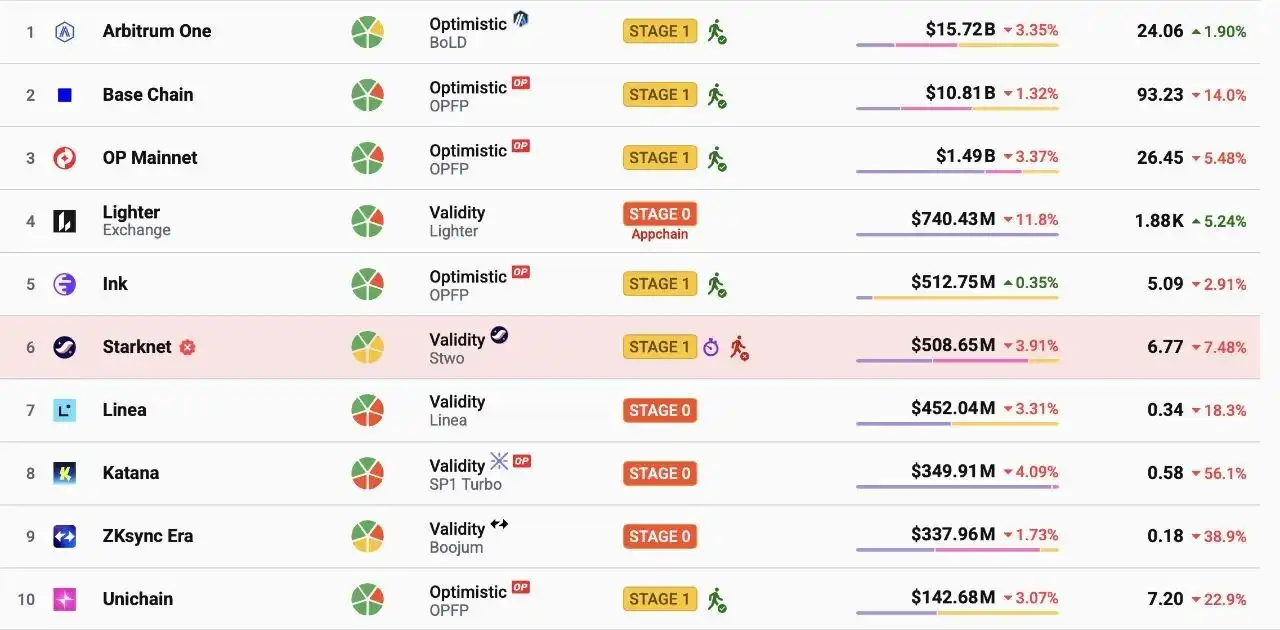
Последние пять лет вся дорожная карта масштабирования Эфириума строилась на L2. Основная сеть отвечала за безопасность и расчеты, а всю работу исполнительного уровня перекладывали на L2. Rollup, мосты, кроссчейн-сообщения... Всю эту архитектуру разрабатывал лично Виталик.
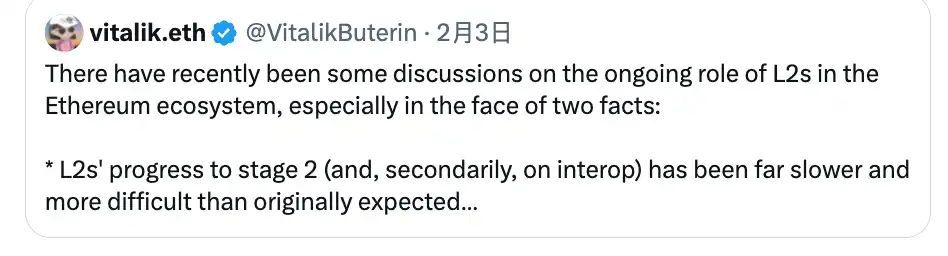
Теперь сам создатель говорит, что этот путь ошибочен.
Менее чем через два месяца, 29 марта на EthCC в Каннах, сооснователь Gnosis Фридерике Эрнст и разработчик zk-доказательств Джорди Байлина вышли на сцену и представили нечто под названием EEZ:
Полное название Ethereum Economic Zone, Экономическая зона Эфириума.
При совместном финансировании Фонда Эфириума, такие протоколы как Aave вошли в число основателей. Дело, которым занимается EEZ, можно объяснить одной фразой: сделать все L2 не изолированными островами, а единым континентом.
Направление, конечно, верное.
Но проблема в том, что этот архипелаг строился пять лет... На островах когда-то кипела жизнь, но сейчас там точно никого нет. Стоит ли сейчас начинать строить туннели?
Запоздалые меры?
По названию EEZ можно понять, что именно пытается сделать Эфириум.
Логика специальных экономических зон всем понятна: единые правила внутри зоны, свободное движение капитала, отсутствие барьеров. Прошлые двадцать с лишним L2 Эфириума были как двадцать небольших экономик, у каждой свои таможня, валюта, процедуры оформления. Чтобы перевести деньги из Arbitrum в Base, нужно было искать посредника для обмена и перехода через мост.
EEZ стремится отменить пошлины, унифицировать валюту, убрать таможню. Ваши операции в любой цепи могут напрямую достигать контрактов в другой цепи, расчеты возвращаются в основную сеть Эфириума, а Gas оплачивается единой валютой ETH.
Звучит знакомо?
LayerZero, Wormhole когда-то рассказывали похожую историю. Объединить все цепи, свободное движение активов... Все это уже было.
Разница здесь в том, что эти межсетевые протоколы асинхронны. Например, вы инициируете операцию в цепи A, а цепь B выполняет ее через некоторое время, есть задержка, риск неудачи, а сами мосты являются излюбленной мишенью хакеров.
Теперь этот EEZ синхронный: в одной транзакции контракты в двух цепях выполняются одновременно, либо вместе успешно, либо вместе откатываются. Техническим условием для этого является возможность доказывать блоки Эфириума в реальном времени.
Раньше это было невозможно. Для синхронных операций между двумя цепями необходимо, чтобы обе стороны могли сверять свои бухгалтерские книги в реальном времени, но Эфириум выпускает новый блок каждые 12 секунд, а скорость проверки вычислений предыдущего блока не поспевала. Пока сверяли счет, уже приходил следующий блок.
В этом году технологически удалось догнать эту скорость, синхронные операции впервые превратились из теории в инженерную реальность, что и привело к предложению EZZ.
Направление верное. Но если заглянуть в Твиттер, то кто сейчас говорит об Эфириуме?
Не только Эфириум остыл, вся отрасль затихла. В прошлом году еще были ажиотаж вокруг meme coin, взлет Solana, тренд на AI Agent. С начала этого года и до сих пор не появилось ни одного нарратива.
Эфириум просто замерз еще сильнее — ETH упал с 4800 долларов в конце 2025 года до нынешних 2000 с небольшим, потеряв более 60%, и в сообществе даже нет особого гнева, скорее усталое молчание.
От архипелага к эпохе казны
Но если посмотреть на данные в цепи, картина будет совершенно иной.
Согласно отчету AMBCrypto, предложение стейблкоинов в основной сети Эфириума仍然 составляет около 1633 миллиардов долларов. На рынок реальных активов в цепи объемом 165 миллиардов долларов приходится 58% Эфириума. В прошлом году чистый приток в ETF Эфириума spot составил 9,9 миллиардов долларов. TVL DeFi по-прежнему самый высокий в отрасли, около 53 миллиардов.
Люди ушли, деньги остались. И это не деньги розничных инвесторов, а институциональные деньги.
Действия самого Фонда Эфириума указывают в том же направлении. В середине прошлого года приостановили публичную программу финансирования, скорость сжигания денег снизили до менее 5% в год. Но на прошлой неделе завершили крупнейшее единовременное стейкинг-мероприятие в истории — 22517 ETH стоимостью около 46,2 миллионов долларов было заблокировано в Beacon Chain.
Урезая бюджет, одновременно блокируют деньги в казне и выделяют средства на финансирование姗姗来迟方案 взаимодействия.
Все эти действия, собранные вместе, указывают на вывод: эпоха архипелага Эфириума действительно закончилась. Но ее сменяет не оживленный континент.
А казна.
Тихая, прочная, заполненная активами институтов. Мало кто живет, но заблокировано больше всего денег в отрасли.
В казне тоже нет налогов, Эфириум не зарабатывает
Экономическая модель Эфириума имеет очень простой цикл:
Пользователи совершают транзакции в основной сети, транзакции генерируют комиссию за газ, часть ETH из комиссии за газ безвозвратно сжигается. Чем больше людей используют, тем больше сжигается, предложение ETH постоянно уменьшается.
В 2022 году, когда эта механизм только запустился, сообщество дало ему название: ультразвуковые деньги. meaning что ETH не только защищен от инфляции, но и дефляционен — даже круче, чем Биткоин.
Этот нарратив продержался два года. Затем L2 его разрушили.
Когда большое количество транзакций переехало из основной сети в L2, доходы основной сети от комиссий за газ резко упали. Согласно отчету BitKE, доходы основной сети Эфириума за последние два года снизились примерно на 75%. В одну из недель общие затраты на blob, сгенерированные отправкой данных L2 в основную сеть, составили всего 3,18 ETH.
3,18 ETH, по тогдашним ценам, это всего около 5000 долларов.
Сеть, заблокировавшая TVL на 53 миллиарда долларов, недельный доход от blob хватит на приличный новогодний ужин на столе в Шанхае.
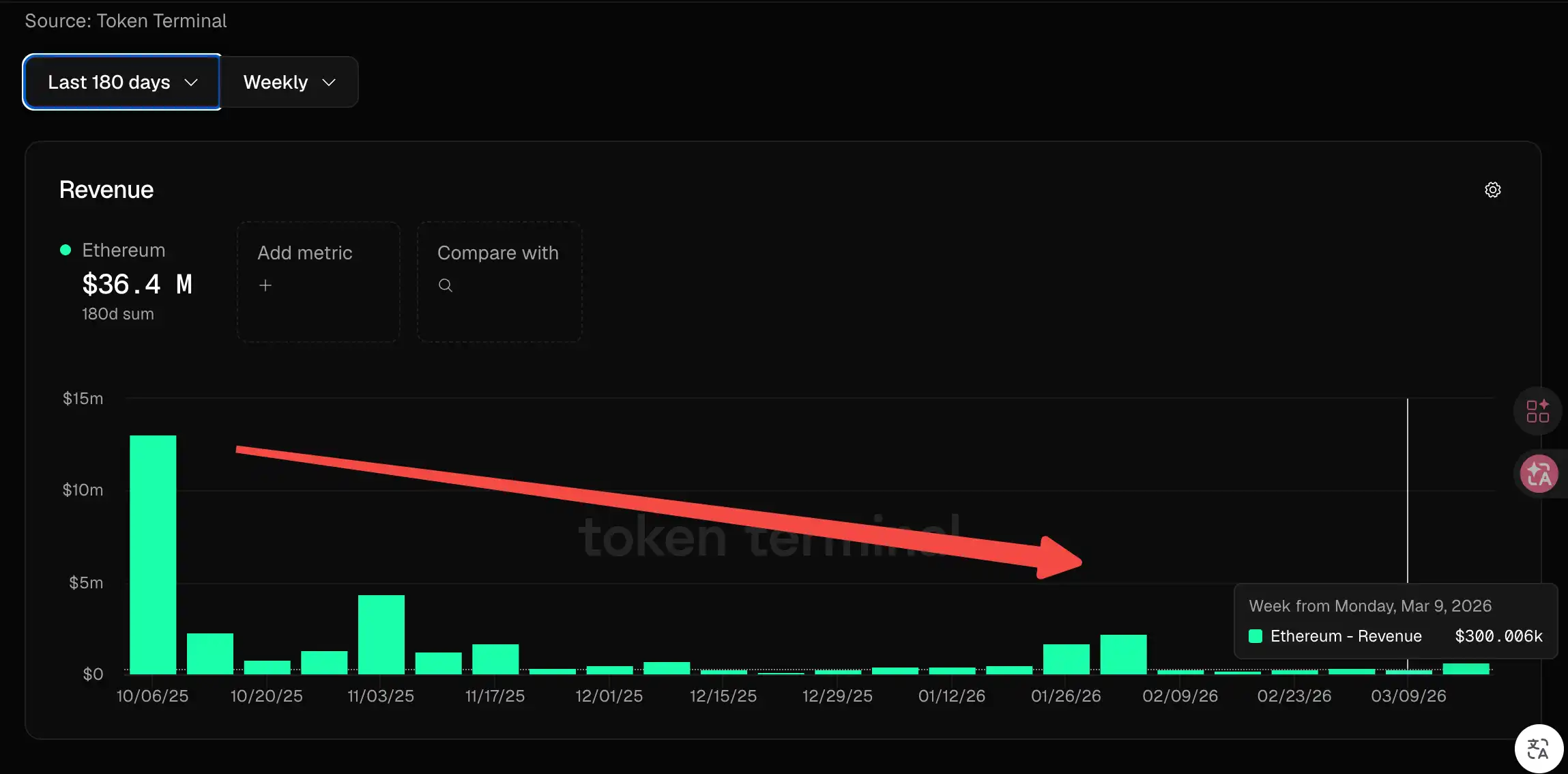
Нечем сжигать, предложение не сдержать. В феврале этого года предложение ETH официально перешло к чистому росту, годовой уровень инфляции составил около 0,74%. «Ультразвуковые деньги» стали устаревшим маркетинговым слоганом.
Такова цена дорожной карты L2. Пользователи и транзакции переезжают в L2, L2 забирают доходы от комиссий, основная сеть остается только с расчетными работами. Расчеты важны, но расчеты не приносят денег.
Приведу аналогию: Эфириум создал специальную экономическую зону, переместил туда фабрики и магазины, в зоне кипит жизнь. Но налоги остаются в самой зоне, а центральные финансовые поступления反而越来越少. Упомянутая в предыдущей главе схема EEZ пытается重新подключить зону к центру, но подключает ликвидность, а не налоги.
Деньги институтов заблокированы в казне, это безопасно. Но сама казна, актив ETH, становится все сложнее продать из-за отсутствия доходов.
Падение цены с 4800 до 2000 — это не только вопрос настроений. Когда核心叙事 актива меняется с «дефляции» на «на самом деле все же инфляция», рынок будет переоценивать.
Ситуация, с которой сейчас сталкивается Эфириум:
Инфраструктура сильнейшая в отрасли, институциональный капитала больше всего в отрасли, но экономическая模型 течет. EEZ чинит фрагментацию, но это не починить.
Стоит ли дом, в котором никто не живет?
Вернемся к начальному вопросу: Вам еще небезразличен Эфириум?
Реальный ответ большинства, возможно, таков: не очень. ETH не растет, нарратив устарел, пользоваться неудобно,还不如隔壁 Solana.
Но зададим вопрос по-другому: Вас волнуют водопроводные трубы в вашем доме?
Нет, главное, чтобы из крана текла вода. Вы не будете изучать, какие технологии очистки использует водоканал, не будете беспокоиться, из какого материала проложены трубы, и уж тем более не будете писать посты в соцсетях из-за бренда водопроводных труб.
Эфириум становится той самой трубой.
53 миллиарда TVL, 1633 миллиарда стейблкоинов, 58% реальных активов отрасли, ежегодный приток в ETF nearly 10 миллиардов... Эти цифры говорят об одном: большая часть ончейн-клиринга глобальных加密финансов по-прежнему осуществляется на Эфириуме.
Не потому, что пользователям нравится Эфириум, а потому, что институты не могут найти第二根同样粗的 трубы.
То, чем сейчас занимается экономическая зона EEZ, по сути, увеличивает диаметр этой трубы — позволяя институциональным资金 быстрее течь между L2, снижая трение при расчетах. Это полезно, даже необходимо.
Но у труб есть особенность: никто не хочет платить надбавку за трубы.
Водоканал — одна из важнейших инфраструктур города, но видели ли вы, чтобы P/E водоканала был выше, чем у интернет-компаний? Глобальный клиринговый гигант DTCC ежегодно обрабатывает транзакции на сумму более 2000 триллионов долларов, но几乎没有人讨论它的股价.
Если Эфириум действительно пойдет по пути превращения в казну, в трубу, он станет чрезвычайно важным и одновременно невероятно скучным. Настолько важным, что через него проходят все деньги институтов, и настолько скучным, что ни один розничный инвестор не захочет держать ETH в ожидании его роста.
Но большинство тех, кто сегодня держит ETH, все еще оценивают его по логике «города». Количество пользователей будет расти, экосистема будет процветать, L2 будут питать основную сеть, цена монеты достигнет новых высот? Это история, которую сообщество Эфириума рассказывало себе последние пять лет.
Реальность такова, что Эфириум становится SWIFT, а не Нью-Йорком.
SWIFT ежегодно обрабатывает跨境支付 на 150 триллионов долларов,全球金融系统 не может без него. Но никто не спекулирует акциями SWIFT, потому что логика оценки инфраструктуры — это стабильность.
Падение ETH с 4800 до 2000 — это не только падение настроений, это рынок重新понимает, что же из себя представляет этот актив.
Если будущее Эфириума — это казна, то справедливая оценка ETH должна определяться не количеством пользователей и активностью экосистемы, а тем, сколько стоимости он может捕获作为结算层 ежегодно. При нынешнем уровне недельного дохода основной сети от blob в 5000 долларов, ответ не очень радует.
Эпоха архипелага закончилась. Пришел EEZ, институциональные деньги остались. Но для тех, кто держит ETH в руках,真正需要想清楚的只有一件事:
Что вы покупаете: дом в городе или право пользования трубой.