На другом конце Земли Didi давно перестала быть просто компанией по заказу такси, получающей комиссионные, а превратилась в гиганта цифрового банкинга. Тот финансовый бизнес, который когда-то считался дополнением к услугам такси, теперь насчитывает более 25 миллионов пользователей в Латинской Америке.
Если сосредоточить внимание на Китае, образ Didi ясен и устоявш: хотя у нее сотни миллионов активных пользователей в месяц, на более богатом финансовом поле, перед неприступными стенами WeChat Pay и Alipay, она всегда оставалась неловким аутсайдером, способным лишь удерживать свою долю на рынке транспорта.
Однако на шумных улицах Мехико, в пробках Сан-Паулу, тысячи людей, никогда не переступавших порог банка, держат в руках свою первую карту Mastercard, на которой гордо красуется логотип Didi.
Здесь она не только водитель, который довозит людей до дома, но и настоящий хозяин, контролирующий движение денежных средств на низовом уровне, «кошелек», от которого зависят countless простые жители Латинской Америки.
Оглядываясь на путь возвышения Didi в Латинской Америке, это не просто выход на зарубежный рынок в географическом смысле, а скорее «обратная эволюция», вынужденная условиями окружающей среды.
В Китае, потому что дороги уже были построены другими, Didi нужно было лишь быть извозчиком; но в Латинской Америке, столкнувшись с пустырей, она была вынуждена научиться прокладывать пути и строить мосты. Это умение строить инфраструктуру — именно тот навык, которым китайские интернет-компании лучше всего владели в early years, но постепенно забыли из-за чрезмерно развитой внутренней инфраструктуры.
Амбиции, убитые «совершенством»
Поражение Didi на финансовом поле в Китае произошло не потому, что она сделала что-то не так, а потому, что она родилась в слишком зрелую эпоху, инфраструктура этого рынка была построена уже слишком perfectly. Совершенство иногда тоже является проклятием.
В грандиозной истории китайского интернет-бизнеса 2016 год стал watershed. В том году, с расширением WeChat Pay и Alipay, война мобильных платежей в Китае фактически закончилась. Два олигополиста вместе заняли более 90% доли рынка, превратив мобильные платежи в общедоступную национальную инфраструктуру, такую же, как water, electricity, and gas.
Для потребителей это максимальное удобство; но для таких поздних игроков, как Didi, это невидимая стена.
В последующие годы Didi, хотя и с большим трудом собрала 8 финансовых лицензий, включая платежи, онлайн-микрокредитование, потребительское финансирование, пытаясь построить свой closed loop. Но когда два олигополиста стали базовой операционной системой бизнес-мира, другие платежные инструменты были обречены быть лишь functional plugins,依附于这个系统之上的功能性插件.
Более глубокий парадокс заключается в том, что трафик никогда не равен天然ственно «остающимся средствам».
Хотя у Didi огромный пассажиропоток, сценарий поездок имеет fatal генетический дефект — короткое пребывание, отсутствие накопления. В условиях极致支付ной среды, созданной двумя олигополистами, деньги списываются с банковской карты пользователя, поступают на счет водителя и затем быстро выводятся.
В этом процессе Didi — всего лишь эффективная труба, а не резервуар для денежных средств. По сравнению с денежными накоплениями, генерируемыми транзакциями электронной коммерции Alibaba, и оборотом средств от социальных красных конвертов Tencent, трафик Didi является «использовал и ушел».
Это чувство удушья достигло своего пика на фоне резких изменений в регуляторной среде.
Скандал с удалением из магазинов приложений летом 2021 года и последовавший за ним огромный штраф в 8 миллиардов юаней стали тяжелыми паузами,彻底 положившими конец финансовым амбициям Didi внутри страны. В условиях такого высокого давления Didi не только упустила window для expansion, но и потеряла пространство для стратегических маневров. Ей пришлось被迫收缩, жить с extreme осторожностью.
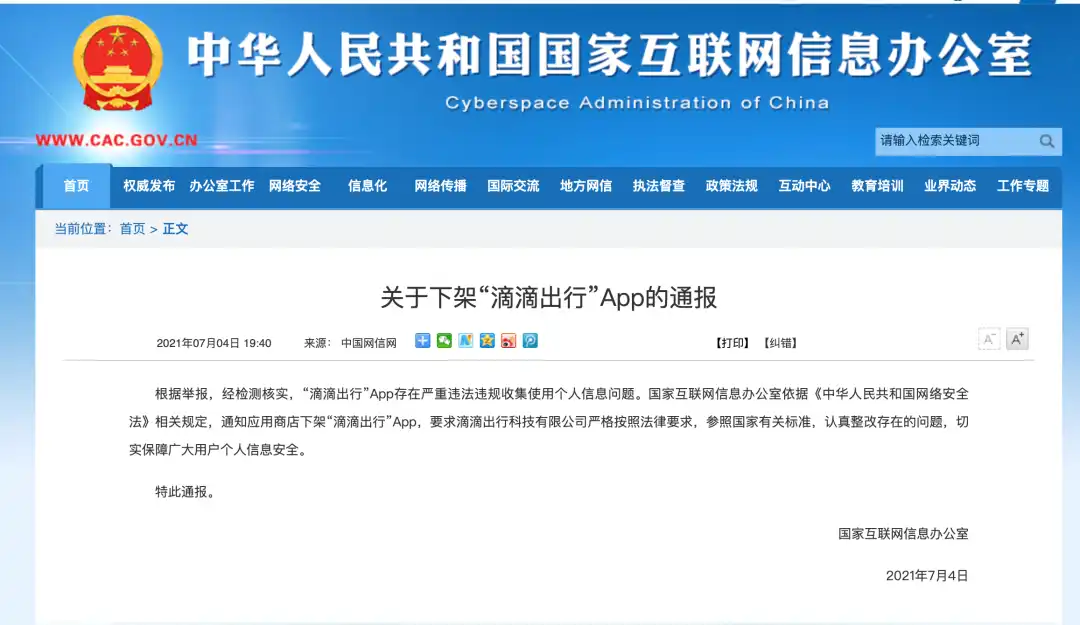
Официальное уведомление об удалении Didi
На этом финансовая история Didi в Китае, казалось, подошла к концу.
Она оказалась в заточении в «совершенном» осажденном городе. Дороги слишком гладкие, не нужно их repair; мосты слишком прочные, не нужно их строить.
Казалось, это безвыходный тупик. Но на другом берегу Тихого океана разыгрывается совершенно противоположный бизнес-сценарий. Тамошняя пустошь не только не стала препятствием, но и превратилась в самый большой бонус в руках Didi.
Восстановление доверия на континенте наличных
Когда передовые отряды Didi впервые ступили на землю Латинской Америки, они увидели не голубой океан, готовый к освоению, а огромный social разлом.
По статистике Всемирного банка, в Латинской Америке около половины взрослого населения не имеет банковских счетов. В Мексике с населением 130 миллионов человек это означает, что более 66 миллионов обычных людей остаются за высокими стенами современной финансовой системы.
Это душащий «финансовый вакуум». В этом вакууме наличные — единственная вера.
В Мексике nearly 90% розничных транзакций по-прежнему осуществляются за наличные. Для китайских интернет-компаний, привыкших к обществу без наличных, это «поклонение наличным» — настоящий кошмар. В Китае деньги текут в облаке, чисто и эффективно; но в Латинской Америке, поскольку绝大多数 пассажиров не имеют банковских карт, они могут only掏出 смятые,甚至 потные纸币 для оплаты проезда.
Это привело к краху эффективности. Водители получали карманы мелочи, но платформа Didi не могла брать с этого комиссию, множество водителей блокировались из-за задолженности, система была на грани срыва.
Но страшнее эффективности была потеря контроля над безопасностью.
На улицах Латинской Америки со сложной криминогенной обстановкой водители, носящие при себе large amount наличных, стали移动的 «банкоматами». Грабежи следовали по пятам, каждая остановка для получения оплаты могла обернуться gamble на жизнь и смерть.
Здесь мы должны ввести самый важный ориентир: Uber.
Как пионер каршеринга, Uber вошел в Латинскую Америку раньше Didi. Но столкнувшись с той же проблемой наличных, выбор Uber отразил фундаментальное различие в стратегических генах восточных и западных интернет-гигантов.
Uber представляет собой типичную «Силиконовую долину式 брезгливость», профессиональное разделение труда. На зрелом американском рынке финансы принадлежат Уолл-стрит, Uber только соединяет. Это мышление привело к тому, что, столкнувшись с латиноамериканской пустошью, они по-прежнему высокомерно坚持 заниматься только тем, что у них хорошо получается.
Цена была болезненной. В 2016 году Uber в Бразилии получил буквально «кровавый урок»: после вынужденного принятия наличных платежей количество ограблений водителей взлетело в 10 раз за短短 один месяц, и, по сообщениям Reuters, по крайней мере 6 водителей погибли.
Перед лицом такого резкого роста риска смерти выбор Кремниевой долины обычно заключается в отступлении и ожидании постепенного созревания environment.
А Didi представляет собой мышление суперприложения Китая и даже Азии:全能补位.
Компании, выросшие в жестоких уличных бизнес-боях Китая, глубоко усвоили одну истину: если обществу не хватает дорог, ты должен их построить; если обществу не хватает доверия, ты должен его создать.
Поэтому Didi выбрала более тяжелый, более приземленный, но и более эффективный путь: она решила изменить environment.
Didi обратила внимание на красно-желтые вывески, повсеместно встречающиеся на улицах Мексики, — магазины сети OXXO.

Мексиканский национальный магазин удобств (OXXO)
Эта розничная сеть-гигант с 24 000 магазинов обрабатывает近一半 наличных транзакций в Мексике, являясь de facto «национальной кассой». Didi敏锐地 уловила эту точку连接ления и приняла решение, проникнутое китайским прагматизмом: превратить магазины удобств в свои ручные банкоматы.
Начался тихий финансовый эксперимент.
Когда водитель заканчивал свой трудовой день, его карманы были набиты наличными. Ему больше не нужно было с тревогой нести деньги домой, вместо этого он мог остановиться у OXXO, показать сотруднику штрих-код в приложении DiDi, передать наличные. С清脆шим звуком сканера, физические банкноты мгновенно превращались в цифровой баланс на счете DiDi Pay.
Этот звук имел огромное значение.
Это была не просто пополнение счета, а переправка офлайн-наличных в онлайн. Присоединившись к вездесущей сети магазинов удобств, Didi с низкими затратами создала систему оборота денежных средств, независимую от традиционных банков.
Как только деньги поступали в DiDi Pay, Didi переставала быть просто транспортной платформой, она становилась «теневым банком» для водителей.
Затем Didi быстро построила на этом счете прикладные сценарии. В Бразилии 99Pay, принадлежащая Didi, deeply интегрировалась с местной системой мгновенных платежей PIX, позволив миллионам людей на低овом уровне впервые享受ться финансовым достоинством мгновенного зачисления средств.
Такой подход построил кровавый 护城河: безопасность.
В Китае мобильные платежи нужны для «скорости»; но в Латинской Америке со сложной криминогенной обстановкой мобильные платежи нужны, чтобы «выжить».
Каждая попытка уйти от наличных означает снижение риска armed ограбления водителя. Когда водитель обнаруживает, что использование DiDi Pay может избавить его от страха, его лояльность к этой платформе превзойдет любые бизнес-субсидии.
На этом этапе Didi в Латинской Америке наконец проложила свою первую скоростную магистраль. Она решает не потребность украшения, а самую острую渴望 континента — заставить деньги двигаться, сделать transactions безопасными.
Когда следы становятся кредитом
Когда дорога была проложена, Didi с изумлением обнаружила, что под ее ногами находится золотая жила, которую никогда не разрабатывали. Имя этой жилы — данные.
Но здесь данные означают не традиционные финансовые потоки. В Мексике или Бразилии подавляющее большинство водителей и пассажиров в записях традиционных финансовых учреждений являются чистыми листами. Банки их не видят, не знают, есть ли у них способность погашать кредиты, и поэтому не решаются давать им в долг.
Банки не видят, но Didi видит.
Через приложение Didi обладает近乎 всевидящей «Божьей перспективой». Она точно знает, когда водитель выезжает на работу каждый день, сколько километров проезжает, diligent ли он; она также знает, где живет пассажир, где работает, какова частота его поездок.
Эти, казалось бы,琐碎ные следы поездок модель управления рисками Didi перекодирует в совершенно новую категорию кредитоспособности — «поведенческий кредит».
Это оценка, более теплая, чем банковские выписки. Водитель, который каждый день исправно выезжает в шесть утра, несмотря ни на дождь, ни на ветер, даже если по каким-то причинам у него нет банковских вкладов, в алгоритмической логике Didi все равно является высоконадежным prime клиентом. Трудолюбие здесь впервые было оценено как кредитоспособность.
На основе этого эндогенного создания кредита Didi закономерно推出了 кредитный продукт «DiDi Préstamos». Для миллионов пользователей в Латинской Америке это, возможно, первый раз в жизни, когда они получают正规ный финансовый кредит. Данные показывают, что среди кредитных пользователей Didi около 70% людей раньше никогда не могли взять в долг ни копейки.
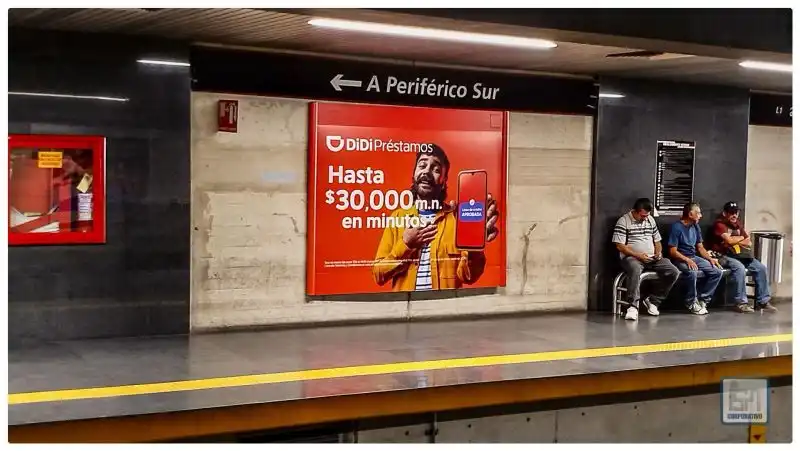
Местная реклама DiDi Préstamos
Это не только коммерческий прорыв, но и глубокий социологический эксперимент.
В Латинской Америке огромные массы людей в «серой экономике» из-за отсутствия кредитной истории долгое время оставались невидимыми. Didi непреднамеренно провела «цифровое установление прав», которое government не могло сделать decades. Уличный продавец тако или водитель подержанной машины, подключившись к экосистеме Didi, впервые получил регистрируемую экономическую идентичность, впервые вышел из тени на свет.
Эта способность «легализовать неформальную экономику» является самой глубокой почвой, в которую Didi пустила корни в Латинской Америке.
Преимущество, создаваемое такой эволюцией, поразительно, оно даже вызвало в Латинской Америке войну «генов».
На поле битвы цифровых финансов Латинской Америки уже давно идет борьба между титанами, есть и гиганты цифрового банкинга, такие как Nubank, и лидеры электронной коммерции, такие как Mercado Libre (Меркадо Либре). Но у Didi есть преимущество более высокого измерения, которого нет ни у кого из них: чрезвычайно high-frequency жизненные сценарии.
Ген Nubank — это банк, он low-frequency; ген Mercado Libre — это электронная коммерция, он medium-frequency. А ген Didi — это транспорт, он high-frequency.
Вы можете покупать в интернете раз в месяц, ходить в банк несколько раз в год, но выходить из дома вам нужно каждый день. В формировании платежных привычек «транспорт» — это поле битвы высшего измерения. Didi использовала high-frequency сценарии поездок и доставки еды (DiDi Food), чтобы成功 пробить барьеры low-frequency финансовых услуг.
Имея трафик, нужно еще удерживать «остающиеся средства».
Чтобы окончательно задержать эти быстро вращающиеся на платформе средства, Didi применила свое последнее мощное оружие: развязала процентную войну, используя высокие процентные ставки в Латинской Америке.
Она推出了 сберегательный продукт «DiDi Cuenta» с годовой доходностью до 15%. Это цифра, которая в Китае звучит почти безумно и даже вызывает подозрения в финансовой пирамиде. Но в Мексике, где базовые процентные ставки常年维持在两位数, это всего лишь обычная битва, которую ведут цифровые банки за привлечение депозитов.
Didi просто поступила по обычаям страны, но благодаря этому совершила最关键转折, она наконец избавилась от неловкой роли «бога-покровителя проходящих денег» и真正 превратилась в резервуар для накопления богатства, где могут оседать средства.
Отраслевая синергия
Как только кредитная система и пул средств сформировались, амбиции Didi перестали ограничиваться только финансами.
Она начала играть более стратегически важную роль: «троянский конь» для выхода китайской индустрии на зарубежные рынки. Она собиралась использовать финансы как ключ, чтобы открыть дверь в мир крупных потребительских активов в Латинской Америке.
Первая волна — это выход потребительских товаров.
В 2025 году AliExpress, принадлежащий Alibaba, заключил в Мексике партнерство с Didi, запустив услугу «купи сейчас, плати потом». Эффект был мгновенным: в течение促销 недели количество заказов на AliExpress взлетело на 300%, а объем продаж некоторых китайских merchants даже вырос в 18 раз.
Для мексиканской молодежи, не имеющей кредитных карт, кредитные платежи, предоставляемые Didi, стали мостом, соединяющим их с «Сделано в Китае».
Но это было только прелюдией. Более глубокая расстановка сил произошла на карте выхода китайского high-end производства, особенно new energy vehicles.
Сегодня Латинская Америка стала新的 полем битвы для таких китайских автопроизводителей, как BYD, Chery, Great Wall. Однако самым большим препятствием на их пути является не продукт, а отсутствие финансовых инструментов. Местные водители хотят покупать электромобили, чтобы экономить на бензине, но традиционные банки Латинской Америки из-за неэффективности моделей риска не только extremely медленно одобряют заявки, но и часто прямо отказывают в кредитах.
В этот момент Didi стала关键连接器.
Didi в левой руке держит millions водителей, желающих сменить машину, в правой — точные данные по рискам и кредитные средства, а посередине соединяет китайских автопроизводителей,急需打开 рынок. Она не только выдает водителям кредитные карты, но и直接 играет роль автомобильного финансового сервис-провайдера.
Через финансовые схемы Didi водители могут покупать в рассрочку электромобили китайского производства, используя流水 от работы для погашения кредита.
Это синергия очень высокой глубины. Didi в Латинской Америке становится инфраструктурой для落地 китайского high-end производства. Она прокладывает не только финансовые пути, но и пути энергетического перехода.
На этом этапе, наконец, проявилась完整的闭环.
Didi в Латинской Америке превратила себя в超级 интерфейс, соединяющий онлайн и офлайн, китайское производство и латиноамериканское потребление.
Ее мечта о «суперприложении», которая не сбылась в Китае из-за зрелости environment,奇迹般地 сбылась на пустыре на другом конце Земли самым原始ным, но и самым прочным образом.
Инстинкт строителя
1.162 миллиарда заказов за квартал, 35% рост выручки и объем transactions, приближающийся к 30 миллиардам юаней, — с этим весомым финансовым отчетом Didi установила новый ориентир для выхода китайского интернета на global рынки.
Эти результаты означают не только коммерческий успех, но и корректировку логики «выхода китайской модели».
Раньше мы часто думали, что благодаря технологическому и эффективностному разрыву можно напрямую перенести зрелую китайскую интернет-модель на emerging рынки. Но практика Didi в Латинской Америке доказывает, что простое копирование — это путь в никуда. Нельзя просто привезти передовые машины, нужно заново проделать всю грязную и тяжелую работу по их созданию.
Самое главное, что Didi сделала правильно в Латинской Америке, — это полностью отказалась от высокомерия tech компании. Она присела на корточки, вернулась на десять лет назад и заново проделала в чужой стране всю работу по продвижению сканирования QR-кодов и наличному продвижению, которую когда-то делали Alipay и WeChat Pay.
Раньше мы часто думали, что преимущество китайской модели заключается в алгоритмах и эффективности. Но история Didi показывает, что самая страшная способность китайских компаний — это инстинкт «создания из ничего» в условиях дефицита.
В Китае этот инстинкт был запечатан из-за чрезмерно развитой инфраструктуры. Didi оказалась в тисках между WeChat и Alipay, способная быть лишь эффективным диспетчером. Но в Латинской Америке, когда ее бросили на пустырь, этот подавленный ген совершил惊人的 взрыв. Она не вела себя как высокомерная tech компания, а жила как самый простой «прораб инфраструктуры».
Это также предвещает определенную судьбу и возможности для выхода китайских компаний на global рынки: попытки напрямую移植国内那套模式 бесполезны, мы можем завоевать уважение только путем экспорта «способности решать боль». В тех emerging рынках, которые, как Китай десять лет назад, шумные, хаотичные, но полные渴望, скрывается самый большой сюрприз второй половины эры китайского интернета.