Did crypto firms ‘pay’ Trump for regulatory rollbacks? NYT thinks so…

ambcryptoОпубликовано 2025-12-15Обновлено 2025-12-15

Введение

According to a New York Times report, former President Donald Trump and his family allegedly benefited from dismissed or settled crypto cases through political donations and business ties. The Trump administration reportedly dismissed 33% of Biden-era crypto cases, significantly higher than the 4% average in other industries. Over half of the defendants in these cases had close ties to the administration. Examples include Coinbase, which had a lawsuit dismissed and backed pro-crypto PACs, and Binance, whose case was resolved after its founder assisted a Trump-linked stablecoin project. The report suggests a "pay-to-play" pattern involving firms like Consensys, Kraken, and Ripple. SEC Commissioner Hester Peirce defended the dismissals, stating the cases lacked legal basis. Trump’s growing crypto empire and regulatory rollbacks have faced Democratic scrutiny, raising concerns about conflicts of interest.

U.S President Donald Trump and his family allegedly benefited from most of the dismissed or settled crypto cases, according to a New York Times (NYT) report.

The dropped cases were reportedly attached to deals, in the form of political donations or business ties to the broader Trump family crypto empire.

Trump’s pay-to-play?

According to the report, the Trump Administration dismissed 33% of Biden-era crypto cases, way more than the average of 4% seen in other industries.

Out of the 14 crypto investigations that were rolled back, more than half of the defendants formed close ties with the administration. This happened either before or after the cases were resolved, NYT claimed.

Coinbase, for example, had its lawsuit dismissed, but was one of the backers of Fairshake – A pro-crypto super PAC during the 2024/2025 cycle. It also formed Stand With Crypto, which collectively supports pro-crypto lawmakers in their efforts to win elections.

In May, a civil SEC case against Binance for operating an unregistered exchange in the U.S was also dismissed. The founder, Changpeng Zhao (CZ), was pardoned months later – A move that sparked allegations of corruption.

According to the NYT, the CZ and Binance cases were resolved after he helped Trump-backed World Liberty Financial develop and promote its USD1 stablecoin.

“And just weeks before the Binance case was dismissed, the firm participated in a $2 billion business transaction that used digital currency from World Liberty. That deal is poised to generate tens of millions of dollars a year for the Trumps.”

A similar trend of ‘pay-to-play’ was reported across Consensys, Cumberland, Kraken, Tron, Ripple, and others.

However, Hester M. Peirce has since defended the rollbacks, stating that “they shouldn’t have been filed in the first place.” She added,

“I would say that the drastic action happened in the prior years, namely, bringing cases that we didn’t have a legal basis for.”

The Trump family’s crypto empire has grown significantly over the past year. In fact, it now includes BTC mining, DeFi lending, memecoins, and stablecoins, among others. However, his interest in the sector and the pro-crypto regulatory push have been met with scrutiny by Democrats.

In fact, the conflict of interest almost derailed the stablecoin law (GENIUS Act) and resurfaced during the ongoing discussions on the crypto markets structure bill.

Most of the cases were dismissed with prejudice (can’t be revisited by a new SEC regime). However, it remains to be seen whether regulatory headwinds will be an issue again if Democrats regain power in the future.


Final Thoughts

  • According to the NYT, the Trump family benefited from dismissed crypto cases.
  • However, Commissioner Peirce believes the cases didn’t have a legal basis in the first place.
Похожее

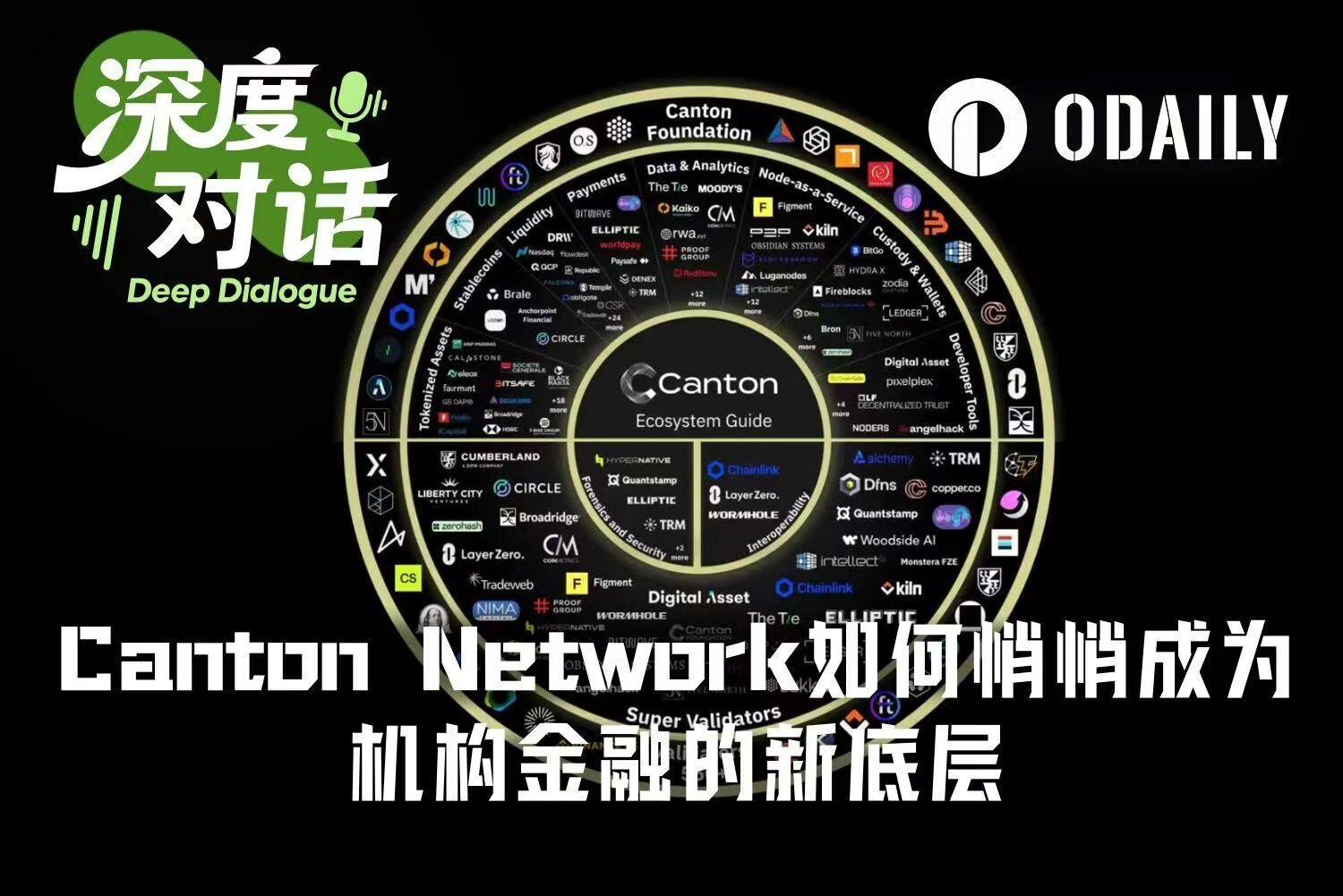
Putting Markets On-Chain: Canton Network Quietly Becoming the New Backbone for Institutional Finance

Canton Network: A New Institutional Financial Infrastructure Emerges Visa's rapid three-day approval as a super-validator on Canton Network in March 2026 marks a significant institutional endorsement. Unlike public blockchains like Ethereum, which prioritize transparency, Canton is designed for regulated financial institutions. Its core innovation is built-in data visibility control, where transaction details are only visible to direct participants. This enables institutions like Goldman Sachs, JPMorgan, and DTCC to conduct private, secure business on-chain without exposing sensitive strategies or positions. Canton, developed by Wall Street-focused Digital Asset, emphasizes slow, methodical development to meet stringent institutional requirements. Current on-chain activity, exceeding $9 trillion monthly, involves real balance-sheet operations like tokenized repos, treasury settlements, and collateral movement—not retail speculation. Key applications include JPMorgan's deposit token (JPM Coin), DTCC's U.S. Treasury tokenization, and Visa-enabled atomic settlement, aiming to synchronize asset delivery and payment instantly. The network's CC token is a utility asset, with value tied to real financial activity volume. It features no pre-mine or VC allocations, aligning with institutional preferences for transparency. Canton's 3–5 year vision is to become an "invisible" foundational layer for global finance—facilitating real-time cross-border capital flows, institutional stablecoin settlement, and native on-chain operations for major asset classes. While regulatory harmonization and legacy system integration remain challenges, Canton represents a pragmatic shift towards embedding markets themselves into blockchain infrastructure.

Odaily星球日报3 мин. назад

Putting Markets On-Chain: Canton Network Quietly Becoming the New Backbone for Institutional Finance

Odaily星球日报3 мин. назад

USDC Begins Nested Issuance, Coinbase Launches Custom Stablecoin Branding Service

Coinbase has launched its "Custom Stablecoins" platform, enabling businesses to offer branded stablecoins. The first client is Flipcash, a social payments app, which has introduced USDF. USDF is a Solana-based stablecoin, pegged 1:1 to USDC, and is designed to serve as a stable pricing and settlement unit for Flipcash's user-created community currencies. This move shifts the focus of stablecoins from being standalone assets or investment products to becoming embedded payment and settlement components within broader applications. For businesses like Flipcash, the core need is not to become a stablecoin issuer, but to integrate stable, reliable digital cash functionality—handling pricing, payments, and settlements—without managing the complex underlying infrastructure of issuance, reserves, on-chain contracts, fiat on-ramps, and compliance. Coinbase's platform provides this infrastructure as a service, positioning the exchange as a stablecoin infrastructure provider. While USDC remains the foundational reserve asset, the branded token (e.g., USDF) offers applications a tailored, user-facing financial tool. This development highlights a potential path for stablecoins to become ubiquitous backend utilities in social, gaming, and e-commerce applications, though it also brings significant regulatory and operational complexities associated with handling real user funds.

链捕手2 ч. назад

USDC Begins Nested Issuance, Coinbase Launches Custom Stablecoin Branding Service

链捕手2 ч. назад

Торговля

Спот
Фьючерсы
活动图片