Интервью: The Round Trip
Компиляция и редактирование: Yuliya, PANews
В условиях растущей конкуренции на рынке DEX, ликвидность и пользовательский опыт становятся самыми дефицитными и ценными элементами. Спустя несколько месяцев после TGE Aster и его взрывного роста, этот DEX, в который инвестировала YZi Labs, привлек к себе повышенное внимание извне.
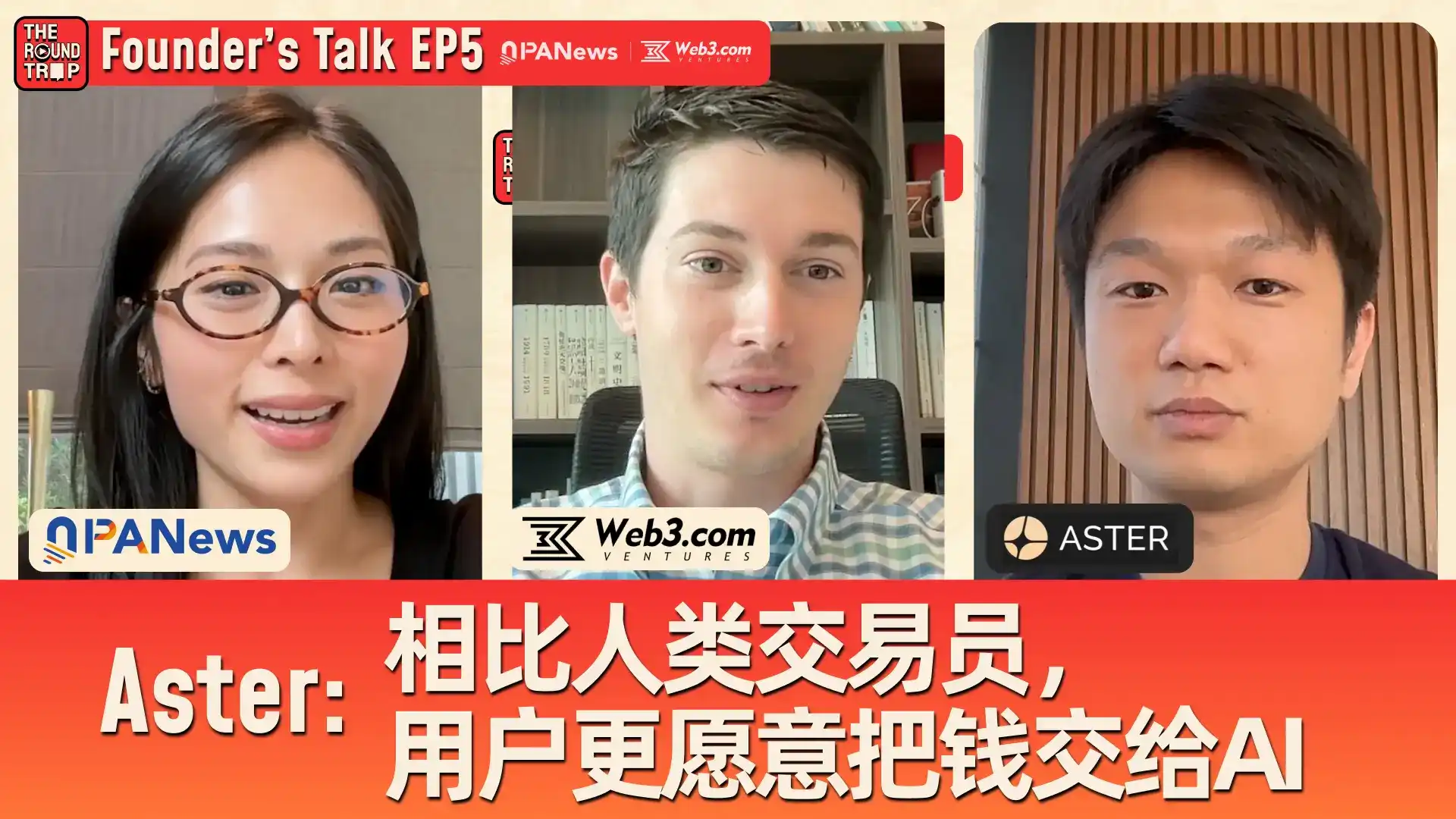
В новом выпуске Founder’s Talk совместного производства PANews и Web3.com Ventures «The Round Trip», ведущие John Scianna и Cassidy Huang пригласили основателя и CEO Aster Леонарда, чтобы глубоко обсудить историю успеха Aster, как справиться с «огромным трафиком» и удержать пользователей, а также как построить полную бизнес-модель «бездоверительного» управления активами.
Неожиданные результаты битвы человека и машины в трейдинге
PANews: Леонард, привет. Мы знаем, что Aster недавно завершил备受关注的 «Человек против ИИ» trading competition. Эта битва, кажется, была сложной для обеих сторон, нам очень интересно услышать ваше мнение, возможно, в контексте ваших наблюдений за текущим рынком?
Leonard: Я считаю, это был очень интересный эксперимент. Многие слишком сосредоточились на результатах трейдеров-людей и ИИ-агентов, но я считаю, что сегодня трудно определить, что такое «чистый трейдер-человек», потому что почти все используют какие-либо инструменты ИИ для исследований или помощи в принятии решений. Поэтому, как для ИИ, так и для человека, адаптивность гораздо важнее, чем прибыльность в определенный период.
Однако у нас действительно было очень интересное наблюдение: ИИ фактически может обеспечить более бездоверительное управление активами и копирование сделок. Когда мы общались с пользователями, то обнаружили, что люди, оценивая трейдера-человека, подсознательно пытаются понять его мотивы. Потому что поведение трейдера-человека может меняться в зависимости от наблюдения или изменения стимулов, а ИИ-агент — нет. Если вы дадите ему инструкции и ресурсы, он будет верно их выполнять. Поэтому даже если результаты ИИ-агента сопоставимы с человеческими или даже немного хуже, пользователи скорее доверят средства ИИ. Потому что входные данные ИИ (то есть его стратегическая логика) четко определены, что крайне важно в «бездоверительной» инфраструктуре.
Мы считаем, что прорыв в будущем заключается в создании по-настоящему «разрешения не требующего, доверия не требующего» продукта для трейдинга на ИИ. Именно в этом направлении мы планируем продолжать инвестировать ресурсы и углубленно исследовать в следующем квартале.
Когда CZ «постучал в дверь»: От огромного трафика до «сладкого бремени»
PANews: Говоря о внимании, многие начали замечать Aster благодаря CZ. Он недавно не только публично заявил, что владеет токенами Aster на сумму более 2 миллионов долларов, но и был очень активен в сообществе, даже в шутку сказав, что «попал в ловушку». Участие CZ, несомненно, является огромным подтверждением и поддержкой для Aster, что вы об этом думаете?
Leonard: Внимание и личные инвестиции CZ для нас абсолютно позитивны. Любой проект был бы рад получить такое внимание. Конечно, эта поддержка также принесла огромные ожидания и давление, что отразилось на рынке и цене.
Но я предпочел бы承受压力, чем быть маргинализированным рынком. Чтобы делать非凡之事,必须先承受非凡之重. Это чувство «дискомфорта» помогает нам оставаться бдительными и постоянно двигаться вперед. Я, конечно,也希望, что в будущем будет больше уважаемых отраслевых деятелей, подобных CZ, которые «реальными деньгами» отдадут нам свой голос доверия. Это внимание может принести экосистеме хайп и пользователей, что в долгосрочной перспективе поможет нам лучше итерировать продукт.
PANews: Когда CZ принес это внезапное внимание и трафик, как ваша команда отреагировала? Мне очень интересно, потому что часто продукт может быть не полностью готов к такому объему спроса.
Leonard: На это можно посмотреть с двух сторон.
Первое — это «держать удар». Когда хлынул трафик, система под давлением暴露出 различные проблемы, нет коротких путей,只能不眠不休地 масштабировать серверы, мобилизовать всех доступных экспертов для «тушения пожара». В конечном итоге это проверяет, насколько сильна ваша и команды решимость добиться успеха, готовы ли вы投入 сверхнормативные ресурсы, время и силы.
Второе, после преодоления первоначального кризисного режима, вам нужно успокоиться и подумать, как более эффективно конвертировать этот трафик. Мы признаем, что изначально действительно были не полностью готовы, что привело к неидеальному опыту некоторых ранних пользователей. А чтобы вернуть «пострадавшего» ушедшего пользователя, гораздо сложнее, чем привлечь нового. С этой проблемой мы сейчас сталкиваемся. Но хорошая сторона в том, что именно эти стресс-тесты и отзывы пользователей заставили нас за последние три месяца добиться огромного прогресса в UI/UX и стабильности системы.
Каждый предприниматель мечтает о моменте, когда продукт пользуется ажиотажным спросом, но для тех, кто еще не проходил через это, мой совет — «be careful what you wish for» (осторожнее с желаниями), потому что это действительно сладкое бремя.
Правила выживания в эпоху «внутренней конкуренции» DEX: Возврат к продукту и маховику ценности
PANews: В настоящее время конкуренция на рынке Perp DEX становится все более жаркой, появляются новые проекты и функции, все борются за пользователей с помощью ожиданий аирдропов и других способов. После хайпа TGE, как вы в такой среде сохраняете рыночную популярность и удерживаете пользователей?
Leonard: Это действительно большая проблема текущего рынка, каждый проект в热门赛道的 должен пройти через этот процесс. Мы считаем, что окончательный ответ — это возврат к самому продукту.
Для Web3-проектов ключевой момент заключается в том, насколько ваш продукт «ориентирован на пользователя». Можете ли вы создать среду, где пользователь чувствует себя частью продукта? Могут ли они участвовать в управлении, в принятии решений по продуктовой дорожной карте? Когда сообщество чувствует, что у него есть «доля» в проекте, возникает лояльность.
В конечном итоге вам нужно запустить устойчивый闭环:
- Создать продукт, который действительно создает ценность.
- Найти модель, по которой пользователи готовы платить за эту ценность.
- Эффективно возвращать捕获到的 ценность вашим держателям токенов.
Как только этот маховик раскрутится, проект становится устойчивым. Остальное — найти свое差异化 преимущество в激烈的竞争 — либо предлагать то, чего нет у других, либо提供远超对手的体验 в тех же функциях.
От приватного «щита» до фокуса на «аппчейн»
PANews: Я обнаружил на Aster DEX очень интересную функцию под названием «Режим щита» (Shield Mode), это, кажется, новая функция приватных сделок. Почему вы выбрали приватность作为核心方向? Какой пробел на рынке вы希望 заполнить?
Leonard: Мы развиваем приватность叙事 уже некоторое время. Еще в июне этого года в отрасли активно обсуждались «清算狙击». Независимо от истины этих споров, они выявили четкий рыночный спрос: трейдеры хотят сохранить само-кастоди и верифицируемость, одновременно защищая свою торговую приватность. В настоящее время на рынке нет идеального решения, удовлетворяющего всем этим требованиям.
Наша команда верит, что для массового принятия криптовалют необходимо удовлетворить потребности этой части рынка. Поэтому мы постоянно пытаемся推出 различные функции с «опциями приватности». «Режим щита» — одна из таких попыток, он не только обеспечивает приватность, мы также试验уем в нем другие новые функции, например, кредитное плечо до 1000x, и эти сделки не попадают в публичный стакан заявок, подходят для трейдеров с особыми стратегическими потребностями. Мы также тестируем в нем модель «разделения прибыли», то есть мы взимаем комиссию только если ваша сделка прибыльна.
Наша цель — предоставить пользователям более разнообразный выбор, будь то различные структуры комиссий, уровни плеча или опции приватности, чтобы пользователи с разными предпочтениями могли найти подходящий способ торговли на DEX.
PANews: Раз уж заговорили о продукте, Aster Chain также скоро запустится. Как вы относитесь к Aster Chain как к独立 продукту? Означает ли это, что Aster эволюционирует из单一 DEX приложения в более широкую экосистему?
Leonard: Во-первых, я хочу прояснить: Ключевым продуктом Aster остается трейдинг. Мы как минимум в ближайшие два-три квартала не будем уделять过多精力 построению огромной экосистемы вокруг Aster Chain.
Мы считаем, что на рынке уже достаточно общецелевых блокчейнов для удовлетворения большинства потребностей. Мы строим собственную цепь для очень конкретной цели: чтобы обслуживать наш собственный торговый продукт. Нам нужна цепь, которая может обеспечить производительность, которую мы ожидаем, прозрачность, которую мы требуем, и поддержку опций приватности. Среди существующих решений мы не нашли能满足 этот «невозможный треугольник» одновременно, поэтому мы должны создать его для себя.
Поэтому в настоящее время Aster Chain больше похож на «аппчейн», его первоочередная задача — оптимизировать собственный торговый опыт Aster. Конечно, в будущем, возможно, другие проекты обнаружат, что им也需要 подобная блокчейн-инфраструктура, но это не наш приоритет на данном этапе. В такой конкурентной отрасли вы должны быть в числе лучших 1% в том, что вы делаете лучше всего, чтобы выжить. Для нас это — создание непревзойденного торгового опыта.
PANews: Ожидается, что Aster Chain запустит мейннет в 2026 году. Как вы смотрите на рыночную конъюнктуру 2026 года? (Дисклеймер: не инвестиционный совет)
Leonard: Надеюсь на это. Я не擅长预测价格, потому что это связано с太多复杂因素, такими как рыночная ликвидность, макро-настроения. Но лично я довольно уверен. Пока мы продолжаем строить, я верю, что в следующем цикле у нас есть шанс достичь новых высот.
Цель Aster Chain — запустить мейннет к концу первого квартала, что, несомненно, придаст нашим токенам больше полезности, с фундаментальной точки зрения это позитивно. Сейчас мы, вероятно, находимся на дне рынка, поэтому будущие показатели, скорее всего, будут лучше, чем сейчас.
Как мы вместе с сообществом строим доверие
PANews: В текущей рыночной среде, каково настроение сообщества? Ведь ценовые показатели напрямую влияют на уверенность держателей.
Leonard: Мы очень хорошо это понимаем. Многое в настроении сообщества действительно связано с ценовыми показателями, в конце концов, люди вкладывают реальные деньги. Наша команда всегда внимательно прислушивается к отзывам сообщества и постоянно улучшает нашу экономическую модель на их основе. Например, мы持续优化了 механизм выкупа и сжигания на основе дохода протокола, гарантируя, что捕获的价值 протокола справедливо возвращается держателям токенов.
Мы не можем контролировать рынок, но мы можем контролировать свои действия — сколько новых функций, создающих ценность, мы推出, и как мы проектируем экономическую модель. Мы — проект с устойчивым положительным денежным потоком, мы будем持续 использовать получаемые комиссии для выкупа. Я верю, что пока мы坚持做正确的事, постоянно повторяя этот цикл создания ценности, в конечном итоге мы накопим足够的 покупательной силы, чтобы поднять цену токена до новых исторических максимумов. Это может занять месяц, два или даже год, но пока направление верное, мы увидим правильный результат.
Взгляд в 2026: Три ожидания от ИИ, приватности и «перпетуалов на все»
PANews: Наконец, что лично вы больше всего ждете в 2026 году?
Leonard: Я жду трех вещей.
- Первое, внедрение функций приватности. Мы давно инвестируем в этом направлении, и мне очень интересно посмотреть, сколько пользователей в итоге выберут публичную торговлю, а сколько — приватную. Это будет важной проверкой наших предположений о потребностях пользователей.
- Второе, сочетание ИИ и управления активами. Я твердо верю, что ИИ раскроет свой потенциал в сфере «бездоверительного» управления активами. Передача решений по инвестициям ИИ и建立信任 пользователей к этой модели, я считаю, породит множество инновационных продуктов.
- Третье, «все можно перпетуализировать». Бессрочные контракты — это превосходный торговый продукт благодаря круглосуточной торговле 24/7, низким комиссиям и высокому кредитному плечу. Если у актива достаточно ликвидности и его можно квантифицировать, его можно «перпетуализировать». В прошлом году все обсуждали акции и товары, мне интересно, в 2026 году, особенно под влиянием растущей популярности预测市场, какие новые, даже более «качественные» активы (например, индекс влияния инфлюенсеров, репутация проекта и т.д.) будут созданы и созреют до уровня, когда с ними можно будет торговать бессрочными контрактами. Эта неизвестность меня больше всего волнует.