Автор | Odaily Planet Daily(@OdailyChina)
Автор|Golem(@web3_golem)
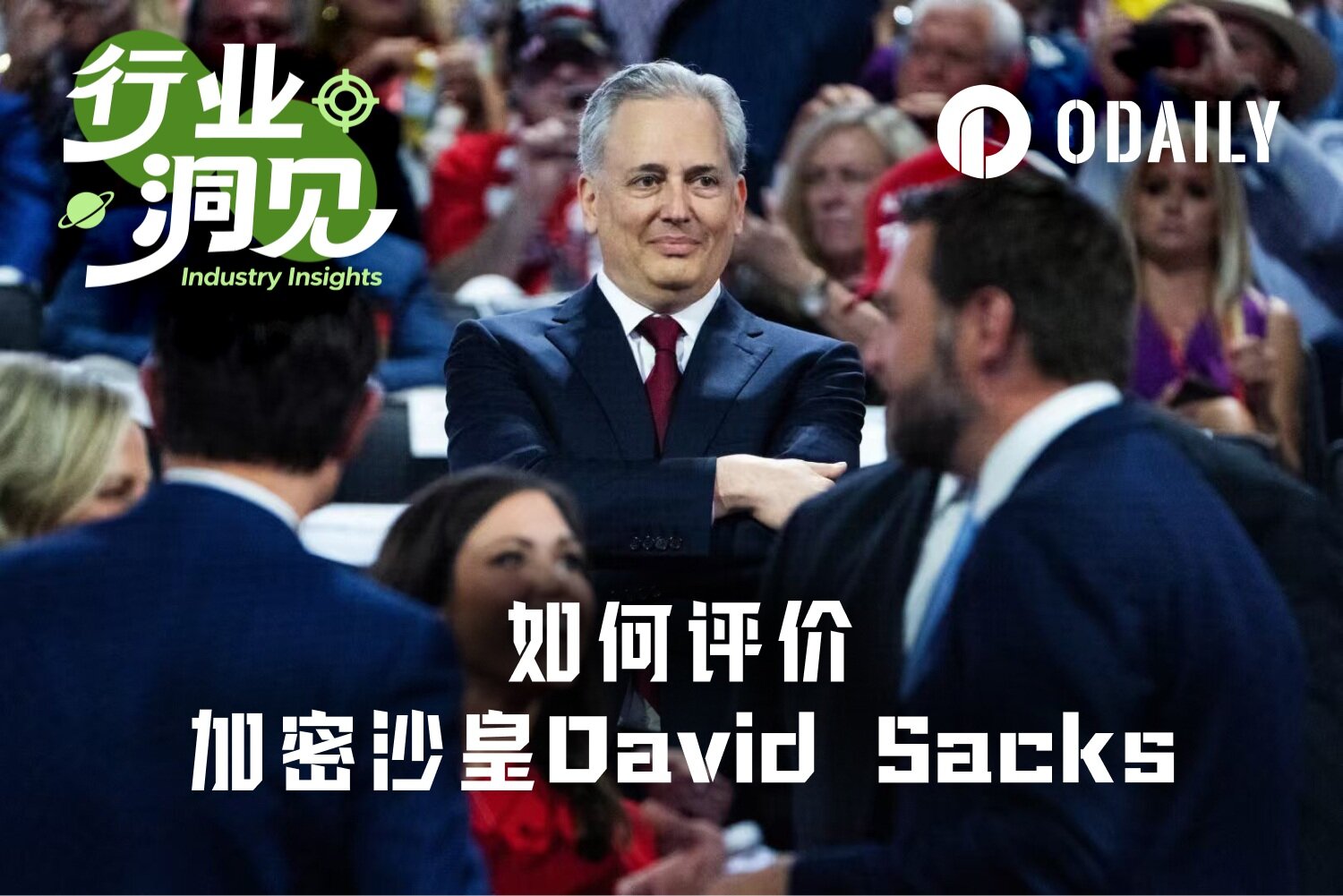
«Криптоцарь» Дэвид Сакс уходит. Дэвид Сакс объяснил, что покидает свой пост, потому что достиг лимита в 130 дней для специального правительственного сотрудника, но в будущем он продолжит участвовать в соответствующих делах в качестве сопредседателя Президентского консультативного совета по технологиям.
6 декабря 2024 года Трамп объявил о назначении Дэвида Сакса ответственным за вопросы искусственного интеллекта и криптовалют в Белом доме. Поскольку Трамп прямо назвал его «White House A.I. & Crypto Czar», Дэвид Сакс получил титул «криптоцаря». Это не официальное название должности, а скорее роль, позволяющая Дэвиду Саксу формализовать свое влияние. В письме о назначении Трамп специально выразил свои ожидания от Сакса в криптосфере: «Продвигать создание четкой правовой базы, обеспечивая столь необходимую ясность для индустрии криптовалют, чтобы она могла процветать в США».
С точки зрения мотивации, в 2024 году Трамп, чтобы заручиться поддержкой американского криптосообщества, дал множество обещаний, связанных с криптовалютами. Поэтому, успешно вступив на пост президента, ему нужен был способный человек, чтобы помочь выполнить эти обещания. Дэвид Сакс стал тем, кого Трамп выбрал в качестве исполнителя политики.
Дэвид Сакс действительно оправдал ожидания Трампа и добился некоторых успехов за 130 дней своего пребывания в должности: запрет CBDC, проведение первого крипто-саммита в Белом доме, создание Закона о стратегических резервах биткойна США и содействие принятию Закона CLARITY.
Несколько обещаний, данных Трампом криптоиндустрии во время предвыборной кампании, Дэвид Сакс в основном выполнил, поэтому многие хотят описать этот срок его полномочий как историю успеха. На поверхности это так, но если оглянуться на то, что Дэвид Сакс сделал для криптоиндустрии, у всего этого есть одна особенность — политические заявления очень насыщены, но ощущения отраслью выгод весьма скудны.
В эти 130 дней Дэвид Сакс не перестраивал криптоиндустрию, он просто помогал Трампу завершить криптополитическое представление.
1. Крипто-саммит в Белом доме = Вечер восхваления Трампа
Кульминацией этого шоу стал тот саммит в Белом доме, который表面上 был полон искренности, а на деле представлял собой сплошное подхалимство и пустые лозунги. (По теме:Криптосаммит в Белом доме: политическое шоу подхалимства и лозунгов)
7 марта 2025 года Дэвид Сакс от имени Трампа пригласил в Белый дом ряд криптокомпаний и отраслевых деятелей, включая партнера a16z Криса Диксона, CEO Ripple, CEO Robinhood, основателя Strategy Майкла Сейлора, CEO Coinbase и других. Также выступили высокопоставленные представители правительства США, включая Трампа, министра финансов и других.
Криптодеятели приезжали в Вашингтон и раньше, но чаще всего это было для слушаний, чтобы выслушать упреки и объяснить, являются ли они мошенниками. На этот раз все было иначе: место слушаний сменилось на Белый дом, атмосфера из напряженной стала респектабельной с совместными фотографиями. Криптодеятели впервые стали «почетными гостями» правительства США. Дэвид Сакс сидел рядом с Трампом, как главный режиссер, отвечающий за связку реплик.
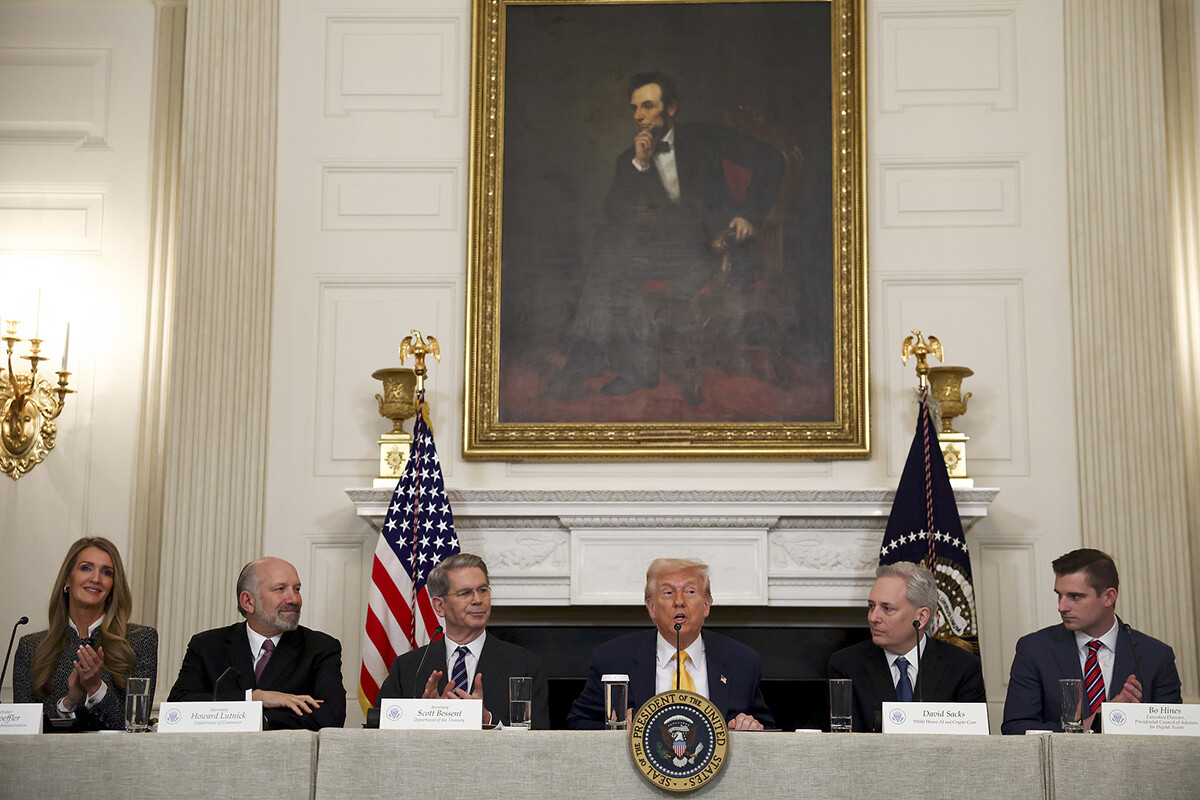
На крипто-саммите в Белом доме Дэвид Сакс сидит слева от Трампа
Что же говорили на таком высокопоставленном и долгожданном правительственном крипто-мероприятии?
По записям репортера Odaily Planet Daily, который следил за прямой трансляцией тем же вечером, все всю дорогу льстили Трампу. На закрытом заседании, которое, как утверждалось, определит направление крипторегулирования на следующие четыре года, не было опубликовано ни одного существенного политического документа. Поскольку содержание встречи сильно расходилось с рыночными ожиданиями, после ее окончания, по данным OKX, крипторынок в тот же день сразу же упал.
У этого саммита, конечно, есть символическое значение, но проблема как раз в том, что оно только символическое. Он еще раз продемонстрировал поддержку Трампом криптосферы, но те вещи, которые больше всего нужны отрасли, такие как единые, стабильные и предсказуемые регуляторные границы, долгосрочные правила, позволяющие институциональным игрокам спокойно выходить на рынок, чтобы проектам не приходилось ежедневно гадать, что еще придумают SEC и CFTC, так и не были реально получены. Саммит прошел шумно, эмоции зашкаливали, но в итоге для отрасли все свелось к новостному фону.
Спросите, почему встреча была такой пустой? Потому что изначально она не планировалась. Во время предвыборной кампании Трамп изначально обещал создать комитет по криптовалютам, чтобы лидеры отрасли могли напрямую и постоянно вести диалог с Белым домом и президентом, но по многим причинам этого не произошло. Поэтому в качестве компенсации был спешно организован крипто-саммит, с заявлением, что в будущем он будет проводиться на постоянной основе, но на данный момент Белый дом больше не проводил встреч такого же уровня.
2. Стратегический резерв биткойна = Перекладывание биткойнов из одного ящика в другой
Второе крупное дело, продвигаемое Дэвидом Саксом — стратегический резерв биткойна США, если говорить серьезно, это не представление, а фокус.
За несколько часов до открытия крипто-саммита в Белом доме Трамп подписал указ о создании стратегического резерва биткойна, но после выхода новости цена биткойна упала. Основная причина в том, что Дэвид Сакс пояснил: этот стратегический резерв биткойна состоит из биткойнов, конфискованных правительством США в ходе предыдущих уголовных или гражданских процедур изъятия активов, а не из вновь купленных биткойнов, и на это не было потрачено ни цента taxpayer money.
Хотя в указе Министерству финансов и Министерству торговли было поручено изучить «бюджетно-нейтральные» стратегии дополнительной покупки монет, никаких четких графиков или объемов покупок указано не было. Таким образом, послание стратегического резерва биткойна рынку таково: я больше не буду продавать биткойны, но и покупать тоже не буду.
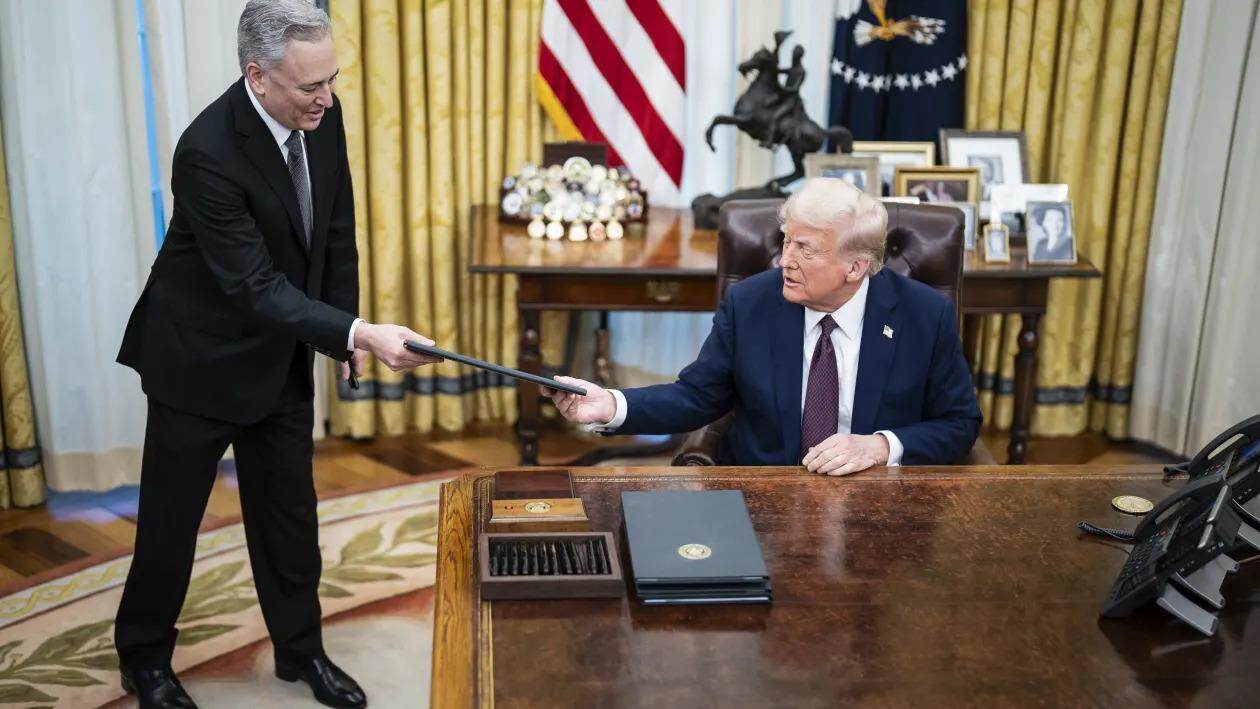
Трамп подписывает указ о стратегическом резерве биткойна
Хорошо ли Дэвид Сакс справился с этим? Для Трампа, конечно, отлично, не потратив ни копейки, он выполнил обещание. Но для криптоиндустрии это опять имеет лишь символическое значение. Рынок изначально ожидал, что правительство США начнет наращивать резервы биткойна, вливая ликвидность и оказывая поддержку, но в итоге получил «перекладывание ранее конфискованных биткойнов из одного ящика в другой».
3. Закон GENIUS — настоящая заслуга
Закон GENIUS, возможно, является настоящей заслугой Дэвида Сакса как криптоцаря.
18 июля 2025 года Трамп официально подписал «Закон GENIUS» в Восточном зале Белого дома, сделав его正式ным законом. Он имеет не только символическое, но и практическое значение. С точки зрения влияния на отрасль, «Закон GENIUS» создал федеральные рамки для стейблкоинов в долларах США, что означает, что стейблкоины вышли из стадии дикого роста и вошли в сферу compliance, став новым финансовым инструментом, подкрепленным федеральным законом.
Это дело сделал не один Дэвид Сакс, но он действительно внес свой вклад. Однако еще один закон, брат-близнец «Закона GENIUS» — «Закон CLARITY» — все еще находится в стадии разработки. «Закон CLARITY» был принят Палатой представителей США вместе с «Законом GENIUS» 18 июля 2025 года, но до сих пор не прошел процесс в Сенате, оставаясь в тупике переговоров между банковским и криптосообществами.
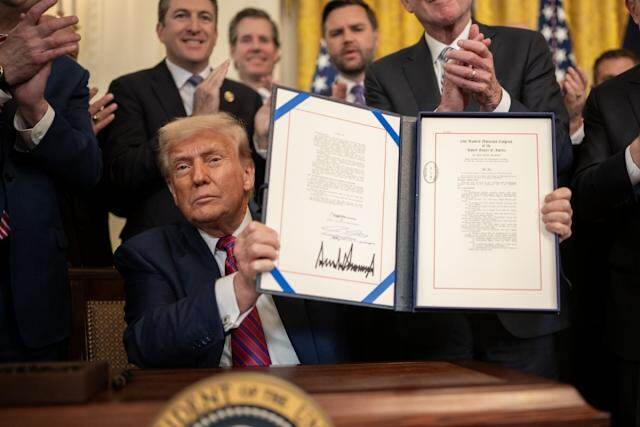
Трамп подписывает Закон GENIUS
Дэвид Сакс уверенно заявлял, что «Закон CLARITY» и «Закон GENIUS» будут приняты в первые 100 дней правления этой администрации. Сейчас看来, он жестоко ошибся.
То, что «Закон CLARITY» не проходит — не вина Дэвида Сакса, но он, конечно, несет часть ответственности, так же как он может получить часть заслуг после принятия «Закона GENIUS». Рабочая группа Белого дома по цифровым активам под руководством Дэвида Сакса прямо назвала «Закон CLARITY» «excellent foundation». Поскольку Белый дом уже считает его основным проектом для законодательства о структуре рынка, то его последующий затор — может ли Дэвид Сакс быть совершенно непричастным旁观цем?
Основной тупик сосредоточен вокруг конфликта между банковским и криптосообществами по вопросу получения процентов по стейблкоинам. Согласно последнему revised text, победили банки. На эту новость 25 марта акции Circle (CRCL) упали на 18%, Coinbase (COIN) — примерно на 8%. Более того, если такой «Закон CLARITY» действительно будет принят, это станет ударом для всего DeFi. (По теме:Закон CLARITY переписывает книгу судеб DeFi: Circle получает выгоду, токены DeFi теряют)
Это не совсем тот сценарий, выгодный для криптоиндустрии, который изначально пропагандировали Трамп и Дэвид Сакс. Закон, purportedly способствующий развитию криптоиндустрии, в конечном итоге приносит пользу банкам, а не криптоиндустрии — какая ирония.
4 марта Трамп, несмотря на свою занятость, не забыл упомянуть криптоиндустрию, написав в Truth Social, что США должны как можно скорее принять «Закон CLARITY», а американцы должны получать более высокий доход от своих средств. Казалось, Трамп все еще заботится о криптоиндустрии, но только после публикации последней revised text закона 24 марта мы увидели, что это опять было «символическое» заявление.
Теперь «криптопрезидент» Трамп полностью замолчал. Что касается Дэвида Сакса, то Белый дом早就 написал для него сценарий: как криптоцарь, он должен был выйти на сцену и перевести предвыборные лозунги Трампа о «сделать США мировой криптостолицей» в несколько приличных политических действий, а когда представление подойдет к концу, пора уходить. Теперь Дэвид Сакс, являясь сопредседателем Президентского консультативного совета по технологиям, заявил, что в будущем он продолжит работать в области политики искусственного интеллекта и технологической стратегии, даже не упомянув криптовалюты.
Бывший криптоцарь исчез,暧昧 отношения Трампа с криптовалютами也结束了.