Complete Analysis of Trump's Tariff "Playbook": A Practical Operation Guide

marsbitОпубликовано 2026-01-19Обновлено 2026-01-19

Введение

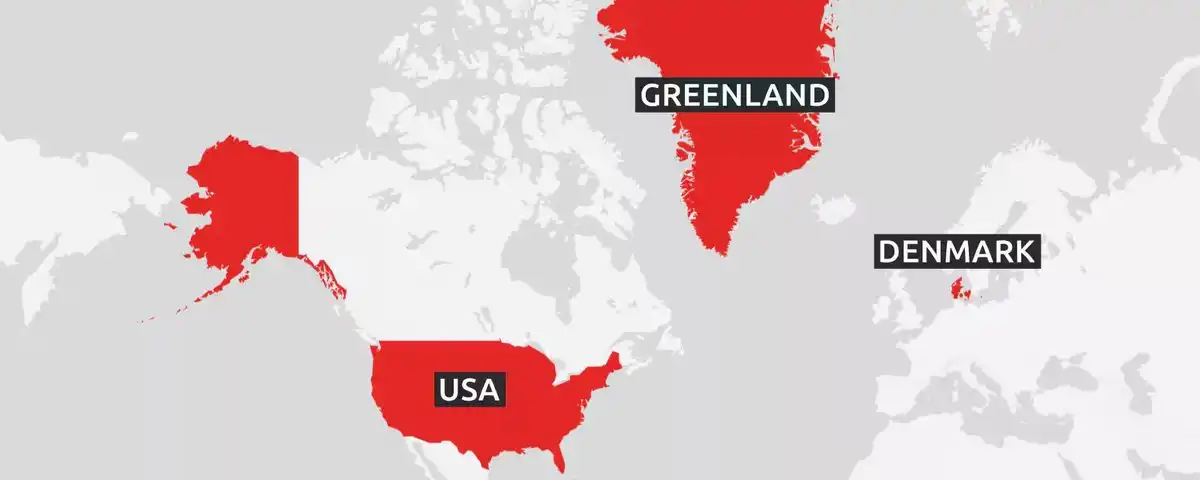
Former President Trump has announced new tariffs targeting multiple European nations, including Denmark, Norway, Sweden, France, Germany, the UK, the Netherlands, and Finland, starting at 10% on February 1 and escalating to 25% by June 1. These measures are tied explicitly to his strategic objective of acquiring Greenland, which he insists must be a "complete and comprehensive purchase." This follows a recurring pattern in Trump’s trade strategy: using high-stakes tariff threats as a negotiation tool, often announced over weekends when markets are closed to maximize psychological impact. The approach typically triggers an initial wave of market volatility and emotional selling, followed by a rebound as investors anticipate negotiated resolutions before tariffs take effect. The Kobeissi Letter outlines a consistent tactical playbook observed since early 2025: tariff threats are introduced, markets react negatively, buying opportunities emerge mid-week, and eventual deal announcements drive market rallies. While the Greenland demand is notably more ambitious than previous objectives—such as persuading China to drop export controls—the expected market response and negotiation timeline are projected to follow a similar cyclical pattern. Ultimately, the strategy leverages volatility as an opportunity, with disciplined traders capitalizing on predictable fluctuations tied to trade war headlines.

Author: The Kobeissi Letter

Compiled by: Jesse

This is an in-depth analysis from The Kobeissi Letter regarding the Greenland tariff incident and Trump's "tariff strategy".

Is the Trade War Making a Comeback Due to New Tariffs on Greenland?

Just moments ago, President Trump announced new tariffs on the European Union and confirmed his primary strategic objective: the acquisition of Greenland. This includes a new 10% tariff on Denmark, Norway, Sweden, France, Germany, the United Kingdom, the Netherlands, and Finland, effective February 1st.

Furthermore, these tariffs will be increased to 25% on June 1st and will absolutely not be canceled until a Greenland deal is reached. According to Trump, this deal must be a "complete and comprehensive purchase" of Greenland.

Before analyzing our precise strategy, it must first be noted: trade wars have become a "cyclical headwind." Tariffs always return when the market least expects it, only to slowly dissipate. This is the product of President Trump's "tariff strategy," which is meticulously designed.

A recent case occurred on October 10th, when President Trump threatened to impose 100% tariffs on China starting November 1st (just 21 days after the announcement). This timing might sound familiar because it is an integral part of the strategy playbook. After the news broke, S&P 500 futures extended their intraday decline to -3.5% before the weekend.
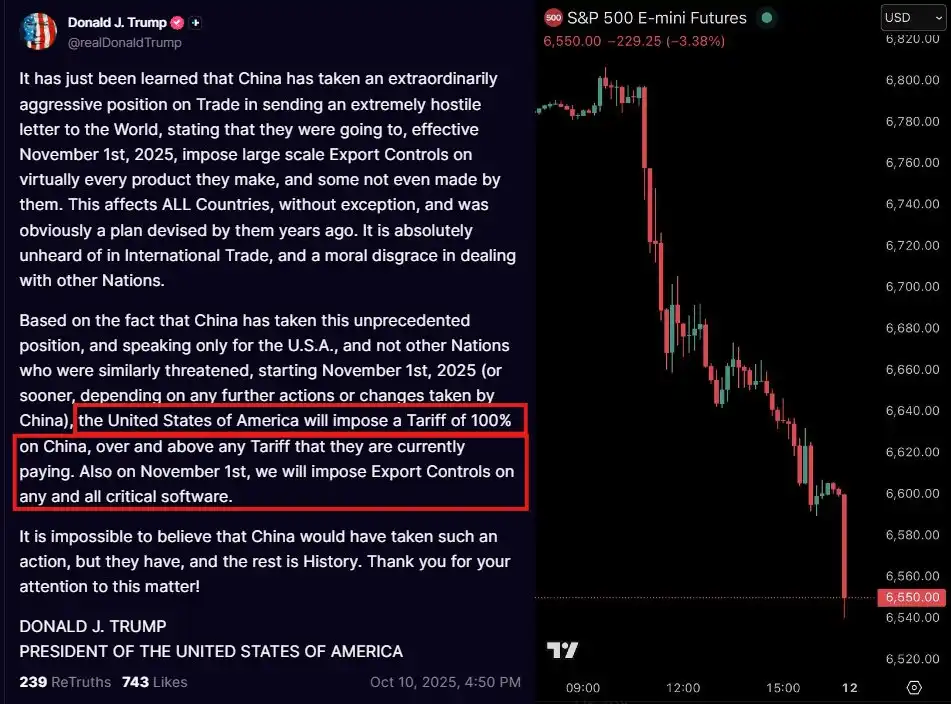
October 10th - Trump threatens 100% tariffs on China

President Trump always begins with punitive and threatening messages, which is part of his negotiation tactics. And, this move works for him. In the October confrontation with China, it ultimately ended with the signing of a new trade agreement and China canceling its rare earth export restrictions, which Trump had said were harming the U.S.

This time, the announcement was made on a Saturday, and market futures won't open until Monday evening (because Monday is a federal holiday). The market reaction might be accompanied by similar "emotional selling," but considering there is time to digest the news, the impact might be less severe.

This is all part of President Trump's "tariff strategy," which we will detail below:

The Tariff Strategy Playbook

In 2025, our investment strategy's returns were almost double that of the S&P 500, largely because we capitalized early on asset price volatility during trade wars. Below is the specific coping strategy we have consistently applied:

A comprehensive step-by-step guide to navigating Trump's trade wars:

  • Friday: President Trump posts an obscure message hinting at tariffs on a specific country or industry. Markets decline as uncertainty increases. This event started Friday with Trump threatening tariffs on Denmark.

  • Later that day or shortly after (Saturday in this case): President Trump announces a massive new tariff, usually 25% or higher.

  • Saturday and Sunday: President Trump repeatedly escalates tariff threats while markets are closed to maximize psychological impact.

  • Over the weekend: The targeted country(ies) typically respond publicly or signal willingness to negotiate.

  • Sunday 6 PM ET (Monday evening in this instance): Futures open, and the market reacts initially with an emotional sell-off to the tariff headlines; futures prices drop.

  • Monday and Tuesday: President Trump continues public pressure, but investors start realizing tariffs are not yet in effect and are weeks away from implementation (e.g., Feb 1st).

  • Wednesday of the same week: Dip buyers step in and trigger a relief rally, but this move often fades and leads to another decline. This is usually when the "smart money" starts buying.

  • The following weekend (about a week later): President Trump posts that negotiations are underway and he is working with the target country's leader(s) towards a solution.

  • Sunday 6 PM ET that weekend: Futures open sharply on optimism, but gains pare back after the Monday cash market open.

  • After Monday open: Senior administration officials like Treasury Secretary Bessent appear on live TV, reassuring investors and highlighting progress towards a deal.

  • The next 2-4 weeks: Officials across the Trump administration continuously leak progress on the trade deal.

  • Eventually: The trade deal is officially announced, and markets hit new all-time highs.

  • Cycle: Repeat from Step 1.

Of course, this is not a 100% guaranteed roadmap, but based on our experience, almost every trade war flare-up since January 2025 has followed roughly this same path.

Note: This time, President Trump's plan to acquire Greenland is undoubtedly a higher demand than getting China to cut export controls. Therefore, the execution of this strategy might be more prolonged, but it will follow a similar sequence of events.

Timing is Key

President Trump's entire negotiation strategy revolves around timing and pressure. He provides a 2-3 week buffer before tariffs take effect to allow for a deal. Trump's goal is for these tariffs never to actually take effect; he wants the deal. This also explains why these announcements increasingly occur on weekends when markets are closed. He pushes the threat to the brink. This is why they work: if they were actually implemented and sustained, they would have the power to shake markets and change the world.

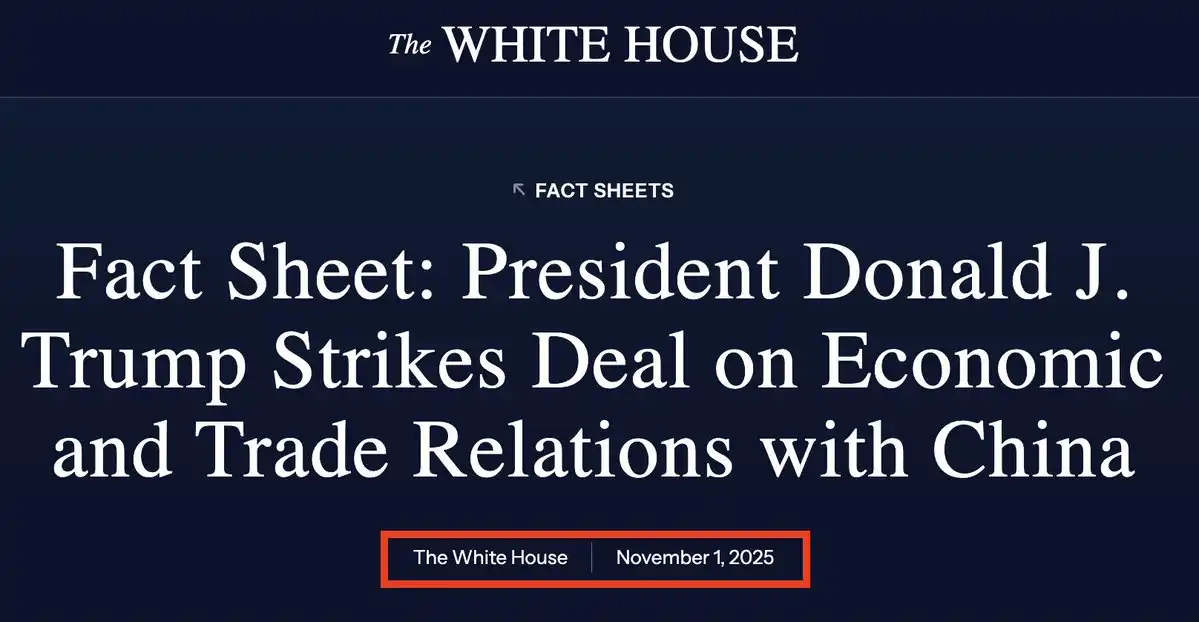
In the last round of the trade war with China, President Trump announced a new trade deal with China on November 1st—the very day the 100% tariffs were scheduled to take effect.
Ultimately, those who can remain objective and follow the process during trade war volatility are accessing one of the best trading environments ever.

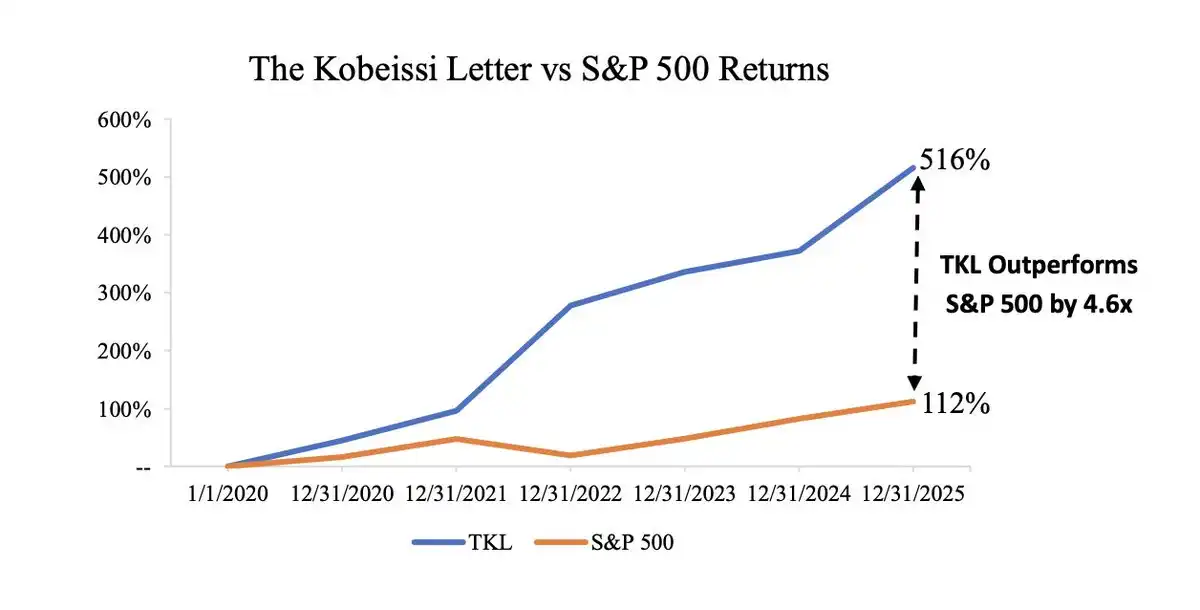
As mentioned, this objective, systematic approach has led to our performance outperforming the market benchmark. As shown in the chart below, our investment strategy's returns have been nearly five times that of the S&P 500 since 2020.
Conclusion

This time, President Trump's plan to acquire Greenland is indeed a higher demand than previous ones. Market turbulence might last longer, but we reiterate the original point: the best traders are profiting from the asset price volatility caused by trade war headlines.

Volatility equals opportunity.

Связанные с этим вопросы

QWhat is the main strategic goal behind Trump's recent announcement of new tariffs on EU countries?

ATrump's primary strategic goal is the acquisition of Greenland, with the tariffs serving as leverage tool to force a deal for a 'complete and comprehensive purchase' of the island.

QAccording to the article, what is the typical initial market response to a Trump tariff announcement, and why?

AThe typical initial market response is an 'emotional sell-off' or a drop in futures, as seen with the S&P 500 futures falling -3.5% after the October 10th China tariff threat, due to the sudden increase in uncertainty and psychological pressure.

QDescribe the key pattern or 'playbook' of Trump's negotiation strategy as outlined in the article.

AThe playbook involves announcing tariffs on a Friday or weekend to maximize psychological impact, escalating threats while markets are closed, allowing a 2-3 week buffer before implementation for negotiations, and ultimately announcing a trade deal just before tariffs are set to take effect, leading to a market rally.

QHow does the article suggest savvy traders should approach the volatility caused by these tariff threats?

ASavvy traders should remain objective, follow the established pattern of the 'tariff playbook,' and use the price volatility and emotional sell-offs as opportunities to buy assets at lower prices, ultimately profiting from the subsequent market recovery and new highs after a deal is announced.

QWhy might the current situation regarding Greenland be different from previous tariff negotiations, according to the analysis?

AThe acquisition of Greenland is a much larger demand than previous requests, such as getting China to cut export controls, which suggests the negotiation process could be longer and more protracted, though it will likely follow a similar event sequence.

Похожее

First Batch of Keynote Speakers and Partners Announced! Web2+3 Summit: Defining the Next Generation of Digital Economy

Web2+3 Summit: Defining the Next Generation of Digital Economy The 6th BEYOND International Technology Innovation Expo (BEYOND Expo 2026), Asia's largest tech and ecosystem exhibition, is launching a dedicated Web2+3 stage for the first time. Co-hosted by BEYOND Expo and ChainNeXT Group, the Web3 Summit will take place from May 28–30, 2026. Against the backdrop of accelerating global tech integration, the boundaries between Web2 and Web3 are rapidly blurring. With clearer global regulations for blockchain-driven internet (Web3) and the special issuance of a Hong Kong dollar stable币 license by the Hong Kong SAR government on April 10, 2026, Web3's decentralized principles are quickly merging with traditional industries (Web2) such as e-commerce, finance, and artificial intelligence. Focused on blockchain-driven digital economy elements, the summit will center on three core principles—implementability, commercial viability, and compliance. It will bring together top Web3 experts to discuss key integration areas like stablecoin payment finance (PayFi), real-world asset tokenization (RWA), and decentralized AI (DeAI), unveiling new opportunities for industrial innovation. The first wave of confirmed speakers includes Jack Kong (Director of Hong Kong Cyberport, Chairman of Nano Labs), Yat Siu (Chairman of Animoca Brands), Michael Wu (Co-founder & CEO of Amber Group), Michael Heinrich (Co-founder & CEO of 0G), and Art Abal (Co-founder of Vana). More Web3 ecosystem pioneers, AI, and fintech experts will be announced soon. Core forum topics include: - Web2+DeAI: New AI Paradigms Driven by Decentralized Infrastructure - Web2+RWA: Real-World Asset Tokenization and Global Liquidity - Web2+PayFi: Cross-Border Payments and Financial Innovation Powered by Crypto Infrastructure - Web2+3 AI: Autonomous Agents and the Crypto Economy - Web2+3 Wealth: On-Chain and Off-Chain Integrated Investment Ecosystems - Web2+3 Commerce: A New Landscape for Global Trade Driven by Stablecoins Additional agenda details will be released in the near future.

marsbit3 ч. назад

First Batch of Keynote Speakers and Partners Announced! Web2+3 Summit: Defining the Next Generation of Digital Economy

marsbit3 ч. назад

Торговля

Спот
Фьючерсы

Популярные статьи

Как купить S

Добро пожаловать на HTX.com! Мы сделали приобретение Sonic (S) простым и удобным. Следуйте нашему пошаговому руководству и отправляйтесь в свое крипто-путешествие.Шаг 1: Создайте аккаунт на HTXИспользуйте свой адрес электронной почты или номер телефона, чтобы зарегистрироваться и бесплатно создать аккаунт на HTX. Пройдите удобную регистрацию и откройте для себя весь функционал.Создать аккаунтШаг 2: Перейдите в Купить криптовалюту и выберите свой способ оплатыКредитная/Дебетовая Карта: Используйте свою карту Visa или Mastercard для мгновенной покупки Sonic (S).Баланс: Используйте средства с баланса вашего аккаунта HTX для простой торговли.Третьи Лица: Мы добавили популярные способы оплаты, такие как Google Pay и Apple Pay, для повышения удобства.P2P: Торгуйте напрямую с другими пользователями на HTX.Внебиржевая Торговля (OTC): Мы предлагаем индивидуальные услуги и конкурентоспособные обменные курсы для трейдеров.Шаг 3: Хранение Sonic (S)После приобретения вами Sonic (S) храните их в своем аккаунте на HTX. В качестве альтернативы вы можете отправить их куда-либо с помощью перевода в блокчейне или использовать для торговли с другими криптовалютами.Шаг 4: Торговля Sonic (S)С легкостью торгуйте Sonic (S) на спотовом рынке HTX. Просто зайдите в свой аккаунт, выберите торговую пару, совершайте сделки и следите за ними в режиме реального времени. Мы предлагаем удобный интерфейс как для начинающих, так и для опытных трейдеров.

1.1k просмотров всегоОпубликовано 2025.01.15Обновлено 2025.03.21

Как купить S

Sonic: Обновления под руководством Андре Кронье – новая звезда Layer-1 на фоне спада рынка

Он решает проблемы масштабируемости, совместимости между блокчейнами и стимулов для разработчиков с помощью технологических инноваций.

2.2k просмотров всегоОпубликовано 2025.04.09Обновлено 2025.04.09

Sonic: Обновления под руководством Андре Кронье – новая звезда Layer-1 на фоне спада рынка

HTX Learn: Пройдите обучение по "Sonic" и разделите 1000 USDT

HTX Learn — ваш проводник в мир перспективных проектов, и мы запускаем специальное мероприятие "Учитесь и Зарабатывайте", посвящённое этим проектам. Наше новое направление .

1.8k просмотров всегоОпубликовано 2025.04.10Обновлено 2025.04.10

HTX Learn: Пройдите обучение по "Sonic" и разделите 1000 USDT

Обсуждения

Добро пожаловать в Сообщество HTX. Здесь вы сможете быть в курсе последних новостей о развитии платформы и получить доступ к профессиональной аналитической информации о рынке. Мнения пользователей о цене на S (S) представлены ниже.

活动图片