Автор:Coinbase Institutional
Компиляция: Deep Tide TechFlow
Наш ежегодный прогноз рынка криптовалют глубоко исследует факторы, которые будут формировать криптоэкономику в течение следующего года. От подробных прогнозов по BTC (Биткоину), ETH (Эфириуму) и SOL (Solana) до всестороннего анализа регуляторной динамики, структуры рынка и последних достижений в токенизации — мы охватываем все важные области. Кроме того, мы углубленно анализируем влияние четырехлетнего цикла Биткоина, потенциальные риски, связанные с квантовыми вычислениями, а также глубокое влияние крупных обновлений платформ, таких как хардфорк Ethereum Fusaka и Solana Alpenglow.
Приглашаем вас перейти по ссылке, чтобы скачать полный отчет
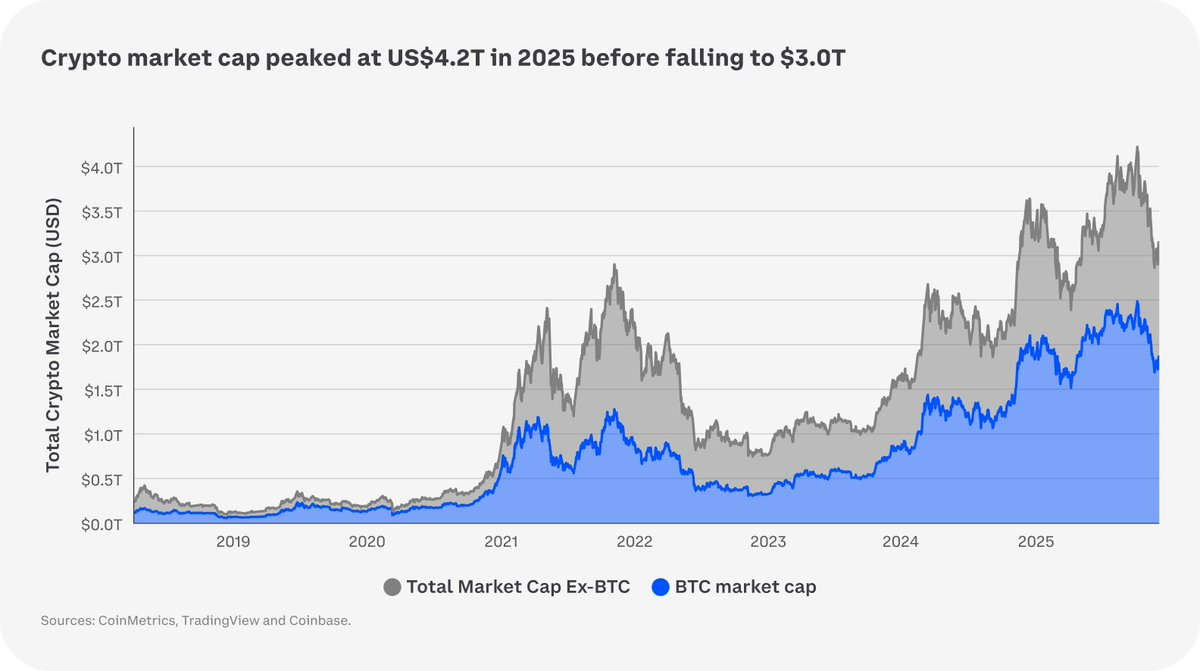
Ключевые моменты включают:
-
Осторожный оптимизм: Мы сохраняем осторожный оптимизм в отношении устойчивости экономики США, полагая, что растущая производительность труда может обеспечить некоторую буферную поддержку на фоне замедления общих экономических показателей. Таким образом, мы считаем, что в первом полугодии 2026 года (1H26) крипторынок будет больше похож на «1996 год», а не на «1999 год», но неопределенность остается высокой.
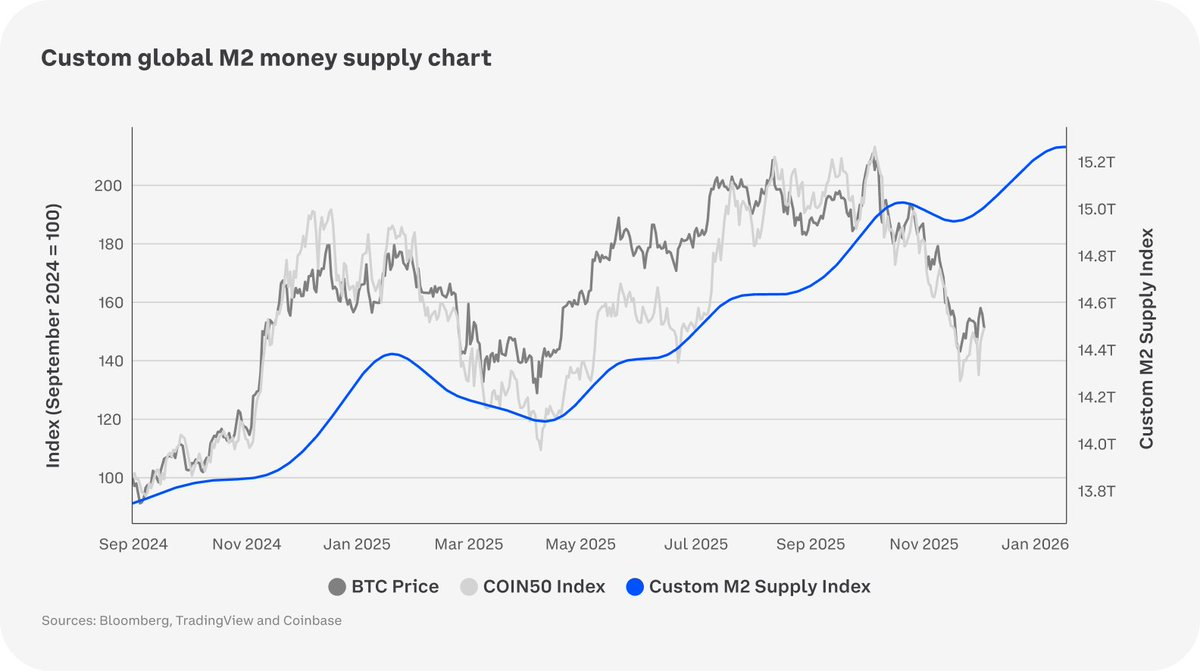
-
Регуляторный прогресс: Мы ожидаем, что более четкие глобальные регуляторные рамки изменят в 2026 году подход институциональных игроков к стратегии, рискам и комплаенсу.
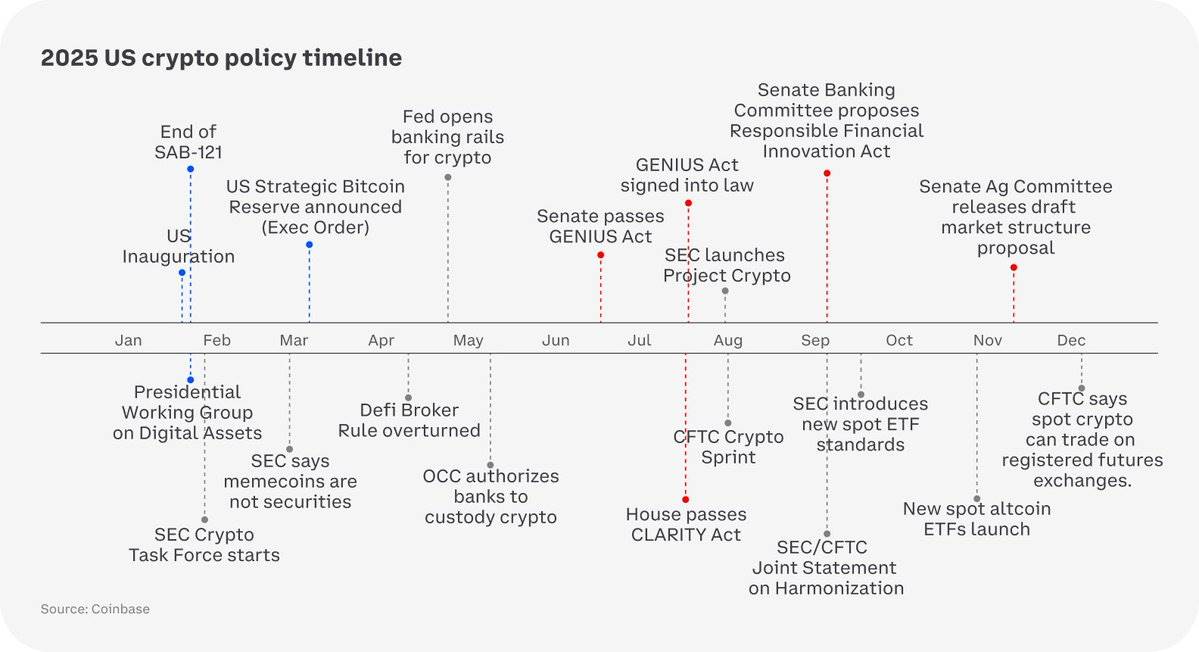
-
Институциональное принятие: Мы прогнозируем, что в 2026 году появится модель «DAT 2.0», которая выйдет за рамки простого накопления активов, сосредоточившись на профессиональной торговле, хранении и закупке суверенного блок-пространства, рассматривая его как ключевой ресурс цифровой экономики.
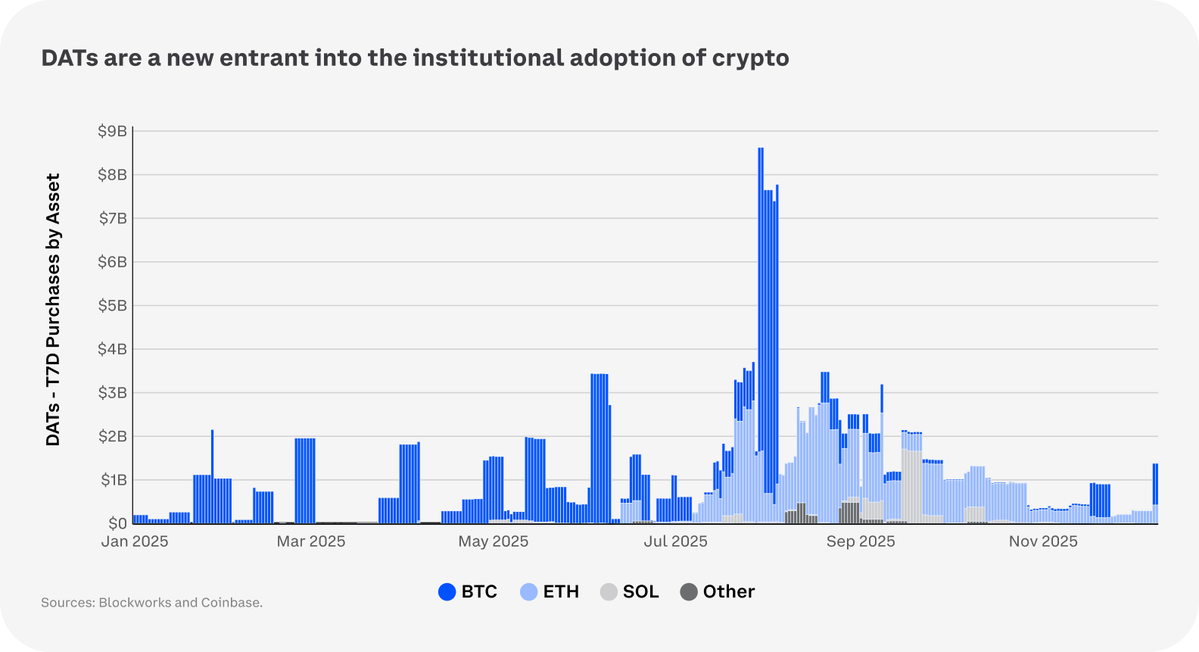
-
Токеномика 2.0: По мере того как протоколы постепенно смещаются в сторону захвата стоимости, мы наблюдаем зарождающийся переход от модели с высокой волатильностью, движимой單純 нарративами, к устойчивой модели, привязанной к доходам.
Технологические изменения
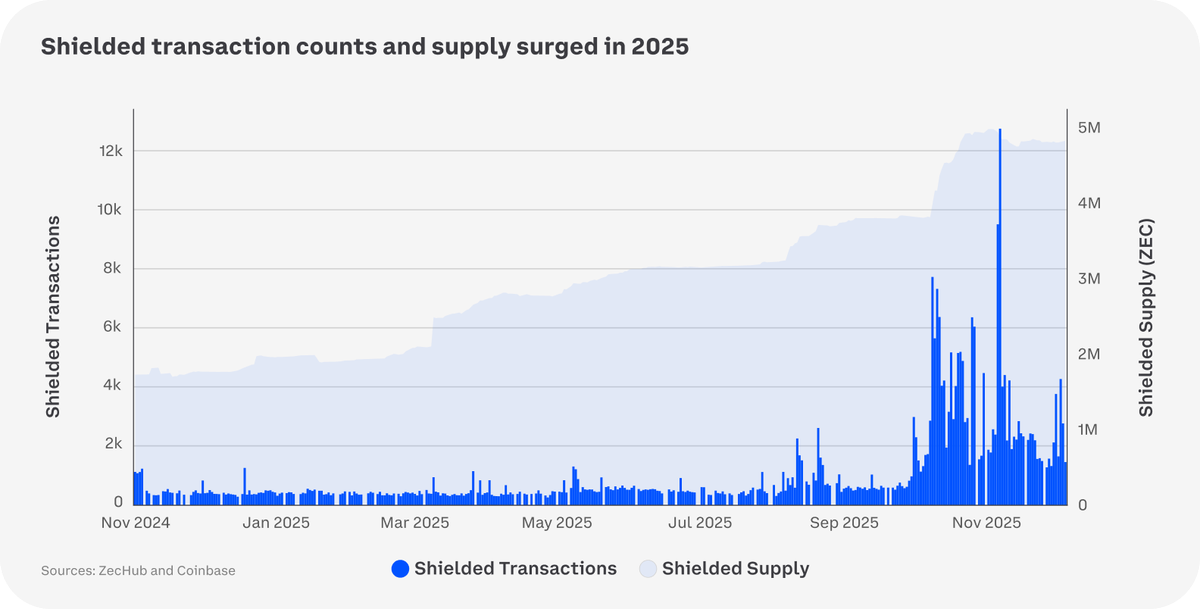
Потребность в конфиденциальности: С ростом институционального принятия мы ожидаем continued развития таких технологий, как доказательства с нулевым разглашением (ZKPs) и полное гомоморфное шифрование (FHE), а также значительного роста использования инструментов конфиденциальности в блокчейне.
ИИ × Криптовалюты: Автономные системы торговых агентов требуют открытых и программируемых способов оплаты. Протоколы, подобные x402, могут обеспечить расчеты высокочастотных микроплатежей и поддерживать интеллектуальных агентов, которые запускают, управляют и защищают сервисы в блокчейне.
Специализированные цепи для приложений: Хотя proliferation специализированных блокчейн-сетей меняет конкурентный ландшафт криптоинфраструктуры, мы считаем, что конечным направлением развития станет сетевая архитектура с native интероперабельностью и разделенной безопасностью, а не бесконечная сеть изолированных систем.
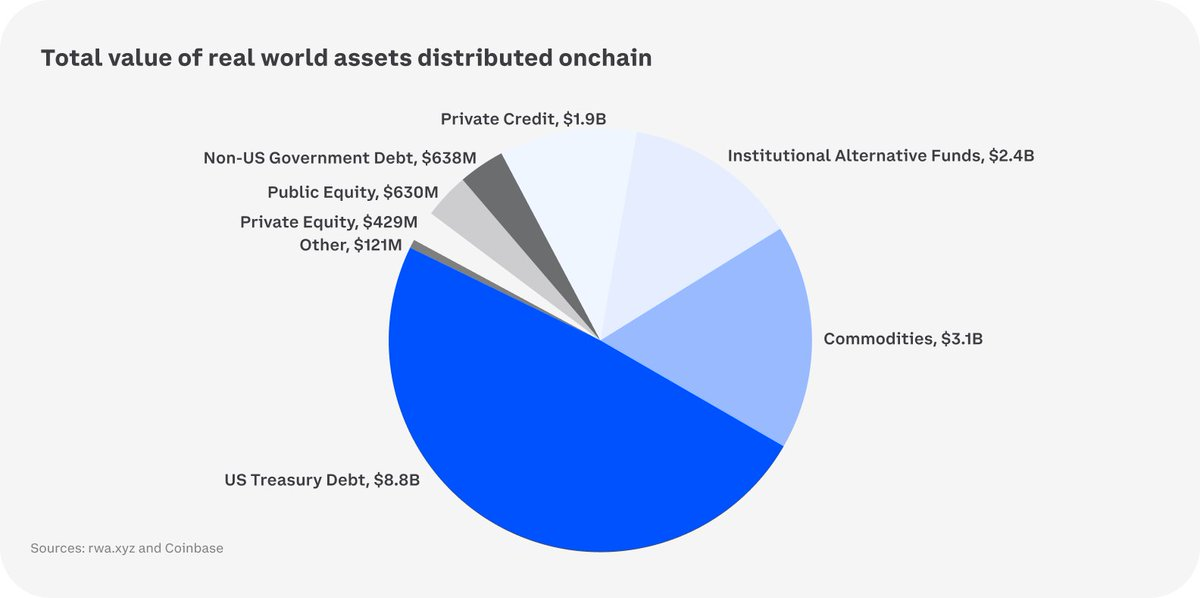
Токенизация: Преимущества атомарной композируемости делают перспективы быстрого роста токенизированных акций чрезвычайно привлекательными. Во многих случаях коэффициент кредитного плеча (LTV) для кредитов в стиле DeFi в этой модели значительно выше, чем в традиционных маржинальных框架.
Следующий большой тренд
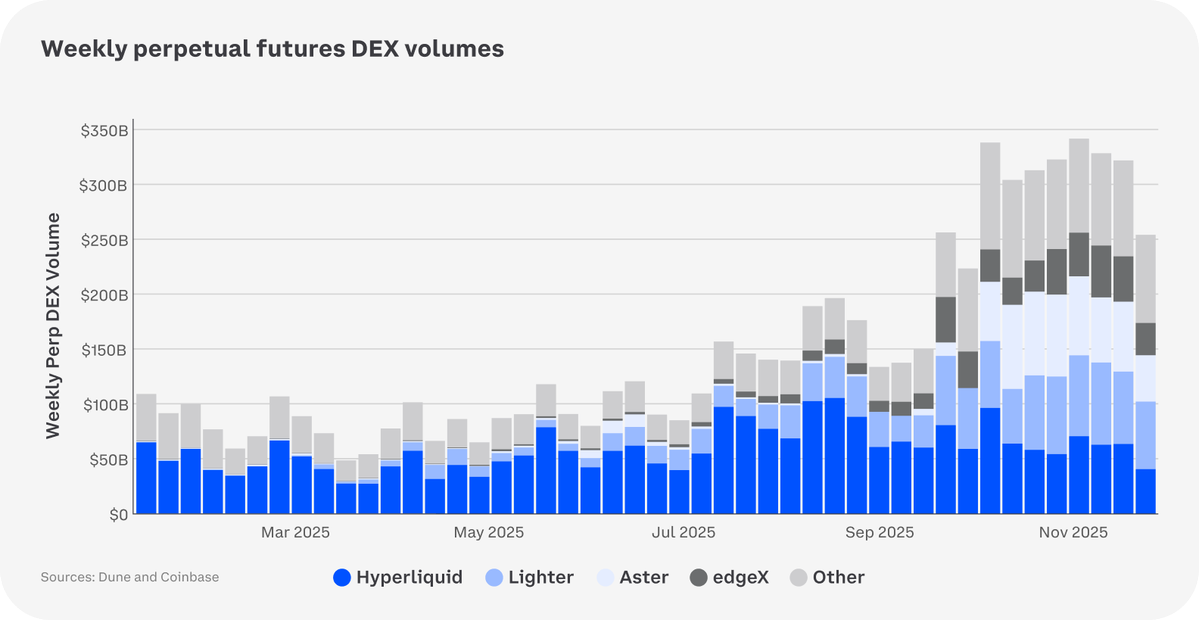
Композируемость криптодеривативов: Поскольку тенденция участия глобальных розничных инвесторов на рынке акций США продолжает расти, мы считаем, что бессрочные фьючерсы на акции (equity perps) могут стать предпочтительным выбором для нового поколения розничных трейдеров, сочетая удобство круглосуточной торговли с преимуществами капитальной эффективности.
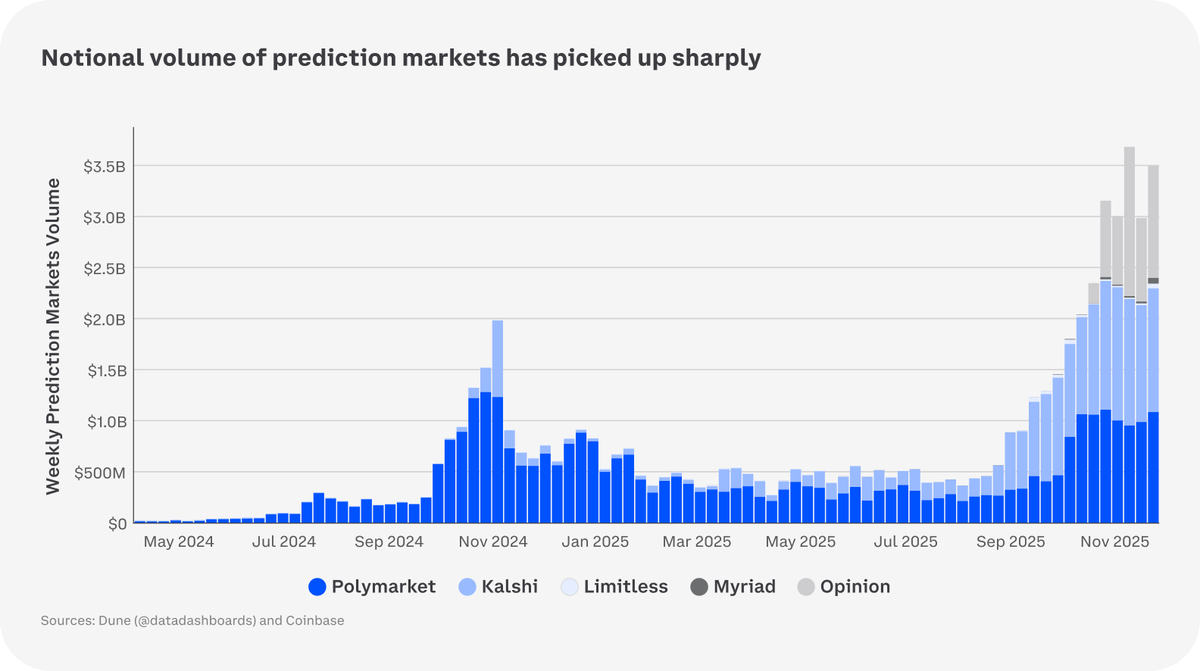
Предиктивные рынки: Ожидается, что с изменениями в налоговой политике США в 2026 году объем торгов на предиктивных рынках将进一步 вырастет, что может привлечь больше пользователей на эти связанные с деривативами рынки. Мы считаем, что агрегаторы предиктивных рынков могут стать доминирующим интерфейсным слоем.
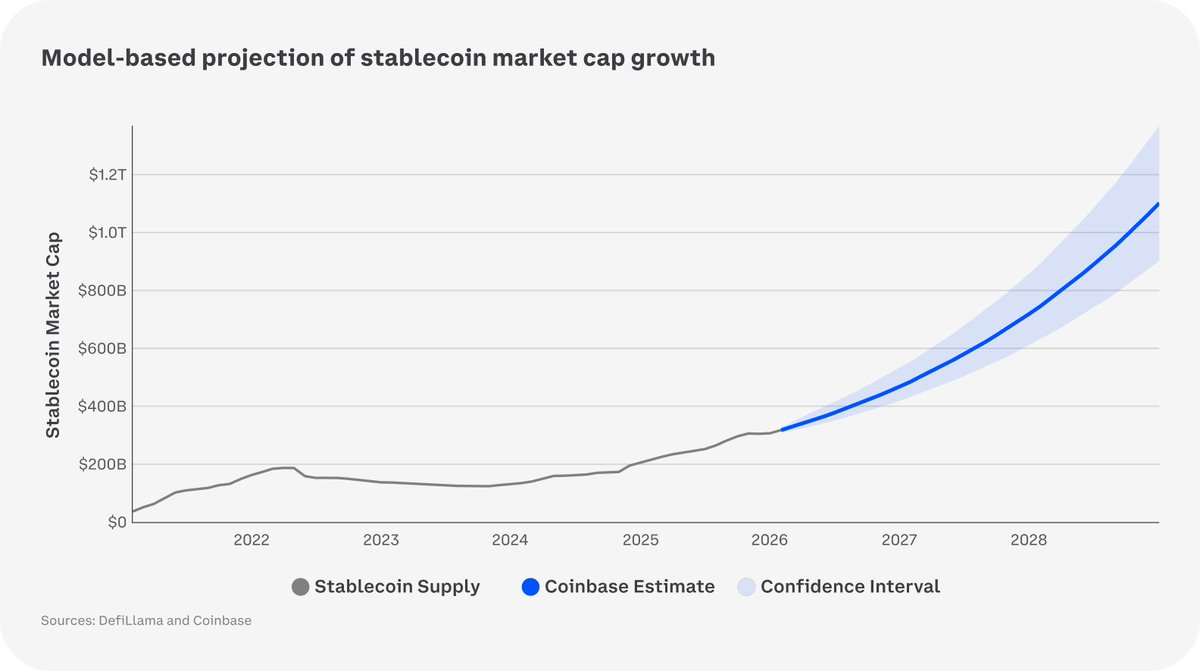
Стейблкоины и платежи: Наша стохастическая модель прогнозирует, что к концу 2028 года общая рыночная капитализация стейблкоинов может достичь целевого диапазона в 1,2 триллиона долларов. Ожидается дальнейший рост применения стейблкоинов в новых случаях использования, таких как расчеты по трансграничным сделкам, денежные переводы и платформы для выплаты заработной платы.
Мы считаем, что криптоиндустрия находится на ключевом этапе глубокой интеграции с ядром финансовой системы. Чтобы воспользоваться этой возможностью, необходимы превосходное исполнение в таких областях, как качество продукта, соответствие требованиям и ориентированный на пользователя дизайн. Сосредоточившись на этих областях, мы можем обеспечить, чтобы следующая волна инноваций принесла пользу каждому человеку в мире, обеспечивая удобство в любое время и в любом месте.







