Anthropic выделяет использование Agent SDK из подписки, предоставляя вместо этого фиксированный кредит по розничной цене API. Объёмы для интенсивных пользователей сократились почти в десять раз. В ту же неделю OpenAI предлагает корпоративным пользователям два месяца бесплатного перехода на Codex. Началась первая ценовая битва в финале гонки ASI.
Anthropic перевела программные вызовы с системы «шведский стол» на систему «нормированного распределения».
С 15 июня вызовы через claude -p, Agent SDK, GitHub Actions, а также через сторонние инструменты, такие как OpenClaw, Hermes и другие, полностью исключены из лимитов подписки.
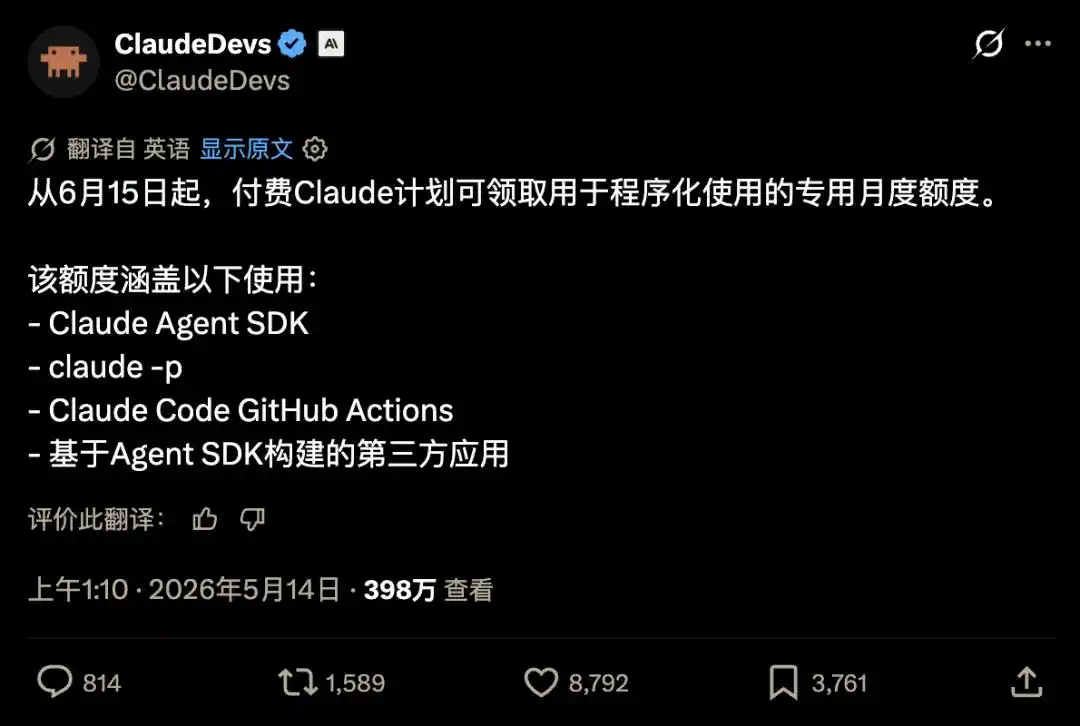
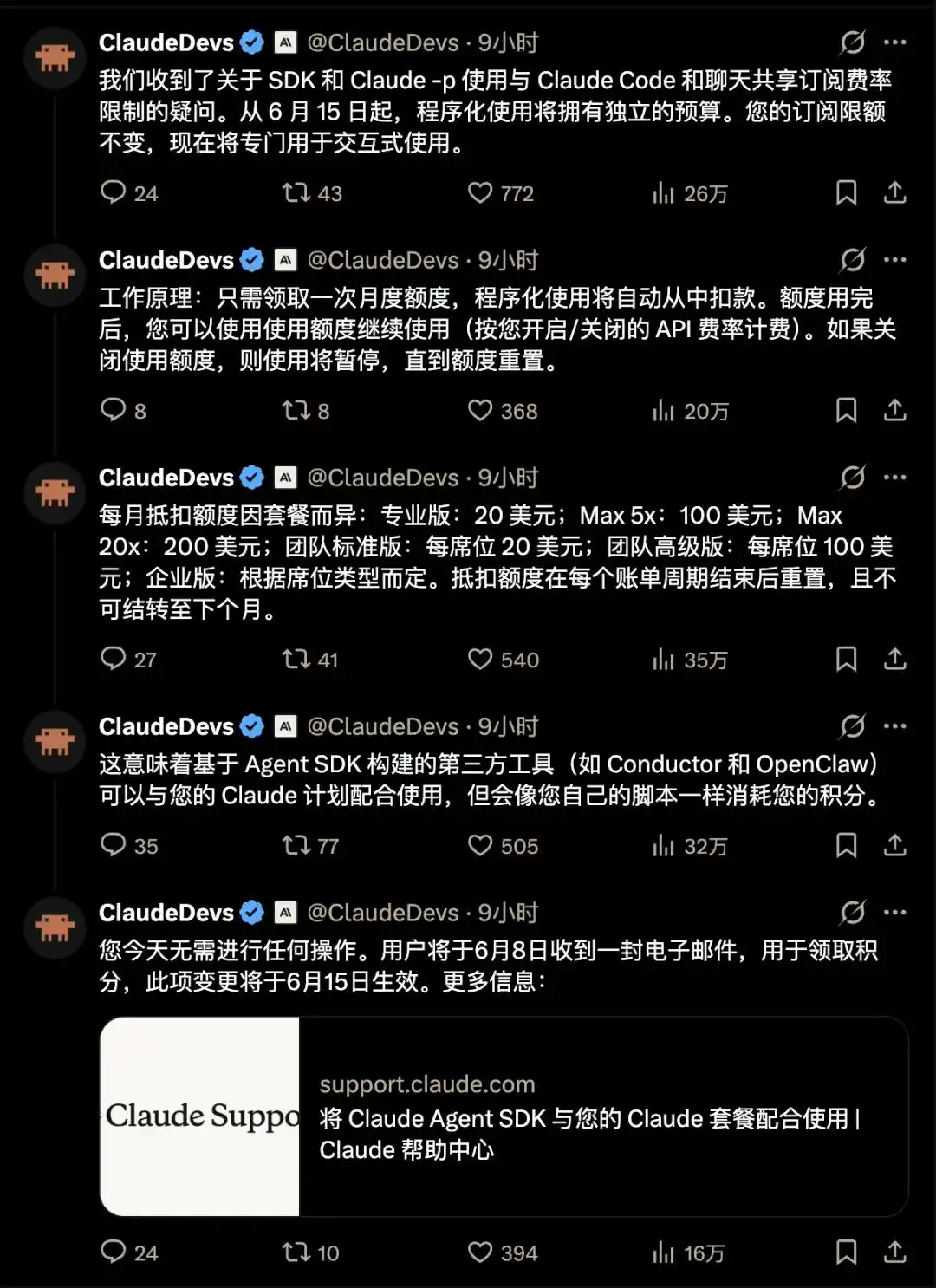
https://x.com/ClaudeDevs/status/2054610152817619388
Вместо этого предоставляется ежемесячный кредит, рассчитанный по розничной цене API: Pro даёт $20, Max 5x — $100, Max 20x — $200.
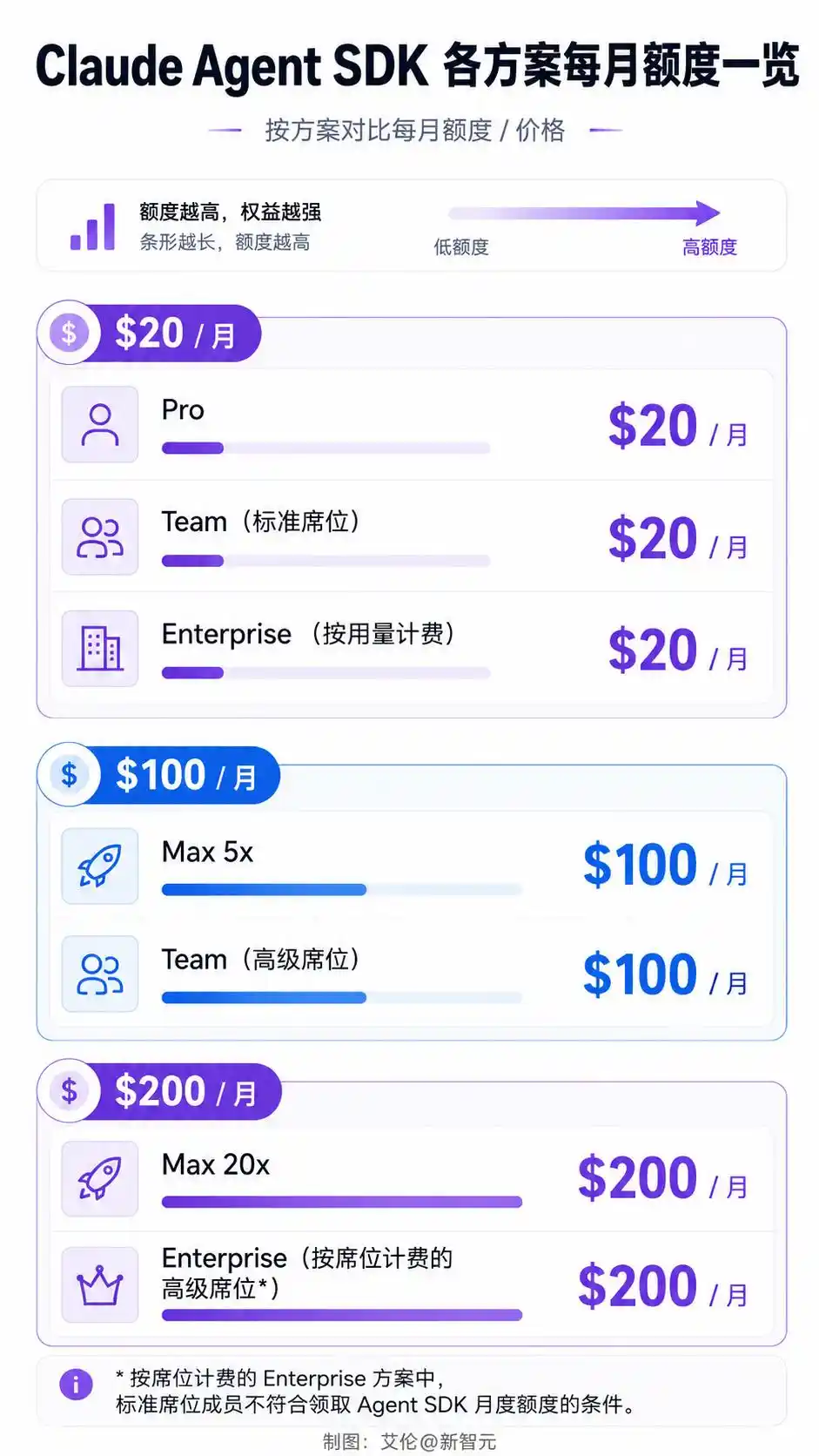
Прежние лимиты подписки остаются неизменными и предназначены исключительно для интерактивного использования Claude Code и чата на claude.ai. Два пула не пересекаются.
Кредит необходимо активировать вручную. Уведомление по почте отправлено 8 июня, изменения вступают в силу 15 июня, сбрасываются ежемесячно, не накапливаются.
Предвидя гнев пользователей, Anthropic дважды повысила лимиты для Claude Code, чтобы успокоить их.
На прошлой неделе лимит в скользящем пятичасовом окне удвоился, на этой неделе еженедельный общий лимит увеличен на 50%. Изменения действуют одновременно до 14 июля.

https://x.com/ClaudeDevs/status/2054639777685934564
Все платные пользователи получат изменения автоматически, никаких действий не требуется.
Главный конкурент OpenAI немедленно воспользовался этой возможностью, запустив бесплатный переход на Codex для бизнеса.
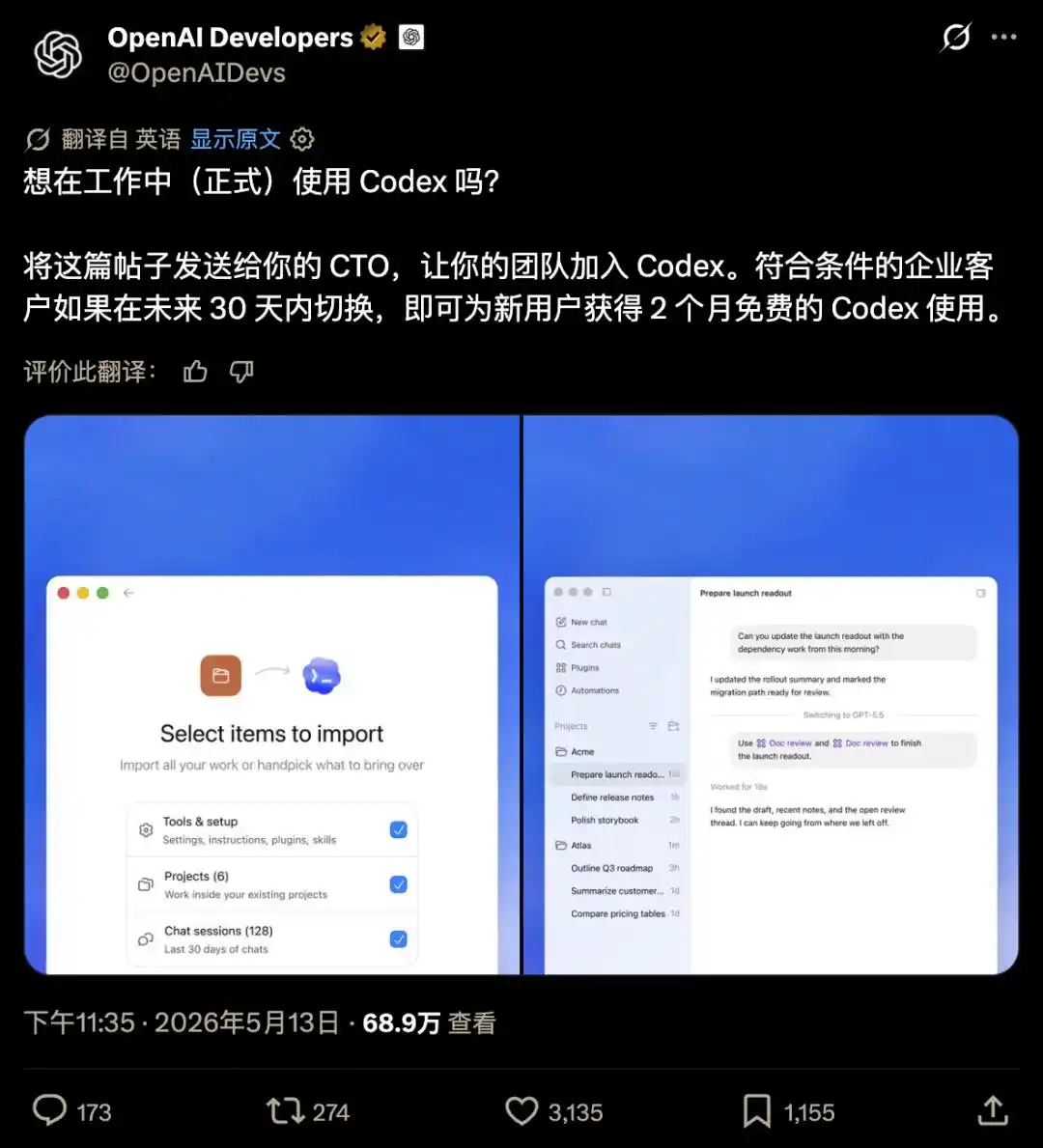
https://x.com/OpenAIDevs/status/2054586214112780518
30 дней на подачу заявки, 2 месяца бесплатного использования, встроенный инструмент для миграции в один клик, позволяющий напрямую перенести системные промпты, навыки (Skills) и настройки MCP из Claude Code.
Codex не разделяет интерактивные и программные вызовы — подписчики могут использовать его как угодно.
Три события, произошедшие одновременно, — это не совпадение.
Зачем было разделять
В модели подписки Anthropic существовала структурная уязвимость. Накануне выхода на IPO и перед решающим этапом ASI Anthropic больше не могла мириться с этой уязвимостью.
Экономическая модель подписки строится на предпосылке, что скорость печати человека ограничена.
Количество токенов, которое пользователь тарифа Max 20x за $200/месяц может потребить при ручном взаимодействии, по розничной цене API эквивалентно примерно $2000–5000.
Anthropic была готова субсидировать эту разницу, потому что данные взаимодействия ценны для обучения моделей.
Agent SDK и claude -p нарушили эту предпосылку.
Машины вызывают API 24 часа в сутки, один цикл for может исчерпать месячный лимит за несколько часов, причём программные вызовы практически не имеют ценности для обучения на пользовательских данных.
Пока пользовательская база была небольшой, это можно было терпеть.
Но SpaceX только что сдала в аренду Anthropic 220 тысяч GPU, Google увеличил инвестиции до максимума в $40 млрд, а Amazon подписал соглашение на мощности на $250 млрд.
Дополнительное чтение: Срочно, Илон Маск распустил xAI! 220 тысяч GPU с болью переданы Claude.
Вычислительные мощности получены, количество пользователей вот-вот взлетит, и убытки от субсидий будут расти экспоненциально.
В справочной документации Anthropic также чётко обозначена позиция: команды, запускающие автоматизацию производственного уровня, должны переходить на платформу для разработчиков и использовать API-ключи с оплатой по мере использования.
Это исправление ценового упущения, время которого определяется ритмом соревнования ASI.
Насколько велика цена
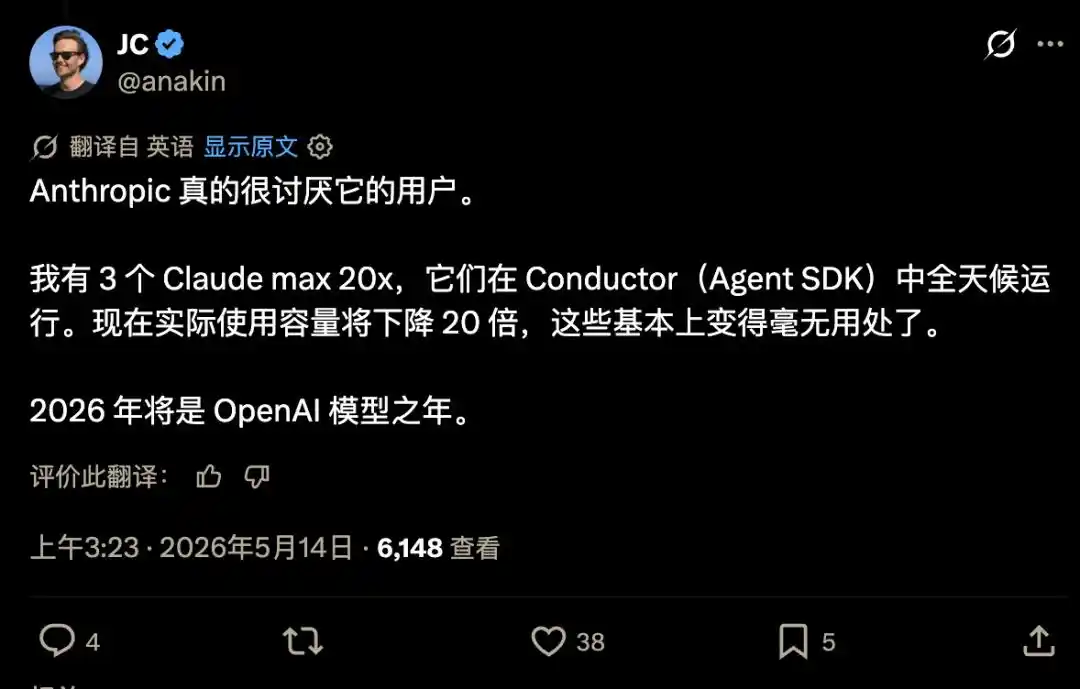
Номинальная стоимость одинакова, фактическое сокращение — почти в десять раз.
Месячная плата пользователя Max 20x составляет $200, и он получает кредит также на $200.
Но раньше он делил лимит подписки, который по розничной цене API оценивался примерно в $2000–5000.
Теперь это заменено фиксированным кредитом в $200, рассчитанным по розничной цене API.
https://x.com/anakin/status/2054643675590807884
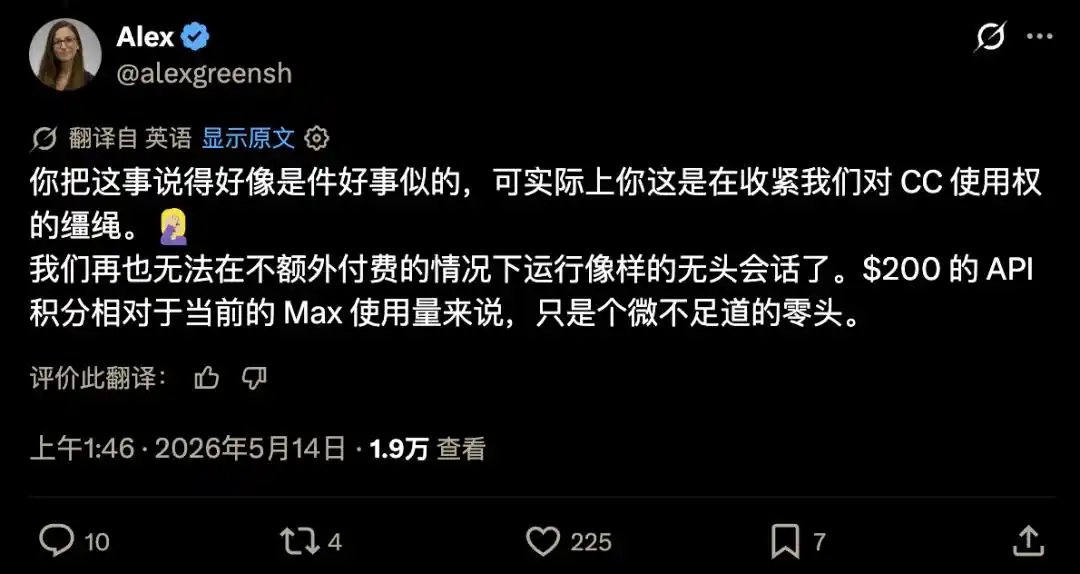
Положение пользователей Pro ещё более неловкое: $20 на Sonnet хватит примерно на 6–7 миллионов входных токенов или чуть больше миллиона выходных — несколько интенсивных циклов работы агента, и лимит исчерпан.
https://x.com/alexgreensh/status/2054619241811169402
Наибольший удар пришёлся по пользователям сторонних инструментов.
Ранее использование агент-инструментов, таких как OpenClaw, Hermes, было эквивалентно запуску высокочастотной автоматизации по цене подписки.
При новой политике этот путь оставляет лишь крошечный кредитный лимит. После его исчерпания либо включается «Дополнительное использование» и работа продолжается по ценам API, либо всё останавливается до следующего месяца.
Единственная хорошая новость: сторонние инструменты наконец получили «официальный паспорт».
Два месяца назад Anthropic ещё считала OpenClaw способом наживы, а теперь в официальном объявлении прямо признала их легитимность.
Дисбаланс между мощностями и разработчиками
В момент наибольшей доступности вычислительных ресурсов Anthropic своей ценовой политикой оттолкнула наиболее активных разработчиков в сторону конкурентов.
220 тысяч GPU от SpaceX — это на данный момент единственное соглашение о вычислительных мощностях, которое можно запустить немедленно. Мощности других партнёров появятся только к концу 2026 или даже 2027 года.
Именно благодаря этой доступной мощности лимиты Claude Code смогли последовательно повышаться.
Но повышение лимитов Claude Code и установление потолка для SDK-кредита затрагивают две разные группы людей.
Пересечение между интерактивными пользователями и пользователями программных вызовов ограничено. Улучшение опыта первых не может компенсировать потери вторых.
OpenAI точно попала в эту брешь.
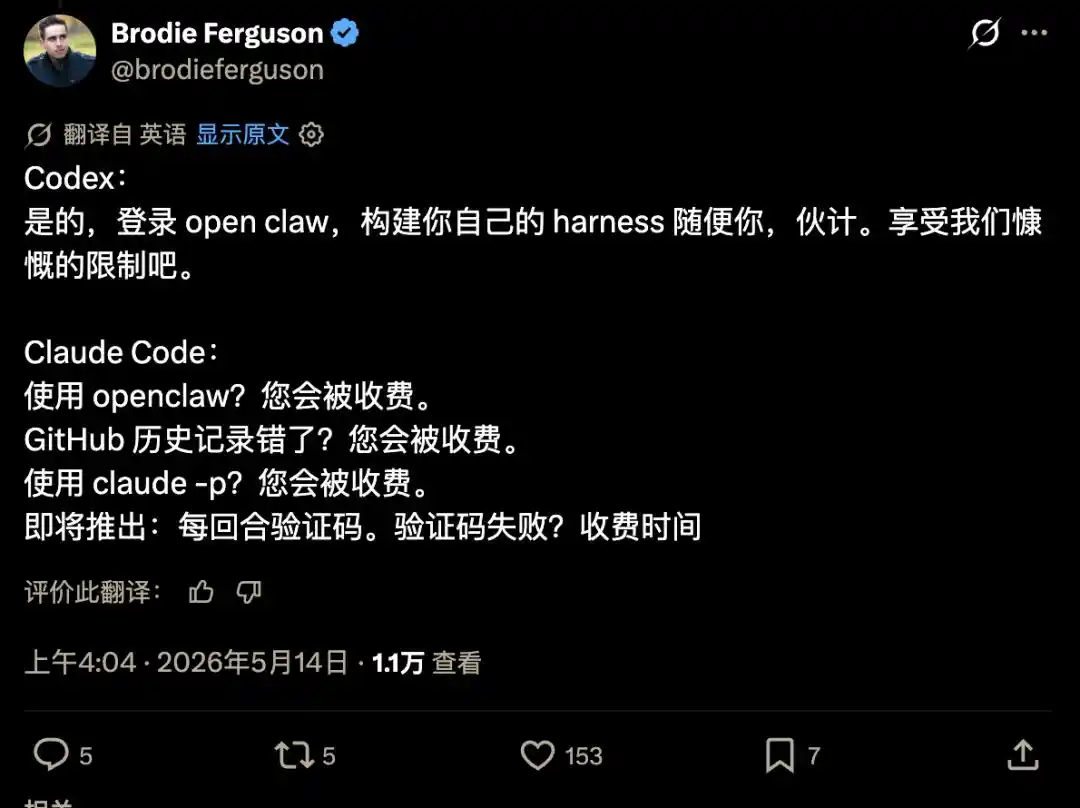
Codex не разделяет использование, не различает способы вызова, не имеет абонентской платы за место, тарифицируется по токенам и имеет встроенный инструмент для переезда из Claude Code в один клик.
Боль, которую только что создала Anthropic, OpenAI тут же превратила в своё преимущество.
https://x.com/brodieferguson/status/2054653995864707344
Двухмесячный бесплатный период как раз достаточен, чтобы компании запустили свои автоматизированные конвейеры и сформировали мышечную память.
После окончания бесплатного периода затраты на миграцию уже будут слишком высоки, чтобы возвращаться обратно.
Это касается каждого
Эпоха «безлимитного шведского стола» в AI-подписках подходит к концу.
Исправление уязвимости Anthropic — это только начало.
По мере того как возможности агентов становятся всё мощнее, а автоматизированные вызовы — всё более частыми, все AI-компании столкнутся с аналогичным экономическим давлением.
Способ оплаты за AI будет постепенно смещаться от ежемесячной фиксированной платы к оплате за фактическое потребление, как это уже произошло с облачными вычислениями.
Принадлежность экосистемы разработчиков определяет, каким AI будут пользоваться обычные люди в будущем.
Кто завоюет разработчиков, у того будет богаче экосистема инструментов.
Сегодняшняя битва между Claude Code и Codex через три-пять лет напрямую отразится на качестве AI-приложений, доступных в телефоне каждого.
Финальный этап гонки ASI — это соревнование не только в возможностях моделей, но и в экосистемах.
Финальный этап гонки за ASI уже практически определён: с одной стороны — OpenAI + Microsoft + Stargate (Oracle + SoftBank), с другой — Anthropic + Google + Amazon + SpaceX.
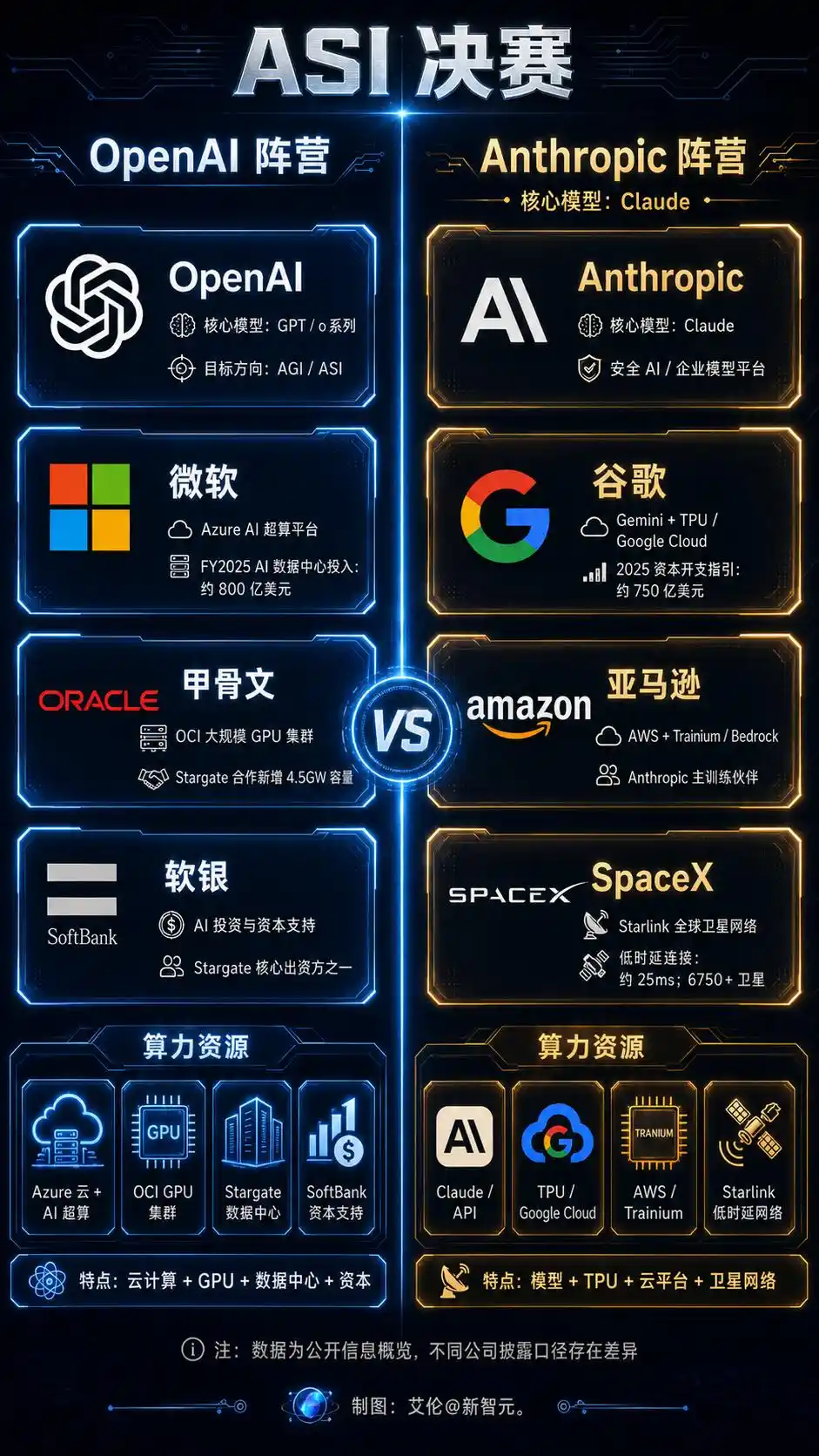
Возможности моделей сближаются, настоящий ров — в том, у кого самая сильная инфраструктура, больше всего разработчиков и самая прочная клиентская база среди предприятий.
Ценовая подковёрная борьба на этой неделе — первый выстрел в финале.
Теперь стоит следить за тремя вещами: вердиктом по делу Маск против Олтмена в середине мая, ценой на IPO Anthropic в июне, а также за тем, станут ли временные повышенные лимиты Claude Code постоянными после истечения их срока 14 июля.
Развитие этих трёх событий напрямую определит, в какую сторону склонится чаша весов в экосистеме разработчиков в гонке ASI.
8 июня не забудьте активировать кредит. Если не активировать — будет $0, активировав, получите хотя бы $200.
Приложение: Полный текст объявления
Использование Claude Agent SDK в рамках вашего тарифа Claude
Обновлено сегодня
Тарифные планы Claude теперь имеют право на ежемесячное получение квоты для использования Agent SDK. Эта квота покрывает использование Claude Agent SDK, команды claude -p и сторонних приложений, построенных на основе Agent SDK. В этой статье объясняется, что покрывает квота, как она работает и как её получить.
Доступно с 15 июня 2026 года для тарифов Pro, Max, Team и Enterprise. Учётные записи платформы разработчиков Claude, использующие API-ключи, не получают квоту. Тарификация по фактическому использованию остаётся без изменений.
Что изменилось
С 15 июня 2026 года использование Claude Agent SDK и claude -p больше не засчитывается в лимиты использования вашего тарифа Claude. Лимиты использования по подписке остаются неизменными и сохраняются для интерактивного использования Claude Code, Claude Cowork и Claude.
Для поддержки использования Agent SDK пользователи подходящих тарифов Pro, Max, Team и Enterprise могут получить отдельную ежемесячную квоту. Эта квота применяется только к использованию Agent SDK и обновляется в соответствии с вашим биллинговым циклом.
Ежемесячная квота по тарифам
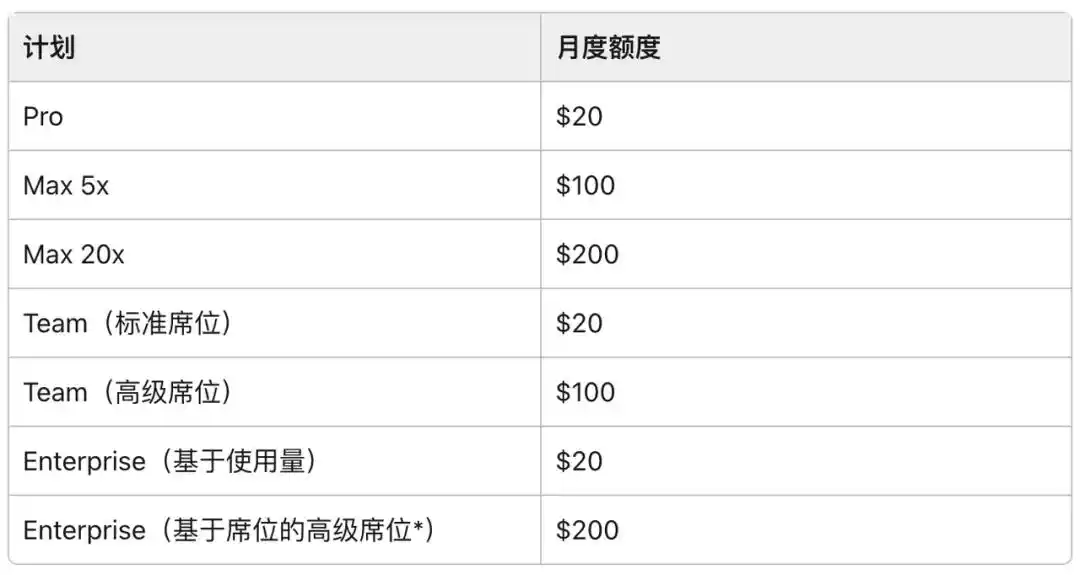
*Участники корпоративных тарифов (Enterprise) на основе мест, использующие стандартные места, не имеют права на получение ежемесячной квоты Agent SDK.
Что покрывает квота
Ежемесячная квота Agent SDK применяется к:
Использованию Claude Agent SDK (Python или TypeScript) в ваших собственных проектах
Команде claude -p в Claude Code (неинтерактивный режим)
Интеграции Claude Code GitHub Actions
Сторонним приложениям, которые используют вашу подписку Claude для аутентификации через Agent SDK
Квота не применяется к:
Интерактивному Claude Code в терминале или IDE
Диалогам с Claude в веб-, десктопных или мобильных приложениях
Claude Cowork
Другим функциям, списываемым с «Дополнительного использования»
Как работает квота
На пользователя, не общая. Квота принадлежит личной учётной записи. Её нельзя обобщать или передавать между членами команды.
Ежемесячное обновление. Ваша квота сбрасывается в начале каждого биллингового цикла. Неиспользованная квота не переносится на следующий биллинговый цикл.
Единоразовое согласие на участие. Вы получаете квоту один раз через свою учётную запись Claude. После этого она будет автоматически обновляться каждый цикл.
Приоритет списания. Использование Agent SDK сначала списывается с вашей ежемесячной квоты, а затем из других источников.
После исчерпания квоты использование переходит на «Дополнительное использование». Когда ваша ежемесячная квота исчерпана, дополнительное использование Agent SDK по стандартным тарифам API переходит на «Дополнительное использование» — но только если вы его включили. Если «Дополнительное использование» не включено, запросы Agent SDK прекратятся до обновления вашей квоты.
Что остаётся без изменений
Это изменение не затрагивает:
Лимиты использования по подписке. В рамках этого обновления лимиты использования вашего тарифа не изменились.
Интерактивный Claude Code. Использование Claude Code в терминале или IDE по-прежнему полностью использует лимиты вашей подписки, как и раньше.
Диалоги с Claude. Веб-, десктопные и мобильные чаты продолжают использовать лимиты подписки.
Пользователей API-ключей. Если вы используете Agent SDK с API-ключом с платформы разработчиков Claude, ничего не меняется. Тарификация по фактическому использованию продолжается, и вы не получаете ежемесячную квоту Agent SDK.
Для администраторов Team и Enterprise
Если вы управляете учётной записью Team или Enterprise, вот что вам нужно знать:
Квота рассчитывается на пользователя. Каждый подходящий пользователь в вашей команде получает свою квоту. Квоты нельзя обобщать, передавать или делиться ими во всей организации.
Автоматизация производственного уровня в больших масштабах. Размер ежемесячной квоты Agent SDK подходит для личных экспериментов и автоматизации. Командам, запускающим общую автоматизацию для продакшена, следует использовать платформу разработчиков Claude и API-ключи для получения предсказуемой тарификации по фактическому использованию.
Что вам нужно сделать. Пока ничего не нужно делать. Подходящие пользователи в вашей команде получат электронное письмо с подробностями и инструкциями по получению квоты до 15 июня 2026 года.
Ссылки:
https://support.claude.com/zh-CN/articles/15036540-%E5%9C%A8%E6%82%A8%E7%9A%84-claude-%E8%AE%A1%E5%88%92%E4%B8%AD%E4%BD%BF%E7%94%A8-claude-agent-sdk
https://x.com/ClaudeDevs/status/2054610152817619388
https://x.com/ClaudeDevs/status/2054639777685934564
Эта статья взята с официального аккаунта WeChat «Синьчжиюань», автор: Синьчжиюань, редактор: Айлунь







