Почему тренд RWA не может распространиться на DeFi?
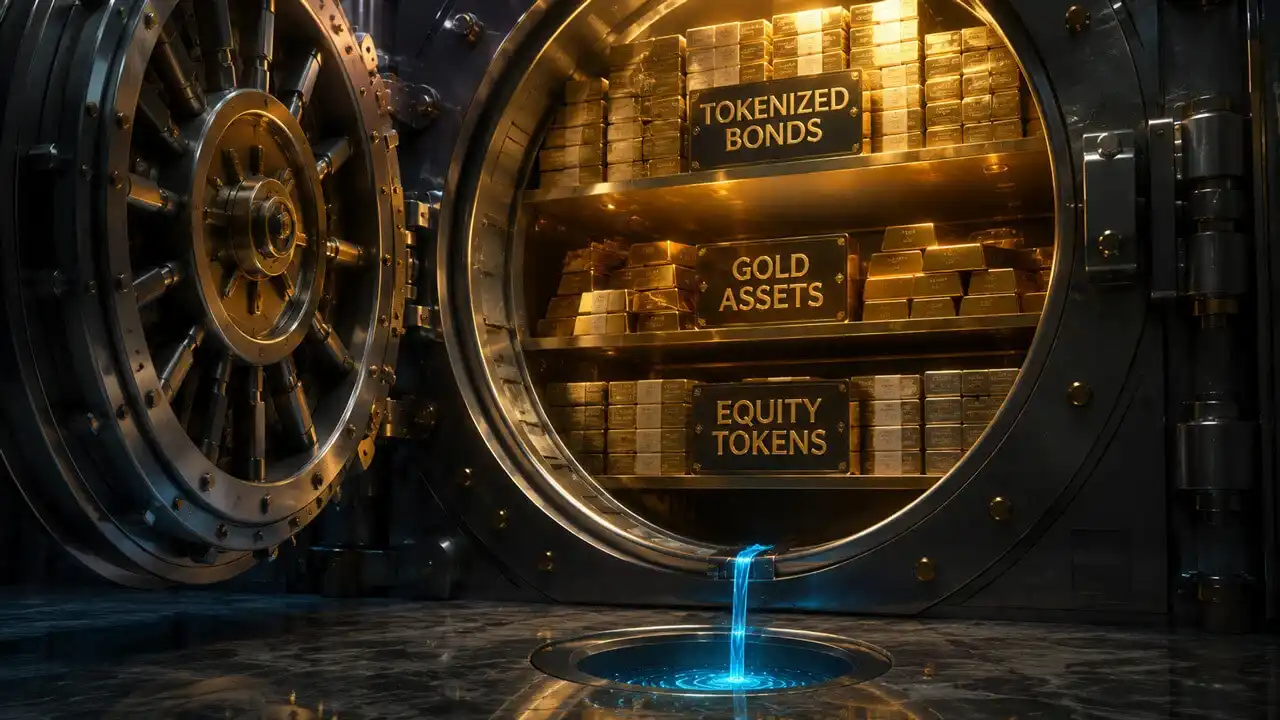
Данные DeFiLlama показывают, что общий объем токенизированных реальных активов (RWA) на блокчейне приближается к $300 млрд, однако только $24,7 млрд находятся в активном использовании в экосистеме DeFi (TVL). Большинство RWA, таких как облигации, фонды денежного рынка ($166+ млрд), золото и товары ($57 млрд) и акции ($27 млрд), практически не интегрированы в DeFi из-за своего разрешительного характера и ориентации на институциональных инвесторов.
Ключевым барьером является "разрешительная" архитектура продуктов, подобных фонду BUIDL от BlackRock, которая требует проверки инвесторов и оффчейн-согласований, что блокирует свободное взаимодействие с открытыми протоколами DeFi, такими как Aave или Uniswap.
Ярким исключением является сектор частного кредитования (например, Maple Finance, Centrifuge), где проникновение в DeFi достигает 39%, благодаря изначальной проектировке для DeFi. Успешные кейсы, такие как USDY от Ondo ($10+ млрд TVL), Morpho ($6,2+ млрд) и Aave Horizon, доказывают, что RWA могут быть полностью композиционными в DeFi, если с самого начала спроектированы для свободного обращения.
Отрасль разделилась на два пути: строго регулируемые "разрешительные" продукты и решения, совмещающие合规ность со свободой вторичного рынка. Эксперты прогнозируют рост проникновения RWA в DeFi с текущих 9% по мере смещения фокуса в сторону композиционности.
Однако, согласно прогнозам Standard Chartered и выводам IOSCO, основной рост токенизации до $2 трлн к 2028 году, вероятно, останется внутри традиционной финансовой системы из-за регуляторных требований, отсутствия единых стандартов и фундаментального конфликта между закрытыми структурами RWA и открытой логикой DeFi.
Таким образом, текущий рынок RWA представляет собой два раздельных мира: регулируемый "разрешительный" блокчейн-финансовый рынок и открытый композиционный рынок DeFi. Для преодоления разрыва необходима приоритизация архитектур, изначально поддерживающих свободное движение активов.
marsbit05/19 07:33