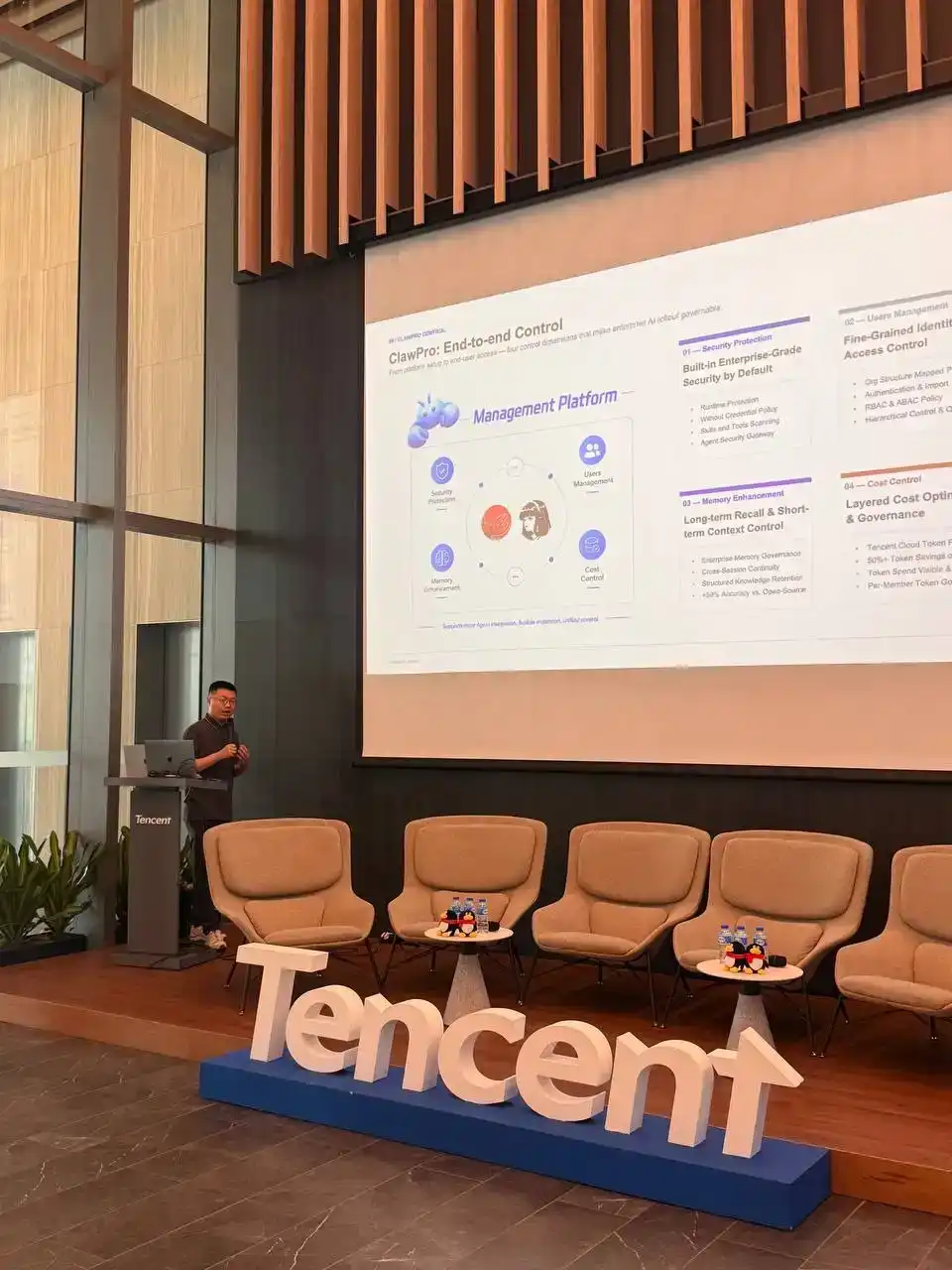
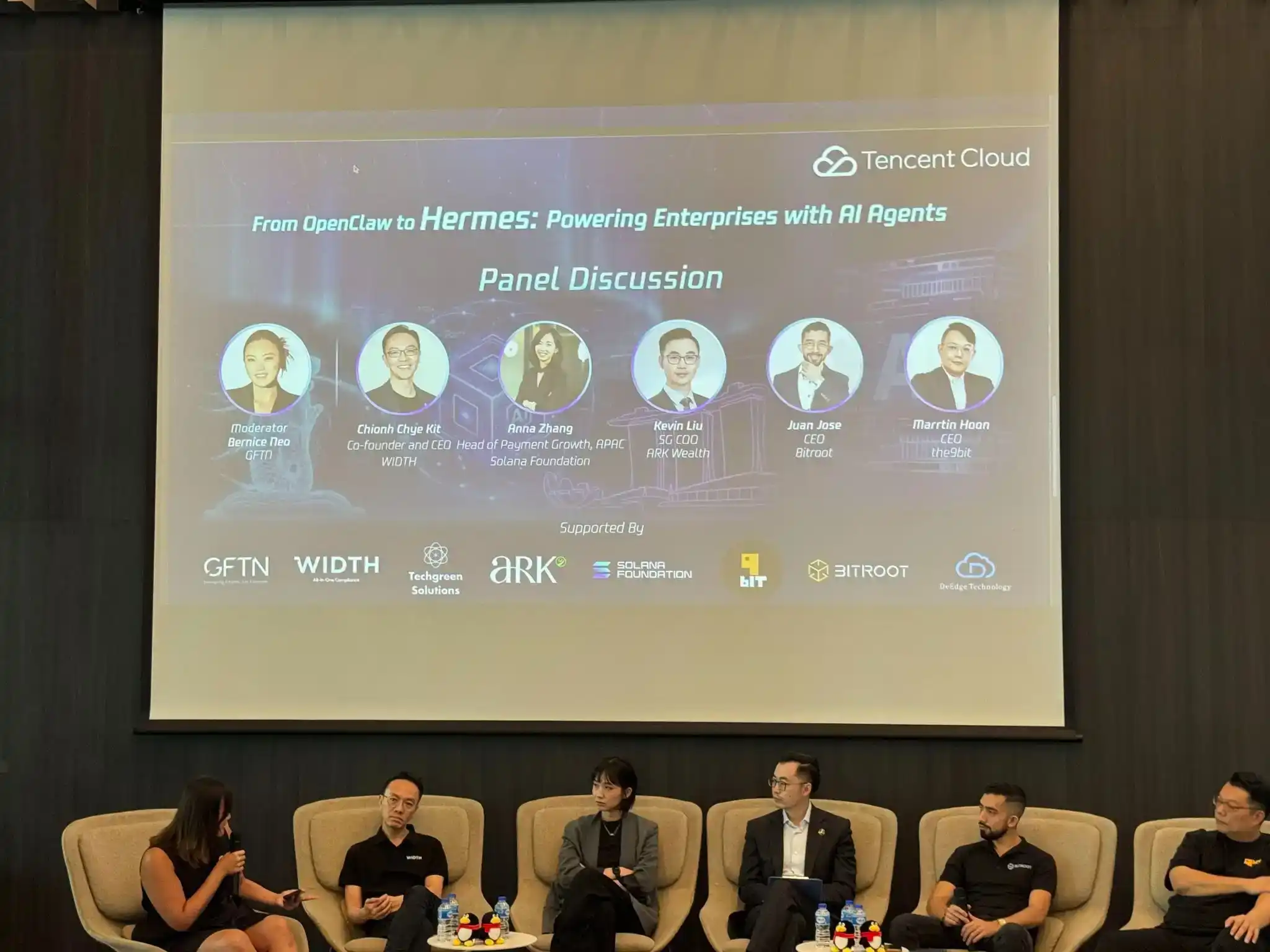
19 мая в Сингапуре состоялось тематическое мероприятие по искусственному интеллекту, организованное Tencent Cloud. На мероприятии обсуждались такие вопросы, как инфраструктура ИИ, внедрение ИИ на уровне предприятий, AI Agent, верифицируемые вычисления в Web3 и финтех. В мероприятии приняли участие многочисленные представители отрасли из областей облачных сервисов, экосистем блокчейнов, платежных сетей, финтех-компаний и инвестиционных учреждений.
Будучи важным финансовым и технологическим узлом Азии, Сингапур в последние годы продолжает оставаться ключевой точкой для компаний в сфере ИИ, Web3 и цифровых финансов, разворачивающих свою деятельность на рынке Юго-Восточной Азии. Выбор Tencent Cloud в пользу Сингапура для проведения тематического мероприятия по ИИ также отражает растущий интерес крупных облачных провайдеров к сочетанию внедрения приложений ИИ, сервисов вычислительных мощностей, корпоративных решений и новой цифровой инфраструктуры.
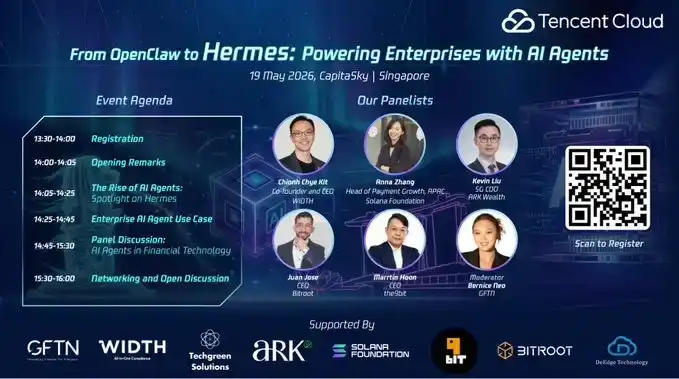
Согласно информации о мероприятии, среди спикеров были Чжоу Кайлунь, директор по облачным вычислениям Tencent Cloud; Анна Чжан, руководитель отдела роста платежей в Азиатско-Тихоокеанском регионе Фонда Solana; Хуан Хосе, генеральный директор Bitroot; Чён Чай Кит, соучредитель и генеральный директор WIDTH; Мартин Хун, генеральный директор the9bit; и Кевин Лю, операционный директор ARK Wealth Singapore.
Судя по списку участников, это мероприятие было не просто презентацией отдельных продуктов ИИ, а межотраслевым обменом мнениями на тему «Как ИИ может сочетаться с облачными сервисами, платежными сетями, блокчейн-инфраструктурой и финтехом». Tencent Cloud представляет возможности Web2 в области облачных вычислений и корпоративных сервисов, Solana представляет зрелую экосистему блокчейна и исследования в области платежей на блокчейне, а финтех-компании и управляющие активами представляют потребности в применении ИИ в реальных бизнес-сценариях. На этом фоне Bitroot, как развивающийся проект блокчейна, ориентированный на высокопроизводительную архитектуру Layer 1, изначально заточенную под ИИ, был приглашен для участия, что сделало его одной из заметных инфраструктурных представителей Web3 на этом мероприятии.
За крупным мероприятием по ИИ: инфраструктура Web3 снова в центре обсуждений
За последний год акцент в индустрии ИИ постепенно сместился с конкуренции моделей на внедрение в бизнес, управление данными, рабочие процессы агентов и автоматизированное принятие решений. Для облачных провайдеров и финтех-организаций коммерциализация ИИ зависит не только от самих моделей, но и от целого набора инфраструктурных возможностей: вычислительных мощностей, данных, разрешений, безопасности и механизмов аудита.
Это также объясняет, почему инфраструктура Web3 начала включаться в обсуждения об ИИ. По мере того как AI Agent эволюционируют от «инструментов диалога» к «субъектам исполнения», в будущем им может потребоваться вызов API, инициирование платежей, управление активами, завершение расчетов и даже участие в многосторонних процессах совместной работы. В этих сценариях традиционные централизованные системы и верифицируемая инфраструктура на блокчейне могут стать взаимодополняющими.
Возможности, предоставляемые блокчейном, такие как программируемые активы, автоматизированные расчеты, проверяемость состояния и возможности аудита на блокчейне, как раз соответствуют проблемам доверия, с которыми сталкиваются AI Agent в финансовых, платежных и корпоративных сценариях сотрудничества. Таким образом, само по себе включение представителей экосистемы блокчейнов, облачных сервисов, роста платежей и финтеха в единое поле для дискуссий на мероприятии Tencent Cloud в Сингапуре посылает сигнал: конкуренция на следующем этапе развития ИИ переходит от точечных технологических возможностей к конкуренции комплексной инфраструктуры.
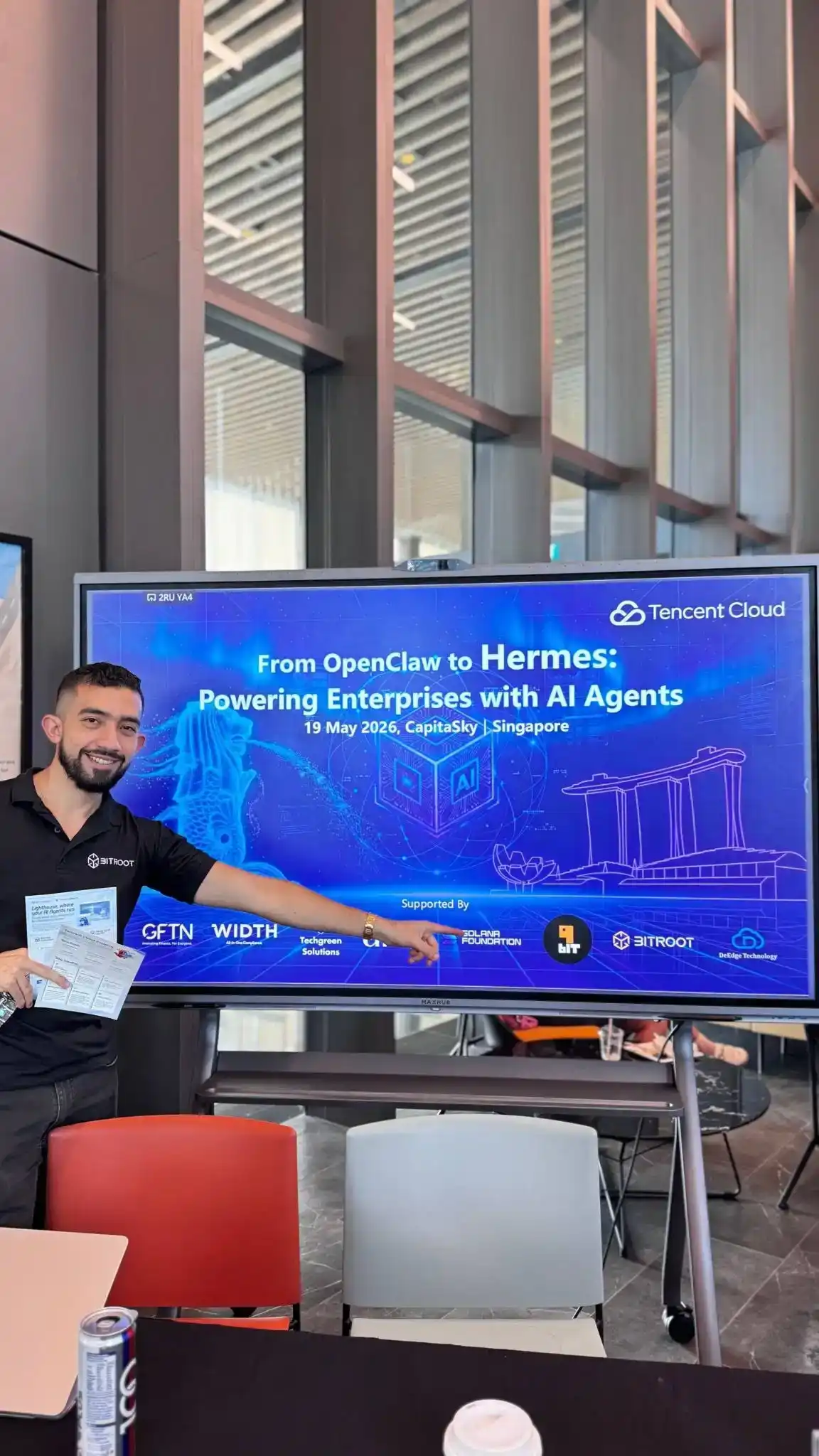
Почему был приглашен еще не запущенный Bitroot?
Для Bitroot это приглашение имеет определенную репрезентативность. В отличие от таких блокчейнов, как Solana, у которых уже есть зрелая основная сеть и большая экосистема, Bitroot в настоящее время все еще находится на стадии тестовой сети и развития экосистемы до запуска основной сети. То, что развивающийся проект Web3, еще не запустивший основную сеть, смог попасть в список участников мероприятия Tencent Cloud по ИИ в Сингапуре, указывает на то, что, по крайней мере, его технологическое направление и повествовательный подход уже привлекли внимание некоторых игроков отрасли.
С точки зрения логики отрасли, причина приглашения Bitroot, вероятно, заключается не в текущем размере экосистемы, а в том, что выбранное им инфраструктурное направление довольно хорошо соответствует потребностям эпохи ИИ.
Во-первых, для AI Agent и автоматизированного исполнения на блокчейне требуется более производительная базовая сеть. Традиционные блокчейны все еще имеют определенные ограничения в пропускной способности, задержках и стоимости, в то время как AI Agent в будущем могут создавать более частые, непрерывные и автоматизированные потребности во взаимодействии. Это означает, что базовый блокчейн должен обладать более высокой способностью к параллельной обработке и более низкой стоимостью исполнения.
Во-вторых, совместимость для разработчиков по-прежнему является ключом к тому, сможет ли новый блокчейн создать экосистему. Выбор Bitroot пути совместимости с EVM означает, что он не пытается заставить разработчиков полностью перейти в незнакомую среду, а стремится предоставить среду исполнения с более высокой производительностью, сохраняя при этом инструментарий разработчика Ethereum. Для нового блокчейна, находящегося на ранней стадии, такой путь помогает снизить сложность холодного старта экосистемы.
В-третьих, архитектура, изначально заточенная под ИИ, становится важным направлением дифференциации для проектов инфраструктуры нового поколения. В отличие от простого акцента на TPS или комиссиях за транзакции, Bitroot делает больший упор на AI Agent, приложения для автоматизации на блокчейне и сценарии верифицируемого исполнения. Такая позиционирование облегчает его вхождение в дискурс о слиянии ИИ и Web3, а не просто превращает его в еще один высокопроизводительный блокчейн.
Таким образом, с точки зрения отраслевого наблюдения, это, по крайней мере, указывает на то, что некоторые участники рынка облачных сервисов, финтеха и экосистемы Web3 начинают обращать внимание на новые инфраструктурные проекты, еще не запустившие основную сеть, особенно на сети Layer 1, разработанные с учетом изначальной ориентации на ИИ, высокопроизводительное исполнение и совместимость для разработчиков.
Обсуждение на одной сцене с блокчейном Solana повышает ценность наблюдения за новыми Layer 1
На этом мероприятии участие Анны Чжан, руководителя отдела роста платежей в Азиатско-Тихоокеанском регионе Фонда Solana, добавило в конференцию перспективу зрелой экосистемы блокчейна и платежей на блокчейне. Solana в последние годы продолжает продвигаться в направлении высокопроизводительных блокчейнов, платежей и массовых приложений, став важным образцом в области инфраструктуры Web3.
Сам факт участия Bitroot в обсуждениях на одной сцене с такими представителями зрелых экосистем, как Solana, имеет значение для наблюдения. Это отражает, что на фоне слияния ИИ и Web3 отрасль обращает внимание не только на блокчейны, которые уже набрали масштаб, но и на новые переменные, которые могут появиться в инфраструктуре следующего поколения.
Для новых Layer 1, таких как Bitroot, то, что основная сеть еще не запущена, означает, что их технологический путь все еще находится на этапе формирования. Если их дизайн, включающий параллельное исполнение, совместимость с EVM и изначальную ориентацию на ИИ, будет подтвержден в ходе последующих тестовых сетей и основной сети, то у него есть шанс занять дифференцированную позицию в таких сценариях, как AI Agent, автоматизированное исполнение на блокчейне и высокочастотные приложения.
Особенно с учетом того, что ИИ постепенно становится основной темой отрасли, требования рынка к блокчейнам могут измениться. В прошлом конкуренция блокчейнов в основном вращалась вокруг DeFi, NFT, GameFi и выпуска активов, в будущем же она может все больше вращаться вокруг исполнения агентами, расчетов на блокчейне, автоматизированных финансов, вызова данных и верифицируемых вычислений. То, что Bitroot вступает в отраслевые обсуждения именно в этот момент, и является причиной, по которой на него стоит обратить внимание.
Хуан Хосе: Конкуренция в ИИ сместится с моделей на данные, сценарии и доверие
В ходе круглого стола генеральный директор Bitroot Хуан Хосе заявил, что в будущем разрыв между компаниями в области ИИ может определяться уже не просто конкуренцией по производительности моделей или масштабу параметров, а совокупной конкуренцией по данным, сценариям и механизмам доверия.
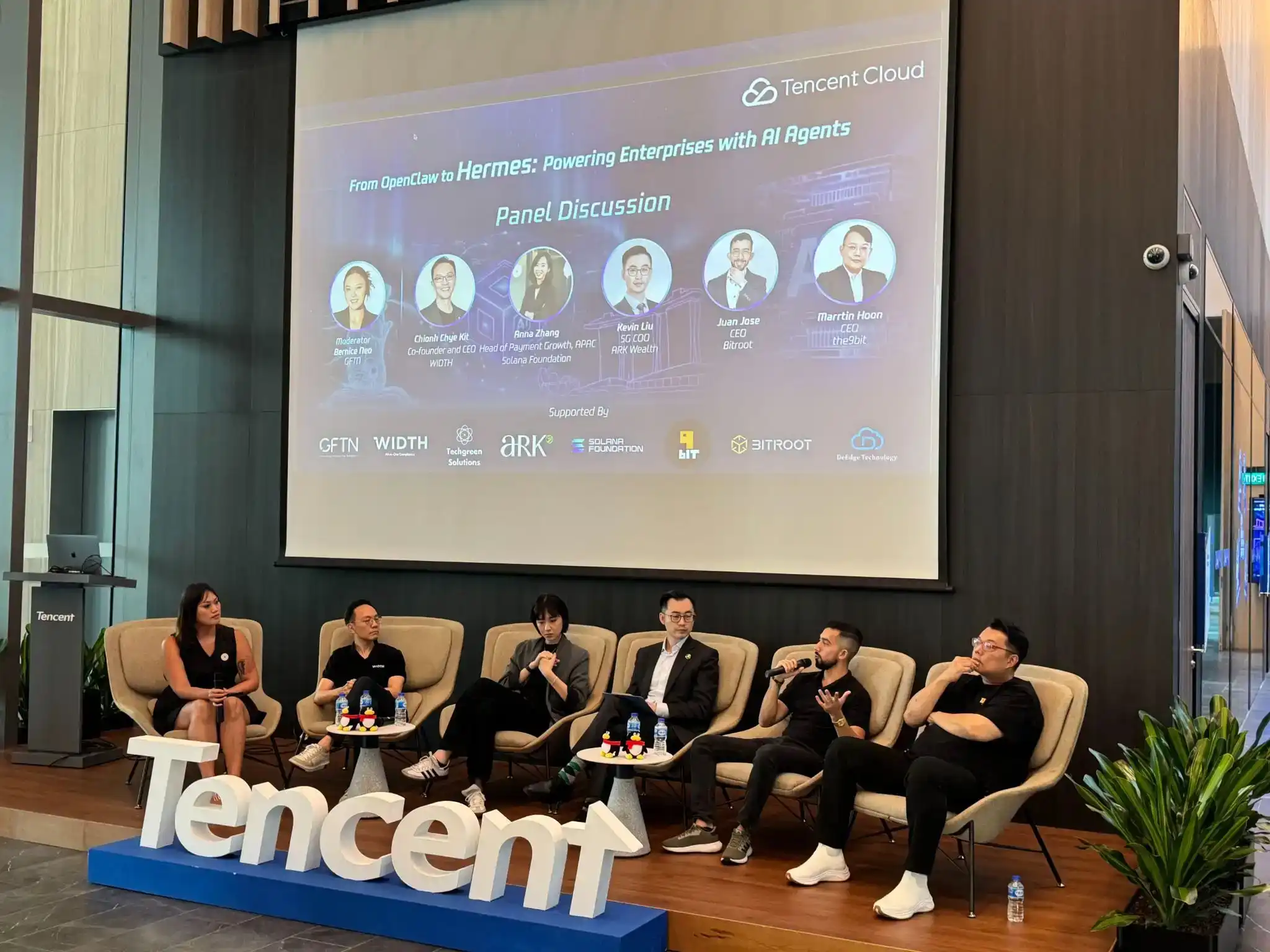
По его мнению, по мере непрерывной итерации открытых и закрытых моделей сами возможности моделей ускоряются в превращении в товар массового потребления. По-настоящему долгосрочный и эффективный барьер для компаний проистекает из наличия высококачественных отраслевых данных, возможности глубоко проникать в конкретные бизнес-процессы, а также способности устанавливать долгосрочное доверие на уровне пользователей и организаций.
Это суждение согласуется с текущими тенденциями в индустрии ИИ. Все больше компаний начинают осознавать, что ценность ИИ заключается не только в генерации контента или ответах на простые вопросы, а в способности интегрироваться в реальные бизнес-процессы и постоянно давать результаты в контролируемой, поддающейся аудиту и оценке среде.
Хуан Хосе далее отметил, что внедрение ИИ на корпоративном уровне по-прежнему сталкивается с такими проблемами, как надежность, инфраструктура данных и организационные изменения. Особенно в высокорисковых сценариях, таких как финансы, платежи и аудит, системы ИИ не могут стремиться только к максимуму возможностей, они также должны соответствовать требованиям стабильности, контроля разрешений и аудита.
AI Agent нуждаются в высокопроизводительной и верифицируемой среде исполнения
AI Agent стали еще одним важным направлением обсуждения на этом мероприятии. Хуан Хосе заявил, что отрасль все еще находится на этапе «вспомогательных агентов», и до настоящего корпоративного уровня автономии потребуется время. Причина в том, что как только Agent интегрируется в корпоративные системы, он столкнется с такими проблемами, как накопление ошибок в многошаговых задачах, безопасность и разрешения, юридическая ответственность и объяснимость.
Однако в долгосрочной перспективе направление развития AI Agent уже относительно ясно. В будущем Agent не только будут давать рекомендации, но и смогут вызывать сервисы, управлять учетными записями, инициировать транзакции, выполнять стратегии и завершать расчеты. Это означает, что базовая инфраструктура должна поддерживать более частое взаимодействие и более надежное исполнение.
В этом отношении технологический нарратив Bitroot тесно связан с потребностями отрасли. Согласно информации от проекта, Bitroot следует пути совместимости с EVM и повышает эффективность исполнения на блокчейне за счет таких решений, как оптимистичный параллельный EVM и механизм консенсуса Pipeline BFT, ставя целью предоставление высокопроизводительной и недорогой среды исполнения на блокчейне для AI Agent, DeFi и приложений Web3.
Для сценариев «ИИ + Web3» производительность — это не просто технический показатель, а предпосылка для жизнеспособности приложений. Если каждая операция Agent требует высоких комиссий и длительного времени подтверждения, то многие сценарии автоматизации будет сложно масштабировать. Напротив, среда исполнения на блокчейне с низкой задержкой, низкой стоимостью и высокой пропускной способностью может стать важной основой для выхода AI Agent в реальные приложения.
Этап тестовой сети станет ключевым окном проверки для Bitroot
Bitroot в последнее время также продвигает тестовую сеть и строительство инфраструктуры экосистемы. Согласно информации проекта, его тестовая сеть перешла на этап 5.0, и соответствующие обновления затрагивают такие аспекты, как производительность сети, межсетевые компоненты, развертывание приложений экосистемы и оптимизация узлов.
Судя по данным тестовой сети, Bitroot уже продемонстрировал способность к технологической реализации: количество адресов в тестовой сети превысило 1 000 000+, среднесуточный объем транзакций в блокчейне превышает 50 000+, пиковая TPS достигает 50 000+, среднее время блока составляет около < 0,3 секунды.
Для нового блокчейна, еще не запустившего основную сеть, этап тестовой сети имеет двойное значение. С одной стороны, это окно проверки технологического пути, где разработчики могут наблюдать за производительностью сети, совместимостью контрактов, зрелостью инструментария и стабильностью узлов. С другой стороны, это также важный этап холодного старта экосистемы, когда пользователи сообщества и разработчики могут участвовать в строительстве сети через раннее взаимодействие.
Наблюдение отрасли: конкурентный ландшафт высокопроизводительных блокчейнов, изначально заточенных под ИИ
Из обсуждений на этом саммите видно, что сочетание ИИ и Web3 переходит от концептуального нарратива к конкретным проблемам на уровне инфраструктуры. В этом направлении разные проекты выбрали разные технологические пути:
Solana отличается высокой скоростью исполнения и зрелой экосистемой, создав большое сообщество разработчиков и экосистему DeFi; Monad фокусируется на оптимизации производительности параллельного EVM; Aptos реализует оптимистичное параллельное исполнение через Block-STM. А дифференциация Bitroot заключается в том, что он не просто стремится к предельному прорыву в производительности блокчейна, но и изначально интегрирует вычислительные возможности ИИ в базовую архитектуру цепочки — от доказательства полезной работы на уровне консенсуса до параллелизованного EVM на уровне исполнения и распределенной сети для обучения и вывода на уровне приложений, создавая полный стек децентрализованного ИИ.
Для проектов инфраструктуры нового поколения ключевым вопросом будущей конкуренции станет то, как поддерживать более сложные вызовы приложений ИИ, сохраняя при этом характеристики безопасности и децентрализации.
Заключение
Судя по сигналам, исходящим с тематического саммита по ИИ в Сингапуре, ИИ становится главной темой следующего этапа эволюции технологической индустрии, а новые потребности, возникающие вокруг AI Agent, автоматизированных финансов, данных на блокчейне и верифицируемого исполнения, предъявляют более высокие требования к базовой инфраструктуре.
Высокопроизводительная инфраструктура — это не нарративный выбор отдельного проекта, а неизбежное направление в процессе масштабирования приложений ИИ и Web3. Bitroot входит в эту нишу с полной стековой архитектурой «параллелизованный EVM + изначально заточенная под ИИ вычислительная сеть», и его появление на саммите Tencent Cloud на одной сцене с такими зрелыми экосистемами, как Solana, демонстрирует технологическую глубину и амбиции отрасли нового поколения блокчейнов для ИИ.
В будущем базовые сети, способные одновременно обеспечить производительность, совместимость, безопасность и возможности верификации, с большей вероятностью смогут поддерживать сценарии приложений следующего поколения и занять ключевые позиции в долгосрочном тренде слияния ИИ и блокчейна. За развитием Bitroot стоит продолжать следить.
О Bitroot
Bitroot — это проект блокчейна Layer 1, ориентированный на параллельное исполнение и архитектуру, изначально заточенную под ИИ. Bitroot следует технологическому пути, совместимому с EVM, и исследует возможности предоставления высокопроизводительной и недорогой среды исполнения на блокчейне для AI Agent, DeFi и приложений Web3 с помощью механизмов параллельного исполнения, оптимизации консенсуса и проектирования интерфейсов, связанных с ИИ.