Рекордная выручка, значительное повышение прогнозов — Marvell представила впечатляющие результаты.
После закрытия торгов на фондовом рынке США 27 мая лидер в области пользовательских ИИ-чипов, оптических коммуникаций и соединений для дата-центров Marvell опубликовал финансовые результаты за первый квартал 2027 финансового года и провел телеконференцию по итогам квартала. Бизнес в сегменте дата-центров продолжает бурно расти, компания в очередной раз существенно повысила годовой прогноз. Генеральный директор Мэтт Мёрфи на телеконференции прямо заявил: «Наш бизнес в сегменте дата-центров зашкаливает», «заказы исключительно сильны».
Выручка Marvell в первом квартале 2027 фингода составила 2,418 млрд долларов США, что на 28% больше по сравнению с аналогичным периодом прошлого года и на 9% больше по сравнению с предыдущим кварталом, немного превысив ожидания аналитиков в 2,41 млрд долларов. Прибыль на акцию по не-GAAP составила 0,80 доллара, что соответствует прогнозам аналитиков. Однако чистая прибыль по GAAP составила 34,5 млн долларов, что значительно ниже 177,9 млн долларов за аналогичный период прошлого года, в основном из-за единовременных расходов и безналичной амортизации, связанных с приобретением Celestial AI и XConn.
Бизнес в сегменте дата-центров принес выручку в размере 1,83 млрд долларов, что составляет 76% от общей выручки, рост на 27% в годовом исчислении и на 11% в квартальном.
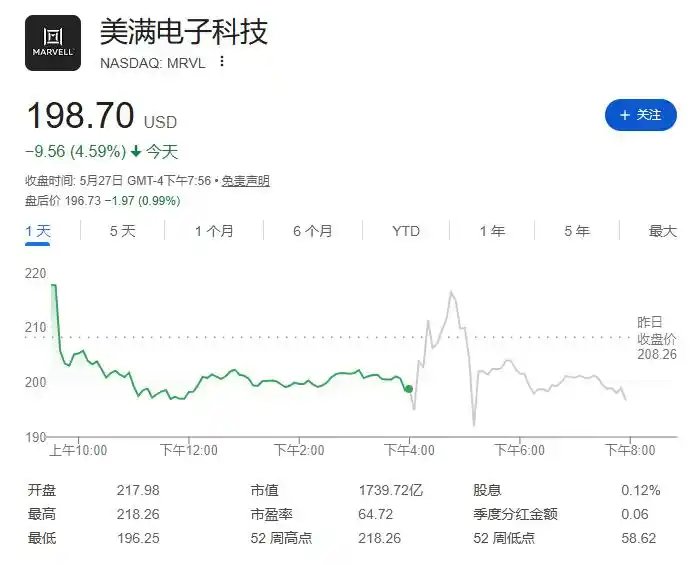
После публикации отчетности и проведения телеконференции акции компании незначительно снизились примерно на 1%. С начала года и до публикации отчетности акции выросли более чем вдвое, и на фоне высоких ожиданий одного лишь «соответствия прогнозам» оказалось недостаточно, чтобы впечатлить рынок.
01
«Заказы, связанные с ИИ, слишком сильны»: Marvell вновь повышает финансовый прогноз
Это уже несколько кварталов подряд, когда Marvell повышает свои прогнозы.
Что касается прогноза на второй квартал 2027 фингода, компания ожидает выручку примерно в 2,7 млрд долларов США (плюс-минус 5%), что примерно на 35% больше, чем годом ранее, и превышает предыдущие ожидания аналитиков в 2,6 млрд долларов. Прогноз по прибыли на акцию по не-GAAP составляет от 0,88 до 0,98 доллара, в то время как аналитики ранее ожидали 0,90 доллара.
В отношении годового прогноза Marvell повысила ожидания по выручке на 2027 фингод до примерно 11,5 млрд долларов, что означает рост примерно на 40%. Три месяца назад компания давала прогноз «около 11 млрд долларов».
Еще большее внимание привлекли ожидания на 2028 финансовый год. Marvell повысила целевой показатель выручки на 2028 фингод до примерно 16,5 млрд долларов, что примерно на 1,5 млрд долларов выше прогноза предыдущего квартала, что соответствует росту примерно на 45%.
Генеральный директор Мэтт Мёрфи в своем заявлении по итогам квартала отметил: «Мы наблюдаем исключительно сильный спрос на заказы, связанные с ИИ, поэтому мы существенно повышаем прогнозы выручки Marvell на 2027 и 2028 финансовые годы, что значительно выше прогнозов, предоставленных в прошлом квартале.»
02
Дата-центры: 76% от общей выручки, темпы роста ускоряются
Выручка от дата-центров в первом квартале составила 1,83 млрд долларов, рост на 27% в годовом исчислении и на 11% в квартальном, что составляет 76% от общей выручки.
Прогноз Marvell по темпам роста этого бизнеса:
2026 фингод: +46% (уже достигнуто)
2027 фингод: примерно +50%
2028 фингод: примерно +55%
Мёрфи заявил:
Бизнес в сегменте дата-центров в огне (зашкаливает). Мы ожидаем ускорения роста выручки в этом и следующем году, причем исходя из уже высокого базового уровня.
03
Бизнес по сетевому взаимодействию: рост с 30% → 50% → 70%, CEO говорит, что «есть пространство для дальнейшего повышения»
Бизнес по обеспечению сетевого взаимодействия (Interconnect) для ИИ-дата-центров является крупнейшей частью бизнеса Marvell в области дата-центров и охватывает такие продуктовые линейки, как оптическое взаимодействие, модули DCI, когерентная оптика.
Ожидаемые годовые темпы роста этого бизнеса последовательно повышались в течение последних нескольких кварталов: примерно 30% в сентябре прошлого года, затем до 50%, а теперь снова до более 70%.
На вопрос аналитика Мёрфи прямо ответил:
Я считаю, что здесь существует значительный потенциал для дальнейшего повышения. Наш традиционный бизнес DSP значительно вырастет в следующем году, линейка продуктов 1,6T имеет более высокую ценность, DCI ускоряется, а также новые направления бизнеса, такие как ретаймеры, AEC, и масштабируемая восходящая оптика (scale-up optics)... Это начало нашего значительного цикла роста.
Почему бизнес по сетевому взаимодействию внезапно стал настолько важным? Мёрфи дает четкую логику:
Ранние генеративные ИИ в основном решали проблемы с производительностью вычислений и памятью, а сетевое взаимодействие было второстепенной задачей. Однако с развертыванием более сложных архитектур, таких как модели логического вывода, смешанные экспертные модели (MoE) и другие, объем передачи данных внутри ИИ-кластеров резко возрастает, что значительно повышает важность сетевого взаимодействия.
Несколько ключевых цифр:
Чипы TIA и драйверы: ожидается, что в ближайшие несколько кварталов квартальная выручка превысит уровень в 1 млрд долларов в годовом исчислении.
Бизнес модулей DCI: уже поставляет продукцию пяти крупнейшим гиперскалерам в США, ожидается, что годовая выручка в 2028 фингоду превысит 1 млрд долларов, что примерно вдвое больше, чем в 2026 фингоду (около 500 млн долларов).
Масштабируемая восходящая оптика (NPO/CPO оптическое взаимодействие): ранее ожидалось около 150 млн долларов, сейчас прогноз повышен, ожидается, что в 2028 фингоду превысит 300 млн долларов.
04
Пользовательские чипы (XPU): удвоение в следующем году, цель на 2029 год — более 100 млрд долларов
Бизнес Marvell по производству пользовательских чипов (Custom/XPU) — еще одно важное направление роста, которое также вызывает наибольший интерес на рынке.
Текущий прогресс:
Выручка от пользовательских чипов в 2027 фингоду: рост более чем на 20% в годовом исчислении.
Выручка от пользовательских чипов в 2028 фингоду: ожидается удвоение в годовом исчислении, выше прогноза предыдущего квартала.
Цель на 2029 фингод: более 100 млрд долларов (ранее цель составляла около 80 млрд долларов).
Аналитик Вивек Аря (Bank of America Securities) на телеконференции спросил: означает ли это, что выручка от пользовательских чипов в 2028 фингоду составит более 4 млрд долларов, а затем в 2029 фингоду вырастет до 10 млрд долларов, то есть прирост за один год составит более 5-6 млрд долларов?
Ответ Мёрфи был: Да, вы правильно поняли.
Три драйвера роста пользовательских чипов в 2028 фингоду:
Продолжающийся рост существующего флагманского проекта XPU.
Более 10 дополнительных проектов XPU (NIC, CXL и др.) переходят на более высокие стадии серийного производства, спрос продолжает превышать ожидания.
Новый ведущий проект XPU выходит на стадию серийного производства — Мёрфи заявил, что «проект успешно продвигается, план производства на весь год утвержден».
Мёрфи также сообщил, что хотя новые выигранные проекты обычно требуют около двух лет цикла разработки, прежде чем они начнут приносить выручку, их значение заключается в обеспечении гарантий для более долгосрочного роста, что он назвал «страховым полисом».
05
Расширение сотрудничества с NVIDIA, реализация по трем направлениям
В этом квартале Marvell объявила о расширении стратегического партнерства с NVIDIA. Мёрфи на телеконференции подробно рассказал о трех основных направлениях:
1. Сотрудничество в области оптического взаимодействия: Marvell давно поставляет NVIDIA DSP, TIA и драйверы. Теперь стороны расширяют сотрудничество в области разработки кремниевой фотоники, которая считается ключевой технологией для масштабируемых (scale-up) сетей.
2. Интеграция NVLink Fusion: Позволяет Marvell создавать пользовательские чипы и сетевые полупроводники, которые могут легко интегрироваться с инфраструктурой NVIDIA. Мёрфи заявил, что это дает гиперскалерам большую гибкость, позволяя свободно комбинировать пользовательские чипы и чипы NVIDIA. «Marvell уникальным образом обеспечивает мост между этими двумя архитектурами», что создаст новые рыночные возможности для обеих сторон.
3. AI-RAN: Marvell усовершенствует свой процессор для базовых станций Octeon, чтобы он мог напрямую взаимодействовать с GPU NVIDIA, выполняя одновременно рабочие нагрузки 5G/6G и ИИ-приложения на одной аппаратной платформе.
06
Цепочка поставок: заблаговременное резервирование производственных мощностей, предоплата поставщикам в этом году составит около 1 млрд долларов
В условиях постоянно растущего спроса управление цепочкой поставок становится ключевым фактором.
Финансовый директор Виллем Мейнтджес на телеконференции сообщил, что компания планирует осуществить предоплату поставщикам на сумму около 1 млрд долларов США в 2027 фингоду. Первые платежи начнутся во втором квартале, и эти авансы будут засчитываться в счет будущих закупок материалов.
Главный операционный директор Крис Купманс, отвечая на вопрос аналитика, объяснил стратегию Marvell в области цепочки поставок:
Все, что связано с ИИ, изначально ограничено поставками. Наш подход заключается в установлении очень тесных отношений с небольшим числом ключевых поставщиков, предоставлении им пятилетних прогнозов спроса, выполнении наших обязательств каждый раз и поддержке наших прогнозов реальными действиями и предоплатами.
Что касается финансовых показателей, операционный денежный поток в первом квартале достиг рекордных 639 млн долларов. Компания выкупила акции на сумму 200 млн долларов и выплатила дивиденды на 54 млн долларов. По состоянию на конец первого квартала общий долг составил 4,96 млрд долларов, соотношение чистого долга к EBITDA — 0,32 раза.
Эта статья из WeChat-аккаунта «华尔街见闻Max», автор: Лун Юэ