Arthur Hayes' Latest In-Depth Article: Forget Wars and Inflation, the AI Bubble Is the Biggest Opportunity

marsbitОпубликовано 2026-05-12Обновлено 2026-05-12

Введение

In his latest article "The Butterfly Touch," Arthur Hayes argues that the massive capital expenditure (CAPEX) fueling the global AI race, driven by US-China technological competition and nationalism, is creating unprecedented dollar and renminbi liquidity. This monetary expansion, combined with inflationary pressures from geopolitical conflicts like the US-Iran war, is creating a perfect environment for Bitcoin and cryptocurrencies. Hayes believes foreign nations, threatened by supply chain disruptions, will increasingly shift savings from dollar assets to real infrastructure and commodities, forcing the US to maintain loose financial conditions to support its markets. He predicts Bitcoin, backed by "trillions of dollars and yuan that have yet to be printed," is poised for a significant rally, potentially back to $126,000, with the bullish trend accelerating past $90,000. While acknowledging a potential shift in US political sentiment against AI and inflation around the 2028 election, Hayes remains aggressively bullish for now. He advocates investing in cryptocurrencies, specifically mentioning his allocations to Hyperliquid ($HYPE), Zcash ($ZEC), and an upcoming focus on $NEAR due to its "privacy narrative" and potential for a major rally.

Original Author: Arthur Hayes, Co-founder of BitMEX

Original Translation: BitpushNews

Editor's Note: In Arthur Hayes' latest article "The Butterfly Touch," it is anticipated that US dollar and Renminbi liquidity will continue to rise, benefiting Bitcoin and cryptocurrencies.

AI Optimism
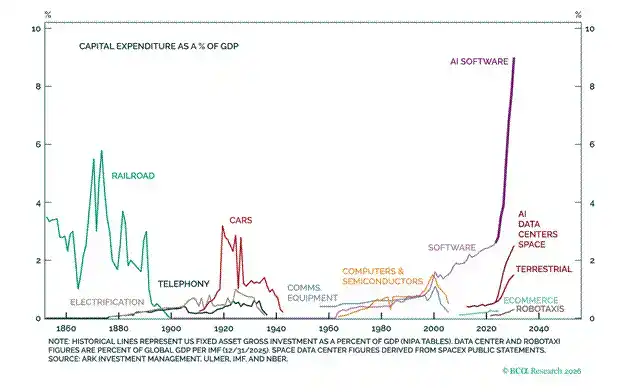
The capital expenditure (CAPEX) supporting AI model training and inference is unprecedented in human civilization. Many believe that this investment in intelligence will create value for humanity unlike any previous technological construction. I agree; however, as humans, we always tend to overdo things. In this universe, positive infinity and perfection are unattainable. Therefore, in anticipating a machine intelligence-driven future, we are likely to overbuild.

AI advocates cite nationalism as a reason for lavish spending, but patriotism should not have a price tag... Both the US and China believe that AI and technological hegemony are crucial to the survival of their domains.

Tech giants are also very happy to sell them horror stories: what will happen to this country if the other side gains hegemony in machine intelligence first. Objectively speaking, both leaders have witnessed firsthand how the proliferation of AI and drones can lead to victory and are convinced of it. Therefore, they will ensure that the primary economic and military objective is to further build the most efficient machine intelligence within their borders.
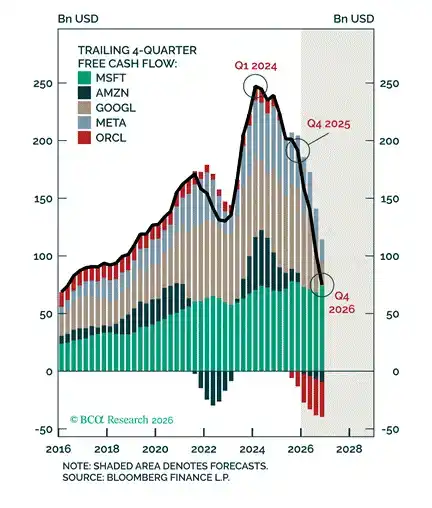
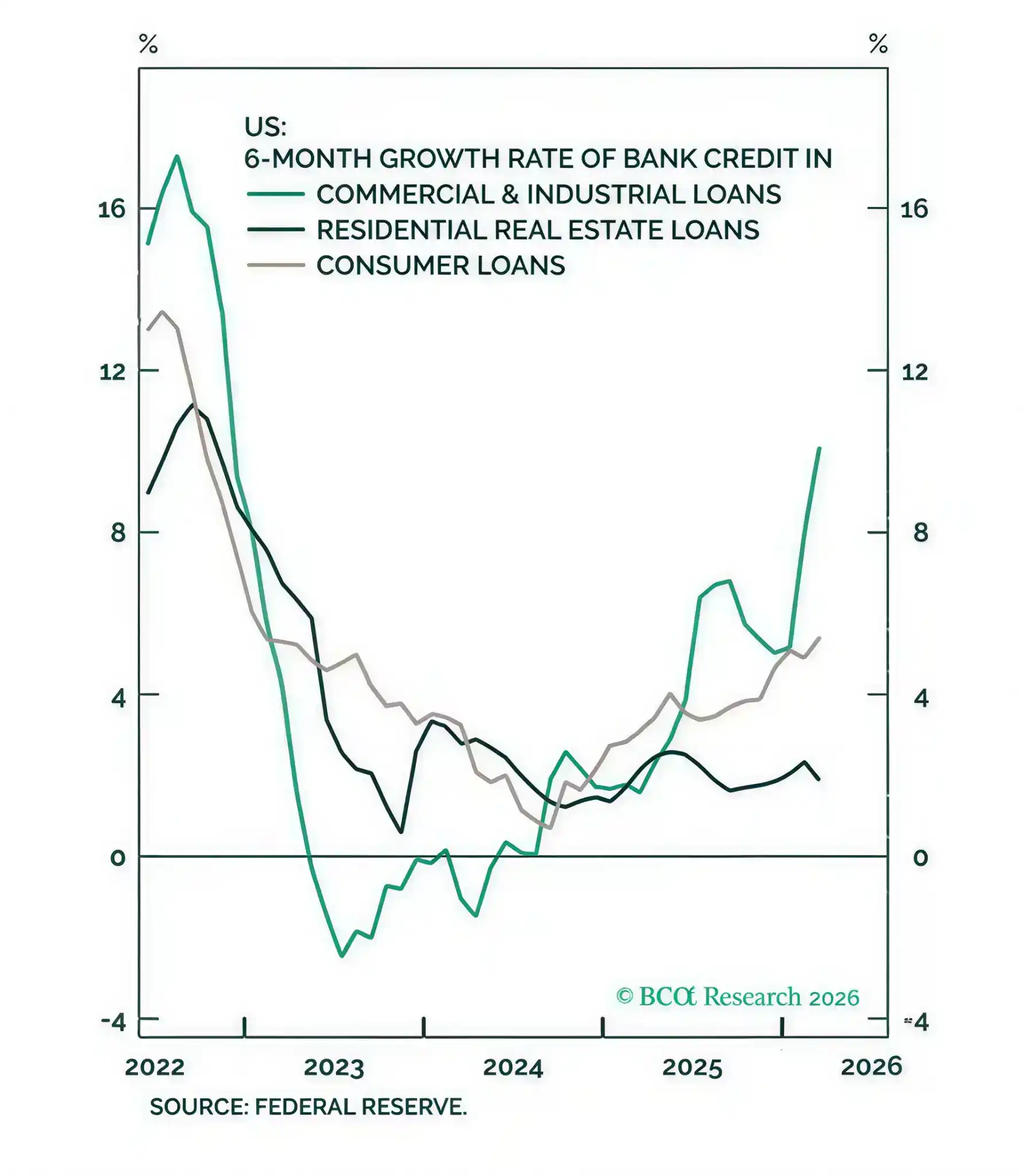
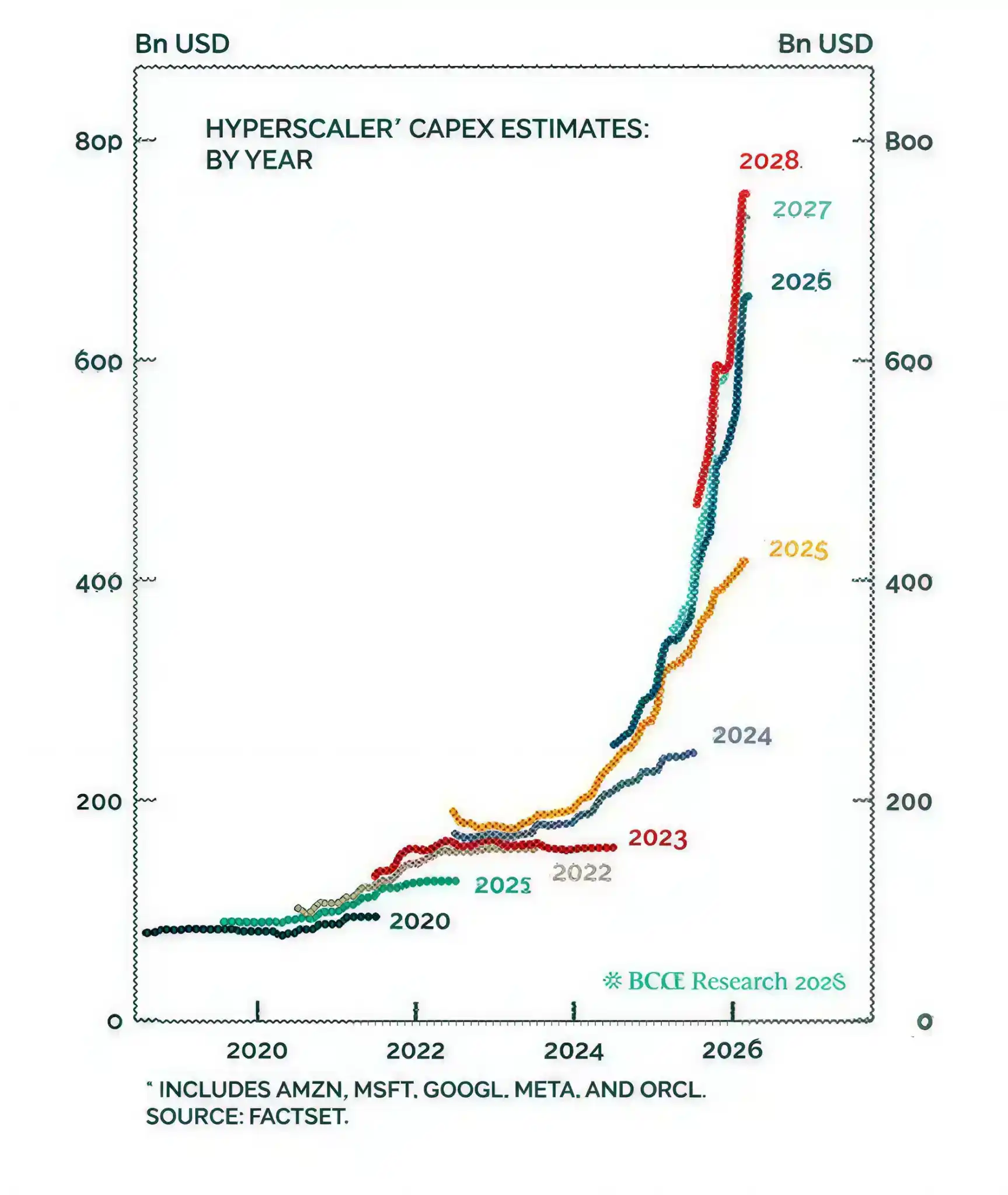
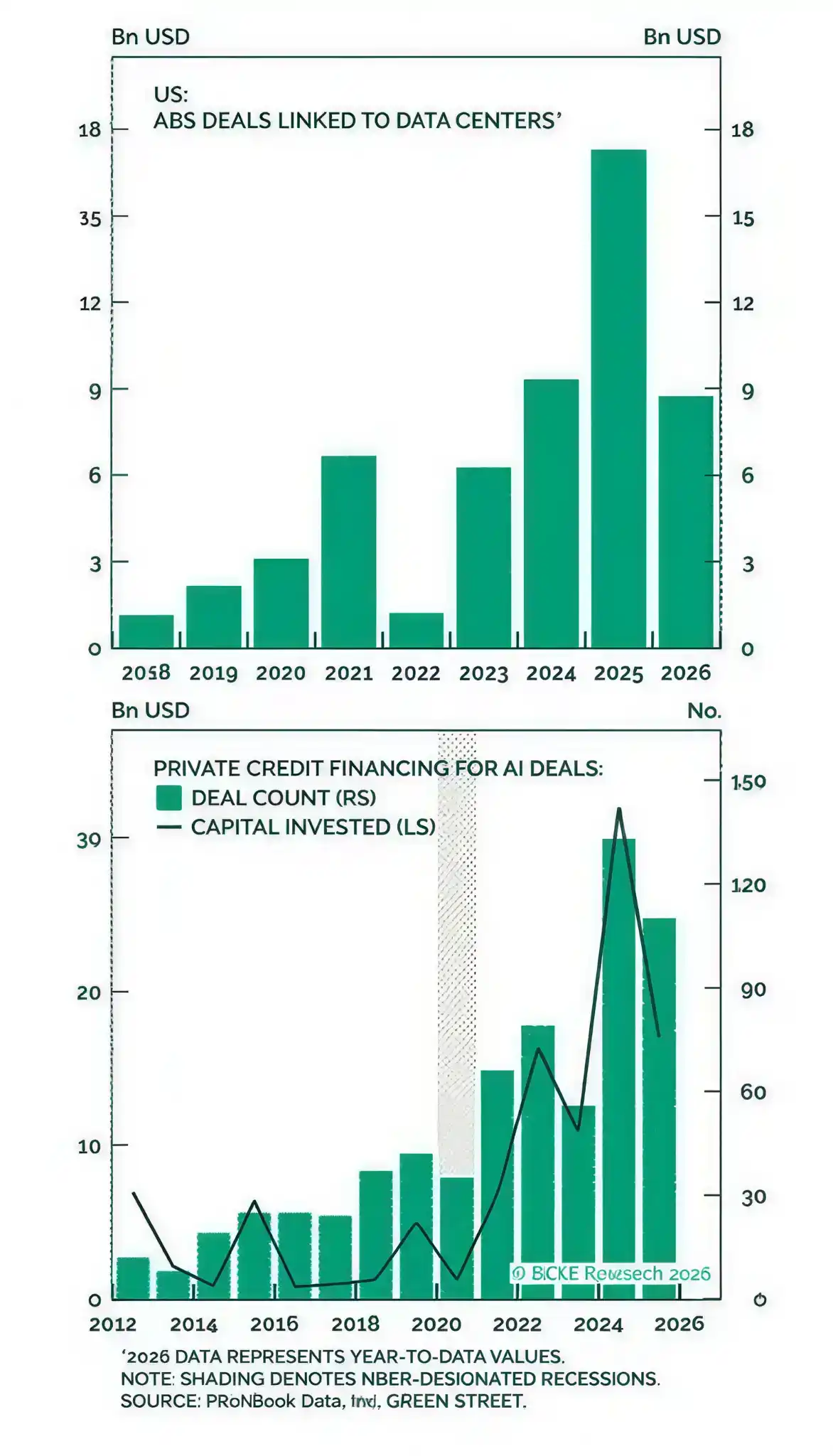
In the United States, most AI CAPEX to date has come from the operating cash flow of the most profitable software companies. But considering the scale of current and future expenditures, additional financing through credit channels will be needed.
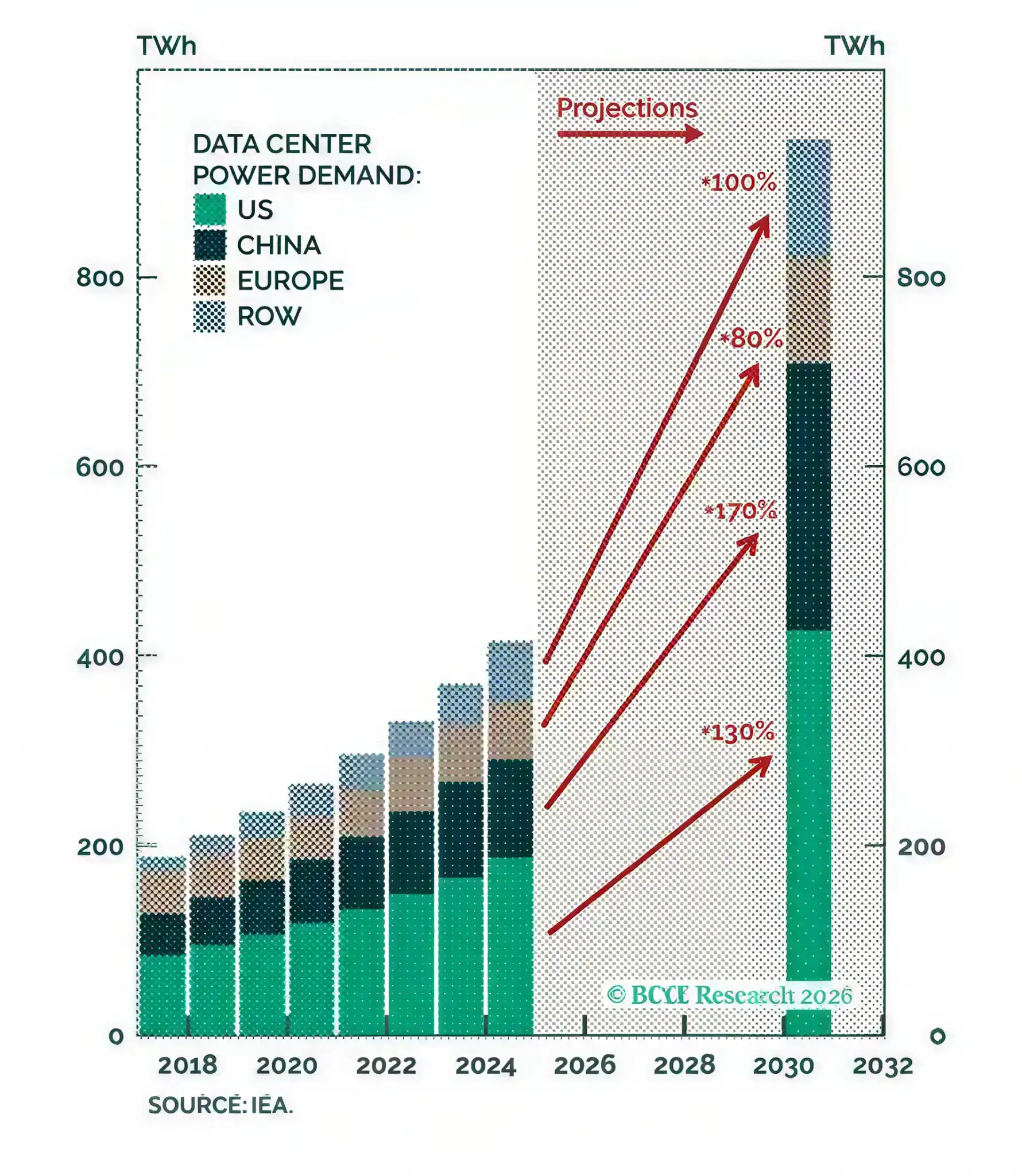
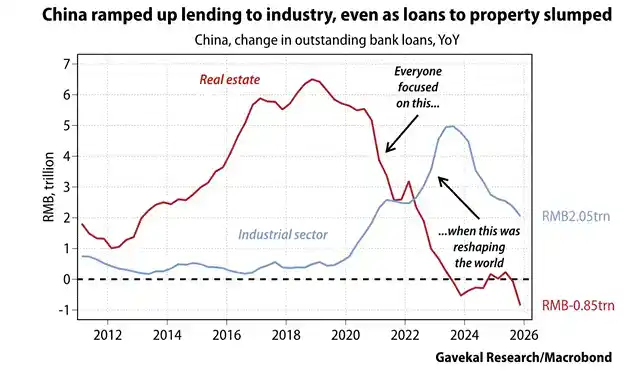
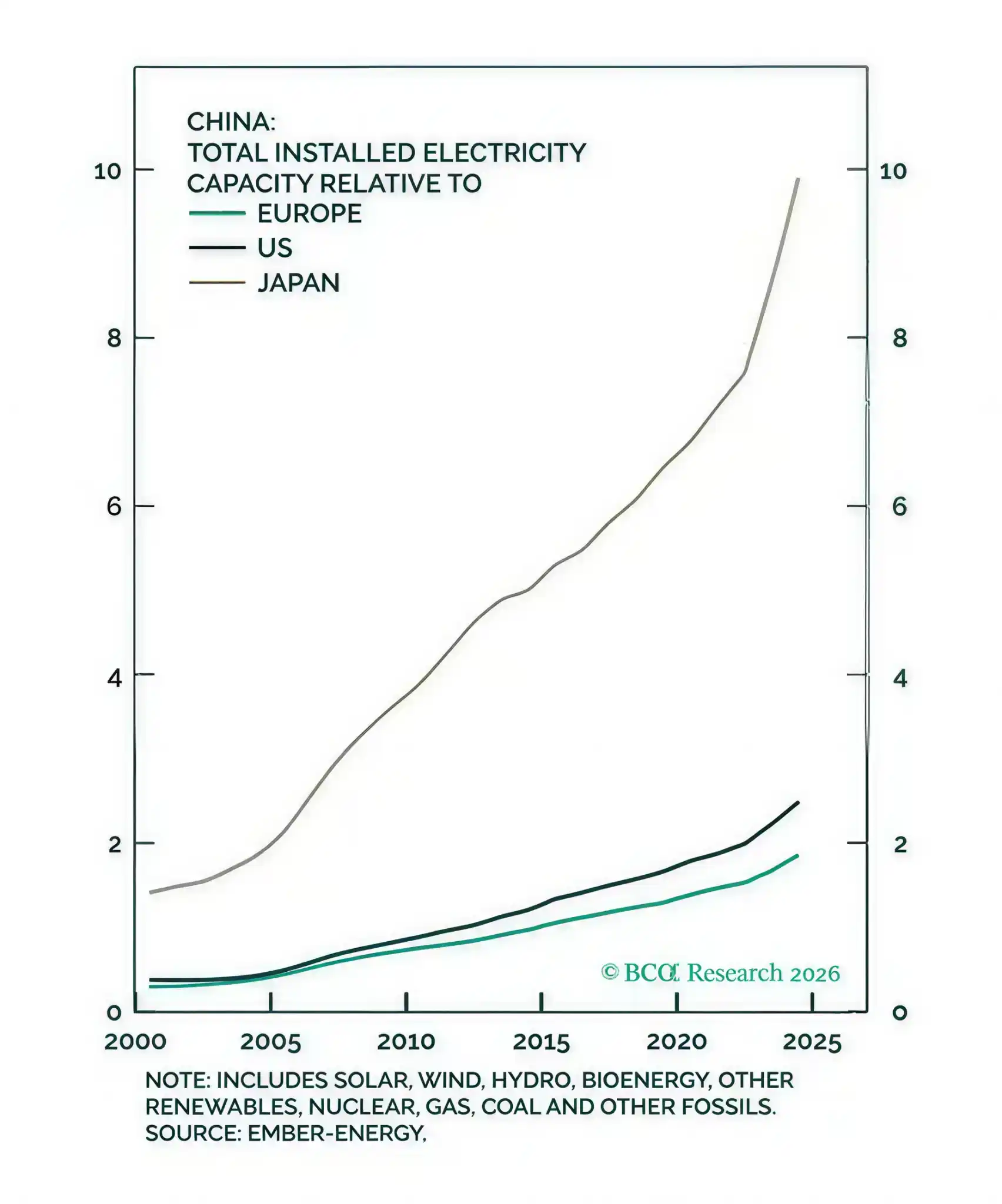
In China, banks are slowing down funding for real estate and instead funding the technology sector. In addition to data center-related expenditures, both the US and China are continuously investing funds to increase power supply.
That is to say, central banks are all creating more fiat currency and easing financial conditions.
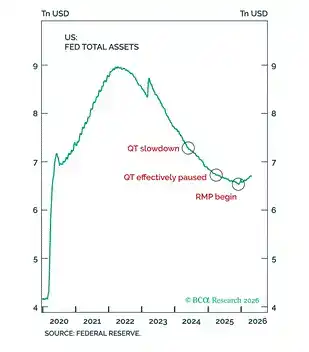
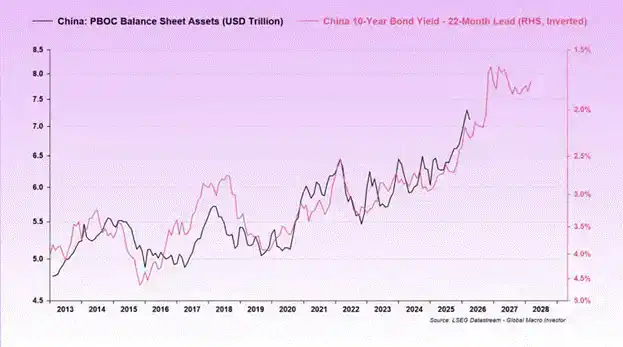
The combination of political will (to win the AI race) and financial will (to fund construction through printing money and lending) creates a perfect environment for cryptocurrency. There will be far more fiat currency units tomorrow than today, and due to the surge in AI and electrification expenditures, the rate of change is accelerating. As the cost per unit of intelligence decreases and the complexity of tasks performed by AI increases, this means computational power consumption grows exponentially; this is the essence of "Jevons' Paradox."

Additionally, there is the "Red Queen Effect": as competitors improve model efficiency, a company's invested AI CAPEX quickly depreciates. This leads to a race to increase spending further to create better models to defeat opponents, while also making the hundreds of billions (soon trillions) invested by opponents obsolete. Therefore, unless hindered by exogenous market events, AI CAPEX spending will expand indefinitely.

When Will This Frenzy End?

I believe two events will occur almost simultaneously, changing people's perception of the necessity of spending trillions on building AI.

Market Indigestion: The occurrence of a massive and financially irresponsible AI-related IPO or mega-merger that the market cannot stomach. This will sober the market from its manic phase, and people will start questioning whether machine intelligence is truly worth this much money.

Shift in Political Winds: The 2028 US election. The increase in prices of raw materials, labor, and especially electricity due to massive AI construction is not popular in many regions. Furthermore, 90% of Americans do not hold significant amounts of stock and cannot benefit from soaring stock prices. Politically, it is very easy to campaign by being anti-AI, focusing on the value of human labor, and suppressing inflation.

But at this moment, US dollar and Renminbi liquidity will continue to rise. Bitcoin and cryptocurrencies will benefit from this.

Every Nation Sweeps Its Own Doorstep

Trump bombs Iran, fundamentally unconcerned about the war's impact on the global economy. Or perhaps he cares, but the assumption that this year's "special military operation" would lead to a quick victory has proven overly optimistic. The US possesses God-given cheap energy (fossil fuels) and fertile farmland. Things might get expensive, but Americans will not starve even if the Strait of Hormuz is partially closed—unless politicians decide to spend money on Fallujah instead of food stamps.

But the people of Europe, Africa, and much of Asia are less fortunate. Unfortunately, the political elites of these countries mistakenly believe that US politicians will consider their lack of food and energy when deciding whether to launch another war threatening the flow of basic commodities. Trusting the US, these countries stored their surpluses in US dollar financial assets instead of building pipelines, trade routes, or stockpiling necessities.

Marco Papic of BCA Research puts it best:

"The entire globe—literally—is wired for US hegemony... Why is German defense insufficient against Russia? Because... the US. Why do most Gulf states have little energy transport infrastructure bypassing the Strait of Hormuz? Because... the US. Why is global manufacturing concentrated in China? Because... the US."

Due to an inability to access fertilizer or fuel, investment decisions in these countries will undergo dramatic changes. Holding US Treasuries or S&P 500 ETFs is meaningless when you cannot obtain food and energy because of a war you did not participate in. To remedy these deficiencies, sovereign nations will, in the future, marginally liquidate US dollar assets and instead invest in infrastructure, defense, and physical goods.
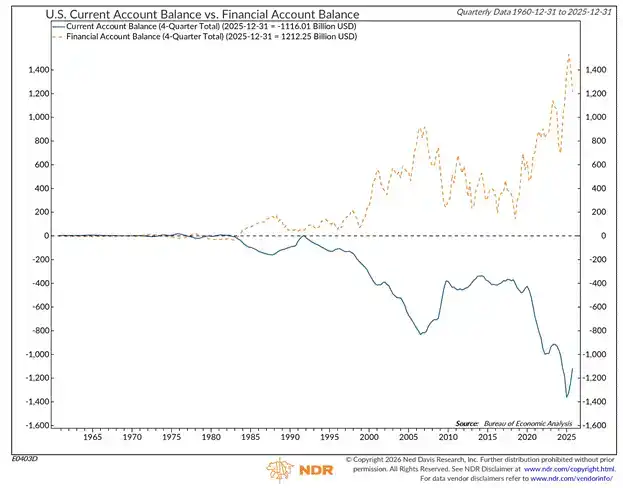
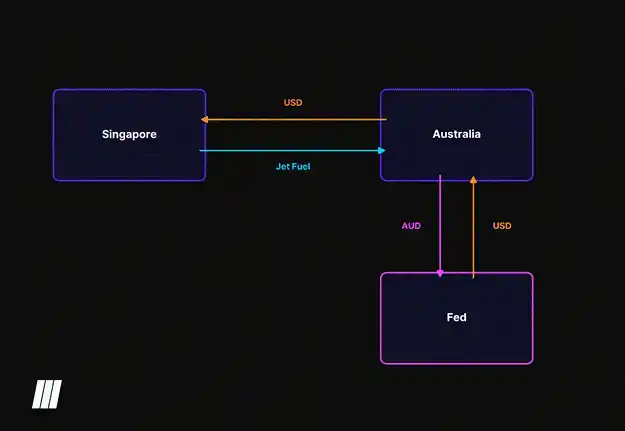
This is a problem for US financial markets due to the huge foreign ownership share. If left unchecked, the slow liquidation of US dollar assets will lead to market declines. US Treasury Secretary Bessent and other policymakers understand this. They have two options: encourage the use of US dollar swap lines or modify banking regulations.

"Bad" Australia: Sells US Treasuries to buy jet fuel.
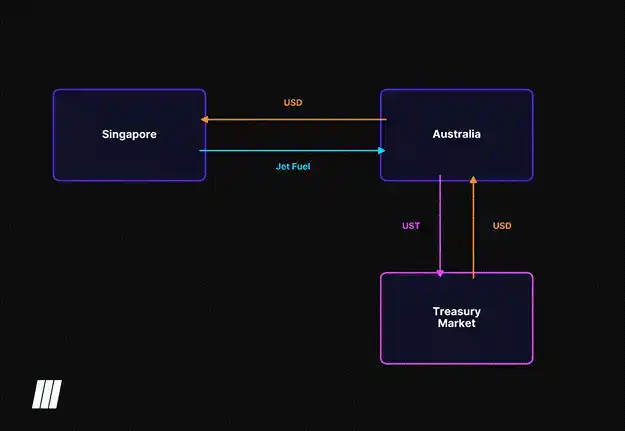
"Good" Australia: Borrows US dollars from the Fed to buy jet fuel.
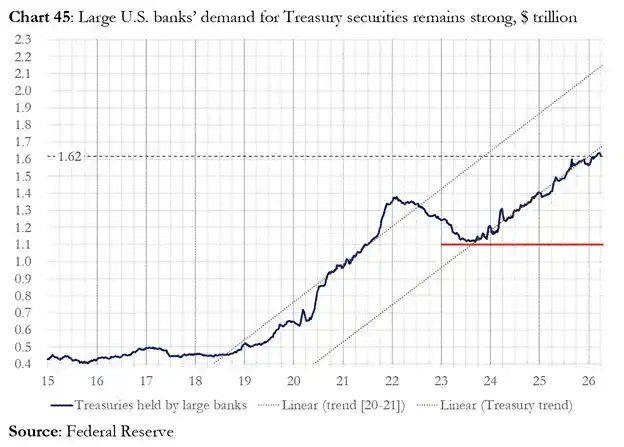
If US markets need more momentum to offset sovereign selling, regulations can be eased to allow banks to hold more US Treasuries and stocks. The relaxation of eSLR (Enhanced Supplementary Leverage Ratio) related capital requirements is a step in this direction.
Since the establishment of the Petrodollar system in the 1970s, saving surplus in US dollar assets has been "best practice." But today, holding US dollar assets no longer guarantees you a ship of fertilizer or oil. "Just-in-time" logistics is dead; "just-in-case" is here to stay. This is a structural trend that will last for decades. This means monetary policymakers must maintain loose financial conditions to fill the void left by foreigners investing their savings in physical infrastructure rather than "phantom US dollar financial assets."

Higher + Longer

War is inflationary, and the US-Iran conflict is no exception. AI CAPEX and infrastructure construction are excuses for increasing lending. Politicians support money printing due to real and perceived necessity. This is why Bitcoin has outperformed other major risk assets like gold and US tech stocks since February 28th.
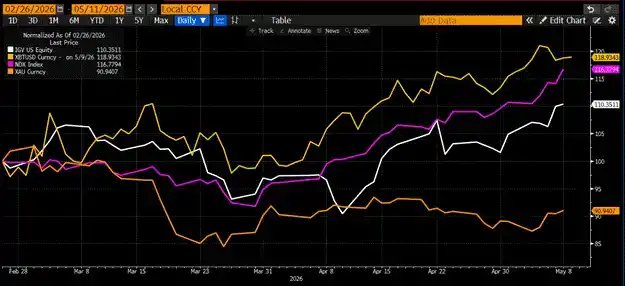
Bitcoin bottomed at $60,000 earlier this year, backed by trillions of US dollars and Renminbi yet to be created, and a return to $126,000 is a certainty. Many naysayers refuse to participate in this rally because Bitcoin's performance over the past 24 months has lagged behind tech stocks and gold. They don't understand why Bitcoin remains effective as a hedge against money printing. But it will demonstrate extreme sensitivity to fiat liquidity expansion. I expect the rally to intensify, becoming explosive once it breaks through $90,000 and many call option sellers are forced to cover.

I don't know how high Bitcoin can go, but I will set Maelstrom's portfolio risk to maximum unless a major change occurs. By the November midterm elections, US political sentiment towards AI and inflation could become very hostile, which might be a small hurdle in the ascent.

But remember: High oil prices don't hurt Trump as much as people think. MAGA is destined to lose in California (where energy policy leads to the highest gas prices in the US), but $100 crude and infrastructure reconstruction in Venezuela and the Middle East will benefit the oil and gas industries in states where Trump supporters reside. As long as money can be put in the pockets of ordinary Americans, Trump still has time to win re-election. So, let's go, baby, S&P 500 to 10,000!

It's time to play with Shitcoins. Besides Hyperliquid ($HYPE) and Zcash ($ZEC), which we are already heavily invested in, my next favorite is $NEAR. My next article will explain our thesis: why the "privacy narrative" combined with "Near Intents" will create positive cash flow for the protocol. This will completely reverse the token's sluggish price performance and create a massive catch-up opportunity, rapidly propelling it towards its all-time high from years ago.

It's a bull market; close your eyes and hit the buy button. There will be a time to sell, but it's not now. Don't mess it up, let's get crazy together.


Трендовые криптовалюты

Связанные с этим вопросы

QWhat is the main argument Arthur Hayes presents regarding the AI bubble and cryptocurrency?

AArthur Hayes argues that the massive capital expenditure (CAPEX) in AI, driven by US-China competition and funded by increased fiat liquidity (printing money), creates a perfect environment for cryptocurrencies like Bitcoin to rise. He believes this AI-driven money creation is the biggest opportunity, overshadowing concerns about war and inflation.

QAccording to Hayes, what are the two events that could potentially end the AI spending frenzy?

AHe identifies two potential events: 1) A market indigestion event, such as a massive, financially irresponsible AI-related IPO or merger that the market cannot absorb, causing a reality check. 2) A political shift, particularly the 2028 US election, where rising costs (materials, labor, electricity) due to AI build-out could make an anti-AI, pro-human labor, anti-inflation platform politically attractive.

QHow does the 'Jevons Paradox' relate to AI spending according to the article?

AThe 'Jevons Paradox' is mentioned to explain that as the cost per unit of intelligence falls and AI performs more complex tasks, the total computational power (and thus energy/capital) consumption grows exponentially. This, combined with the 'Red Queen Effect' (needing to spend more to keep up with competitors), leads to potentially infinite expansion of AI CAPEX.

QWhy does Hayes suggest that countries outside the US might start selling dollar assets?

AHe argues that wars (like the US-Iran conflict) threaten the flow of essential commodities (food, energy) to countries in Europe, Africa, and Asia. Since holding US financial assets (like Treasuries) doesn't guarantee access to these physical goods, sovereign nations will be forced to liquidate dollar assets to invest in physical infrastructure, defense, and commodity stockpiles for security, moving from 'just-in-time' to 'just-in-case' logistics.

QWhat specific cryptocurrency altcoins does Arthur Hayes mention being bullish on, besides Bitcoin?

AHe mentions being heavily invested in Hyperliquid ($HYPE) and Zcash ($ZEC). He also states that his next favorite is $NEAR, citing an upcoming article that will argue the 'privacy narrative' combined with 'Near Intents' will generate positive cash flow for the protocol and create a significant catch-up rally.

Похожее

В результате взлома Coldcard, одного из крупнейших взломов биткоин-кошельков за последнее время, началась новая волна убытков! Убытки растут

В результате взлома Coldcard, одного из крупнейших взломов биткоин-кошельков за последнее время, произошла третья волна атак. Исследовательская компания Galaxy Research сообщает, что из кошельков, созданных на этих устройствах, было выведено еще 207,73 BTC. Общие потери теперь составляют около 1367 BTC (примерно 88,6 млн долларов США) по 4585 адресам. Первые две волны атак демонстрировали схожие черты, что указывало на одного злоумышленника. Однако третья волна отличается по методам: используются отдельные адреса для каждой жертвы, адреса P2WSH вместо P2WPKH, и атака нацелена на стандартный путь генерации. Это может означать либо модификацию инструментов первоначальным взломщиком, либо появление нового. Похищенные биткоины, общая стоимость которых оценивается в 88,6 млн долларов, пока не были потрачены злоумышленниками. Анализ показывает, что потери в основном пришлись на кошельки с небольшим балансом, что характерно для индивидуальных пользователей, а не институциональных сервисов. Уязвимое ПО Coldcard было выпущено 17 марта 2021 года, и все украденные средства были созданы после этой даты.

cryptonews.ru58 мин. назад

В результате взлома Coldcard, одного из крупнейших взломов биткоин-кошельков за последнее время, началась новая волна убытков! Убытки растут

cryptonews.ru58 мин. назад

Trump Media продаёт ещё 2628 BTC, запасы снижаются до 4261 BTC

Компания Trump Media & Technology Group (TMTG), стоящая за социальной сетью Truth Social, продолжает сокращать свои вложения в Bitcoin. По данным аналитической платформы Lookonchain, компания продала ещё 2628 BTC на сумму около 165 миллионов долларов через платформу Crypto.com. Это продолжение серии продаж, начавшихся семь месяцев назад. Всего за этот период TMTG продала 7281 BTC на общую сумму примерно 545 миллионов долларов по средней цене 74 855 долларов за монету. Первоначально компания приобрела 11542 BTC по средней цене 118 522 доллара. После последних транзакций её резервы сократились до 4261 BTC (около 269,8 миллиона долларов), что на 63% меньше изначальных холдингов. Эти продажи происходят на фоне усиленного внимания законодателей к криптовалютным интересам, связанным с Дональдом Трампом. В Конгрессе идут дебаты по закону CLARITY Act, который касается этических норм, владения цифровыми активами и потенциальных конфликтов интересов государственных лиц. Критики указывают на такие проекты, как мемкойны TRUMP и MELANIA, а также на токены World Liberty Financial, связывая политическое влияние с частными криптоинтересами.

cointelegraph1 ч. назад

Trump Media продаёт ещё 2628 BTC, запасы снижаются до 4261 BTC

cointelegraph1 ч. назад

Фуцзянь, Цзиньцзян: супер-единорог в сфере памяти тихо делает своё дело

В провинции Фуцзянь в городе Цзиньцзян, известном производством спортивной обуви, находится перспективная компания в области производства чипов памяти — Fujian Jinhua Integrated Circuit Co. (Jinhua). Основанная в 2016 году как часть национального плана по развитию полупроводниковой промышленности, компания столкнулась с серьёзными вызовами. В 2018 году она была внесена в санкционный список Министерства торговли США по обвинению в промышленном шпионаже в пользу американской компании Micron, что привело к остановке производственной линии. После пяти лет судебных разбирательств в феврале 2024 года федеральный суд в Сан-Франциско полностью оправдал Jinhua, сняв все обвинения. Несмотря на правовую победу, компания всё ещё остаётся в санкционном списке, а годы задержек серьёзно замедлили её развитие. Под руководством своего ключевого инженера Чэнь Чжэнкуня, известного как «мастер эффективности», компания сумела адаптировать производство, увеличив долю отечественного оборудования. В отличие от ChangXin Memory Technologies (CXMT) и Yangtze Memory Technologies (YMTC), которые продвинулись дальше в производстве DRAM и NAND-памяти соответственно, Jinhua сосредоточена на специализированной (нишевой) DRAM-памяти для потребительской электроники. Её текущая производственная мощность составляет около 40 000 пластин в месяц. Хотя её доход в 2023 году оценивался примерно в 2 млрд юаней, что значительно меньше, чем у конкурентов, компания остаётся важным игроком. История Jinhua тесно связана с амбициозной промышленной трансформацией города Цзиньцзян. Местные власти оказали компании полную поддержку, включая финансовые гарантии и создание кластера, что демонстрирует стратегическую важность проекта для региона. Несмотря на то, что Jinhua упустила первые годы бума на рынке памяти, её устойчивость в условиях санкций показывает потенциал для восстановления в новом цикле роста, движимом развитием искусственного интеллекта.

marsbit2 ч. назад

Фуцзянь, Цзиньцзян: супер-единорог в сфере памяти тихо делает своё дело

marsbit2 ч. назад

Почему биткойн-фермы внезапно стали новым входом для вычислительных мощностей ИИ на фоне дефицита электроэнергии в 38 ГВт?

Заголовок: Почему майнинговые фермы для биткоина внезапно стали новым входом для вычислительных мощностей ИИ на фоне дефицита электроэнергии в 38 ГВт? Краткое содержание: Когда конкуренция между центрами обработки данных ИИ сместилась с вопроса «кто купит больше GPU» к «кто раньше получит электроэнергию», некоторые майнинговые фермы для биткоина, ранее считавшиеся волатильными активами, начали трансформироваться в центры обработки данных для облачных провайдеров, используя свои готовые возможности подключения к сети, землю и трансформаторные подстанции. По расчетам Morgan Stanley, в период 2026-2028 годов в США может возникнуть дефицит электроэнергии для ЦОДов около 38 ГВт, и модернизация старых майнинговых ферм может обеспечить от 10 до 19 ГВт. Такие компании, как TeraWulf и Hut 8, переориентируются с добычи криптовалют на предоставление инфраструктуры («Powered Shell Provider»), предлагая клиентам из сферы ИИ критически важный ресурс — возможность быстрее конкурентов развернуть значительные вычислительные мощности. Ключевой ценностью становится не вычислительная мощность для майнинга, а дефицитный доступ к электросетям, получение которого «с нуля» в некоторых регионах США теперь может занять 5-7 лет.

华尔街日报2 ч. назад

Почему биткойн-фермы внезапно стали новым входом для вычислительных мощностей ИИ на фоне дефицита электроэнергии в 38 ГВт?

华尔街日报2 ч. назад

Майкл Сэйлор: «Мы никогда не говорили, что никогда не будем продавать биткоины»

Председатель стратегической комиссии Майкл Сэйлор прокомментировал сообщения о новом разрешении компании Strategy на продажу биткоинов. Он заявил, что данное разрешение не является новым — оно было объявлено ещё 29 июня в рамках системы управления капиталом компании. Соглашение позволяет продавать BTC на сумму до 5 миллиардов долларов для определённых целей, но не обязывает компанию к продаже. Сэйлор подчеркнул, что Strategy никогда официально не брала на себя обязательство никогда не продавать свои биткоины, хотя и рассчитывает оставаться чистым покупателем BTC в долгосрочной перспективе. Он назвал текущие новости «старыми», переподанными как новые, и подтвердил, что программа монетизации биткоинов компании не предполагает обязательной продажи её активов.

cryptonews.ru3 ч. назад

Майкл Сэйлор: «Мы никогда не говорили, что никогда не будем продавать биткоины»

cryptonews.ru3 ч. назад

Торговля

Спот

Популярные статьи

Неделя обучения по популярным токенам (2): 2026 может стать годом приложений реального времени, сектор AI продолжает оставаться в тренде

2025 год — год институциональных инвесторов, в будущем он будет доминировать в приложениях реального времени.

1.9k просмотров всегоОпубликовано 2025.12.16Обновлено 2025.12.16

Неделя обучения по популярным токенам (2): 2026 может стать годом приложений реального времени, сектор AI продолжает оставаться в тренде

Обсуждения

Добро пожаловать в Сообщество HTX. Здесь вы сможете быть в курсе последних новостей о развитии платформы и получить доступ к профессиональной аналитической информации о рынке. Мнения пользователей о цене на AI (AI) представлены ниже.

活动图片