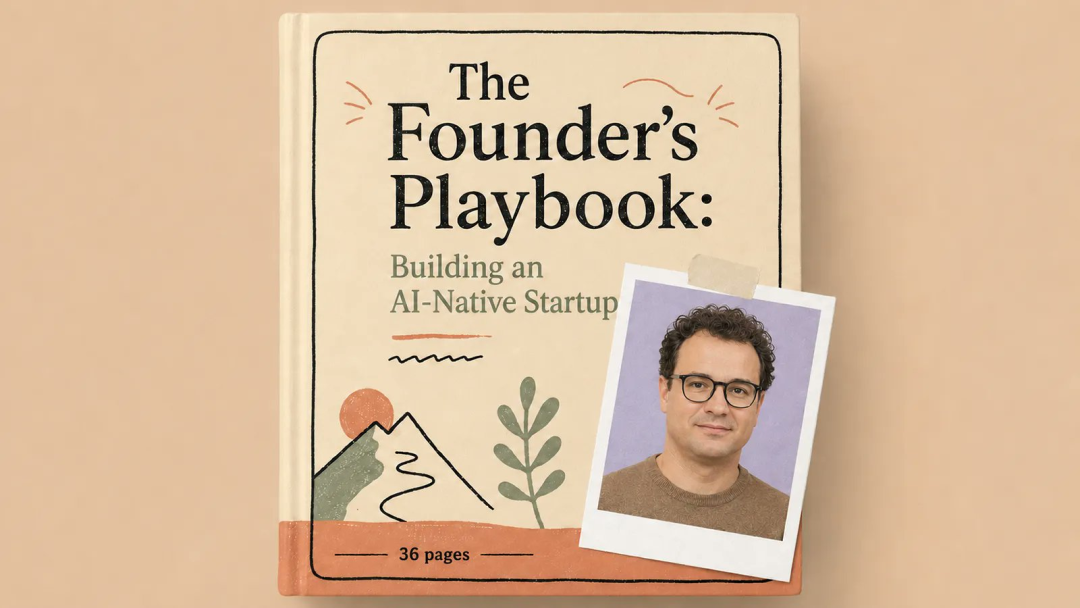
Вчера Anthropic опубликовала «Пособие для основателей: Как создать AI Native компанию».
Оно, основываясь на возможностях ИИ, достижимых к 2026 году,переосмысливает четыре этапа жизненного цикла стартапа: идея, MVP, запуск и масштабирование.Каждому этапу соответствуют цель, критерии завершения, типичные причины неудач и конкретные упражнения, которые можно выполнить с помощью ИИ.
Судя по названию, это руководство для основателей. Но на самом деле оно хочет донести:ИИ меняет то, как человек превращает идею в реальность.
Раньше между идеей и её реализацией было множество препятствий. Понимание технологий, поиск людей для написания кода, исследование рынка, составление бизнес-плана, настройка процессов, управление операциями. Многое было не невыполнимым, а недоступным из-за отсутствия людей, денег и времени. Поэтому возможности в основном принадлежали компаниям, тем, у кого были инженеры и финансирование.
Теперь ИИ может писать и выкладывать код, проводить исследования, анализировать конкурентов, составлять черновики бизнес-планов, управлять операциями. Работу, которую раньше выполняла команда, теперь могут делать два-три человека, а иногда достаточно одного знающего специалиста.
Тогда вопрос меняется: когда ИИ восполняет недостаток исполнительных способностей, кто ещё имеет право создавать продукты? Кто ещё может организовывать сложную работу? Кто может быстро превратить реальную проблему в отрасли в проверяемую, работающую и развивающуюся систему?
Стартапы — лишь первая сцена, которая меняется. Более масштабное изменение заключается в перераспределении границ между личными, командными и корпоративными возможностями.
Сегодня мы чётко изложим ключевые моменты этого пособия.
I. Основатель больше не просто основатель, а координатор агентов
В этом пособии есть одно ключевое суждение:
Роль основателя смещается с индивидуального исполнителя к организатору агентов.
Эта фраза важнее, чем «ИИ повышает эффективность предпринимательства».
Раньше технический основатель писал код, нетехнический — занимался бизнесом. Между ними была стена. Человек, не умеющий программировать, чтобы создать продукт, должен был либо найти технического соучредителя, либо отдать на аутсорсинг, либо привлечь финансирование и собрать команду.
Теперь эта стена ослабла. Человек с отраслевым опытом, пониманием клиентов и бизнес-чутьём может использовать ИИ для создания прототипа, документации по продукту, разработки кода, исследования пользователей и настройки операционных процессов.Технические способности больше не являются абсолютным барьером для входа в игру под названием «стартап».
Это приведёт к очень прямому изменению:портрет основателя AI Native компании станет сложнее.
В будущем некоторые конкурентоспособные ИИ-компании могут появиться не из традиционной технической элиты. Они могут прийти от врачей, юристов, учителей, продавцов, финансистов, операционных менеджеров, работников производства. Потому что, когда ИИ может восполнить недостаток исполнительных навыков, действительно дефицитным становится отраслевое понимание.
Тот, кто лучше понимает реальные проблемы в отрасли, имеет больше шансов превратить ИИ в продукт.
II. ИИ снижает барьер для исполнения, а не для принятия решений
Однако, Anthropic напоминает основателям, что с ИИ прототипы создавать слишком легко.Работающий продукт легко можно принять за доказательство «жизнеспособности спроса».
Но это не так!
Раньше, чтобы реализовать бизнес-идею, нужно было пройти через множество трудностей: поиск людей, написание кода, дизайн, создание системы, тестирование. Этот процесс, хоть и медленный, постоянно выявлял проблемы. Сегодня ИИ может устранить эти трудности, и вы можете быстро получить продукт, который выглядит завершённым.
Проблема в том, чточем легче создавать продукт, тем легче человеку пропустить этап проверки.
Это также контринтуитивный аспект эпохи ИИ:
Чем сильнее способность к созданию, тем выше могут быть затраты на ошибочное направление.
Потому что ИИ по своей природе не поможет вам оценить, стоит ли решать эту проблему. Он будет очень эффективно выполнять ваши предпосылки. Если предпосылка ошибочна, он и её выполнит очень красиво.
Именно поэтому в пособии постоянно подчёркивается, что ключевой момент этапа генерации идей — не создание, а проверка.
В эпоху ИИ самое опасное — не неспособность создать продукт.
А слишком быстрое создание продукта, который никому не нужен.
III. Маленькие команды получают возможности, которые раньше были у крупных компаний
В этом пособии также явно прослеживается тенденция:оно предполагает, что ИИ позволит небольшим командам обладать организационными возможностями, которые раньше были только у крупных коллективов.
AI Native команда может использовать ИИ для разработки кода, генерации документов, исследования рынка, создания материалов для продаж, поддержки клиентов, автоматизации внутренних процессов. То, что раньше требовало координации нескольких отделов, теперь могут сделать несколько человек с набором инструментов.
Это изменит наше понимание «масштаба компании»: раньше, чтобы оценить зрелость компании, часто смотрели на количество сотрудников, отделы, уровни управления. Много людей — значит, бизнес сложный; все отделы на месте — значит, организация зрелая.
Но AI Native компания не обязательно будет расти так же.
Она может долгое время оставаться маленькой командой, но обладать довольно полными возможностями в области продукта, операций, продаж и поддержки.Она не спешит расширять организацию, а сначала запускает процессы с помощью ИИ.
Это возможность для стартапов, но и давление для крупных компаний.
Потому что одно из преимуществ крупных компаний — это как раз организационные ресурсы. У них есть команды инженеров, маркетинга, юристов, продаж, поддержки клиентов.Теперь, если ИИ позволяет небольшим командам также использовать подобные возможности, организационные барьеры крупных компаний будут ослаблены.
В будущем разница в конкуренции может быть не в «у кого больше людей», а в «чьи люди лучше умеют управлять ИИ».
IV. Ров больше не только в возможностях модели
Если инструменты ИИ доступны всем, где тогда конкурентное преимущество AI Native компании?
В этом пособии даётся несколько ответов: отраслевые знания, маховик пользовательских данных, интеграция в рабочий процесс.
Первое, отраслевые знания становятся важнее.
Универсальные модели могут ответить на многие вопросы, но они не обязательно понимают неявные правила конкретной отрасли. Медицина, право, финансы, образование, производство, государственное управление — в каждой отрасли есть огромный опыт, который не записан в открытых источниках. Тот, кто сможет превратить этот опыт в продукт, создаст то, что универсальным моделям будет сложно заменить.
Второе, пользовательские данные станут активом, зависящим от времени.
Как пользователи взаимодействуют с продуктом, где делают паузы, как изменяют вывод ИИ, какие предложения принимают, какие отвергают — эти поведенческие данные конкуренты не могут просто купить. Они происходят от реального использования, от накопления со временем.
В этом пособии есть очень точная фраза:Вы не можете купить поведенческий отпечаток, оставленный тысячами пользователей после многократной шлифовки рабочих процессов в продукте.
Третье, интеграция в рабочий процесс будет сильнее, чем привязка к функционалу.
Если ИИ-продукт предоставляет лишь какую-то функцию, пользователь может легко его сменить. Но если он встроен в ежедневные процессы команды, подключён к источникам данных, содержит правила автоматизации и формирует привычки использования у сотрудников,то стоимость переключения перестаёт быть «сменой инструмента», а становится «созданием нового способа работы».
Это и есть настоящее конкурентное преимущество AI Native компании.
Не сама модель, а система, сформировавшаяся в результате долгосрочного сочетания модели и конкретного бизнеса.
Заключение: что на самом деле показывает это пособие
Итак, это пособие от Anthropic — не просто практическое руководство для основателей.
Оно больше похоже на сигнал: ИИ-компании вступают в следующий этап.
На первом этапе люди интересовались возможностями модели.Чья модель мощнее, у кого больше контекст, у кого лучше рассуждения.
На втором этапе люди интересовались взрывным ростом приложений.ИИ для письма, ИИ для программирования, ИИ-поиск, ИИ для офиса, ИИ для видео — быстро появлялись различные продукты.
Теперь вопрос начинает звучать так:Какая организация действительно может использовать ИИ, чтобы перестроить компанию?
Именно это в концепции «AI Native стартапа» наиболее интересно для обсуждения.
Это не означает компанию, которая использует ИИ-инструменты, или продукт, в который встроен API большой модели. Настоящая AI Native компания — это та, которая с самого начала предполагает участие ИИ в процессах разработки, операций, продаж, управления и принятия решений.
У неё другая структура команды, другой способ итерации продукта, другой способ роста, другое конкурентное преимущество.
Другими словами, AI Native — это не функциональная метка, а форма организации компании.
ИИ меняет не только продукт.
Он меняет саму компанию.
Оригинал пособия: https://claude.com/blog/the-founders-playbook