Автор: Кури, Shenchao TechFlow
Оригинальное название: Народу нужен плохой капиталист, а ИИ создал фейк о доставке еды
На прошлой неделе произошла довольно сюрреалистичная история.
CEO двух американских гигантов доставки еды, один с состоянием в 2,7 миллиарда долларов, другой управляющий крупнейшей в мире платформой каршеринга, в субботу в три часа ночи не спали и писали в интернете посты, оправдываясь.
Причиной стал анонимный пост на Reddit.
Отправитель, представившийся backend-инженером крупной платформы доставки еды, написал, что был пьян, пришел в библиотеку и через публичный WiFi решил рассказать все, что знает.
Содержание было таким:
Компания анализирует ситуацию водителей такси и присваивает им «баллы отчаяния» — чем больше водитель нуждается в деньгах, тем хуже заказы он получает; так называемая приоритетная доставка еды — это обман, обычные заказы намеренно задерживаются; различные «сборы на福利费 (благосостояние) водителей» не доходят до них, а идут на лоббирование в Конгрессе для борьбы с профсоюзами...
В конце пост был оформлен очень правдоподобно: я пьян, я в ярости, поэтому я все рассказываю.
Идеально изобразил себя «разоблачителем», который рассказывает, как «большая компания использует алгоритмы для эксплуатации водителей».
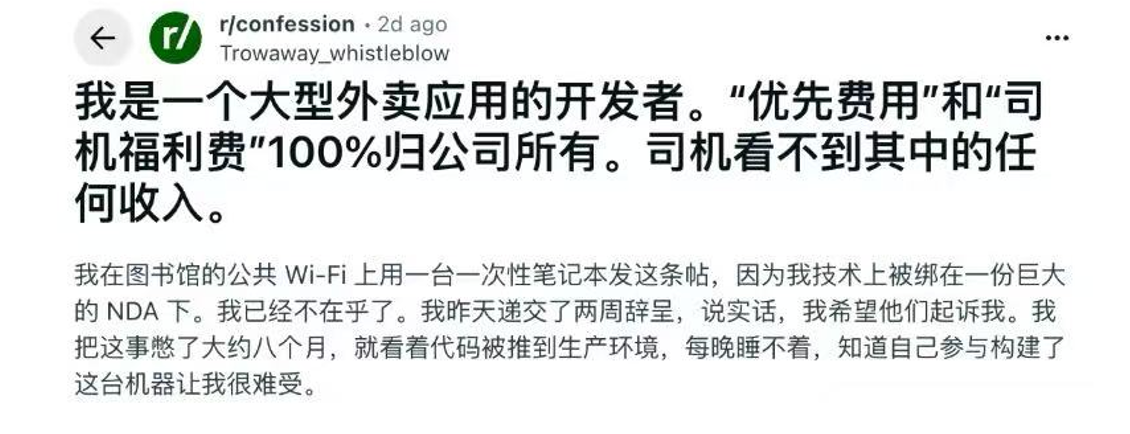
За три дня пост набрал 87 000 лайков и вышел на главную страницу Reddit. Кто-то сделал скриншот и выложил в X, где он набрал 36 миллионов просмотров.
Учитывая, что на американском рынке доставки еды всего несколько крупных игроков, пост не называл имен, но все начали гадать, о ком речь.
CEO DoorDash Тони Сю не выдержал первым и написал в твиттере, что это не они, и что он кого-то уволит, если такое произойдет. COO Uber также отреагировал: «Не верьте всему, что видите в интернете».
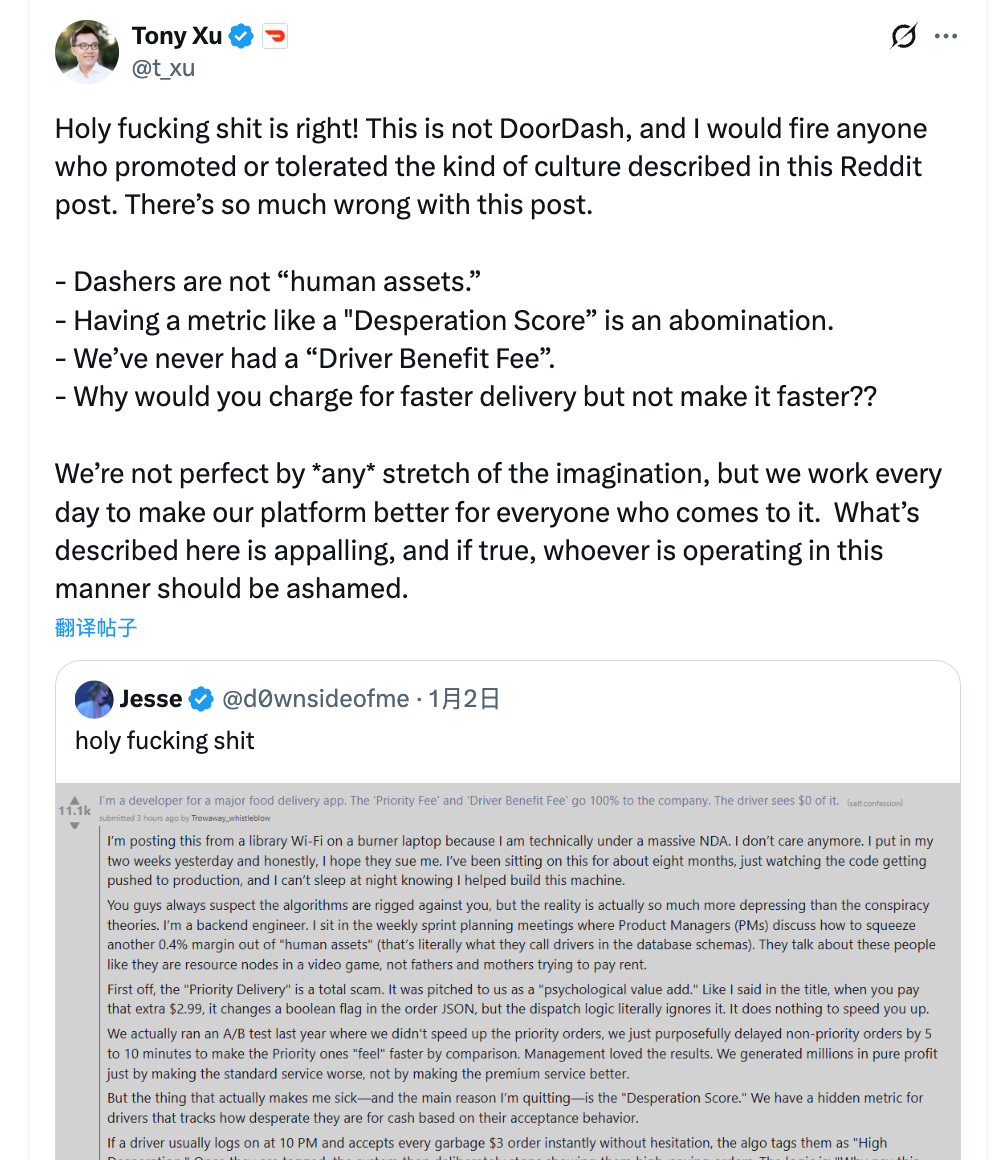
DoorDash даже опубликовала на своем сайте заявление из пяти пунктов, опровергая содержание поста пункт за пунктом. Эти две компании с совокупной капитализацией более 80 миллиардов долларов были вынуждены срочно заниматься пиаром из-за одного анонимного поста.
А затем выяснилось, что этот пост, вероятно, был сочинен ИИ.
Разоблачил его журналист Platformer Кейси Ньютон.
Он связался с автором поста, и тот сразу же прислал 18-страничный «внутренний технический документ» под академическим названием «AllocNet-T: High-Dimensional Temporal Supply State Modeling».
В переводе что-то вроде «Моделирование высокоразмерного временного состояния supply». На каждой странице стоял водяной знак «Конфиденциально», а в качестве автора был указан «Отдел поведенческой экономики, группа рыночной динамики» Uber.
Содержание? Объяснение того, как именно работает модель, присваивающая водителям «баллы отчаяния», о которой шла речь в посте на Reddit. Там были архитектурные схемы, математические формулы, диаграммы потоков данных...
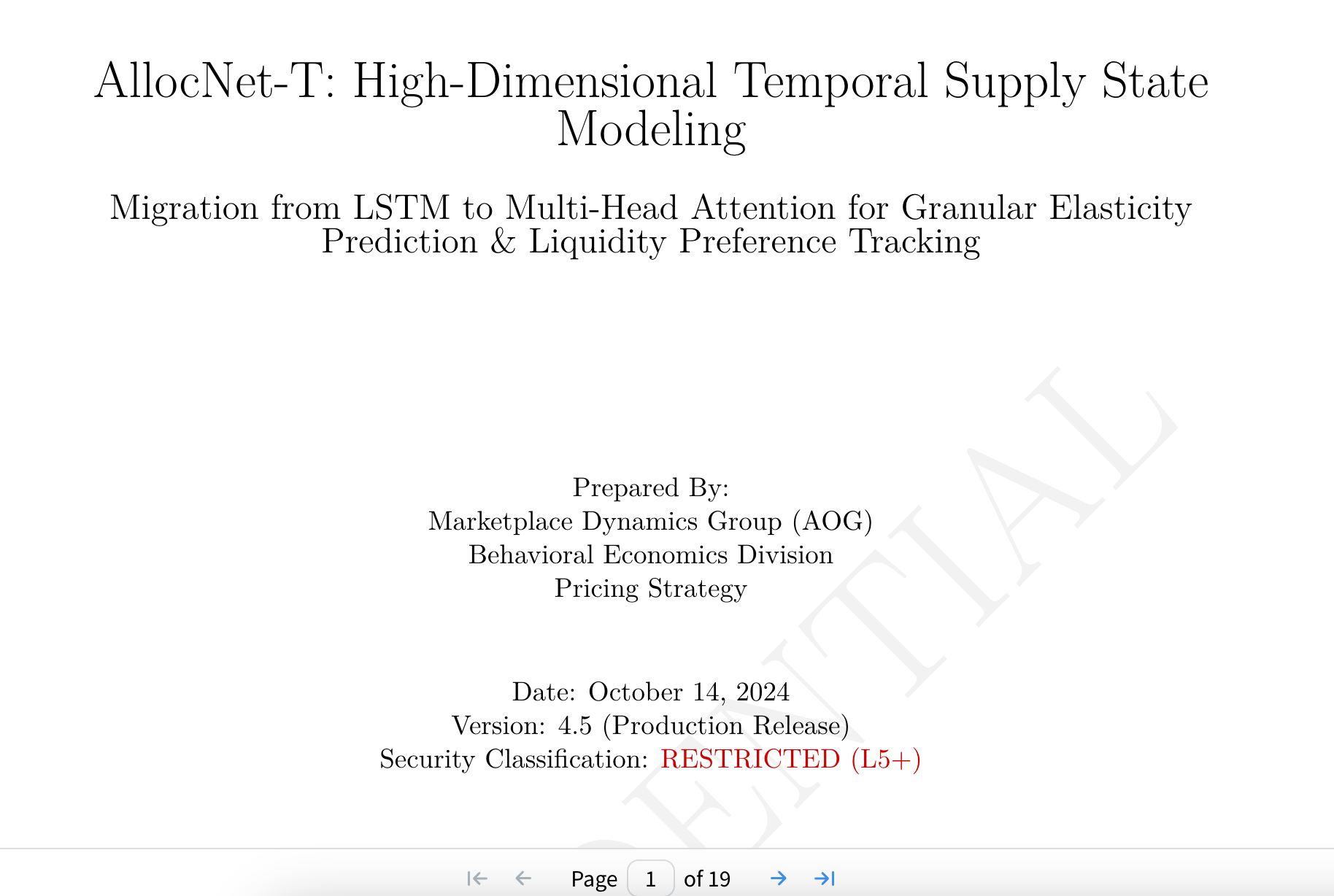
(Скриншот фейковой статьи, на первый взгляд выглядит очень правдоподобно)
Ньютон сказал, что сначала этот документ его обманул. Кто станет тратить силы на подделку 18-страничного технического документа, чтобы подловить журналиста?
Но сейчас все иначе.
Такой 18-страничный документ ИИ может сгенерировать за несколько минут.
Кроме того, «разоблачитель» также скинул журналисту замазанную фотографию своего удостоверения сотрудника Uber, чтобы доказать, что он там действительно работает.
Из любопытства журналист Ньютон загрузил фото удостоверения в Google Gemini для проверки, и Gemini сказал, что изображение сгенерировано ИИ.
Определить это удалось потому, что Google встраивает в контент, созданный своим ИИ, невидимые водяные знаки под названием SynthID. Их не видно невооруженным глазом, но машина может их detectить.
Что еще более абсурдно, на удостоверении был логотип «Uber Eats».
Представитель Uber подтвердил: у них нет удостоверений сотрудников с брендом Uber Eats, все пропуска印ют только лого Uber.

Очевидно, этот фейковый «разоблачитель» даже не разобрался, кого именно он хочет очернить. Когда журналист попросил предоставить информацию об аккаунтах в LinkedIn или других соцсетях для дальнейшей проверки,
«разоблачитель» просто удалил аккаунт и сбежал.
На самом деле, мы хотим поговорить не о том, что ИИ может подделывать информацию — это уже не ново.
Мы скорее хотим обсудить: почему миллионы людей готовы поверить анонимному посту?
В 2020 году DoorDash судились из-за того, что использовали чаевые для покрытия базовой зарплаты водителей, и выплатили 16,75 миллиона долларов. Uber создавал инструмент под названием Greyball для уклонения от регулирования. Это реальные факты.
Легко найти это подсознательное согласие с тем, что: платформы — не самые хорошие ребята, и это предположение точно верно.
Поэтому, когда кто-то говорит, что «алгоритмы платформ доставки еды эксплуатируют водителей», первой реакцией становится не «правда ли это?», а «так я и знал(а)».
Фейковые новости распространяются потому, что они похожи на то, во что люди уже и так верят.
Что делает ИИ — так это снижает стоимость создания этого «сходства» почти до нуля.
В этой истории есть еще одна деталь.
Разоблачение мошенничества стало возможным благодаря детектору водяных знаков Google. Google создает ИИ, Google также создает инструменты для детекции ИИ.
Но SynthID может проверить только собственный ИИ Google. В этот раз удалось поймать, потому что мошенник случайно использовал Gemini. Если бы использовал другую модель, возможно, повезло бы меньше.
Так что эта «победа» — не столько триумф технологий, сколько:
Ошибка новичка со стороны мошенника.
Согласно earlierнему опросу Reuters, 59% людей беспокоятся, что не смогут отличить правду от лжи в интернете.
Посты CEO компаний доставки с оправданиями увидели сотни тысяч людей, но сколько из них твердо уверены, что это просто пиар, что это ложь? Хотя тот фейковый пост уже удален, в комментариях все еще ругают платформы доставки.
Ложь уже успела обойти полсвета, а правда еще шнурует ботинки.
Подумайте еще вот о чем: если бы этот пост был не про Uber, а про Meituan или Ele.me?
Что-то вроде «баллов отчаяния», «использования алгоритмов для эксплуатации курьеров», «сборы на благосостояние не доходят до курьеров». Увидев такие обвинения, вашей первой реакцией было бы эмоциональное согласие?
Статью «Курьеры доставки, запертые в системе» вы же помните?
Так что проблема не в том, может ли ИИ подделывать информацию. Проблема в том, что когда ложь выглядит как то, во что люди уже и так верят, важно ли еще, правда это или нет?
Чего хотел тот, кто удалил аккаунт и сбежал, неизвестно.
Известно лишь, что он нашел выход для эмоций и вылил в него бочку топлива, сгенерированного ИИ.
Огонь вспыхнул. А горит ли настоящее дерево или поддельное — какая разница?
В сказке у Пиноккио нос рос, когда он врал.
У ИИ нет носа.