Автор: Pink Brains
Перевод: AididiaoJP, Foresight News
За последние три года мы сотрудничали с более чем 35 ведущими DeFi-проектами, отвечая за маркетинг. Мы обнаружили, что самые эффективные маркетинговые кампании строятся не с точки зрения проекта, а с точки зрения пользователя: как пользователи обнаруживают продукт, как формируют доверие и как реально вовлекаются.
Примечание: Pink Brains — это маркетинговая студия, специализирующаяся на DeFi, предоставляющая услуги KOL-маркетинга, создания контента (треды, аналитика) для DeFi-проектов.
Большинство руководств по криптомаркетингу следуют логике: выбрать KOL, распределить бюджет, запустить кампанию, отслеживать охват.
Мы полностью перевернули этот процесс. Вместо тактик сначала изучаем поведение пользователей: как пользователи DeFi обнаруживают новые протоколы? Что убеждает их попробовать? Что заставляет оставаться?
Как пользователи DeFi обнаруживают новые протоколы?
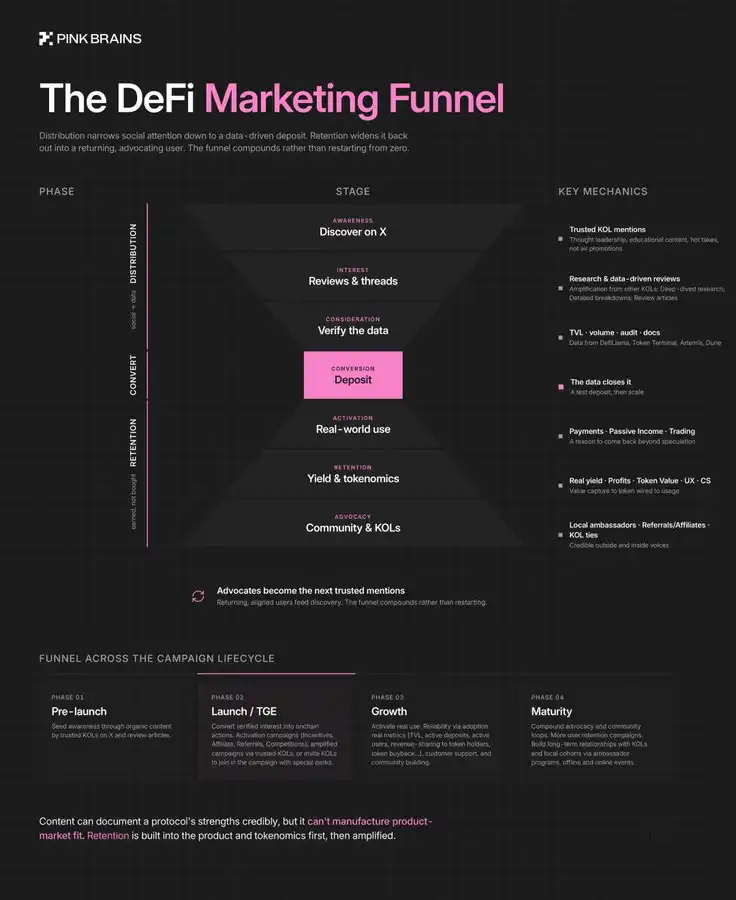
Криптопользователи обычно сначала находят возможности в Твиттере, затем проверяют данные на таких платформах, как DefiLlama, DeBank, Artemis, Token Terminal, Moni, смотрят официальную документацию протокола и только потом рассматривают возможность внесения средств.
Процесс обнаружения социально обусловлен, но процесс принятия решений определяется данными.
Фактический путь обычно такой:
Надежный аккаунт публикует пост о новой перпетуальной DEX — этот пост редко сразу же заставляет пользователя внести депозит.
Пользователь сначала заходит на официальный аккаунт проекта, просматривает посты и оценки других KOL, изучает данные об объемах торгов, TVL, программах стимулирования, затем быстро просматривает документацию и гайды и, наконец, вносит небольшую тестовую сумму.
Тот пост в X лишь знакомит пользователя с протоколом, а реальное решение принимается на основе контента KOL и фактических данных.
Вот почему X остается ключевой ареной для DeFi: здесь формируются нарративы, здесь в реальном времени разоблачаются уязвимости, и здесь же в комментариях спорят основатели и исследователи.
Практический вывод для команд протоколов: цель этапа обнаружения — не стремиться к вирусности, а быть упомянутым теми аккаунтами, которым уже доверяют пользователи, ориентированные на данные, и чтобы все данные выдерживали проверку, когда пользователь их изучает. Сильное упоминание в X с низким TVL или слабой страницей аудита не конвертирует действительно ценных пользователей.
Что интересует пользователей DeFi в 2026 году?
В этом году пользователей DeFi в основном привлекают несколько четких тем:
- Новые тренды DeFi (токенизация, перпетуальные контракты, RWA, пре-IPO перпетуалы, а также волна «крипто × ИИ»)
- Дропы, требующие реального вклада, но более рискованные
- Доходность, обеспеченная реальной выручкой
- Токены, захватывающие стоимость, напрямую связанные с использованием продукта
- Новые торговые площадки
Общая черта: проверяемые механизмы, а не маркетинговые лозунги.
Новые нарративы: перпетуальные контракты, RWA, крипто×ИИ
То, чем люди сейчас торгуют, меняется.
Обновление HIP-3 от Hyperliquid открыло бессрочные контракты без разрешения, что привело к созданию более 100 рынков RWA (акции, товары, индексы, Форекс, даже пре-IPO активы) с совокупным объемом торгов более 1300 млрд долларов. К концу марта 2026 года на рынки RWA приходилось более 90% открытого интереса по HIP-3.
@Ostium (DEX на Arbitrum, специализирующийся на RWA-перпетуалах) предложила теорию «перпетификации»: для бессрочного контракта нужен только ценовой оракул и пул ликвидности, а не полноценный стек токенизации. Это позволяет быстрее выводить на блокчейн доступ к традиционным рынкам, чем через спотовую токенизацию.
@tradexyz и @ventuals углубляются в товары и Форекс на Hyperliquid; Пре-IPO перпетуальный контракт на Cerebras от Trade.xyz почти идеально «оценил» эту акцию за несколько часов до официального открытия на NASDAQ.
Другой крупный нарратив — крипто×ИИ. Пользователей интересует не нарратив, а агентские платежи (agentic payments) и токенные механизмы стимулирования, согласованные с ИИ.
- @opentensor ($TAO) завершил первый халвинг в конце 2025 года, в настоящее время работает более 120 активных подсетей и генерирует спрос на реальные доходы.
- @virtuals_io (VIRTUAL) сообщил о GDP от агентов более чем на 4 млрд долларов и доходах протокола в 60 млн долларов в первом квартале 2026 года, развернул более 17 000 агентов и совместно с Ethereum Foundation разработал стандарт межцепочных агентских транзакций.
- @NEAR Protocol и @AskVenice занимают ключевые позиции в области приватных вычислений и суверенитета данных.
Кроме того, начинают появляться соединения в области крипто×робототехники (например, @xmaquina, Robotics Capital Markets).
Эта ниша волатильна и содержит много мусора, но пользователей действительно волнуют доходы и фактическое использование лидирующих проектов.
Дропы, но барьер значительно вырос
Дропы по-прежнему являются важным драйвером, большинство охотников за дропами ищут следующего HYPE, но времена легкой наживы закончились.
Сейчас проекты все чаще требуют реального вклада: устойчивые транзакции, предоставление реальной ликвидности, создание обучающего контента для сообщества и т.д. Фильтрация сибил-активности стала стандартом, токены часто распродаются сразу после TGE.
Программы лояльности больше ценят сгенерированные комиссии, чем заблокированный капитал; награды в тестовых сетях больше ориентированы на постоянное, качественное участие, а не просто на количество транзакций.
Реальная доходность (Real Yield)
Пользователи теперь четко различают «доходность от реальной выручки» и «доходность от инфляционной эмиссии» и явно предпочитают первую.
Реальная доходность проявляется по-разному, но по-настоящему значимы лишь несколько видов: комиссии от экономической активности (торговля, кредитование, фандинговые ставки, ликвидации), плата за использование инфраструктуры, а также доходность, обеспеченная RWA.
Платформы для торговли доходностью, такие как @pendle_fi, а также казначейства, управляемые сторонами по управлению рисками, такими как @veda_labs, @gauntlet_xyz, @MEVCapital, @SteakhouseFi, и распределители капитала на блокчейне, такие как @sparkdotfi, стали основными точками входа для размещения капитала, направляя больше ликвидности в стратегии фиксированного дохода, основанные на реальных источниках доходности.
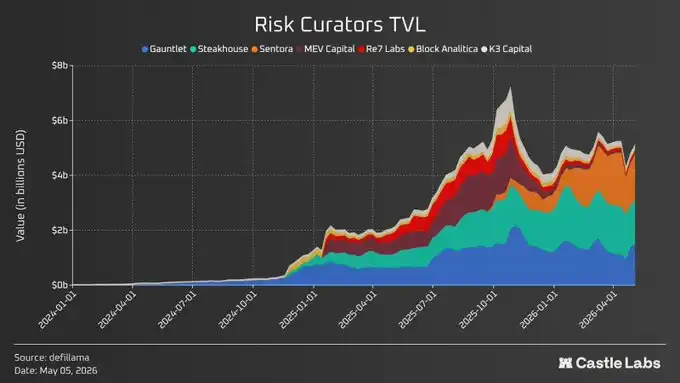
Например, sUSDe от @ethena генерирует доход через дельта-нейтральный базисный трейдинг, и его предложение приближается к 5.8 млрд долларов.
sUSDS от @SkyEcosystem платит около 4–4.5% дохода, обеспеченного залогом RWA и комиссиями за стабильность — S&P впервые присвоил кредитный рейтинг DeFi-протоколу Sky.
Общий тренд смещается от рынка, «создающего доход через инфляцию», к рынку, «импортирующему и распределяющему доход из реальных источников».
Токеномика, захватывающая стоимость
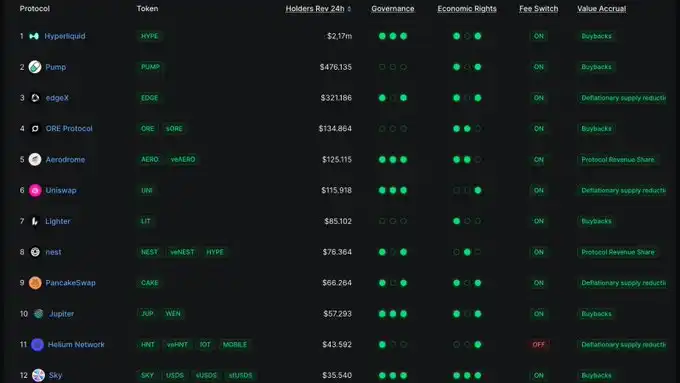
Помимо доходности, пользователи все больше предпочитают токены, стоимость которых напрямую привязана к внедрению продукта — обычно через обратный выкуп (buyback), выкуп и сжигание (buyback & burn), дефляцию предложения, распределение доходов протокола и т.д.
HYPE от Hyperliquid — классический пример: его Assistance Fund использует около 99% доходов от торговых комиссий для выкупа на открытом рынке, совокупный объем выкупа превысил 1.16 млрд долларов. С момента TGE было выкуплено и сожжено 4.45% от общего предложения.
VVV от Venice связывает спрос со стейкингом вычислительных мощностей для ИИ-инференса, часть доходов протокола используется для выкупа и сжигания VVV, на данный момент сожжено около 40% предложения, цена с начала года выросла на 400%.
TAO от Bittensor использует механизм халвинга по типу Биткоина, переходя от инфляции к дефициту.
Пользователи ищут одну и ту же модель: токен должен быть тесно привязан к фактической активности, генерируемой продуктом; рост активности должен приводить к росту стоимости, а не к размыванию.
Новые торговые площадки
Наконец, внимание распространяется на новые типы торговых площадок:
- Предикшн-маркеты (огромный совокупный объем торгов у Polymarket и Kalshi в 2025 году)
- Рынки торговли физическими карточками и коллекционными предметами
- Игрофицированные платформы с поддержкой криптовалют (Crypto iGaming)
Хотя они и более спекулятивны, они действительно приносят реальный объем торгов и доход.
Логан Пол публично заявил, что в его инвестиционном портфеле нет акций, только карточки Pokémon. В 2026 году рынок карточек Pokémon достиг 75 млрд долларов (в 2016 году он составлял менее 15 млрд долларов).
@Collector_Crypt (рынок торговли карточками на Solana) стал вторым по величине dApp по доходам на Solana с ежедневным доходом в 1.9 млн долларов.
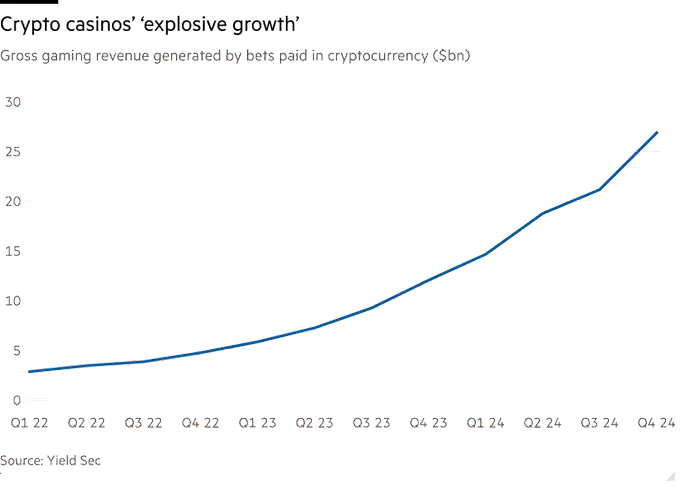
GameFi устарел, но GambleFi тихо набирает обороты. Совокупный доход от крипто-гемблинга в 2024 году составил 81.4 млрд долларов, что в 5 раз больше, чем в 2022 году. В первом квартале 2025 года сумма ставок в криптовалютах составила 26 млрд долларов, что почти вдвое больше, чем за аналогичный период прошлого года. Отсутствие KYC, глобальный охват и доказуемо честные механизмы подпитывают новую волну геймификации на блокчейне.
Централизованные крипто-iGaming-платформы, такие как @Stake, @shufflecom, а также доказуемо честные ончейн iGaming, такие как @nardotbet, хотя и редко упоминаются DeFi KOL, демонстрируют очень высокие реальные объемы торгов.
Общая черта этих областей: пользователи могут самостоятельно проверить их привлекательность. Интерес исходит от самих механизмов, а не от маркетинговых формулировок.
Что удерживает пользователей DeFi?
Пользователи DeFi продолжают использовать протокол, когда он действительно полезен в реальной жизни, приносит прибыль и создает стоимость для держателей токенов. При этом он должен оставаться надежным в условиях рыночных колебаний.
Ключевое различие: протоколы, удерживающие капитал, полагаются на доверие, дистрибуцию и надежность, а не на временный APY или TVL.
Реальные варианты использования в мире
Самая сильная причина остаться проста: протокол действительно полезен в повседневной жизни. Криптокарты, необанки, казначейства и другие продукты дают пользователям причину оставаться в экосистеме, выходящую за рамки спекуляций.
Ether.fi Cash — хороший пример: пользователи получают кэшбэк при тратах и одновременно зарабатывают стейкинг-доход. Конкретные ставки не так важны, важно то, что «сама ежедневная финансовая деятельность становится причиной оставаться в экосистеме».
Та же логика применима к крипто-необанкам и распределителям капитала: они встроены в привычные финансовые привычки пользователей, а не являются просто платформой, которую они изредка посещают для заработка.
Токеномика, отражающая реальный продукт
Когда токен действительно захватывает стоимость, генерируемую продуктом, пользователи с большей вероятностью остаются, вместо того чтобы полагаться на нарратив.
Учебный пример 2026 года — HYPE. Его Assistance Fund использует 99% доходов от торговых комиссий для выкупа на открытом рынке. CIO Bitwise прямо заявил: дизайн этого токена означает, что рост активности на платформе напрямую приносит пользу держателям. Это ценностный цикл, который пользователи могут проверить лично, поэтому он привлекает постоянное внимание, а не только кратковременное рыночное внимание во время листинга.
VVV от @AskVenice — это другая конкретная модель: стейкинг VVV дает пропорциональный доступ к ежедневным мощностям ИИ-инференса платформы, при блокировке можно чеканить DIEM (представляет 1 доллар API-кредита в день). Venice сожгла более 42% начального предложения и значительно сократила инфляцию. Спрос полностью обусловлен реальным использованием.
Дропы и стимулы, но не пустые обещания
Дропы все еще могут привлекать пользователей обратно, но эпоха легких денег в основном закончилась. Проекты все больше вознаграждают реальное использование и строго фильтруют сибил-активность.
@monad пропустила традиционную программу лояльности и вместо этого вознаградила реальных контрибьюторов. Ее тестнет-дроп основывался на 5 треках для контрибьюторов с применением жестких анти-сибил мер, в итоге только 5500 кошельков были награждены за создание сообщества, поддержку, создание контента и рост экосистемы.
Программы лояльности по-прежнему сложно реализовать правильно. Недавний пример — программа Terminal от MegaETH: запущена в апреле 2026 года одновременно с TGE, 8-недельная наградная активность, но была досрочно прекращена всего через 3 недели (21 мая).
Даже тщательно продуманные планы с трудом превращают краткосрочную активность в долгосрочных пользователей.
Как DeFi-проектам удерживать пользователей?
Удержание в DeFi зависит от согласованного действия четырех элементов:
- Достаточно качественный, пригодный для ежедневного использования пользовательский опыт продукта
- Отзывчивая клиентская поддержка
- Токеномика, долгосрочно совпадающая с интересами сообщества
- Создание сообщества, выходящее за рамки TG и Discord (опыт продукта, поддержка, токеномика, стратегическое построение сообщества)
Типы KOL, с которыми должны сотрудничать DeFi-проекты
DeFi KOL можно условно разделить на четыре категории: преподаватели, создатели контента, практики дропов, эксперты в конкретных вертикалях.
Каждый тип подходит для разных этапов пользовательского пути. Считать их взаимозаменяемыми «инструментами охвата» — распространенная и дорогостоящая ошибка.
Какой контент DeFi KOL работает лучше всего?
Лучше всего работает конкретный и проверяемый контент: ончейн-подтверждения, пошаговые стратегии в тредах, сбалансированный анализ протоколов, своевременный разбор уязвимостей или новых механизмов.
Хуже всего работает обобщенный, нераскрывающий информации или непроверяемый контент.
Распространенные ошибки в KOL-маркетинге для DeFi
- Использование создателей, не понимающих продукт
- Обобщенный контент («революционный», «меняющий правила игры» и другие пустые слова)
- Несоответствие аудитории
- Чрезмерная зависимость от нескольких топовых KOL (риск концентрации)
- Фальшивый охват
- Разовая реклама вместо построения долгосрочных отношений
- Игнорирование готовности продукта
Итог
Самые эффективные маркетинговые планы для DeFi — это те, которые действительно отражают реальное поведение пользователей: обнаружение через надежные источники, интерес через проверяемые механизмы, удержание через сильную токеномику и дизайн продукта, а не просто маркетинговые обещания.
Лучше всего работающие протоколы не полагаются только на внутренний маркетинг. KOL обеспечивают узнаваемость, исследование подтверждает тезисы, пользователи делятся реальными результатами, и в конечном итоге устойчивые ончейн-данные доказывают, что ценность продукта намного превышает стимулы.







