After a 600% Surge, Can Zcash Really Challenge BTC?

比推Опубликовано 2026-01-05Обновлено 2026-01-05

Введение

This article critically examines the narrative that Zcash (ZEC), after a 600% price surge, could challenge Bitcoin (BTC) as a form of money. The author, drawing from a personal background valuing financial sovereignty and privacy, acknowledges the importance of privacy coins like ZEC, which uses zk-SNARKs to enable shielded, untraceable transactions. However, the central argument is that ZEC functions primarily as a privacy tool or "tunnel" for obfuscating funds before users exit to BTC, stablecoins, or fiat, rather than as a long-term store of value. The author asserts that Bitcoin's monetary status is unshakable due to its first-mover advantage, immense network effects, and its establishment as a dominant Schelling point for value storage. This creates a "winner-takes-all" dynamic in monetary competition, leaving no room for a "second money." Data shows ZEC's recent price surge is driven by a supply squeeze from coins moving into shielded pools, not by organic adoption as money. Furthermore, tools like chain analysis can still de-anonymize a significant portion of ZEC transactions. The conclusion is that while privacy is a crucial and growing necessity, ZEC is a utility for transactions, not money. Investors should not confuse its speculative narrative with Bitcoin's entrenched monetary premium, which is based on a fundamentally different value proposition.

Source: Pine Analytics

Original Title: ZEC Is Not Money

Compiled and Arranged: BitpushNews


My Crypto Journey and the Pursuit of Sovereignty

When I first entered the cryptocurrency space, I was filled with naive optimism, believing that this technology could fundamentally constrain government overspending and empower individuals to hold currency beyond the control of legal authorities. It represented a form of "exit," a way for the weak to resist the strong and uphold dignity and rights. This deeply resonated with my identity as a descendant of Armenian immigrants—my family fled their homeland during the genocide and turmoil of the early twentieth century. I once firmly held that governments were spiraling into uncontrollable fiscal indulgence, constantly devaluing fiat currency and eroding individual freedoms. Cryptocurrency seemed like a weapon for marginalized groups, a digital sanctuary for storing and transferring value without permission or oversight.

However, my idealism soon collided with reality.

I learned about "on-chain analysis": even if wallets are not directly named, funds can be tracked through public ledgers, and transaction patterns, exchange data, and network analysis can de-anonymize users. Although you can move funds on-chain without the explicit permission of the powerful, you remain within their sight.

This discovery fostered a lasting affinity for privacy solutions, from Tornado Cash and Monero (XMR) to Zcash (ZEC) and Secret Network. Deep down, I have always reserved a place for these tools, recognizing their role in restoring true sovereignty.

All of this reinforced my belief that on-chain privacy will become increasingly valuable in the future, especially amid the trends of intensified global surveillance in 2026, the rise of CBDCs (central bank digital currencies), and regulatory crackdowns.

While I have long cherished privacy, it is crucial to distinguish between the "utility of privacy" and the "overhyped narrative" surrounding tokens like ZEC.

Zcash and Its Current Narrative

Zcash is a PoW (Proof of Work) blockchain similar to Bitcoin, but it has a core innovation: users can natively "shield" their tokens, moving them into privacy pools where transactions occur with minimal information revealed to third parties. Using zero-knowledge proofs (zk-SNARKs), ZEC enables transfers that are nearly untraceable when executed correctly. This is a remarkable achievement, and if Bitcoin had implemented this technology from the start, it might have greatly benefited. Shielded transactions hide the sender, receiver, and amount, providing a level of privacy that transparent chains like Bitcoin lack.

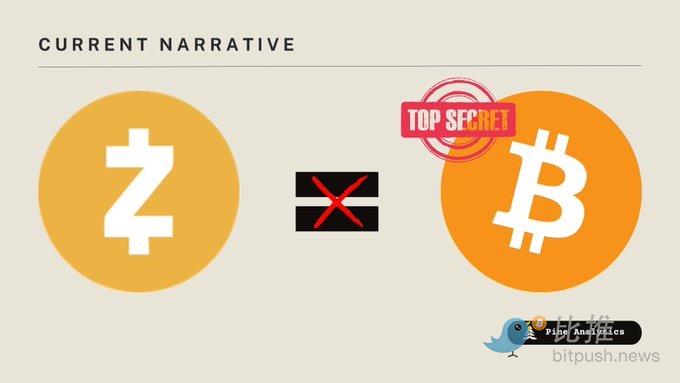
However, the current narrative driving ZEC's premium (evidenced by its staggering 661% year-to-date surge in 2025 and continued momentum in early 2026) is that it is merely "private Bitcoin," a superior version of Bitcoin. Supporters psychologically peg ZEC's value to BTC, seeking reasons to buy even after astronomical price increases.

Yet, this comparison is false. Those promoting this view are either misleading buyers or fundamentally misunderstand why BTC initially achieved a market cap exceeding $1.7 trillion.

Why Bitcoin Is Money, and Others Are Not

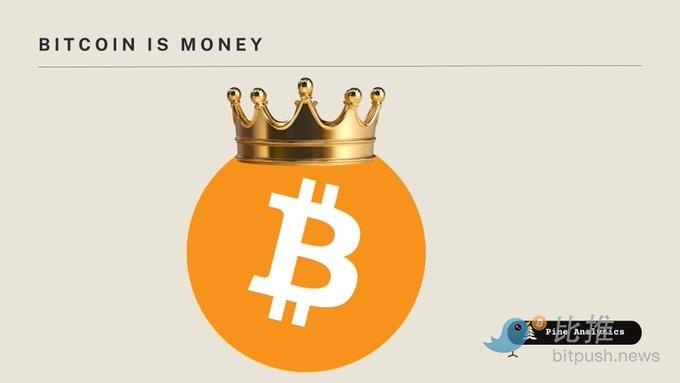
Bitcoin maintains dominance over all other cryptocurrencies (except fiat-pegged stablecoins) for one reason alone: it is money.

This status stems from the powerful synergy of first-mover advantage and path dependency reinforced over time. Every new ETF buyer, every day a whale holds, every nation adding BTC to its reserves strengthens Bitcoin's monetary properties. Network effects relentlessly compound: deeper liquidity attracts larger allocators, which further deepens liquidity, attracts sovereign buyers, legitimizes the asset class, and brings the next wave of adoption. This flywheel cannot be replicated; it can only be joined.

A significant portion of the altcoin market's capitalization stems from being positioned as "silver to Bitcoin's gold," but this framework fundamentally misunderstands monetary competition. Monetary properties follow a Nash equilibrium: coordination games produce "winner-takes-all" outcomes, where one asset emerges as the dominant store of value, while others trade based on discounted cash flows or utility. History offers no examples of a "second-place currency" retaining value persistently. After gold was demonetized, silver's monetary premium steadily eroded, and any crypto asset competing on the "store of value" dimension will face the same fate.

BTC established its position against a backdrop where it pioneered an entirely new asset class, just as the U.S. dollar was actively degrading its monetary properties through inflation, unprecedented monetary expansion, and policy missteps (issues beyond this article's scope but deeply felt by the generation that grew up after the 2008 financial crisis).

In essence, BTC is the best and earliest "meme coin": a cultural and economic phenomenon whose value is self-reinforcing, supported by the market's most powerful force—collective belief coalescing into a Schelling point. No other coin, regardless of its technical features or ideological purity, can dethrone it. The window for monetary competition closed years ago. Privacy-enhancing features, while ideal, are better suited as layers atop Bitcoin (via protocols, L2s, or mixers) rather than attempting to replace it. The latter strategy mistakes "feature" for "foundation."

ZEC Is a Path, Not a Destination

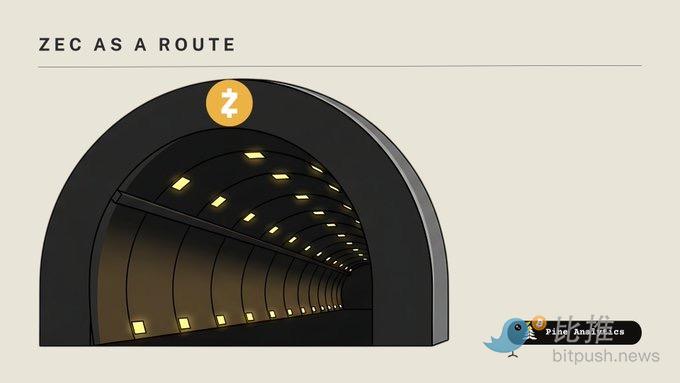
The brilliance of privacy coins like ZEC lies in breaking the traceability of funds, whether for legitimate reasons like protecting activists, businesses, or personal finances, or for illicit purposes (though I emphasize privacy's inherent legitimacy). However, users treat ZEC as a path, not a destination. They acquire it, shield funds, and then exit to BTC, stablecoins, or fiat.

On-chain data clearly reveals this reality. Shielded supply surged significantly in 2025, growing from about 11% at the start of the year to around 30% (approximately 5 million ZEC) by the end of 2025. At first glance, this seems highly favorable to the "ZEC is money" argument. But digging deeper, the picture changes. According to Coin Metrics, the spike in shielded transactions was primarily driven by "shielding and unshielding" activity (value moving into or out of privacy pools), not fully shielded z-to-z transfers. In other words, users enter the privacy pool, complete their transactions, and then leave. They use ZEC as a privacy tunnel, not a vault.

Metrics from the transparent side further confirm this "flow" dynamic. Despite a price surge of over 900%, the average number of daily active wallets on the transparent chain remained around 11,500, showing no corresponding user explosion.

Meanwhile, transaction volume for another major privacy coin, Monero, did not rise in sync (stabilizing at 20,000–30,000 daily transactions), indicating that ZEC's movement was not due to a broad privacy sector rotation but rather a Zcash-specific supply squeeze—tokens entering shielded pools dried up exchange liquidity. CoinDesk Research noted that "traders may be paying a massive premium" precisely because visible network data couldn't explain the price action.

To qualify as "money," it must be a destination: an asset people want to accumulate and hold long-term, lowering their time preference by storing wealth in it. If ZEC is primarily a pipeline, its demand is capped by the need for de-anonymization at specific times, plus any speculative premium the market temporarily assigns. It cannot sustain the exponential, reflexive growth of true money—where holding begets more holding, deeper liquidity, institutional reserves, and cultural entrenchment. A tool used and discarded generates transaction volume, not compounding monetary premium.

While a large anonymity set (the bigger the pool, the harder to trace) has value, ZEC does not monopolize this status. Arkham Intelligence recently claimed to have labeled over 53% of ZEC transactions, linking $420 billion in transaction volume to identifiable entities. This proves that even shielded transactions can be de-anonymized through temporal analysis, endpoint monitoring, and transparent entry/exit points.

Competitors like Monero (where privacy is mandatory, not optional), emerging L2 solutions (like Aztec and Arcium), and even BTC mixers offer alternatives. Even if ZEC becomes the top anonymity hub, it will not evolve into money. Buyers chasing the "private BTC" hype may face a harsh reality: unless ZEC is competing as money, its price should not be psychologically pegged to BTC, and for monetary competition, BTC's dominance is too entrenched, and ZEC is too late to the game.

Conclusion

Privacy is not a passing fad; it is an inevitable necessity that will define the crypto space in 2026 and beyond, as evidenced by surging adoption rates from institutions to retail. My family history compels me to be an advocate for privacy, but we must be realistic about tokens like ZEC: they are powerful tools for pursuing sovereignty, but they are not money.

Bitcoin's path-dependent victory ensures that no challenger can replicate its monetary status. Invest in privacy for its utility (shield, transact, exit), but do not confuse it with the monetary throne occupied by BTC. Those who conflate the two may face a painful hangover when the narrative shifts.


Twitter:https://twitter.com/BitpushNewsCN

Bitpush TG Discussion Group:https://t.me/BitPushCommunity

Bitpush TG Subscription: https://t.me/bitpush

Original link:https://www.bitpush.news/articles/7600239

Связанные с этим вопросы

QWhat is the core argument made in the article regarding Zcash (ZEC) and its potential to challenge Bitcoin (BTC)?

AThe article's core argument is that Zcash cannot challenge Bitcoin as a form of money. It posits that Bitcoin's monetary status, reinforced by first-mover advantage, network effects, and path dependency, is unassailable. ZEC is viewed primarily as a privacy tool or 'tunnel' for transactions, not as a long-term store of value or monetary asset like BTC.

QAccording to the on-chain data cited in the article, how do users primarily interact with ZEC's privacy features?

AOn-chain data shows that users primarily use ZEC as a path, not a destination. They shield their funds (move them into the privacy pool) to break traceability, complete a transaction, and then unshield them to exit into BTC, stablecoins, or fiat. The surge in shielded supply is driven by 'shield and unshield' activity rather than sustained z-to-z transactions within the privacy pool.

QWhy does the author believe the 'private Bitcoin' narrative for ZEC is flawed?

AThe author believes the narrative is flawed because it mistakes a feature (privacy) for a foundation (monetary status). Bitcoin's value is a self-reinforcing cultural and economic phenomenon (a Schelling point) based on collective belief as a store of value. The window for monetary competition is closed, and no other asset, regardless of its technical features like privacy, can dethrone BTC's established monetary premium.

QWhat evidence does the article provide to suggest that ZEC's price surge is not due to it being used as money?

AThe article provides several pieces of evidence: 1) The number of active transparent wallets did not surge proportionally with the massive price increase. 2) The activity was specific to ZEC and not part of a broader privacy coin rally (e.g., Monero's transaction volume remained stable). 3) Analysis suggests the price action was likely due to a supply squeeze from tokens moving into shielded pools, reducing exchange liquidity, rather than organic demand for holding ZEC as money.

QWhat is the author's overall conclusion about the value and role of privacy coins like ZEC?

AThe author concludes that privacy coins like ZEC are powerful tools for achieving financial sovereignty and anonymity for specific transactions. However, they are not money and should not be confused with Bitcoin's monetary role. Their value is derived from their privacy utility (to shield, transact, and exit), not from a monetary premium. Investors should appreciate them for their utility but not expect them to compete with or replace BTC as a store of value.

Похожее

How Many Tokens Away Is Yang Zhilin from the 'Moon Chasing the Light'?

The article explores the intense competition between two leading Chinese AI companies, DeepSeek and Kimi (Moon Dark Side), and the mounting pressure on Yang Zhilin, the founder of Kimi. While DeepSeek re-emerged after 15 months of silence with its powerful V4 model—boasting 1.6 trillion parameters and low-cost, long-context capabilities—Kimi has been focusing on long-context processing and multi-agent systems with its K2.6 model. Yang faces a threefold challenge: technological rivalry, commercialization pressure, and investor expectations. Despite Kimi’s high valuation (reaching $18 billion), its revenue heavily relies on a single product with low paid conversion rates, while DeepSeek’s strategic silence and open-source influence have strengthened its market position and valuation prospects, now targeting over $20 billion. Both companies reflect broader trends in China’s AI ecosystem: Kimi aims for global influence through open-source contributions and agent-based advancements, while DeepSeek prioritizes foundational innovation and hardware independence, notably shifting to Huawei’s chips. Their competition is seen as vital for China’s AI progress, with the gap between top Chinese and U.S. models narrowing to just 2.7% on the Elo rating scale. Ultimately, the article argues that this rivalry, though anxiety-inducing for leaders like Zhilin, is essential for driving innovation and solidifying China’s role in the global AI landscape.

marsbit9 ч. назад

How Many Tokens Away Is Yang Zhilin from the 'Moon Chasing the Light'?

marsbit9 ч. назад

Торговля

Спот
Фьючерсы

Популярные статьи

Тест по Bitcoin Биткоина

HTX Learn: Изучите Bitcoin halving и Заработаете Токены USDT

3.0k просмотров всегоОпубликовано 2024.04.16Обновлено 2024.04.16

Тест по Bitcoin  Биткоина

Что такое $BITCOIN

ЦИФРОВОЕ ЗОЛОТО ($BITCOIN): Комплексный анализ Введение в ЦИФРОВОЕ ЗОЛОТО ($BITCOIN) ЦИФРОВОЕ ЗОЛОТО ($BITCOIN) — это проект на основе блокчейна, работающий в сети Solana, который стремится объединить характеристики традиционных драгоценных металлов с инновациями децентрализованных технологий. Хотя он носит имя Биткойн, часто называемого “цифровым золотом” из-за его восприятия как средства хранения ценности, ЦИФРОВОЕ ЗОЛОТО является отдельным токеном, предназначенным для создания уникальной экосистемы в ландшафте Web3. Его цель — позиционировать себя как жизнеспособный альтернативный цифровой актив, хотя детали его применения и функциональности все еще развиваются. Что такое ЦИФРОВОЕ ЗОЛОТО ($BITCOIN)? ЦИФРОВОЕ ЗОЛОТО ($BITCOIN) — это токен криптовалюты, специально разработанный для использования в блокчейне Solana. В отличие от Биткойна, который выполняет широко признанную роль хранения ценности, этот токен, похоже, сосредоточен на более широких приложениях и характеристиках. Примечательные аспекты включают: Инфраструктура блокчейна: Токен построен на блокчейне Solana, известном своей способностью обрабатывать высокоскоростные и недорогие транзакции. Динамика предложения: ЦИФРОВОЕ ЗОЛОТО имеет максимальное предложение, ограниченное 100 квадриллионами токенов (100P $BITCOIN), хотя детали о его обращающемся предложении в настоящее время не раскрыты. Утилита: Хотя точные функциональные возможности не описаны, есть указания на то, что токен может быть использован для различных приложений, потенциально связанных с децентрализованными приложениями (dApps) или стратегиями токенизации активов. Кто создатель ЦИФРОВОГО ЗОЛОТА ($BITCOIN)? На данный момент личность создателей и команды разработчиков, стоящих за ЦИФРОВЫМ ЗОЛОТОМ ($BITCOIN), остается неизвестной. Эта ситуация типична для многих инновационных проектов в области блокчейна, особенно тех, которые связаны с децентрализованными финансами и феноменом мем-криптовалют. Хотя такая анонимность может способствовать культуре, ориентированной на сообщество, она усиливает опасения по поводу управления и ответственности. Кто инвесторы ЦИФРОВОГО ЗОЛОТА ($BITCOIN)? Доступная информация указывает на то, что у ЦИФРОВОГО ЗОЛОТА ($BITCOIN) нет известных институциональных спонсоров или значительных венчурных капиталовложений. Проект, похоже, функционирует по модели пирингового взаимодействия, сосредоточенной на поддержке и принятии сообществом, а не на традиционных путях финансирования. Его активность и ликвидность в основном сосредоточены на децентрализованных биржах (DEX), таких как PumpSwap, а не на устоявшихся централизованных торговых платформах, что еще больше подчеркивает его подход, ориентированный на grassroots. Как работает ЦИФРОВОЕ ЗОЛОТО ($BITCOIN) Операционные механизмы ЦИФРОВОГО ЗОЛОТА ($BITCOIN) можно подробно описать на основе его дизайна блокчейна и характеристик сети: Механизм консенсуса: Используя уникальный механизм доказательства истории (PoH) Solana в сочетании с моделью доказательства доли (PoS), проект обеспечивает эффективную валидацию транзакций, что способствует высокой производительности сети. Токеномика: Хотя конкретные дефляционные механизмы не были подробно описаны, большое максимальное предложение токенов подразумевает, что оно может быть предназначено для микротранзакций или нишевых случаев использования, которые еще предстоит определить. Интероперабельность: Существует потенциал для интеграции с более широкой экосистемой Solana, включая различные платформы децентрализованных финансов (DeFi). Однако детали относительно конкретных интеграций остаются неуточненными. Хронология ключевых событий Вот хронология, которая подчеркивает значимые вехи, касающиеся ЦИФРОВОГО ЗОЛОТА ($BITCOIN): 2023: Первоначальное развертывание токена происходит в блокчейне Solana, отмеченное его адресом контракта. 2024: ЦИФРОВОЕ ЗОЛОТО приобретает видимость, когда оно становится доступным для торговли на децентрализованных биржах, таких как PumpSwap, позволяя пользователям обменивать его на SOL. 2025: Проект наблюдает спорадическую торговую активность и потенциальный интерес к инициативам, возглавляемым сообществом, хотя на данный момент не зафиксировано никаких значительных партнерств или технических достижений. Критический анализ Сильные стороны Масштабируемость: Основная инфраструктура Solana поддерживает высокие объемы транзакций, что может повысить полезность $BITCOIN в различных сценариях транзакций. Доступность: Потенциально низкая цена торговли за токен может привлечь розничных инвесторов, способствуя более широкому участию благодаря возможностям дробного владения. Риски Отсутствие прозрачности: Отсутствие публично известных спонсоров, разработчиков или процесса аудита может вызвать скептицизм относительно устойчивости и надежности проекта. Волатильность рынка: Торговая активность сильно зависит от спекулятивного поведения, что может привести к значительной волатильности цен и неопределенности для инвесторов. Заключение ЦИФРОВОЕ ЗОЛОТО ($BITCOIN) является интригующим, но неоднозначным проектом в быстро развивающейся экосистеме Solana. Хотя он пытается использовать нарратив “цифрового золота”, его отход от установленной роли Биткойна как средства хранения ценности подчеркивает необходимость более четкого различения его предполагаемой утилиты и структуры управления. Будущее принятие и усвоение, вероятно, будут зависеть от решения текущей непрозрачности и более четкого определения его операционных и экономических стратегий. Примечание: Этот отчет охватывает синтезированную информацию, доступную на октябрь 2023 года, и с тех пор могут произойти события.

99 просмотров всегоОпубликовано 2025.05.13Обновлено 2025.05.13

Что такое $BITCOIN

Fractal Bitcoin: масштабирование Биткоина с помощью рекурсивной системы

Fractal Bitcoin — масштабное Layer-1-решнение, созданное на базе кода Биткоина, позволяющего достигать бесконечного масштабирования с помощью рекурсивного подхода.

2.2k просмотров всегоОпубликовано 2025.06.30Обновлено 2025.06.30

Fractal Bitcoin: масштабирование Биткоина с помощью рекурсивной системы

Обсуждения

Добро пожаловать в Сообщество HTX. Здесь вы сможете быть в курсе последних новостей о развитии платформы и получить доступ к профессиональной аналитической информации о рынке. Мнения пользователей о цене на BTC (BTC) представлены ниже.

活动图片