Автор: David, Deep Tide TechFlow
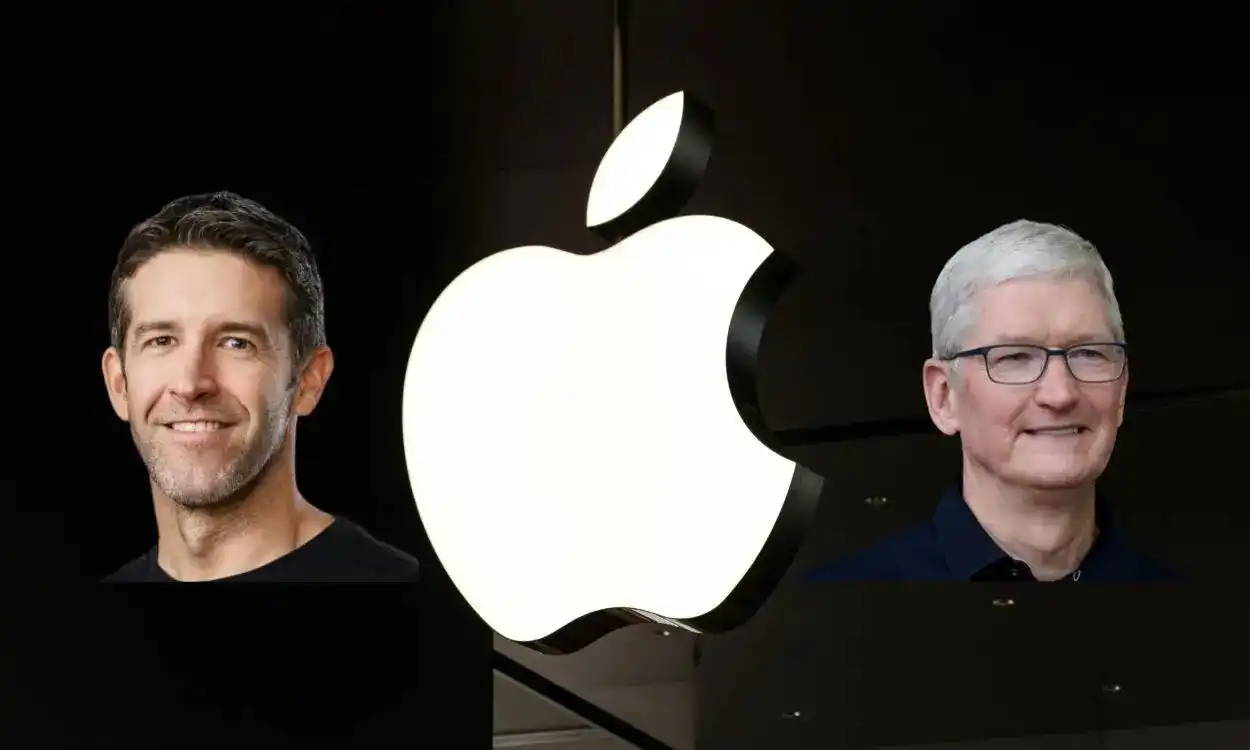
Крупнейшая по рыночной капитализации технологическая компания в мире Apple только что передала пост генерального директора человеку, практически не имеющему публичного имиджа.
20 апреля Apple объявила, что Тим Кук уйдет с поста генерального директора 1 сентября и перейдет на должность исполнительного председателя. Его преемник, Джон Тернус, 51 год, проработал в Apple 25 лет, а ранее занимал должность старшего вице-президента по аппаратному инжинирингу.
После объявления новости акции Apple упали во внеурочных торгах менее чем на 1%. Реакция рынка была спокойной, возможно, все уже догадывались, что это будет он.
За последний год Тернус все чаще появлялся на презентациях продуктов Apple. В прошлом году, когда вышел iPhone 17, именно он встречал первых покупателей у входа в лондонский флагманский магазин.
По сообщениям журналиста Bloomberg Марка Гурмана, PR-команда Apple с прошлого года сознательно направляла внимание общественности на эту личность.
Но если вы не слишком следите за презентациями аппаратного обеспечения Apple, вы вряд ли его видели. У него нет аккаунтов в социальных сетях, он крайне редко дает интервью, а на вопросы о слухах про преемственность отвечал всего пятью словами:
«Мне нравится моя нынешняя работа.»
Генеральные директора, оставившие след в истории Apple: Джобс был воплощением продуктовой интуиции и маркетингового таланта, Кук — эксперт в области цепочек поставок и операционной деятельности. Их стили кардинально различаются, но есть одно общее:
Ни один из них не был инженером.
Но Тернус — инженер. По образованию он инженер-механик, и с первого дня своей карьеры он имел дело с деталями, пресс-формами и производственными линиями. До прихода в Apple он работал в маленькой, почти никому не известной компании над шлемами виртуальной реальности, которые даже сегодня не получили широкого распространения.
И в тот момент, когда он принимает руководство Apple, самое тревожное для этой компании, возможно, как раз не связано с аппаратным обеспечением.
Скрытный инженер-«жестянщик»
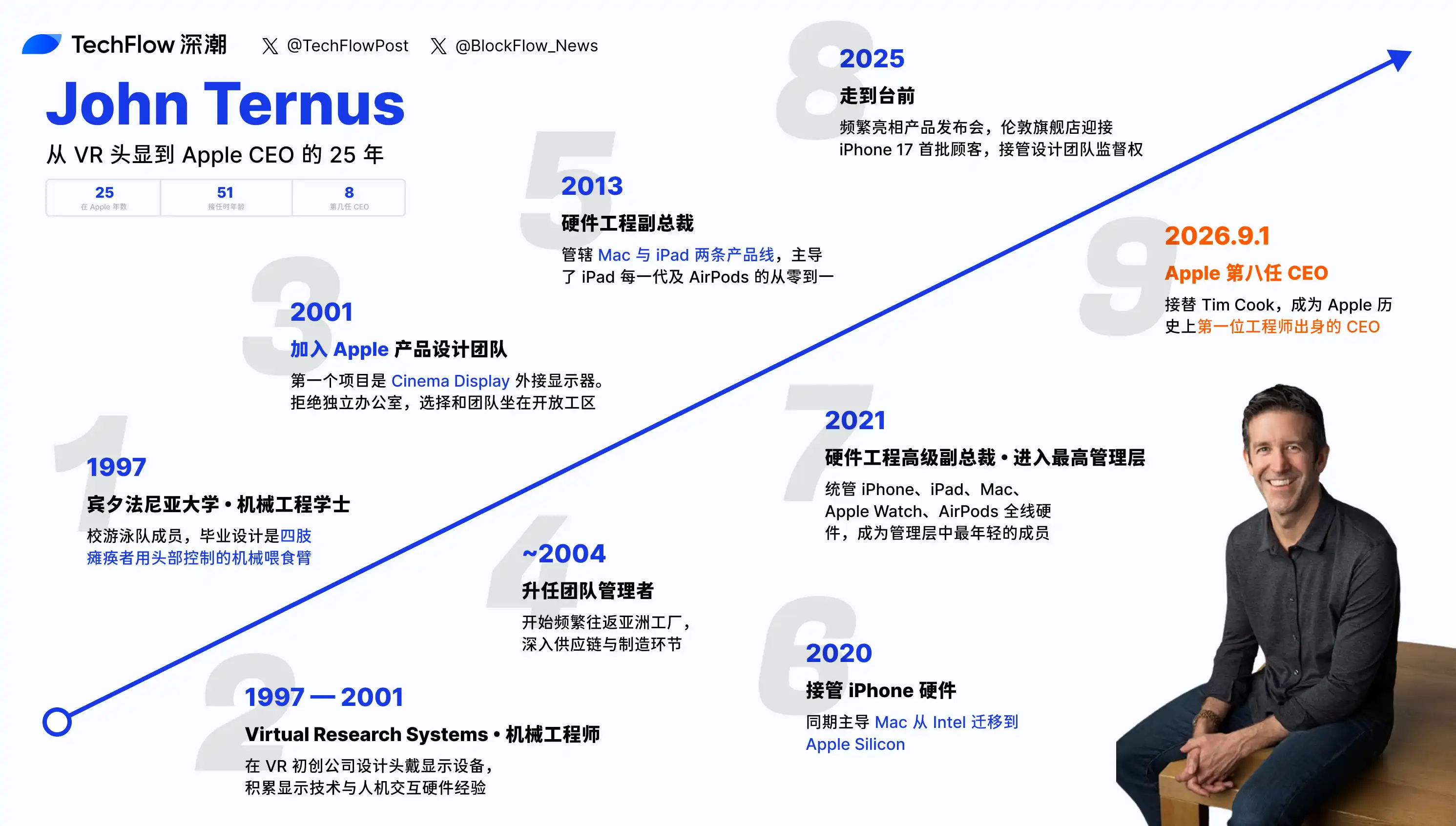
В 1997 году Тернус окончил факультет машиностроения Пенсильванского университета. В университете он был членом команды по плаванию, выигрывал чемпионаты в заплывах на 50 метров вольным стилем и 200 метров комплексом.
Согласно открытым данным, его дипломный проект представлял собой механическую руку для кормления, позволяющую людям с параличом всех четырех конечностей управлять манипулятором с помощью движений головы для приема пищи.
После выпуска он устроился в компанию под названием Virtual Research Systems, где работал инженером-механиком над шлемами виртуальной реальности.
В 1997 году индустрия VR была за двадцать лет до того, как Meta вложит сотни миллиардов в метавселенную, и очень далеко до того, как Apple сама выпустит Vision Pro. Эта компания впоследствии тоже не добилась особых успехов, но Тернус проработал там четыре года, ежедневно имея дело с аппаратным обеспечением для технологий отображения и взаимодействия человека с компьютером.
В 2001 году он присоединился к Apple, попав в команду разработки продуктов.
В том году Джобс только что вытащил компанию с грани краха, iPod еще не был выпущен, а до iPhone оставалось шесть лет. Первой задачей Тернуса стала работа над Cinema Display, линейкой внешних мониторов Apple того времени.
По сообщению The New York Times, его первый начальник в Apple, Стив Зиферт, вспоминал, что когда Тернус поднялся до руководящей должности и его перевели на новый этаж, где ему полагался отдельный кабинет, он предпочел остаться в открытом пространстве и сидеть вместе с командой.
Когда Зиферт уходил на пенсию, он оставил ему свой кабинет, но Тернус снова отказался.
Начав с мониторов, Тернус steadily продвигался вверх. Согласно официальной информации Apple, он участвовал в разработке iPad с нуля и всех последующих поколений, а также руководил аппаратной разработкой AirPods. В 2013 году он был повышен до вице-президента по аппаратному инжинирингу, а в 2021 году сменил предшественника на посту старшего вице-президента по аппаратному инжинирингу, официально войдя в высшее руководство Apple.
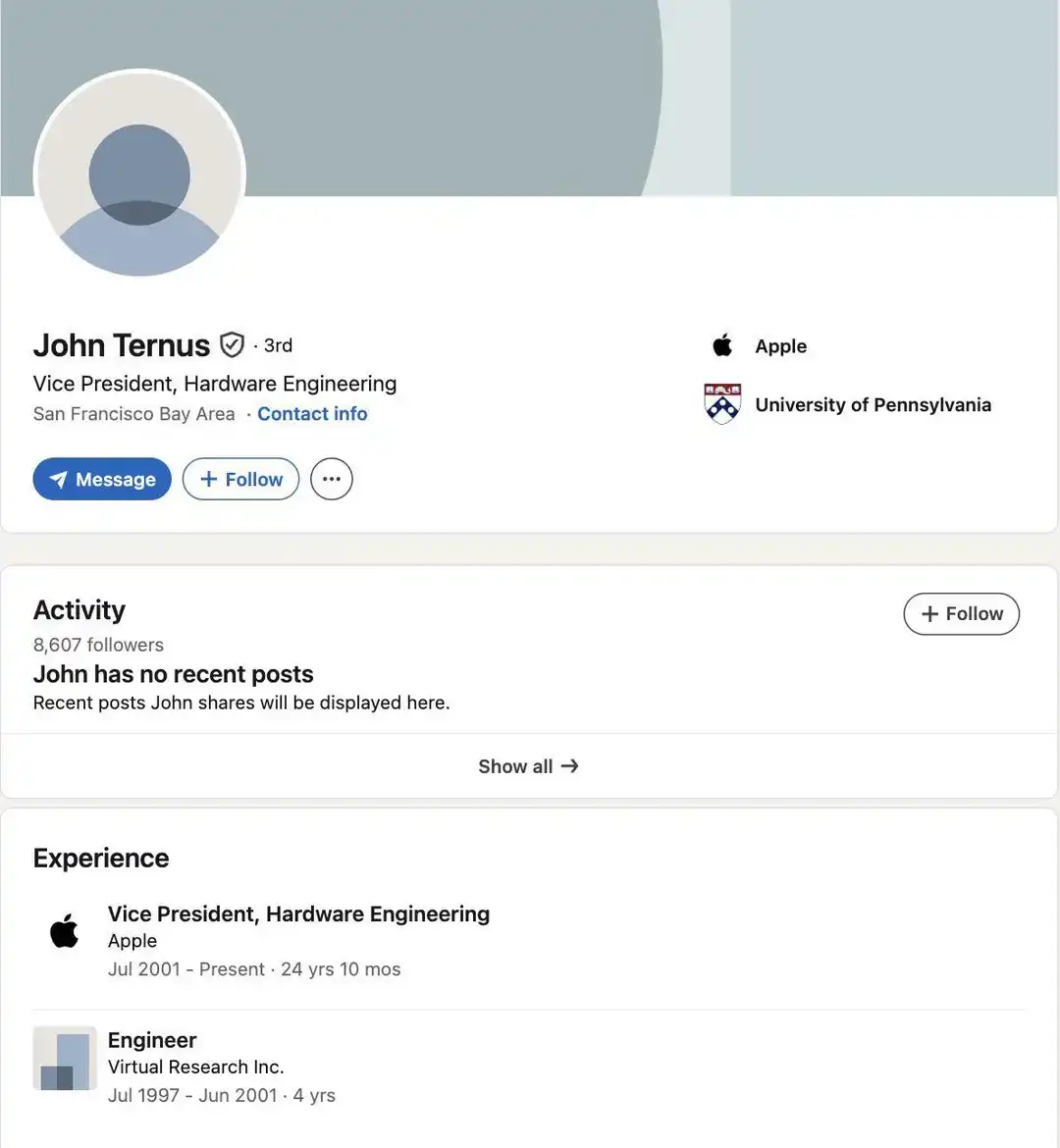
Проверив его LinkedIn, обнаруживается, что Тернус пугающе скромен: у него даже нет аватара и никаких публикаций. Возможно, до сегодняшнего дня он не придавал значения поддержанию внешнего имиджа, больше взаимодействуя с аппаратным обеспечением.
Внутри компании он также руководил событием, оказавшим глубокое влияние на Apple: перевод линейки Mac с чипов Intel на собственные чипы Apple.
В 2024 году он вернулся в свою альма-матер, Пенсильванский университет, и выступил с речью перед выпускниками инженерного факультета, сказав одну фразу, которая, как мне кажется, сегодня звучит довольно многозначительно.
«Всегда предполагайте, что вы так же умны, как и любой в комнате, но никогда не предполагайте, что вы знаете больше них».
Это звучит как скромность, но для человека, который вот-вот возьмет на себя управление крупнейшей технологической компанией в мире, это, возможно, больше похоже на инженерный инстинкт выживания: вы не можете знать всего, но вы должны знать, кто знает.
А компания, которую он сейчас принимает, оставляет ему наследство куда более сложное, чем один кабинет.
После Кука
Кук проработал генеральным директором Apple почти 15 лет, и результаты его работы являются легендарными для любой компании.
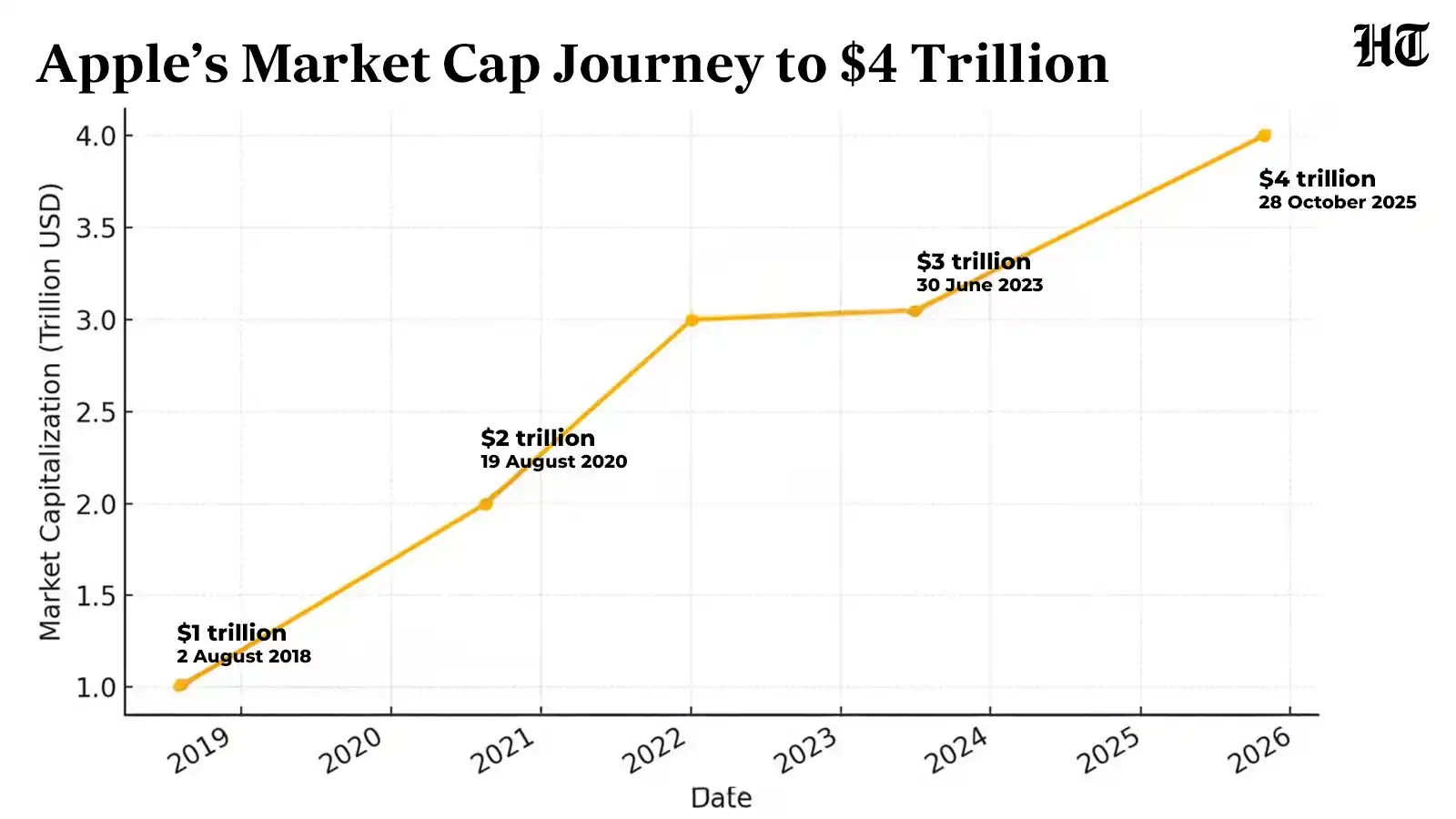
По данным CNBC, когда он принял компанию из рук Джобса в 2011 году, рыночная капитализация Apple составляла около 350 миллиардов долларов. На сегодняшний день эта цифра составляет 4 триллиона. Выросла более чем в десять раз.
Согласно последним финансовым данным Apple, годовая выручка компании превышает 400 миллиардов долларов, что почти в четыре раза больше, чем когда он вступил в должность. Он также превратил сервисный бизнес Apple, то есть доходы от программного обеспечения, такие как App Store, iCloud, Apple Music, в бизнес с годовой выручкой более 100 миллиардов долларов.
Генеральный директор с оперционным бэкграундом превратил компанию, driven продуктами, в самую прибыльную машину в мире. Я считаю, что уже одно это доказывает, что预言 (пророчество) «без Джобса Apple закончится» было ошибочным.
Но он также оставил несколько незавершенных дел.
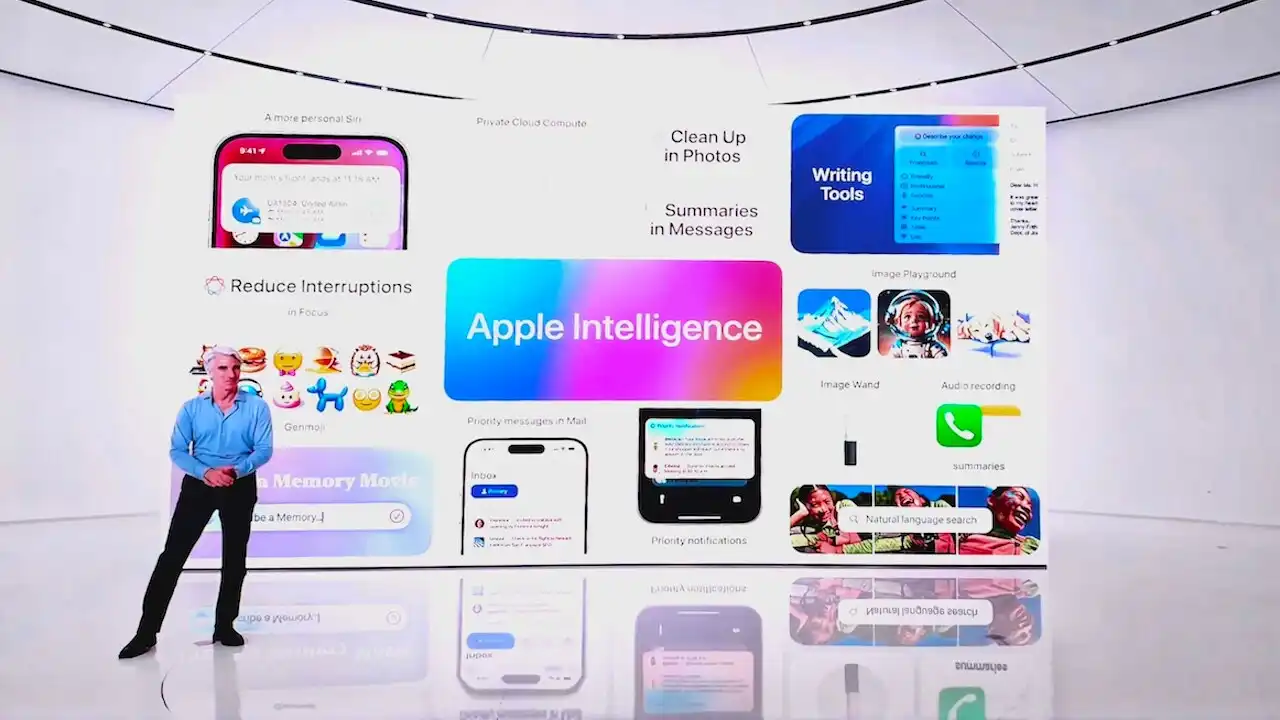
В 2024 году Apple с помпой представила Apple Intelligence, что стало официальным ответом компании на волну AI. Основным моментом кампании тогда был全新的 (совершенно новый), более умный голосовой помощник Siri.
Но это обещание до сих пор не выполнено. Siri годами высмеивали в гонке AI: пользователи могли потерпеть неудачу, просто попросив ее установить будильник, в то время как AI-ассистенты конкурентов уже могли писать код, проводить исследования и управлять расписанием.
В январе 2026 года Apple приняла показательное решение.
По данным CNBC, компания объявила о заключении многолетнего соглашения с Google о использовании большой языковой модели Gemini от Google в качестве технологической основы для базовой модели Apple, чтобы驱动 (приводить в действие) Siri следующего поколения. Согласно предыдущим сообщениям различных СМИ, Apple платит за это около 1 миллиарда долларов в год.
До этого Apple также тестировала технологии OpenAI и Anthropic, но в конечном итоге выбрала Google. Компания, известная тем, что «все делает сама», в вопросе AI выбрала платить за внешнюю помощь.
Что еще более неловко, сама эта внешняя解决方案 (решение) также отстает от графика.
Новая версия Siri с Gemini изначально планировалась к выпуску в iOS 26.4, но теперь часть функций, возможно, будет отложена до сентября этого года и выйдет вместе с iOS 27. Apple с 2024 года рисовала перспективы, но ни одна из ключевых AI-функций так и не была реализована.
У Кука была еще одна не очень удачная большая ставка — Vision Pro. Эти очки смешанной реальности стоимостью в тысячи долларов, выпущенные в 2024 году, встретили прохладный прием на рынке. Потребители не очень хотят платить такие деньги, чтобы привязывать к лицу компьютер весом более одного фунта (около 450 г).
То, что не удалось сделать Куку в этом сегменте, теперь перешло в руки человека, который разбирается в этом аппаратном обеспечении лучше него. Но проблемы VR-шлемов можно решать постепенно, а перед Тернусом стоят две более urgent (срочные) задачи.
8 июня Apple проведет ежегодную конференцию разработчиков WWDC, и ожидается, что это будет площадкой для официального дебюта новой версии Siri с Gemini. Это самый важный публичный экзамен для Apple на поле AI, а сдавать его будет инженер, всю жизнь занимавшийся hardware.
В сентябре, в том же месяце, когда Тернус официально вступит в должность генерального директора, Apple планирует выпустить свой первый в истории складной iPhone, стоимость которого может превышать 2000 долларов.
По сообщениям Bloomberg, график массового производства этого продукта уже сорвался, цепочки поставок напряжены, и первоначальные объемы поставок, скорее всего, будут ограничены.
Один экзамен по software, другой по hardware — оба усиливают нагрузку на нового CEO.
Силен в «железе», слаб в «софте»?
Apple одновременно передала два экзамена человеку, 25 лет занимавшемуся hardware. Так что за экзамен по hardware можно особо не беспокоиться.
Задержка массового производства складного iPhone — это проблема цепочки поставок, а Тернус с 2004 года постоянно курсирует между азиатскими фабриками и производственными линиями — это его самая знакомая территория.
То, что Apple выбрала его, а не человека с финансовым или software-бэкграундом, является четким сигналом. Это само по себе говорит о том, что совет директоров считает, что в ближайшие几年 (несколько лет) физическая форма продукта по-прежнему останется ключевым competitive преимуществом (конкурентным преимуществом) Apple.
Но с другим экзаменом все иначе.
AI — это самое большое слабое место Apple сейчас, и это становится вопросом выживания. Самый жестокий урок технологической индустрии за последние годы заключается в том, что impact (воздействие) AI на software-компании превзошло все ожидания по скорости.
Apple пока не в списке тех, кого заменят, потому что она по сути продает hardware. Но проблема в том, что если AI-experience (опыт взаимодействия с AI) на iPhone всегда будет хуже, чем на Android, то потребители рано или поздно проголосуют ногами.
А в новом резюме преемника Тернуса нет никакого опыта работы с software или AI. Он тот, кто может довести до массового производства концепцию магнитного крепления экрана iPhone, а не тот, кто решает, как Siri должна понимать фразу.
Все продукты, с которыми он имел дело в Apple — iPad, AirPods, Mac, переход на Apple Silicon — все это победы, определенные hardware. Насколько software удобен в использовании, никогда не было вопросом, на который ему нужно было отвечать.
После 1 сентября этот вопрос переходит к нему.
Распределение ролей в Apple показывает, что компания также осознает этот риск. После вступления Тернуса в должность аппаратное обеспечение переходит к Джонни Сруджи, ветерану Apple, работавшему над чипами почти 20 лет, его должность повышена до главного директора по hardware.
Кук остается в качестве исполнительного председателя, продолжая курировать глобальную политику и отношения с правительствами. Тернус был выведен из конкретных hardware-дел, и его внимание должно сместиться в сторону AI и общей стратегии.
Генеральный директор должен отвечать за направление. Какую именно роль играет AI в продуктах Apple? Это вспомогательная функция для hardware, как камера, или, наоборот, hardware становится носителем для AI?
Кук не ответил на этот вопрос, или, точнее, рынок не принял его ответ. Акции Apple в этом году практически не выросли, в то время как акции Google за тот же период выросли более чем на 20%.
То, что Кук уходит в ключевой для перехода Apple к AI момент, само по себе вызывает вопросы.
Теперь этот вопрос передан Тернусу. Человек, известный внутри Apple как «ближайший к продукту руководитель», внезапно должен задуматься о вопросе, максимально удаленном от продукта.
Однако я на самом деле не пессимистично настроен по поводу этого выбора.
У инженеров есть недооцененное преимущество: они привыкли признавать то, чего не понимают, а затем находить тех, кто понимает. В эпоху, когда генеральные директора соревнуются в представлении «я понимаю в AI больше, чем AI», человек, готовый сказать «я не понимаю, но я знаю, кто понимает», может оказаться более устойчивым.
Конечно, рынок и потребители не дадут ему слишком много времени, чтобы проверить эту гипотезу.