A Must-Read for Tax Residents: Do I Need to Pay Taxes on Crypto Asset Profits?

marsbitОпубликовано 2026-01-22Обновлено 2026-01-22

Введение

Chinese tax residents are required to declare and pay taxes on profits from cryptocurrency transactions, regardless of whether the transactions occur on anonymous wallets or decentralized exchanges (DEXs). According to Chinese tax laws, income from the sale of crypto assets is classified as "property transfer income" and is taxed at a flat rate of 20%. Key points include: - A Chinese tax resident is defined as someone with a domicile in China or who resides in the country for 183 days or more within a tax year. - Despite the perceived privacy of decentralized platforms, tax authorities can trace transactions through banking channels, international information exchange mechanisms like CRS, and enhanced surveillance systems such as "Golden Tax Phase IV." - Failure to declare such income may result in back taxes, late payment fees (0.05% per day), fines ranging from ¥2,000 to ¥10,000, or even criminal charges in severe cases. - Recommendations include maintaining detailed transaction records, using official channels to declare income, preserving proof of transactions, and consulting tax professionals for compliance and planning.

Original Authors: Xu Qian, Jin Weilin

Introduction

In recent years, more and more people have earned considerable income through crypto asset trading, but many are still wondering: Do I need to pay taxes on money earned in anonymous wallets or on decentralized exchanges?

To put it directly: If you are a Chinese tax resident, in principle, you should declare and pay taxes to the Chinese tax authorities according to the law on income from crypto assets obtained through any channel.
How is a "Chinese Tax Resident" Defined?

According to the "Personal Income Tax Law of the People's Republic of China", an individual who meets any of the following conditions is considered a Chinese tax resident:

1. Has a domicile in China

Domicile: Refers to an individual who habitually resides in China due to household registration, family, main economic interests, or other reasons.

If your household registration (hukou) or family's center of gravity is in China, or your main life, work, and economic ties are in China, you may still be recognized as a tax resident even if you are often overseas.

2. Has resided in China for an aggregate of 183 days or more within a tax year

This is a clear time-based criterion. Even if you are a foreign national, as long as you reside in China for an aggregate of 183 days or more within one year, you are considered a Chinese tax resident.

Mankun Reminder:

Whether you are recognized as a tax resident due to "domicile" or "length of residence", once you meet the criteria, you need to declare and pay taxes to China on your worldwide income (including domestic and foreign income) according to the law.

Why Do Crypto Asset Profits Also Require Tax Payment?

Many people believe that since crypto assets are restricted domestically, the related profits are also "tax-free". This is a common misconception. Taxation focuses on whether you have income, not whether that income comes from an encouraged industry.

1. What is the nature of crypto assets?

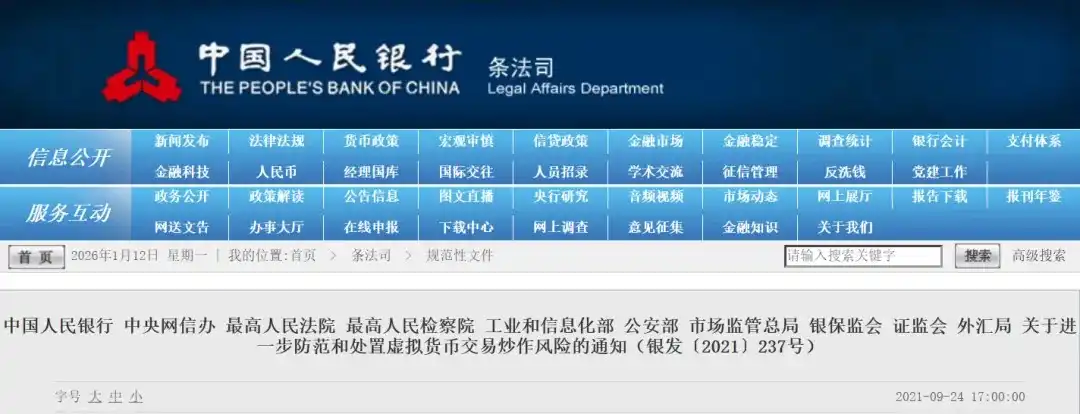
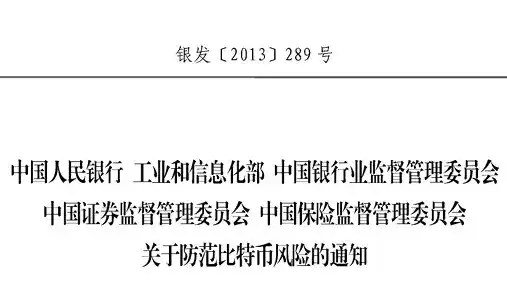
According to the "Notice on Preventing Bitcoin Risks" (Yin Fa [2013] No. 289) issued by the People's Bank of China and four other ministries, the "Announcement on Preventing Risks from Token Offering Financing" issued by the PBOC and six other ministries on September 4, 2017, and the "Notice on Further Preventing and Dealing with Virtual Currency Trading Speculation Risks" issued by the PBOC and nine other ministries on September 24, 2021, virtual currencies cannot be circulated as currency, but their property attributes as a "virtual commodity" are not denied. That is, the law recognizes them as tradable property.

2. What are the corresponding tax regulations?

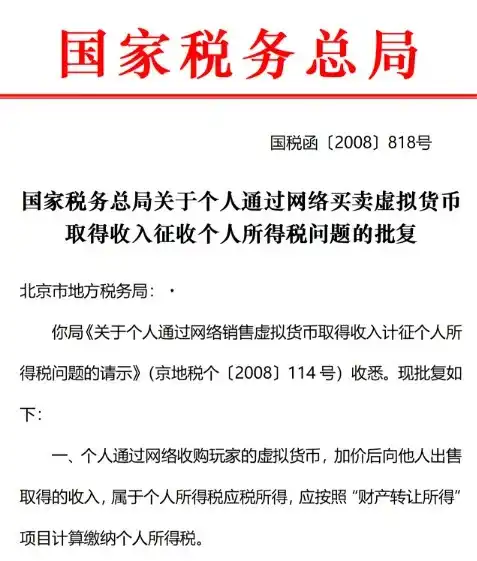
The "Reply of the State Administration of Taxation on the Levy of Personal Income Tax on Income Obtained by Individuals Buying and Selling Virtual Currency Online" (Guo Shui Han [2008] No. 818) clearly states: Income obtained by individuals from buying and selling virtual currency online belongs to "income from the transfer of property" and shall be subject to personal income tax according to the law.
3. Conclusion and Tax Rate

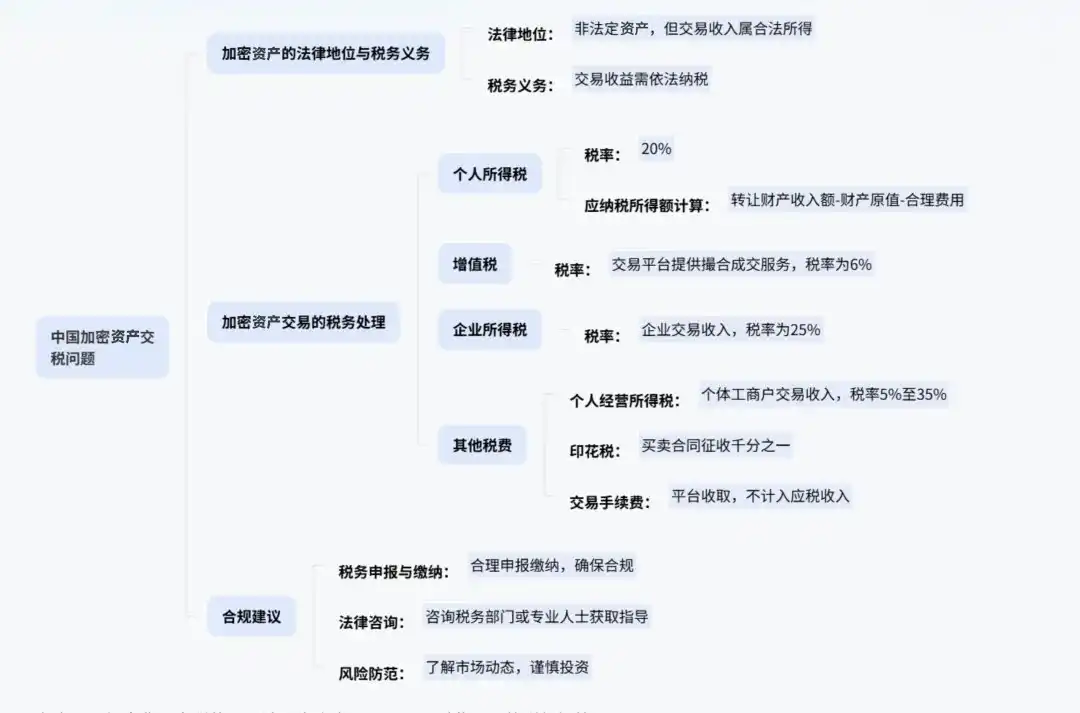
Therefore, regardless of which crypto asset you trade, as long as the transaction generates profit, this portion of the income is considered "income from the transfer of property" and should be subject to personal income tax at a rate of 20% according to the law.

In short: Taxation does not distinguish by industry; it only looks at income. Profits from crypto asset trading are considered income from property transfer and require declaration and payment of 20% personal income tax.

Do I Need to Declare Profits from Anonymous Wallets and DEX Trades?

Some investors believe that using decentralized wallets (like MetaMask) or trading on decentralized exchanges (like Uniswap) is anonymous and therefore untraceable by tax authorities. However, in the current regulatory and technological environment, this thinking carries significant risks.

1. The fund repatriation stage can still be traced

The vast majority of investors ultimately convert their crypto assets into fiat currency through OTC or compliant platforms and transfer it into domestic bank accounts.

Once funds enter the banking system, they fall under the purview of tax authorities. Transactions that are large in amount or high in frequency can easily trigger bank risk control systems, subsequently drawing attention from tax departments.

2. International tax information exchange mechanisms are now routine

China has joined the CRS (Common Reporting Standard) for the Automatic Exchange of Financial Account Information in Tax Matters, achieving automatic tax information exchange with over a hundred countries worldwide. If you have an account with an overseas exchange or bank, the relevant account information has likely already been exchanged back with the Chinese tax authorities.

3. "Golden Tax Project Phase IV" has strengthened data supervision capabilities

The "Golden Tax Phase IV" system utilizes big data, AI, and other technologies to achieve data linkage between tax, banking, customs, industry and commerce, and other departments. The system can automatically compare declared personal income with actual consumption and asset situations. Once a significant discrepancy is found, it triggers a tax warning.

Therefore, even if the trading activity occurs on-chain or overseas, as long as the final profits enter your name or are used for your living expenses in some form, there is a risk of being discovered by the tax authorities and being required to pay back taxes.

What Are the Consequences of Not Declaring Crypto Asset Income?

If the tax authorities discover that you have not declared income from overseas crypto assets, you may face the following legal consequences:

1. Back Taxes and Late Payment Surcharges

The tax authorities will order you to pay the taxes that should have been paid but were not, and, according to Article 32 of the "Law of the People's Republic of China on the Administration of Tax Collection", a late payment surcharge of 0.05% per day (approximately 18.25% annualized) will be added. The longer the time, the larger the accumulated amount.

2. Facing Tax Penalties

If deemed as "failure to file a tax return", a fine of up to RMB 2,000 may be imposed; if the circumstances are more severe, a fine between RMB 2,000 and RMB 10,000 may be imposed.

If deemed as "tax evasion" (refusing to declare or making false declarations after being notified), a fine of 50% to 5 times the amount of tax evaded or not paid will be imposed.

3. Possible Criminal Liability

If the amount of tax evaded is relatively large and accounts for more than 10% of the tax payable, and payment is still not made after the tax authorities have legally issued a recovery notice, it may constitute the crime of tax evasion, leading to criminal liability.

Mankun Reminder:

Not declaring crypto asset income may seem "hidden", but it actually carries multiple risks, from high late payment surcharges and substantial fines to potential criminal liability. We recommend proactive compliance and reporting to avoid subsequent legal and financial risks.

Mankun's Recommendations

If you have earned income from trading crypto assets, especially if funds have already been repatriated to domestic accounts, Mankun Law Firm recommends that you:

1. Proactively organize your transaction records

It is advisable to try to organize a clear transaction history, including the time, quantity, and price of purchases and sales, and focus on retaining proof that can demonstrate the "cost" of the assets, such as bank transfer records, exchange transaction details, on-chain transaction hashes, etc.

The more complete the cost documentation, the more accurate the calculation of taxable income, and the more reasonable the tax burden.

2. Consider proactive declaration or self-review

  • If you have not yet received notice from the tax authorities, you can declare through the "Personal Income Tax" APP or on the Natural Person Electronic Tax Bureau website.
  • According to regulations, the declaration should be submitted to the competent tax authority in the location of your employing unit; if you are not employed, you can file with the tax authority in your place of household registration, place of habitual residence, or place of main source of income.
  • If you have already received reminders from the tax authorities via text message, phone call, etc., please cooperate actively, truthfully explain the source of funds, and prepare relevant supporting materials such as transaction records.

3. Retain all transaction vouchers

Develop the habit of long-term retention of transaction screenshots, wallet addresses, transfer records, exchange statements, and other materials. These are not only the basis for calculating taxes but also key evidence for explaining and proving the authenticity of transactions during tax inspections.

4. Plan reasonably within compliance boundaries

If your trading is frequent and involves large amounts, you might consider tax planning within the legal boundaries, such as managing assets through compliant structures or legally applying tax treaties. It is recommended to consult professional tax lawyers or accountants during this process to ensure the plan is sound and feasible.

Conclusion

In today's world intertwined with the digital economy and globalization, tax compliance has become a required course for every investor. Although the world of crypto assets has a "decentralized" flavor, tax obligations do not disappear because of it.

Proactively understanding regulations, truthfully declaring income, and properly retaining vouchers are not only a respect for the law but also long-term protection for your asset and credit security.

If you have questions or need assistance regarding crypto asset taxation, you can seek professional support early to ensure steady progress on a compliant track.


Связанные с этим вопросы

QWho is considered a tax resident in China according to the article?

AAccording to the Personal Income Tax Law of China, an individual is considered a tax resident if they either 1) have a domicile in China (due to household registration, family, or main economic interests), or 2) have resided in China for a cumulative total of 183 days or more within a single tax year.

QHow are profits from cryptocurrency assets classified for tax purposes in China?

AProfits from cryptocurrency transactions are classified as 'property transfer income' and are subject to a 20% personal income tax, as stipulated in the official tax document Guo Shui Han [2008] No. 818.

QWhat are the potential consequences of not declaring cryptocurrency investment income in China?

AConsequences include being required to pay back taxes plus a late payment fee of 0.05% per day, facing fines ranging from under ¥2,000 to up to five times the amount of tax evaded, and potentially facing criminal charges for tax evasion if the amount is large and constitutes over 10% of the total tax payable.

QWhy does the article state that trading on anonymous wallets or DEXs does not avoid tax obligations?

ABecause funds are typically converted to fiat currency and enter the domestic banking system, which is monitored. China's participation in the CRS allows for international information exchange, and the 'Golden Tax Project Phase IV' uses big data to cross-reference income declarations with spending and assets, creating a high risk of detection.

QWhat practical advice does the article give to someone who has made profits from crypto assets?

AThe advice is to: 1) Proactively organize clear transaction records (time, quantity, price, and proof of cost); 2) Consider making a voluntary declaration via the 'Personal Income Tax' app or tax bureau website; 3) Keep all transaction proof long-term; and 4) Seek professional tax or legal advice for complex situations to ensure compliance.

Похожее

Заработок в миллион на электриках: Meta спешно открывает собственное ПТУ

Новый этап конкуренции в сфере искусственного интеллекта столкнулся с неожиданным препятствием — острой нехваткой квалифицированных технических специалистов, особенно электриков и строителей, для возведения сверхмощных центров обработки данных. В США, согласно прогнозам, к 2030 году для инфраструктуры ИИ потребуется дополнительно 130 000 электриков и 240 000 строителей, однако ежегодно остается незаполненными около 80 000 вакансий электриков. Компании, такие как OpenAI (проект "Stargate" стоимостью $160 млрд), Meta и Microsoft, сталкиваются с огромными убытками из-за задержек строительства. Например, задержка ввода центра мощностью 60 МВт может обернуться потерей $14,2 млн в месяц. Причина спроса — беспрецедентная сложность строительства ИИ-центров. Они потребляют колоссальную энергию (сотни мегаватт), требуют уникальных систем электроснабжения и охлаждения (жидкостное или иммерсионное), что делает работу высококвалифицированных монтажников, сантехников и инженеров незаменимой. Для решения проблемы кадрового голода ИИ-гиганты начали масштабные программы обучения. Meta инвестировала $115 млн в создание собственной школы строителей с бесплатным обучением и стипендией, а OpenAI сотрудничает с профсоюзами. Активная вербовка ведется даже среди старшеклассников. Потребление энергии ИИ-центрами растет экспоненциально, опережая общий рост энергопотребления в 16 раз и увеличивая счета за электричество для потребителей. Однако строительство таких объектов носит проектный характер: для возведения центра "Stargate" требуется 6400 рабочих, а для его обслуживания — всего 100-1000. Это создает риск перенасыщения рынка труда после завершения строительного бума, что может привести к падению зарплат в отрасли.

marsbit55 мин. назад

Заработок в миллион на электриках: Meta спешно открывает собственное ПТУ

marsbit55 мин. назад

OpenAI больше не зарабатывает на самых дорогих моделях

В статье говорится о том, что OpenAI скорректировала цены на свои модели ИИ. Флагманская модель GPT-5.6Luna подешевела на 80%, а Terra — на 20%. Но главное не в этом, а в смене стратегии. OpenAI впервые рекомендует клиентам использовать не самую мощную и дорогую модель для всех задач, а подбирать модель под конкретную задачу. Например, для сложного планирования можно использовать Sol, а для рутинного выполнения — более дешевую Luna. Аналогичные шаги предприняла и Anthropic, выпустив более доступную модель Claude Opus 5. Это говорит о том, что индустрия переходит от гонки за "самым умным" ИИ к созданию "массовых" решений. Флагманские модели остаются для демонстрации технологического лидерства, а основную прибыль приносят более дешевые и эффективные модели для повседневного использования. OpenAI также отмечает, что снижение цен стало возможным благодаря тому, что сами модели ИИ теперь участвуют в оптимизации своего собственного кода и процессов, создавая цикл ускоренного снижения затрат. Ключевая мысль: бизнес-модель смещается от продажи "интеллекта" к продаже "потребления" (API-вызовов). Цель — стать неотъемлемой частью бизнес-процессов, как электричество, делая миграцию на другую платформу слишком дорогой. Будущее ИИ — не в громких флагманских релизах, а в повсеместной и невидимой интеграции.

marsbit55 мин. назад

OpenAI больше не зарабатывает на самых дорогих моделях

marsbit55 мин. назад

Предполагаемая 4-я волна атак на Coldcard уносит 389 биткоинов: Галактики Торн

Пользователям аппаратных кошельков Coldcard угрожает новая волна скоординированных краж биткойнов, произошедшая всего через несколько дней после первой атаки в четверг. Алекс Торн, глава исследований Galaxy, сообщил в понедельник о 218 транзакциях, затронувших 462 потенциальных адреса жертв, в результате чего было перемещено около 388,9 BTC. Торн отметил, что активность составляла в среднем 13,8 переводов на блок, что примерно в 45 раз выше обычного уровня. Большинство средств переводились на новые уникальные адреса, а не в один центральный кошелек. Часть средств уже была перемещена на адреса второго уровня. Исследователь заявил, что эти транзакции, вероятно, направлены против пользователей Coldcard, так как соответствуют характеру уязвимых неделимых выходов транзакций (UTXO) кошелька. В мемпуле также находятся ожидающие подтверждения похожие транзакции. Пострадавшие пользователи, контролирующие ключи, могут попытаться опередить злоумышленников, отправив конфликтующую транзакцию с более высокой комиссией для перевода средств на безопасный кошелек. Данные инциденты связаны с ранее необнаруженным недостатком в прошивке Coldcard, из-за которого некоторые устройства генерировали сиды кошельков с меньшей энтропией. По последним оценкам, затронуто более 1100 кошельков, а сумма украденных средств достигла 90 миллионов долларов.

cointelegraph1 ч. назад

Предполагаемая 4-я волна атак на Coldcard уносит 389 биткоинов: Галактики Торн

cointelegraph1 ч. назад

Обязательно ли ФРС повысит ставки в сентябре? Как это повлияет на криптовалюты и фондовый рынок?

За последнюю неделю рыночные ожидания повышения ставки ФРС в сентябре резко выросли с менее чем 50% до более чем 80%, что оказало давление на криптовалюты и связанные с ними акции. Ключевой причиной стал рост цен на нефть из-за эскалации геополитической напряженности вокруг Ормузского пролива, что усилило опасения по поводу инфляции. На июльском заседании ФРС сохранила ставку, но расклад голосов 9-3 в пользу сохранения показал усиление позиций сторонников ужесточения политики. Следующим важным ориентиром станут данные по инфляции (CPI) за июль, публикация которых 12 августа может существенно скорректировать ожидания. Для крипторынка, в частности для Bitcoin, усиление ожиданий повышения ставок создает краткосрочное давление, поскольку активы, не приносящие доход, становятся менее привлекательными. Однако исторически Bitcoin демонстрировал устойчивость, когда траектория повышения ставок уже была учтена рынком. Решающим фактором часто является не сам факт повышения, а изменение ожиданий относительно будущего цикла монетарной политики. Акции компаний, связанных с криптоиндустрией, такие как Coinbase и MicroStrategy, обычно демонстрируют более высокую волатильность в ответ на изменение ожиданий по ставкам. Для рынка акций в целом, особенно для технологического сектора с высокими оценками, рост стоимости заимствований может увеличить давление на мультипликаторы. Это совпадает с сезоном отчетности, когда инвесторы начали более пристально оценивать, приводят ли высокие капитальные затраты компаний на ИИ к реальному росту выручки и денежных потоков. Если ФРС повысит ставки в сентябре, толерантность рынка к "историям роста" за счет "сжигания денег" может снизиться, что усилит волатильность.

marsbit1 ч. назад

Обязательно ли ФРС повысит ставки в сентябре? Как это повлияет на криптовалюты и фондовый рынок?

marsbit1 ч. назад

Биткоин-майнеры массово сдаются, но их акции растут

Автор: Matt Crosby Хэшрейт сети Биткоин продолжает снижаться несколько месяцев подряд, а сложность майнинга зафиксировала одно из самых резких падений в истории. Обычно это означает, что майнеры отключают оборудование из-за нерентабельности. Однако в этот раз акции публичных майнинговых компаний демонстрируют один из лучших результатов за последние годы, в то время как цена BTC значительно снизилась. Исторически давление на майнеров и падение цены происходили синхронно, но сейчас наблюдается их расхождение, и рынок, возможно, ещё не полностью оценил долгосрочные последствия этого для хэшрейта. **Ключевые моменты:** * Хэшрейт сигнализирует об одной из самых продолжительных фаз капитуляции майнеров. * Сложность майнинга упала на 19,9% от пика, что является третьим самым глубоким снижением с эпохи ASIC-майнеров. * Акции майнинговых компаний значительно опередили BTC по доходности за год, несмотря на продажу тысяч биткоинов. * Доход от вознаграждения за блок в пересчёте на BTC достиг рекордно низкого суточного уровня. * Средний доход от комиссий за последние 28 дней даже не покрывает субсидию за один блок. Майнеры действительно капитулируют. Снижение сложности на 19,9% — это механизм протокола, работающий как задумано. Лишь два аналогичных периода были глубже, один из которых последовал за запретом майнинга в Китае. При этом акции крупнейших публичных майнеров выросли на 430% за год, тогда как BTC упал примерно на 46%. Это резкий отход от их традиционной роли "BTC с левериджем". Основной драйвер роста — нарратив об искусственном интеллекте (ИИ), который изменил корреляцию между этими активами. Доход майнеров от вознаграждения за блок (субсидии) в биткоинах достиг исторического минимума. Это следствие предсказуемого механизма халвинга, сокращающего эмиссию каждые четыре года. Хотя пока рост цены BTC компенсировал это снижение в долларовом выражении, показатель Puell Multiple (около 0,75) указывает, что текущий ежедневный доход (~$30 млн) ниже годового среднего (~$40 млн). В долгосрочной перспективе субсидию должны заменить комиссии. Однако сейчас они составляют лишь около $200 тыс. в день против $30 млн от субсидий. Среднесуточных комиссий за месяц не хватает даже на покрытие одного блока, в то время как сеть создаёт около 144 блоков в день. Эта фаза капитуляции отличается от предыдущих. Майнеры нашли более прибыльное применение своему оборудованию (ИИ) на фоне падения цены BTC, сокращения субсидий и стагнации комиссий. Хотя непосредственных рисков для безопасности сети нет, текущая ситуация highlights структурные вопросы激励机制 майнеров, которые в медвежьем рынке требуют большего внимания, чем в условиях бычьего тренда.

marsbit1 ч. назад

Биткоин-майнеры массово сдаются, но их акции растут

marsbit1 ч. назад

Торговля

Спот
活动图片