Автор: Cointelegraph
Компиляция: AididiaoJP, Foresight News
Ключевые моменты
- Кратковременное отклонение в цене залога wstETH на 2,85% вызвало ликвидации примерно на 27 миллионов долларов в Aave. Этот инцидент демонстрирует, что даже незначительные технические проблемы в автоматизированных системах DeFi-кредитования могут привести к серьезным финансовым последствиям.
- Волна ликвидаций произошла из-за того, что система Aave временно оценила стоимость wstETH примерно в 1,19 ETH, в то время как рыночная стоимость была близка к 1,23 ETH, что привело к ошибочной классификации некоторых заемных позиций как недостаточно обеспеченных.
- Оракулы цен являются ключевой инфраструктурой DeFi, отвечающей за передачу внешних рыночных данных в смарт-контракты для определения стоимости залога, оценки состояния кредитов и запуска автоматических ликвидаций.
- Корень проблемы заключался не в сбое источника ценовых данных, а в неправильной конфигурации модуля риск-оракула CAPO в Aave. Устаревшие параметры смарт-контракта в этом модуле установили временный предел на курс токена.
Протоколы DeFi полагаются на автоматизированную логику для обработки всего: от управления залогом до оценки рисков. Хотя этот механизм создает по-настоящему открытую финансовую систему без разрешений, он также означает, что незначительные технические проблемы могут быстро усилиться и вызвать серьезные финансовые потрясения.
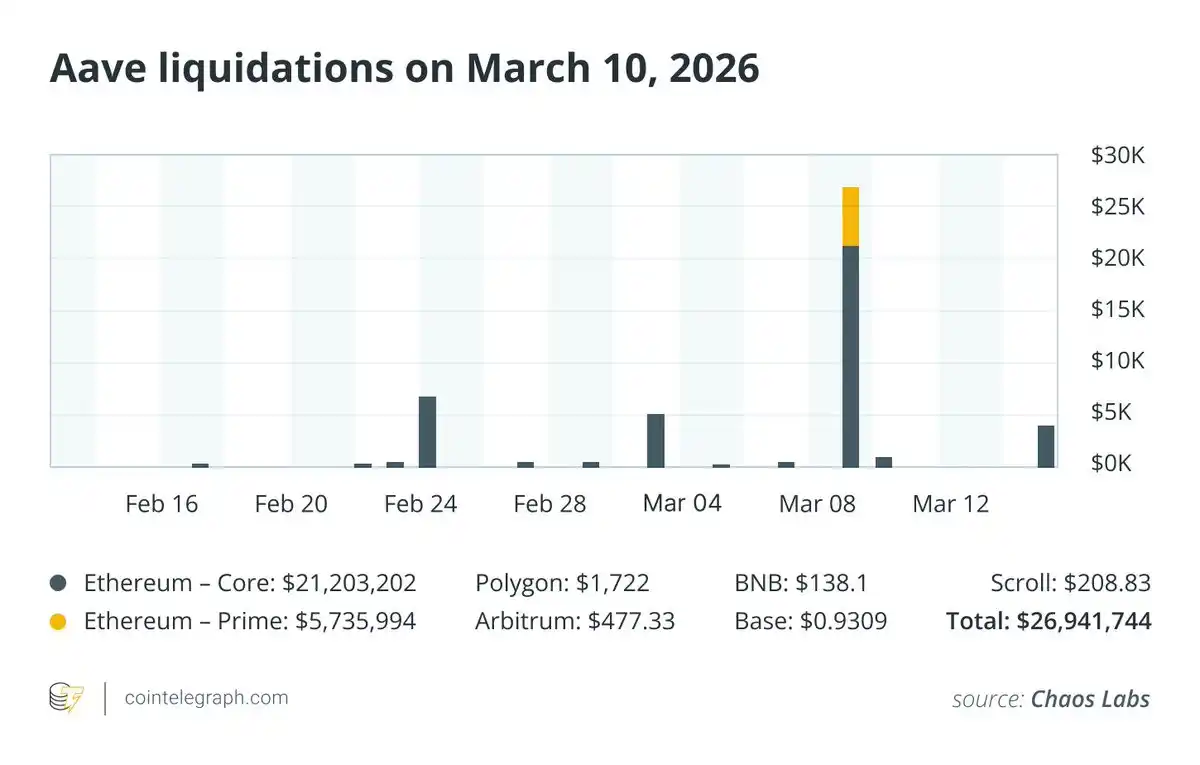
Согласно отчету агентства по мониторингу рисков Chaos Labs, рыночный спад 10 марта 2026 года вызвал ликвидацию заемных позиций примерно на 27 миллионов долларов в Aave, наглядно продемонстрировав эту уязвимость. В течение 24 часов были ликвидированы пользовательские позиции на сумму около 27 миллионов долларов. Неожиданностью стало то, что это событие было вызвано не массовой рыночной распродажей, а кратковременным отклонением в цене на 2,85% у залога в виде wrapped staked ETH (wstETH).
Этот инцидент является мощным напоминанием о том, что надежность ценовых оракулов и надежные рамки управления рисками имеют crucialное значение для поддержания стабильности экосистемы DeFi.
В этой статье объясняется, как отклонение в цене залога wstETH на 2,85% вызвало ликвидации на сумму около 27 миллионов долларов в кредитном протоколе Aave. Статья уделяет особое внимание анализу того, как конфигурация оракула, параметры смарт-контрактов и механизмы автоматической ликвидации усилили небольшую ошибку в ценообразовании на рынке DeFi.
Внезапный всплеск ликвидаций
Когда на рынке Aave возникла волна ликвидаций, Chaos Labs, внимательно следящая за аномальной активностью в кредитных протоколах, быстро выявила и сообщила об этой ситуации. Первоначально наблюдатели рынка предполагали, что произошел сбой ценового оракула, приведший к неправильной оценке залоговых активов на платформе.
Ценовые оракулы играют ключевую роль моста, предоставляя внешние рыночные цены для ончейн-приложений. В кредитных протоколах, таких как Aave, эти данные напрямую определяют, достаточно ли у заемщика залога для покрытия его кредита. Как только стоимость залога падает ниже требуемого порога безопасности, система автоматически ликвидирует эту позицию.
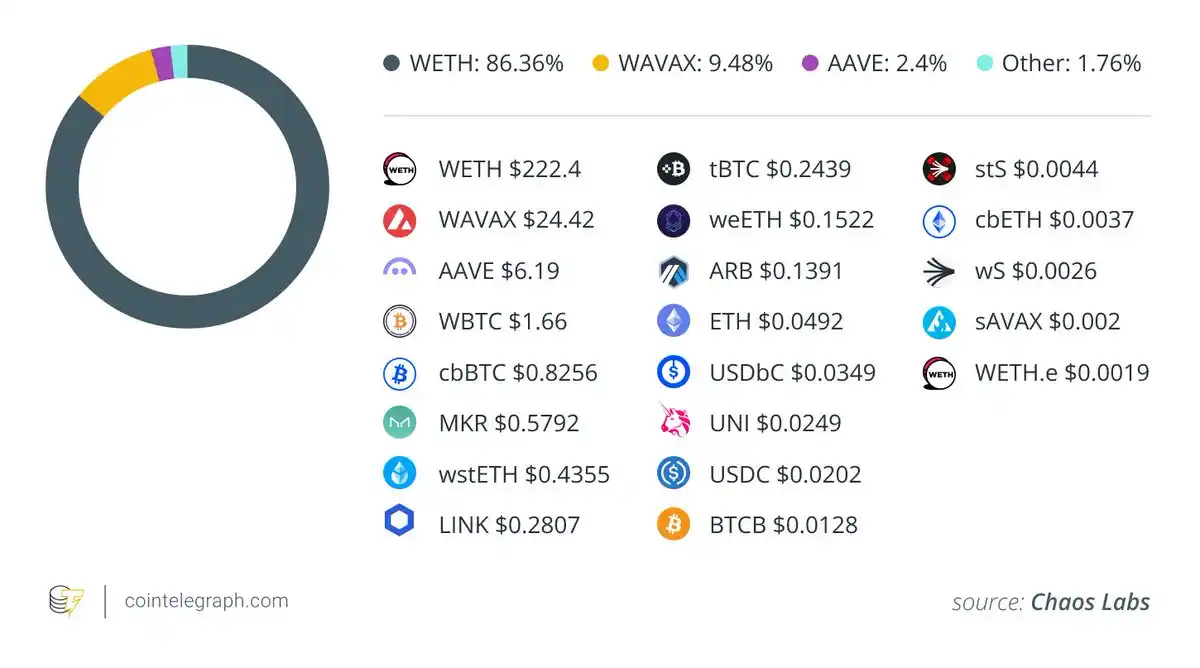
Ключевым активом в этом инциденте был wstETH — токен, широко используемый в качестве залога в экосистеме DeFi-кредитования.
Скорость ликвидаций на кредитных протоколах, таких как Aave, обычно намного выше, чем при традиционных маржин-коллах. Поскольку рынки DeFi работают круглосуточно через автоматизированные смарт-контракты, позиция может быть ликвидирована за секунды, как только коэффициент обеспечения упадет ниже установленного порога.
Что такое wstETH?
wstETH (wrapped staked Ether) — это токен, выпускаемый протоколом ликвидного стейкинга Lido.
Когда пользователи стейкают эфир через Lido, они сначала получают stETH, который представляет собой их основную сумму стейкинга ETH и накопленные стейкинг-вознаграждения. Для повышения совместимости с различными приложениями DeFi, stETH может быть «обернут» в wstETH.
Из-за постоянного накопления стейкинг-вознаграждений стоимость 1 wstETH обычно немного выше, чем 1 ETH. Эта характеристика делает его привлекательным и широко используемым типом залога на рынках DeFi-кредитования.
Инцидент с отклонением в цене
Во время этой волны ликвидаций возникло расхождение между фактической рыночной стоимостью wstETH и оценкой, используемой риск-системой Aave. Алгоритм Aave оценил wstETH примерно в 1,19 ETH, в то время как более широкая рыночная оценка в то время составляла около 1,23 ETH.
Разница в оценке примерно в 2,85% заставила позиции, использующие wstETH в качестве залога, казаться более недостаточно обеспеченными, чем они были на самом деле.
Следовательно, некоторые заемные позиции упали ниже требуемого порога безопасности, что запустило автоматический процесс ликвидации в Aave.
Почему ценовые оракулы так важны в DeFi
Ценовые оракулы являются фундаментальной инфраструктурой DeFi. Поскольку сами блокчейны не могут получить доступ к данным реального рынка, они должны полагаться на сервисы оракулов для предоставления внешней ценовой информации об активах. Эти ценовые данные напрямую влияют на:
- Оценку залога
- Состояние заемных позиций
- Основу для решений о触发 ликвидации
Как только о залоге сообщается как о падающем в цене, протокол может счесть кредит недостаточно обеспеченным и автоматически ликвидировать соответствующую позицию.
Поскольку этот механизм полностью управляется алгоритмами, даже небольшие отклонения в ценообразовании могут вызвать серьезные каскадные эффекты.
В сфере DeFi небольшие ценовые отклонения также могут иметь огромное влияние. Кратковременные колебания цен оракула или рыночных цен, даже всего на несколько процентов, могут вызвать каскадные ликвидации. Этот риск особенно высок, когда большое количество заемщиков используют позиции с высоким кредитным плечом и волатильные криптовалюты в качестве залога.
Истинная причина: ошибка конфигурации риск-оракула CAPO
Глубокое расследование подтвердило, что основной ценовой оракул Aave работал нормально.
Проблема фактически заключалась в модуле риска «Связанный активный ценовой оракул» (CAPO), который представляет собой дополнительный защитный слой для конкретных активов.
Основная функция CAPO — устанавливать ограничение на скорость роста стоимости таких доходных токенов, как wstETH, с целью защиты от внезапных скачка цен или потенциальных атак на оракула.
Однако в этом случае несогласованность конфигурации внутри модуля CAPO привела к проблеме.
Технический анализ ошибки
Chaos Labs disclosed, что проблема возникла из-за устаревших параметров, хранящихся в смарт-контракте.
Два ключевых параметра не были синхронизированы:
- Эталонный курс обмена
- Связанная с этим курсом метка времени
Поскольку эти два параметра не обновлялись синхронно, CAPO рассчитал временный верхний предел допустимого курса, который был ниже фактического рыночного курса на тот момент.
Это привело к тому, что протокол оценил wstETH примерно на 2,85% ниже рыночной цены.
Aave полагается на ценовых оракулов, то есть источники данных, которые предоставляют смарт-контрактам актуальные цены на активы. Если эти источники временно отражают аномальные рыночные цены с бирж, протокол автоматически пересчитывает стоимость залога и может инициировать ликвидацию.
Каскадный эффект ликвидаций
Как только коэффициент обеспечения падает ниже порога безопасности, автоматический механизм ликвидации Aave немедленно запускается.
Ликвидаторы (обычно высокоскоростные торговые боты) быстро вмешиваются, погашая часть долга заемщика и получая соответствующий залог по заранее установленной скидке.
В этом инциденте в общей сложности было ликвидировано заемных позиций на сумму около 27 миллионов долларов.
Ликвидаторы использовали это кратковременное ценовое несоответствие и получили общую прибыль в размере около 499 ETH (включая бонус за ликвидацию).
У самого протокола не возникло плохих долгов
Несмотря на масштаб ликвидаций, сам протокол Aave не понес никаких убытков от плохих долгов. Основатель Aave Стани Кулечов заявил, что «на протокол Aave это не повлияло».
Chaos Labs отметила, что как только позиции превысили порог безопасности, основные механизмы управления рисками и ликвидации платформы работали в соответствии с проектом. Таким образом, воздействие этого инцидента ограничилось соответствующими заемщиками и не угрожало общей платежеспособности и стабильности протокола Aave. Именно временное искусственное занижение стоимости залога привело к тому, что некоторые заемные позиции опустились ниже линии ликвидации.
Впоследствии руководство Aave предложило компенсировать пострадавшим пользователям за счет средств, полученных от рекуперации, и казны децентрализованной автономной организации (DAO). Эта практика отражает новую тенденцию в управлении DeFi: стороны протокола начинают рассматривать подобные технические инциденты как системный инфраструктурный риск и склонны компенсировать убытки пострадавшим пользователям, а не возлагать на них все потери.
Еще одно предупреждение о рисках оракулов в DeFi
Этот инцидент подчеркивает, что дизайн механизма оракулов является как одним из самых критических звеньев инфраструктуры DeFi, так и одной из самых уязвимых точек.
Когда автоматизированные механизмы управляют залоговой стоимостью в миллиарды долларов, даже небольшие ошибки конфигурации могут вызвать серьезные последствия, далеко превосходящие ожидания.
Подобные инциденты также происходили на других платформах DeFi. Например, на одной платформе из-за ошибки конфигурации оракула wrapped staked ETH (cbETH) от Coinbase был временно оценен примерно в 1 доллар (при фактической стоимости около 2200 долларов), что вызвало широкомасштабную путаницу.
Эти случаи показывают, что поддержание надежных и точных источников ценовых данных остается постоянной проблемой в децентрализованной финансовой системе.
wstETH и сам Lido не несут ответственности
Соответствующие участники экосистемы Lido четко указали, что эти ликвидации не были вызваны какими-либо сбоями или дефектами самого токена wstETH.
Токен работал нормально в течение всего инцидента, а базовый протокол стейкинга Lido оставался полностью доступным и незатронутым.
Ядро проблемы заключалось в способе, которым кредитный протокол Aave, через свою собственную конфигурацию управления рисками, обрабатывал и интерпретировал ценовые данные.
Последствия для будущего развития DeFi
По мере того как децентрализованные финансы продолжают развиваться, протоколы развертывают все более сложные системы управления рисками, чтобы адаптироваться к таким доходным активам, как wstETH.
Эти активы представляют уникальные проблемы ценообразования, поскольку их стоимость постоянно растет с накоплением стейкинг-вознаграждений.
Следовательно, эффективные risk-модели должны должным образом обрабатывать следующие элементы:
- Динамически изменяющиеся курсы обмена
- Постоянно накапливаемые стейкинг-вознаграждения
- Обновления параметров, зависящих от времени
- Точная синхронизация различных параметров смарт-контракта
Даже небольшая несогласованность между этими элементами может перерасти в крупномасштабное событие ликвидаций.







