Author: cyclop
Compiled by: Deep Tide TechFlow
Deep Tide Guide: In the crypto market, the myth of 100x growth still exists, but the rules have completely changed. Veteran trader cyclop points out that with the explosive growth of token supply (the number of tokens per capita has increased 24 times), the traditional "buy and hold" strategy has become a wealth graveyard.
This article deeply analyzes the market paradigm shift from 2017 to the present, revealing how liquidity rapidly rotates among airdrops, Solana Memecoins, real-yield protocols (like HYPE), and "casino-type" platforms.
Standing at the threshold of 2026, the author provides a new practical framework: don't try to find that one ten-thousand-fold coin, but achieve class transition through compound interest by capturing the cyclical rotation of "value-casino-structural extraction." For investors stuck in a "bear market mentality" but eager to return to the peak, this is not just a guide but a complete cognitive reset.
Full text below:
In the past two years, I turned $8,000 into a seven-figure sum in cryptocurrency.
Most people think this kind of performance can't be replicated anymore—I disagree. I think now is the best time to start the journey from $10,000 to $1,000,000 (even though it sounds crazy).
(Serious warning: This article is long. Bookmark it now so you don't miss it, but be sure to read it through; it might change the way you view this market.)
Even though no one talks about "altseason" verbally anymore, most people still cling to the same mindset:
They are waiting for a huge wave, a time when all coins rise together, and you just need to buy a bag of coins that will carry you to wealth.
- Hold forever
- Look for "the one coin"
- Ignore rotations
- Pray the market rewards patience
This mindset did make money when token supply was limited and narratives could last for months.
In 2024, this is usually a mistake. In 2025, it will be a mistake most of the time. And by 2026, it will be a definitive mistake. Not because 100x is impossible.
But because the way to achieve 100x has changed.
Part 1: 2017-2021, What Changed?
The market was diluted into a token-printing machine
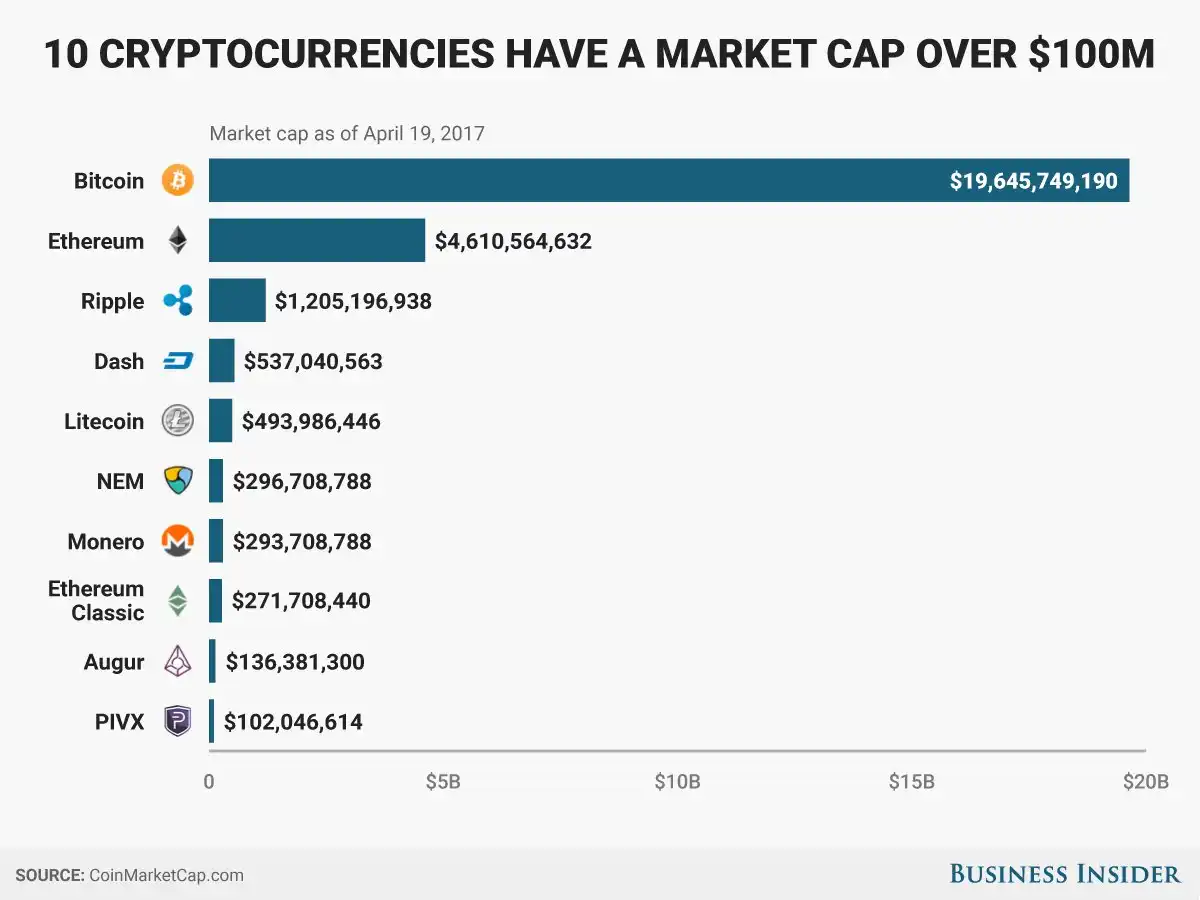
In early 2017, CoinMarketCap tracked about 796 cryptocurrencies. That's not a typo—fewer than 1,000. Back then, about 800 currencies felt like "a lot." Today? CoinGecko statistics show that in 2024, about 5,300 new tokens are created every day.
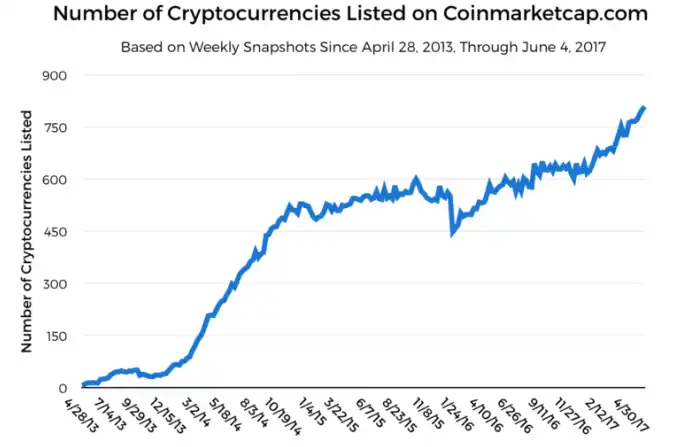
In practice, this means:
- "Discovery" was real. There weren't endless alternatives back then.
- If you gained exposure (featured on CMC, listed on an exchange, had a basic narrative + some promotion), there were limited places for liquidity to go, so it would really flow to you.
- People bought random things because the menu was small, and everyone was learning synchronously.
This is why "just appearing on CMC + gaining attention" was an advantage in 2017-2021. Everyone had room to survive.
The Attention-to-Supply Ratio Collapsed
The most important thing that has changed since 2021 is:
Attention did not scale proportionally. But token supply exploded.
Crypto users did increase.
But the number of tokens exploded so much more violently that the value of attention per token became lower and lower.
Crypto.com estimates:
- 106 million cryptocurrency holders in January 2021
- 295 million holders in December 2021
- 580 million holders in December 2023
Supply side (coins/projects): CoinGecko's GeckoTerminal data shows:
- 428,383 projects in 2021
- 20,170,928 projects by 2025
Now for the core part: How diluted has the market become?
In 2021, there was about 1 token for every 689 crypto holders. By 2025, there is about 1 token for every 29 holders.
In just a few years, the per capita supply increased by about 24 times.
This means: Before, attention had few places to go, so random coins could be discovered.
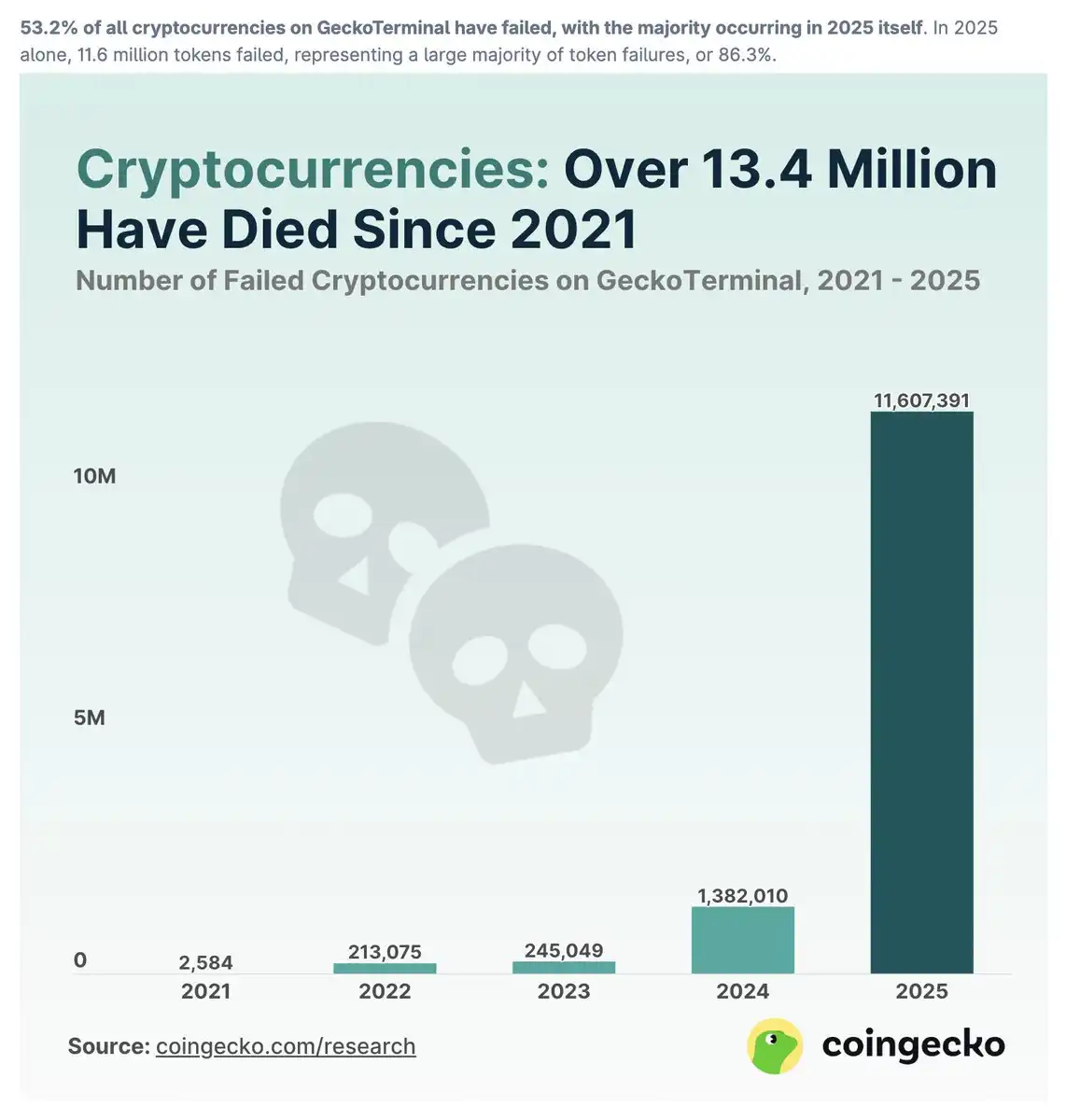
Now, you're competing against an ocean of new tokens every day—so "holding a bag of coins and waiting stupidly is no longer a strategy.
Massive New Launches Are Designed to Underperform
The old cycle had many low-priced token launches, and there was still real upside in the market. The common model now is:
- Launch with a high fully diluted valuation (high FDV)
- Low float
- Heavy token unlocks
- Early holders looking for exit liquidity
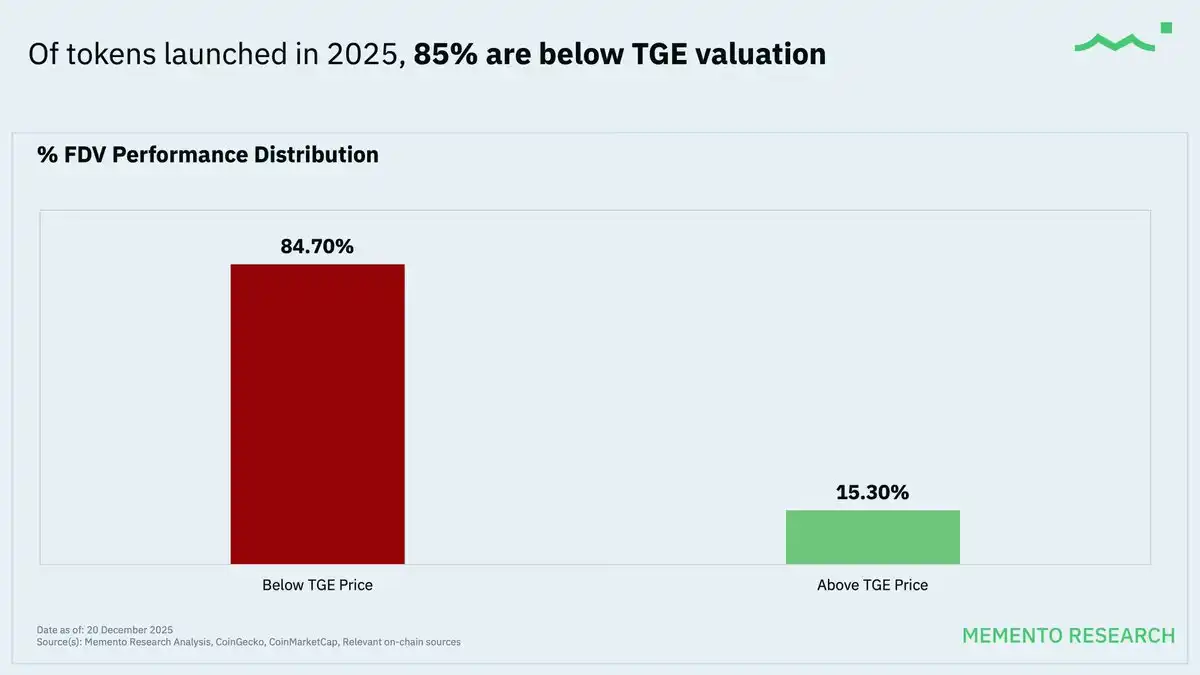
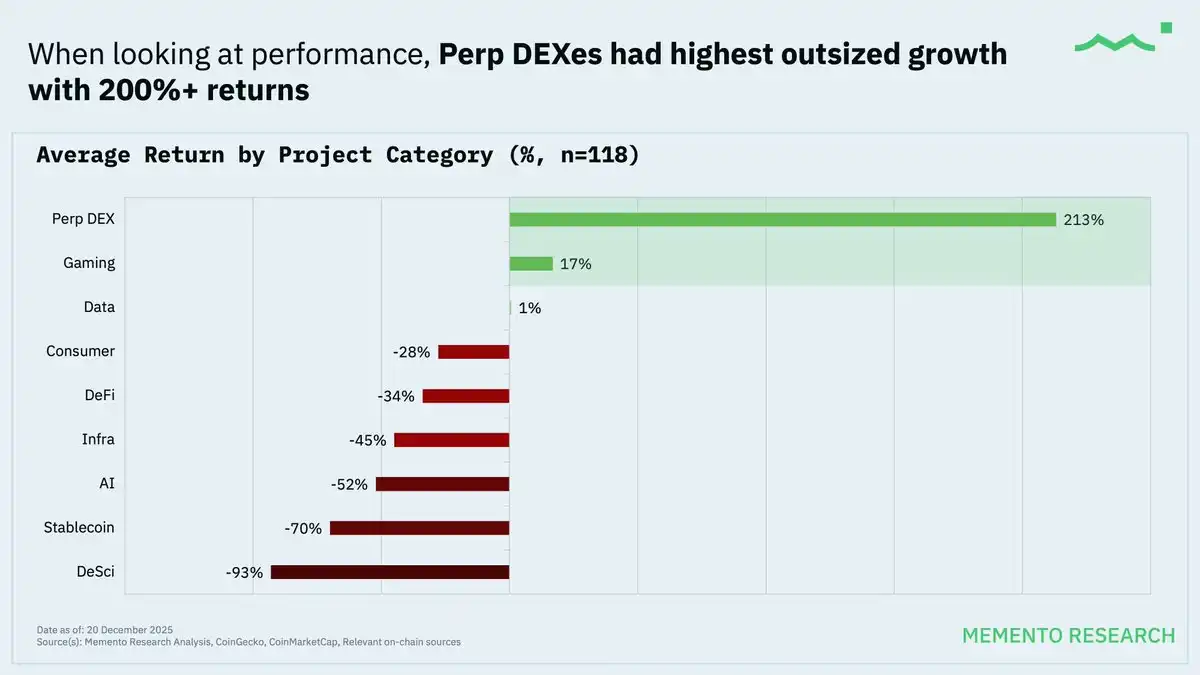
Memento Research tracked 118 major token launches in 2025:
- 84.7% were priced below their Token Generation Event (TGE) valuation
- Median performance: down 71.1% from launch FDV, down 66.8% in market cap
This is why "just buying new listings" became a losing strategy. But here's the twist:
Even in this diluted, brutal market—if you can pick the right narrative early, you can still make money. (More on that later)
Part 2: Why Small Players Get Exploited by the Default Path
The Illusion of "Fair Launch"
Retail no longer trusts VCs and is unwilling to buy these overvalued altcoins after TGE, so the market created a new product: A casino where anyone can "get in early." No VCs, no high valuation at TGE.
The Pump.fun era arrived. Some data:
- 13.55 million Pump.fun wallet addresses
- Only 55,296 (0.4%) wallets realized profits exceeding $10,000
- This means 99.6% did not reach that mark, and over 90% are losing money
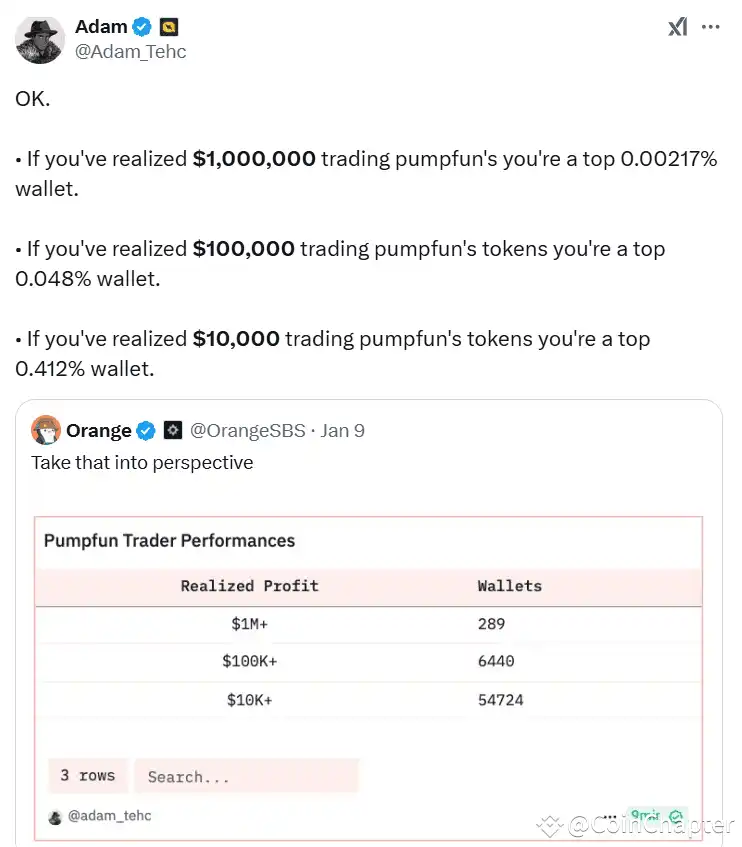
So yes, a tiny group of people scored huge wins.
But the median result is donating liquidity to the token developers, their insider friends, paid KOLs, the Pump.fun developers, or just faster players and trading bots. While users fight for scraps, the house prints money frantically.
- Pump.fun has charged over $935 million in fees since launch
The same dynamic exists in prediction markets: An analysis cited by Finance Magnates stated that over 70% of Polymarket's 1.7 million trading addresses realized losses.
If your plan is "I'm going to be the exception," you need a real edge. Otherwise, you're just a random variable in a negative distribution.
Part 3: The 2026 Theme is Rotation, Not Altseason
In a diluted market where most new coins underperform, the behavior of liquidity has changed:
- Liquidity is highly concentrated
- Liquidity moves fast
- Liquidity needs a story
- Liquidity leaves faster than you think
So, the winning method is not "picking altcoins." It is:
- Identifying the next rotation early
- Riding the wave
- Taking profits before the next rotation begins
This is why 100x can still happen in 2026: not from one coin, but from stacked rotations + position management + exiting like a pro.
Part 4: From 2023-2025, Rotation Was the Only Real Way to Win
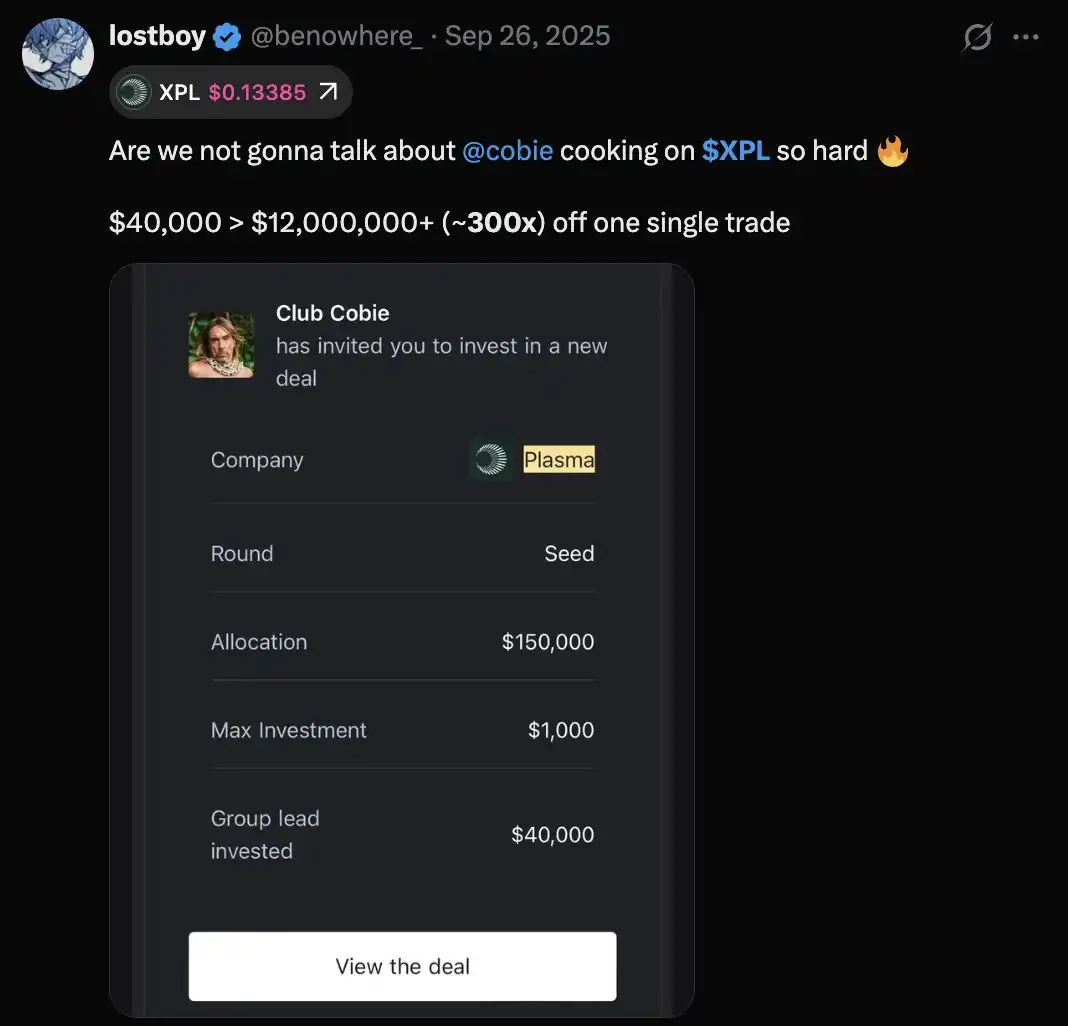
If you look at the past 2-3 years, the pattern is very clear: You didn't win by "holding one coin to death." You won by catching the right rotation early—and then rotating again.
Rotation 1 - Airdrops (Where I Made My First Six Figures)
When my capital was small, I didn't plan to win by trading better. I was betting on asymmetry—opportunities where the gain didn't depend on the size of the principal.
Airdrops are exactly that. They reward time, not capital, so in that arena, I was on equal footing with people who had six-figure assets.
When the market was dead and no one cared (BTC was at the bottom), I was doing the boring work—staying active, using protocols. Then the market recovered, and everyone started "farming." By then, the advantage was gone. This is why early effort paid off.
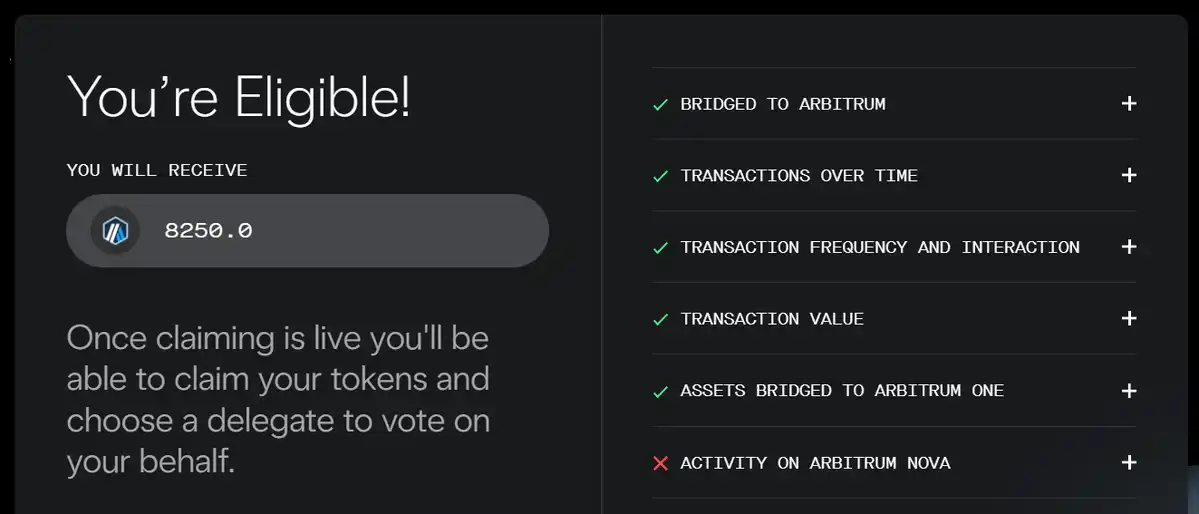
Arbitrum ($ARB) launched on March 23, 2023. Optimism ran multiple airdrops over time—same rotation logic: early + persistence = hefty returns.
This is how I got my first real capital—not by a miraculous 100x hold, but by getting into this meta-narrative early before it got crowded. I started with $8,000, spent about $400 farming a few airdrops, which eventually gave me six-figure profits.
Rotation 2 - Early Solana Memecoins (Where I Made My First Seven Figures)
After airdrops (helicopter money), liquidity rotated to the "casino." Money comes and goes quickly. The market started craving something new—Solana Memes became the simplest answer.
I found POPCAT at around a $2.5 million market cap, and WIF at a $30 million market cap (they reached $2B and $4B market caps months later, respectively): gains of 100-1000x.
I succeeded not because I was a trading genius. But because I was immersed in the market 24/7, the market was dull, and these "shiny new Solana coins" were basically the only meta-narrative with real momentum at the time. There were fewer than 5 coins with a market cap over $1 million back then, so if you got in early, the winners were extremely easy to identify.
Rotation 3 - "Real Yield" Becomes the New Flex (Template: HYPE)
After the dopamine from Memes, the market started craving something else. Not "utility in two years," not "vibes." But something you could explain in one sentence that sounded like a real business.
This is why Hyperliquid ($HYPE) hit so hard. It wasn't just a "new token." Its story was:
- Real trading activity
- Real fee revenue
- Token benefits directly (buybacks)
Love it or hate it, this is where the market, tired of "casinos" and "extraction," turned: visible value capture. Even if you weren't that "smart," you could spot this: when everyone is tired of Memes, they start paying for narratives that look mature.
Rotation 4 - Then the Meta Advances: "Don't Play the Casino, Own the Casino"
This is the most interesting part of crypto. People will gamble on 5,000 Memes...... ......and then suddenly realize the only sure way to win is the platforms that charge the fees.
This is when "house tokens" and "platform plays" start to shine. Pump.fun is the perfect example of this era: users fight for scraps, bots harvest everyone, and the house quietly prints money daily. This is not a moral judgment, just the law of how markets work.
The rotation is always the same:
- First, you trade the tokens
- Then you trade the platforms that extract from those tokens
Rotation 5 - When the Market Gets Too Degenerate, It Swings Back to "Real World" Narratives
After a while, people get tired. They start wanting narratives that can live even without pure hype:
- Stablecoins
- Payments
- Settlement layers
- Things ordinary humans actually use
This is deliberately boring. And boring narratives often win late because they are the only ones that don't require a constant stream of new fools buying at higher prices to sustain. This is why later you see more attention flow to stories like PayFi / stablecoin infrastructure.
So, What's Next?
First, let's be honest about the current situation. BTC is around $91k-$93k now, which looks "bullish" on paper, but feels exactly the opposite. We are still about 25% down from the all-time high in October 2025 (~$124.7k), and the market mentality is still in "bear market mode."
Why? Because we just experienced the largest liquidation event most people have ever seen—around $19 billion wiped out in 24 hours around October 10-11, 2025.
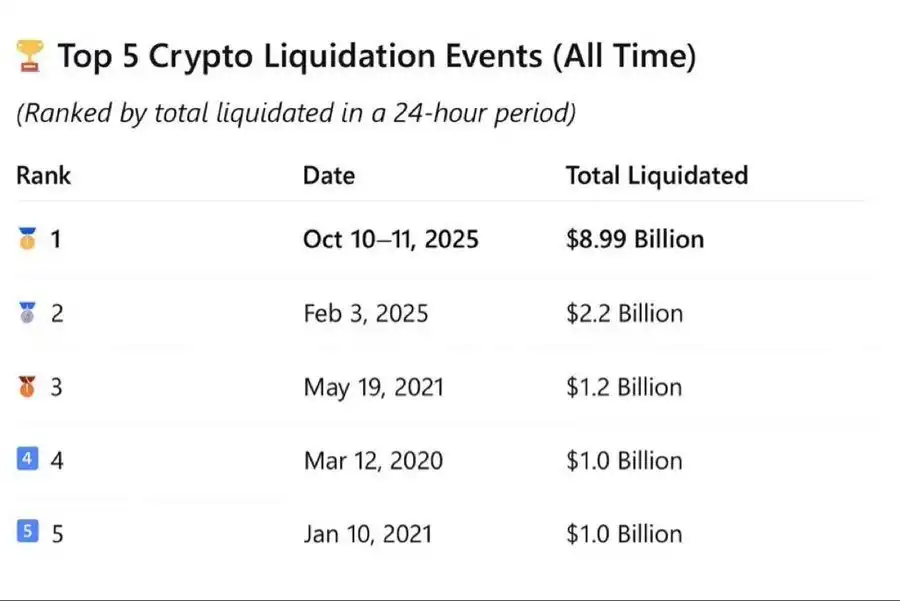
In such a market, money concentrates into 1-2 directions that work right now, and everything else bleeds. This is the same logic as the airdrop phase before the last big run: the market is half-dead—but if you're early enough, that one meta-narrative can still make big money.
So the task now is not "find 50 potential coins." It is: find the few rotations that can run without retail participation and dig deeper into them harder than anyone else.
The current sentiment is: Most tokens are useless, especially L1s/L2s
This is the dominant market sentiment right now: Most tokens are meaningless and will eventually go to zero because they:
- Have no real utility
- Generate no real revenue
- Exist primarily as exit liquidity
This hits L1s/L2s the hardest. Because you can't play this game forever: raise at absurd valuations, launch at absurd FDV, have 8 users, make $20 a month, and pretend you're worth $15 billion. (Starknet, zkSync, Aptos—you know the type.)
Will this sentiment reverse? Maybe. But I don't even need to predict that, because the implication is obvious......
What the market wants next is a new model: Real Yield + Buybacks
After 3 years of "extraction," people finally understand the class structure: Creators -> VCs -> KOLs -> Bots/Traders -> Finally, everyone who buys too late
For most retail, this game is negative expectancy: you buy tokens and pray you're not the last exit liquidity. This is why the market is now desperately craving tokens that act like "businesses."
A simple model: If a token has a $1B market cap, and the protocol earns $800M in real revenue, and 50% of that is used to buy back tokens... then that asset has a valuation floor. It can't just go to zero unless revenue collapses.
This is exactly value-investing logic from the stock market: when market sentiment is garbage and everyone is fearful, people stop buying "dreams" and start buying "cash flow." Cash flow is the best narrative in a fearful market.
Then Helicopter Money Returns—And the Casino Comes Back
This is the part everyone forgets. The "value phase" doesn't last forever. At some point, the market starts printing money wildly again: something pumps, people get lucky, airdrops start hitting, a new wave puts money back in people's hands.
Once people feel rich, the market instantly switches from "show me revenue" to "show me the fastest 10x opportunity." That's when the casino phase returns. Memes, NFTs, whatever new stupid thing is invented. Doesn't matter. The rule is always the same: it has no value, but it offers crazy multiples, and everyone wants fast money.
Then it crashes. And after the crash...
The Market Moves to the Next "Extraction Narrative" (ICOs, Utility Tokens, Structured Launches)
After getting rugged in the casino, the market doesn't immediately become "fundamental." It usually pivots to a more structured extraction model that lets people spend money again, like:
- ICOs / "public rounds"
- Points metas
- "Utility tokens"
- Launch mechanisms where you pay for access and someone sells to you later
So the cycle loops: Value (Revenue) -> Helicopter Money -> Casino -> Crash -> Structured Extraction -> Repeat
Nothing in crypto grows forever. What grows is what the market is emotionally hungry for at that moment. So the way to win in 2026 is not "hold and pray." It is: Identify rotations early -> Ride them -> Leave before they become obvious.
Part 5: How to Actually Achieve 100x Growth in 2026
A 100x in 2026 isn't from one trade. It's from stacked rotations. You win by stacking "correct phases," not by praying you found the one.
This is the system I use:
Pick a Maximum of 2 Rotations
One稳健 rotation (revenue/infrastructure) + one aggressive rotation (casino/structured). If you track 10 meta-narratives, you'll be late to every one.
Buy "Triggers," Not "Vibes"
Before I go heavy, I want clear triggers. For example:
- Fee/revenue trends up for consecutive weeks
- Users return without outrageous incentives
- Distribution channels open up (integrations, major platforms, real attention)
- The narrative starts spreading but hasn't hit mainstream yet
No trigger, no entry.
Define "Invalidation" Before Entry Most people lose not because they are wrong. But because they won't exit. No one ever went broke taking profit (even $1). Remember that. Your invalidation checklist should be boring:
- Usage collapses
- Revenue is fake
- Liquidity rotation leaves
- Tokenomics/unlocks start dumping
If invalidation hits, you exit. No argument.
Position Management - Three-Layer Stack
This is how you get huge gains without going to zero:
- Beta (Liquid leaders in the rotation)
- Picks & Shovels (Infrastructure that wins no matter what)
- Lottery Tickets (Small caps that fit the narrative perfectly) Only lottery tickets = gambling odds. Only beta = capped gains.
Profit-Taking is the Real Core Advantage
Rotations end faster than you think. So:
- Scale out on strong pumps
- Don't fall in love with mid-caps
- Always know where you're rotating to next
If you don't have a next rotation target, you'll ride the "rollercoaster" all the way back down.
Part 6: The Trap That Catches Most People
The trap is thinking: "If I just hold long enough, it must go up." This worked when the market was small. It doesn't now.
Because now:
- Supply is infinite
- New coins launch to dump
- Most tokens exist to harvest you
So, if your plan is still:
- Buy random new coins
- Hold mid-caps for the supposed "big cycle"
- Chase trends that are already hot
...you are playing a "harvesting" game customized just for you.
Rotation is the exploit. Because rotation is how liquidity behaves now.
Every week I watch:
- Which sectors have real fee growth
- Which apps have active users returning
- Where volume and open interest are shifting positively
- Where liquidity incentives are being deployed
- Is the narrative early, or has it become talk of the "top 10 coins"
Most people don't miss narratives. They arrive after the narrative becomes obvious.
So in 2026, like every year before, the winners won't be the "right ones." They will be the "early ones"—and they will keep rotating.