Критическая уязвимость в защищённом пуле Orchard сети Zcash могла позволить злоумышленнику создавать неограниченное количество поддельных ZEC без обнаружения, согласно новому заявлению от Зуко Уилкокса, Джейсона Макги и исследователя безопасности Тейлора Хорнби. Ошибка была обнаружена 29 мая, устранена в ходе экстренных действий, завершённых к 2 июня, и теперь вызвала более широкие дебаты о том, как Zcash может доказать целостность эмиссии в системе, сохраняющей конфиденциальность.
Ошибка в Orchard ставит под сомнение целостность эмиссии Zcash
Уязвимость была обнаружена Хорнби, опытным инженером по безопасности, нанятым Shielded Labs в апреле 2026 года для проведения постоянных исследований безопасности протокола Zcash. Согласно заявлению, мандат был прост: найти уязвимости на уровне протокола до того, как это сделают противники. Хорнби начал изучение Zcash с помощью комбинации традиционных исследований безопасности и новых методов аудита с использованием ИИ.
Сроки были необычно сжатыми. Вскоре после того, как Anthropic выпустила свою модель Opus 4.8 28 мая, Хорнби использовал её для целенаправленного анализа схемы Orchard. Спустя день он обнаружил критическую уязвимость, позволяющую создавать поддельные монеты, и сообщил о ней в Zcash Open Development Lab (ZODL), чьи инженеры координировали экстренное устранение с другими участниками экосистемы.
«Этой уязвимостью можно было бы воспользоваться для незаметного создания неограниченного количества поддельных ZEC внутри пула Orchard», — говорится в сообщении Shielded Labs. «Из-за свойств конфиденциальности Orchard нет криптографического способа доказать, была ли уязвимость использована до её устранения. Однако сетевое обновление может быть развёрнуто для защиты пользователей и доказательства целостности эмиссии Zcash».
В заявлении утверждается, что ошибка была «реальной и эксплуатируемой». Хорнби с помощью Opus 4.8 написал полный эксплойт и протестировал его в локальной тестовой среде regtest, где он генерировал неограниченное количество необнаруживаемых поддельных ZEC. Авторы заявили, что если бы тот же инструмент был запущен в основной сети, он сгенерировал бы неограниченное количество необнаруживаемых поддельных ZEC в кошельке Хорнби в основной сети.
Технически проблема заключалась в недостаточно строго заданном элементе схемы Orchard. Это позволяло вводить произвольные ложные данные в операцию умножения на эллиптической кривой, при этом проверка умножения всё равно проходила успешно. Уязвимость существовала с момента активации Orchard в мае 2022 года до экстренного исправления, развёрнутого 1 июня 2026 года.
Эти временные рамки являются ключевыми для понимания проблемы. В прозрачном реестре аномалии в эмиссии, как правило, можно проверить, анализируя публичные балансы и суммы транзакций. Orchard устроен иначе по замыслу: он скрывает суммы и историю транзакций. Эта модель конфиденциальности означает, что система в значительной степени зависит от корректности правил схемы, определяющих допустимые защищённые транзакции.
Джош Суайхарт, основатель и генеральный директор Zcash Open Development Lab, команды, стоящей за созданием и запуском Zcash и разработкой кошелька Zodl, описал проблему в этих терминах в отдельном посте. «Защищённая транзакция Zcash включает доказательство того, что она следовала правилам протокола, определённым в своде правил (схеме), который определяет, что является допустимой транзакцией. Уязвимость в Orchard была в одном из правил, написанном недостаточно строго, так что оно принимало ложную информацию и всё равно проходило проверку. В результате механизм можно было убедить, что поддельная транзакция является действительной».
Суайхарт добавил, что ошибка заключалась не в базовой криптографии Zcash или самом механизме доказательств, а в правилах, написанных вручную. По его словам, «Это была ошибка в правилах, написанных вручную, а не в базовой криптографии или в механизме, создающем доказательства».
Shielded Labs заявила, что предшествующее использование уязвимости маловероятно, подчеркнув при этом, что пользователей не следует просить полагаться только на эту оценку. Авторы указали на несколько причин своей точки зрения: ошибка ускользала от внимания ведущих криптографов в течение многих лет, Хорнби был специально нанят для поиска подобных уязвимостей, а окно для реакции после обнаружения было резко сужено благодаря скорости работы ZODL и всей экосистемы Zcash.
«Обнаружение не было случайным — это был результат целенаправленных усилий по выявлению уязвимостей такого рода до того, как это смогли бы сделать злоумышленники», — говорится в сообщении. «Тейлор — один из самых опытных в мире специалистов в этой области. Он использовал новейшие инструменты ИИ, доступные только исследователям безопасности «белой шляпы», вместе с изощрённой, специально созданной обвязкой ИИ и промптами, и усердно работал, чтобы опередить атакующих. Мы думаем, что ему, вероятно, это удалось».
Тем не менее, авторы признали неразрешённую криптографическую неопределённость. Из-за свойств конфиденциальности Orchard и природы ошибки они заявили, что не существует окончательного способа доказать исключительно криптографическими средствами, была ли уязвимость использована до исправления.
Shielded Labs рассматривает новый пул и формальную верификацию
Чтобы решить эту проблему, Shielded Labs вместе с другими разработчиками Zcash изучает предложенное сетевое обновление. План предусматривает развёртывание нового защищённого пула и применение учёта по принципу турникета для монет, перемещаемых из существующего пула Orchard, с целью позволить любому проверить целостность эмиссии Zcash и доказать отсутствие поддельных ZEC в Orchard. Подробности, включая компромиссы и механику реализации, ожидаются в следующем посте на следующей неделе. Любое крупное обновление по-прежнему потребует поддержки сообщества и стандартного процесса управления перед активацией.
Суайхарт заявил, что второй пул Orchard, в принципе, может быть целью обновления NU7 в конце июля, хотя он не занял окончательной позиции относительно того, следует ли идти этим путём. Он утверждал, что более крупная проблема заключается в предотвращении повторения подобных сбоев, и самым сильным ответом на неё является формальная верификация.
«Формальная верификация решает эту проблему», — написал Суайхарт. «Можно построить математическое доказательство, чтобы свести части, которые люди должны проверять, к краткому, читаемому изложению правил. Затем компьютер проверяет весь свод правил, чтобы убедиться, что он соответствует. Инструменты ИИ теперь могут выполнять работу по написанию этих доказательств».
Shielded Labs заявила, что уже ускоряет упреждающую работу по безопасности с Хорнби и Anthropic, инициируя проект по формальной верификации схемы Orchard, а также открывает вакансии на должности руководителя отдела безопасности и криптографа. Этот эпизод оставляет Zcash с трудным, но ясным путём: восстановить доверительные предположения вокруг Orchard, доказать целостность эмиссии там, где это возможно, и приблизить будущую разработку защищённых систем к гарантиям, проверяемым машиной, а не к сложностям, проверяемым человеком.
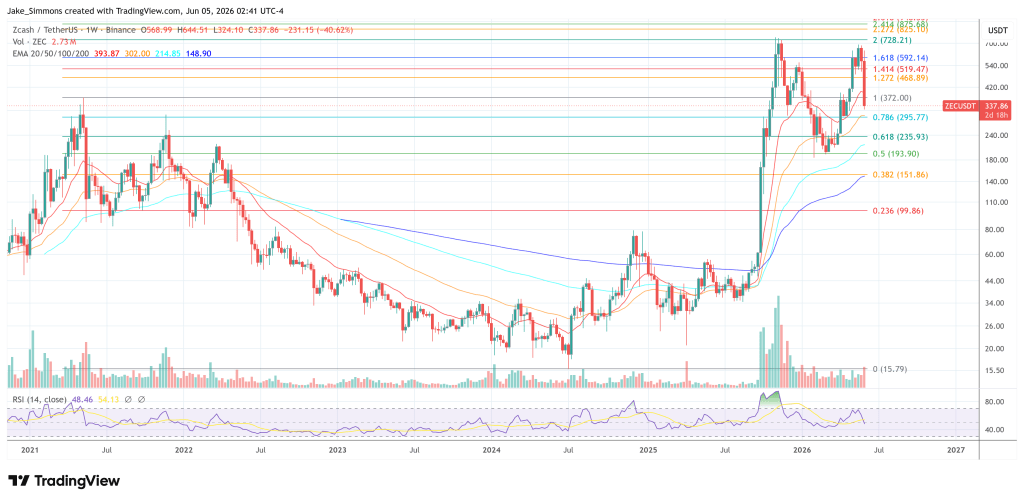
За последние 24 часа курс ZEC упал почти на 45% на фоне неопределённости. На момент публикации он торговался на уровне 337 долларов.