Автор | Sleepy
В Кремниевой долине тоже начали «подсаживаться на дядек».
Конечно, не так, как у нас. Там нет девушек из провинциальных городков, которые кричат «браток» немолодым мужчинам, и нет двадцатидолларовых переводов в WeChat с фразой «ты такой крутой». Версия Кремниевой долины более респектабельна и значительно дороже.
Здешние «дядьки» — это группа технических нуворишей в возрасте от двадцати до тридцати лет, владеющих опционами на акции Nvidia или акциями OpenAI, живущих в апартаментах в небоскребах района SoMa. Не старые годами, но от них уже несет запахом старины. У них появились деньги, голова полна идей, но рассказать некому, а если и расскажешь, то никто не воспримет всерьез. В итоге они поняли, что возможность «чтобы кто-то внимательно их слушал» можно купить за деньги. В маленьком городке — двадцать долларов за раз, в Кремниевой долине — от трех до шести тысяч долларов в час.
В июне 2026 года у Сан-Франциско два лица.
Дневное лицо легко узнать. OpenAI и Anthropic поочередно подали Комиссии по ценным бумагам и биржам США конфиденциальные документы для IPO; два гиганта ИИ почти одновременно готовятся к выходу на биржу. Еще раньше OpenAI позволил более чем 600 сотрудникам вывести на вторичном рынке около 66 миллиардов долларов. Джексон Хуан также сказал, что в компании Nvidia уже появилось много миллиардеров.
Это дневная история, история обогащения, написанная в новостях о финансировании и на первых полосах финансовых изданий.
Ночное лицо редко показывают. В том же городе группа молодых женщин, называющих себя знатоками ИИ, GPU, лонгевизма и криптовалют, начала предоставлять элитные услуги сопровождения техническим работникам Кремниевой долины стоимостью в несколько тысяч долларов в час. Их клиенты, значительная часть, — именно те, кто днем появляется в тех самых новостях о финансировании.
ИИ всасывает деньги, деньги меняют облик города, город меняет живущих в нем людей, а одиночество и достоинство людей обретают свою цену.
Сначала деньги изменили облик города
Три года назад все думали, что Сан-Франциско пришел конец.
Пандемия опустошила офисы в центре города. Удаленная работа разбросала программистов по Остину, Майами и даже Бали. В районе Mid-Market, где располагалась штаб-квартира Twitter, выстроились ряды палаток, а объявления об аренде на пустующих витринах выцвели, но их никто не срывал.
В те годы, если ты говорил, что все еще в Сан-Франциско, на тебя смотрели с сочувствием. Американский город, живущий «инновациями», впервые описывали словом «упадок».
И тогда пришел ИИ, а с ним — деньги.
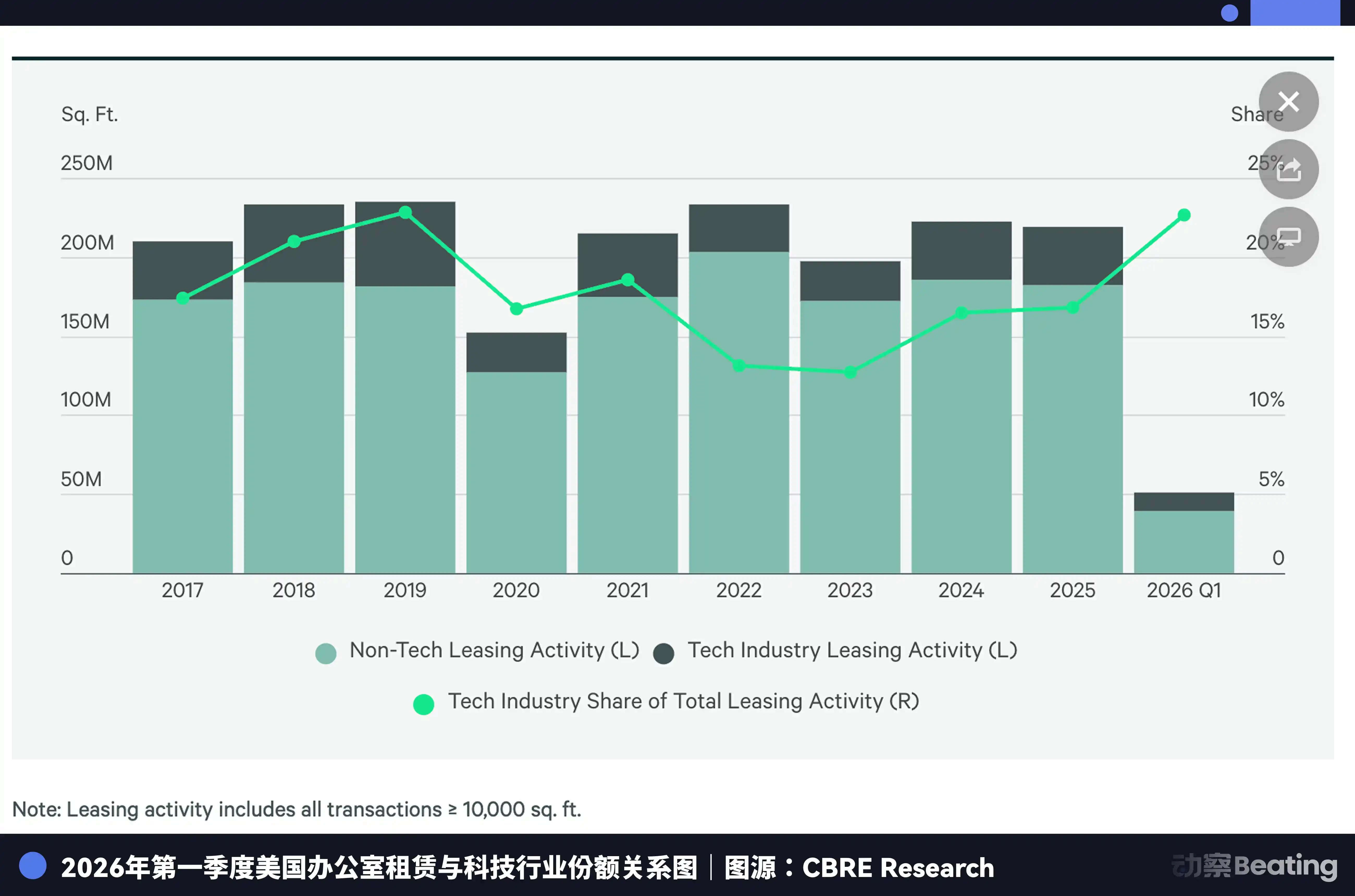
В отчете CBRE за май 2026 года говорится, что компании в сфере ИИ активно способствуют восстановлению спроса на офисные помещения в районе залива Сан-Франциско. Anthropic арендовала большие офисные площади в районе SoMa, OpenAI переехала в новую достопримечательность Mission Bay, а большие и маленькие ИИ-компании заполнили также South Beach и Design District. Три года назад половина этих зданий стояла пустой, теперь, чтобы арендовать офис на этой улице, нужно записываться в очередь.
После заполнения офисов поднялись цены и на жилье.
К июню 2026 года медианная арендная плата за однокомнатную квартиру в Сан-Франциско выросла до 4000 долларов, что на две пятых выше, чем годом ранее. В SoMa рост составил 36%, в Mission Bay — 22%, в South Beach — 21%. Эти цифры распространяются почти концентрическими кругами от офисных зданий ИИ-компаний.
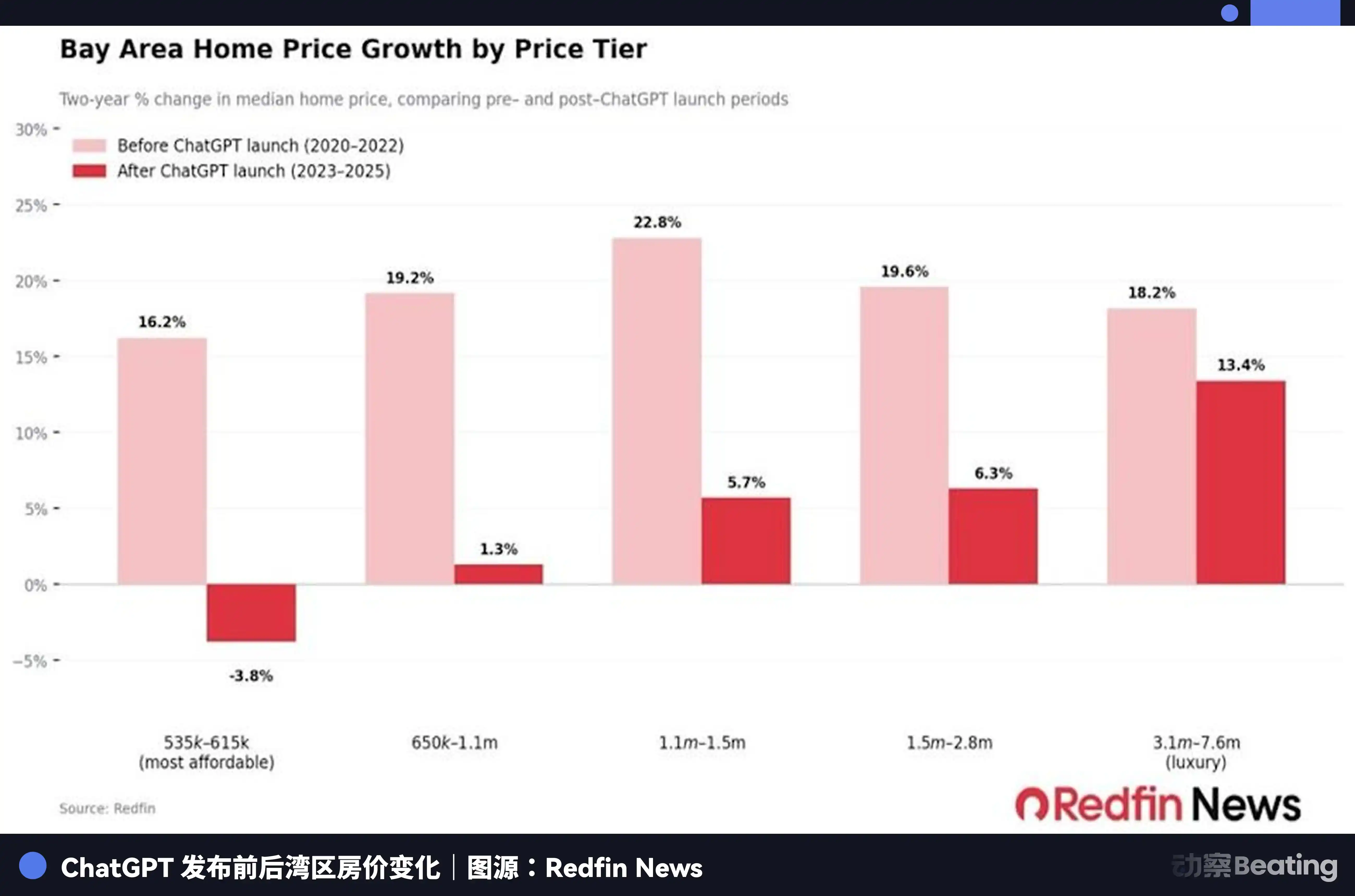
В описании одного дома эдвардианской эпохи, выставленного на продажу за 2,995 миллиона долларов, даже специально указали: «Продавец принимает к оплате акции Anthropic или OpenAI».
Иногда способ, которым город возвращается к жизни, проявляется до такой степени конкретно. Раньше покупка жилья зависела от наличных, кредитов и помощи семьи. Теперь можно еще и от акций ИИ-компании, которая еще не вышла на биржу, и которые вам выдали.
Особняки дорожают, обычное жилье становится все менее доступным. Один и тот же город, один и тот же виток процветания, но в каком мире ты находишься, полностью зависит от того, являешься ли ты частью пищевой цепи ИИ.
Сан-Франциско и Окленд разделяет лишь мост через залив, но арендная плата по разные стороны уже как в двух разных мирах. К концу 2025 года аренда однокомнатной квартиры в Сан-Франциско была примерно на 70% выше, чем в Окленде. Кто-то остается в городе, чтобы писать код для этих компаний, вытирать столы, подавать кофе, развозить еду; другим приходится ехать все дальше в поисках жилья, которое они все еще могут себе позволить.
Сан-Франциско действительно ожил. Но на этот раз он ожил вокруг небольшой группы людей. Офисы сдают им, цены на жилье растут вслед за ними, весь город все больше походит на механизм, работающий специально для этой маленькой группы.
Рядом с золотой лихорадкой всегда вырастает улица
После того как форма города меняется, следующими меняются жизни людей в городе. В этом тоже нет ничего нового. История Калифорнии уже полностью это продемонстрировала.
В 1849 году в Калифорнии нашли золото, сотни тысяч людей устремились в Сан-Франциско. Позже все узнали, что большинство золотоискателей особо не разбогатели. Levi Strauss разбогател на продаже галантереи, тканей и рабочей одежды, Wells Fargo — на денежных переводах в районы добычи, гостиницы, бары и игорные заведения в Сакраменто тоже разбогатели. Золотоискатели шли впереди, за ними следовали дельцы.
Об этом можно подумать и логически. У кучки людей внезапно появляются деньги, и все они теснятся в одном месте. Им нужно есть, нужно где-то жить, после тяжелого дня нужно какое-то развлечение. Есть спрос — найдется и предложение. Сначала приходят продавцы лопат и палаток, затем открываются банки и почтовые отделения, наконец — бары, игорные дома, публичные дома. От выживания до удовольствия — всегда в таком порядке.
В этом раунде с ИИ то же самое. Сначала приходят продавцы «лопат»: GPU, облачные вычисления, дата-центры — эти бизнесы лежат на поверхности, их все видят. Затем венчурные капиталисты, юристы, хедхантеры, управляющие капиталом.
После того как деньги оказываются на руках у частных лиц, кто-то помогает им купить жилье, кто-то учит, как жить дольше, кто-то сопровождает на тренировках, кто-то занимается благотворительностью от их имени.
А дальше настает очередь «подсаживания на дядек».
Один консультант по управлению капиталом сказал, что среди новых богачей в сфере ИИ, которых он встречал, многие не интересуются роскошными автомобилями и дорогими часами, они даже не знают, что делать с этими деньгами. Они слишком молоды, у них нет опыта траты денег, и друзей у них немного. Но у них есть общая черта: у каждого в голове целостное представление о будущем мира — ОИИ, лонгевизм, уменьшение энтропии, как должна развиваться цивилизация, — они могут рассказывать об этом часами без повторений. Проблема в том, что никто не слушает, окружающие после трех фраз начинают смотреть в телефон.
Много денег, мало времени, неумение заводить друзей, голова полна идей, а рассказать некому. Соединив это вместе, получаем очень четкий спрос, настолько четкий, что кто-то специально начинает заниматься этим бизнесом.
Умение кокетничать уступает знанию GPU
Недавно Forbes опубликовал репортаж, в котором взяли интервью у нескольких таких людей. По ним можно увидеть, во что превращается этот город.
Мейда Марек изначально хотела заниматься финансами.
Она только что окончила университет, работала младшим аналитиком в компании, каждый день обрабатывала данные, строила модели, писала отчеты. Работа несложная, путь ясен. Потом она подсчитала: языковая модель пишет отчеты в десять раз быстрее нее, и еще бесплатно. Надолго ли ей хватит этой работы?
Подсчитав, она решила, что положение шаткое.
Но у нее были другие способности. Она умна, умеет общаться, и она действительно разбирается в ИИ, криптовалютах, биохакинге и лонгевизме — не просто зубрит на ходу. Как раз то, о чем больше всего любят говорить технические нувориши Кремниевой долины. Поэтому она сменила направление и начала заниматься элитным сопровождением, ее клиенты — технари из мира ИИ, ставка — 3500 долларов в час. Через несколько месяцев график был полностью заполнен, а цена выросла почти вдвое.
Молодой человек, боявшийся, что ИИ отнимет у него работу, свернул в сторону и на заработанных ИИ богачах начал зарабатывать еще больше. И вдохновляюще, и абсурдно.
Она не единственная, кто присмотрелся к этому бизнесу.
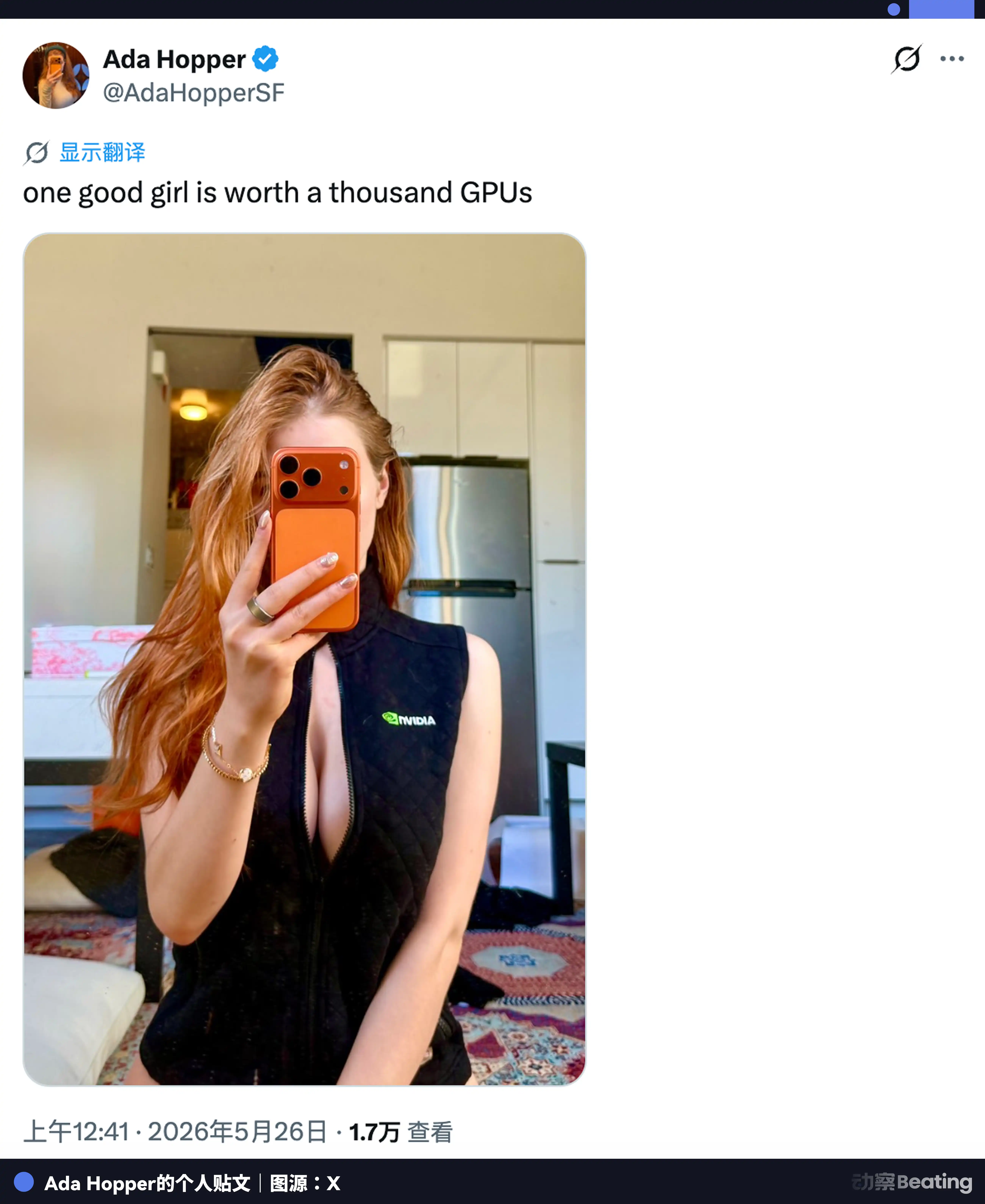
Ада Хоппер берет 5000 долларов в час. Она произнесла очень точную фразу: говорить с этими клиентами об ИИ очень эффективно, технарей возбуждает, когда красивая женщина знает, что такое GPU.
Задумайтесь, что говорит эта фраза. Клиент платит пять тысяч долларов в час, покупает не только красоту — красивая картинка не стоит таких денег. Стоит столько, когда красивый человек еще и понимает, о чем ты говоришь, ты упоминаешь GPU, а она может поддержать разговор, ты делишься своим мировоззрением, а она не отвлекается, и ты еще не смеешь ее недооценивать.
Талия Сэйбл — бывший программист, в самопрезентации называет себя huge nerd («полнейший ботан»), любит Dungeons & Dragons, ИИ и управление цепочками поставок. Берет 3000 долларов в час, график тоже плотно заполнен.
Элла начала раньше, говорят, ее ставка достигает 6000 долларов в час. Она продвигает концепцию «nerd-first» («сначала ботаник»). Смысл в том, что красивая женщина должна не просто сопровождать клиента физически и уделять ему время, но и серьезно относиться к его интеллекту и идеям. Говоря простыми словами: твое мировоззрение я не просто выслушиваю, мне действительно интересно.
Этот бизнес новый, но потребность, которую он удовлетворяет, гораздо старше Кремниевой долины.
В караоке-барах 80-х и 90-х самое ценное умение у девушек было не красота, а умение сказать «босс, вы такой крутой». Босс в душе понимал, что это ложь. Но ничего. На улице он был никем, а в караоке за несколько сотен мог быть большим человеком целый вечер. Он знал, что это куплено, но и купленное сгодится.
У них было одно хорошее качество — они себя не обманывали.
У людей в Кремниевой долине этого достоинства нет. Они платят пять тысяч долларов в час, чтобы красивая женщина обсуждала с ними ОИИ и будущее человечества, и потом говорят себе, что это высококачественное интеллектуальное общение. Может, и так. Но если это действительно интеллектуальное общение, почему обязательно нужно, чтобы собеседник был красивым и умел тебя хвалить? Можно поговорить и с профессором из MIT — это тоже интеллектуальное общение, и денег не нужно.
Причина проста. Ему нужно не общение, а чтобы кто-то сидел напротив и воспринимал его всерьез. Точно как в караоке.
Он рассказывает друзьям про ОИИ — никто не слушает, говорит про трансформеры — через три фразы отвлекаются. Теперь напротив сидит умный и привлекательный человек и говорит: «Продолжай». Ему кажется, что его наконец-то восприняли всерьез. Это чувство стоит от трех до шести тысяч долларов в час. Рыночная цена, без обмана.
В этом прекрасном новом мире знание GPU работает лучше, чем умение кокетничать.
Лонгевизм, кето-диета и локальные модели
Ада Хоппер перед первой встречей с клиентом ужасно нервничала. Оказалось, что больше всего он хочет говорить как раз о том, что интересует ее саму: интервальное голодание, метаболическое здоровье, кето-диета. Они обсуждали научные статьи чуть ли не до утра. Пять тысяч долларов в час за элитное сопровождение были потрачены на дискуссию о том, как есть мясо с научной точки зрения.
Традиционные богачи тратят деньги напоказ. Купить Ferrari, надеть Patek Philippe — деньги тратятся, чтобы их видели. Люди из Кремниевой долины поступают наоборот. Они тратят деньги для себя, точнее, для своего тела. Они не покупают роскошные машины и дорогие часы; спросишь инженера, который только что вывел десятки миллионов, что он недавно приобрел, а он ответит — купил Mac Mini, чтобы запускать локальные модели. Спросишь другого — говорит, сидит на кето-диете, цель — дожить до 120.
У Марек был клиент, который от нее полностью воспринял идеи лонгевизма и даже стал считать их моральным долгом: если технологии позволяют жить дольше, то не стремиться к этому — это нерадивость. Позже под влиянием Марек он сбросил 50 фунтов веса.
Другой клиент подарил Марек Mac Mini. Не брендовую сумку, не украшения, а маленький компьютер, способный запускать ИИ-модели локально, потому что он считал, что у Марек должна быть собственная локальная вычислительная мощность. Кто-то специально создавал для нее цифровое искусство, сгенерированное ИИ.
Международные путешествия, поездки в Европу за покупками, даже индор-вингсьют она пробовала. Сама же она предпочитает старые вещи. Антикварные украшения, винтажную одежду эдвардианской эпохи, механические часовые механизмы, спрятанные в мелких предметах. Ей нравится смотреть, как крошечные шестеренки приходят в движение. Это увлечение, как ни странно, имеет нечто общее с изучением трансформеров ее клиентами.

Это не разгул традиционных миллионеров. Нынешние богачи изучают, как прожить на двадцать лет дольше, и попутно запускают большую модель у себя дома. Они очень внимательны к своему телу, как прилежный инженер, ухаживающий за только что купленной машиной.
Что есть каждый день, сколько часов спать, каков пульс, процент жира — все лучше записывать. Лишь бы была кривая на графике — и они немного успокаиваются. Сам факт человеческой жизни в их руках становится похожим на долгосрочный эксперимент, объектом которого случайно оказались они сами. Цинь Шихуан отправлял людей в море, богачи Сан-Франциско следят за графиком сна. Методы сильно продвинулись, желание не слишком изменилось.
Жаль, что некоторые вещи не очень-то поддаются. Например, человек сидит напротив и слушает твои бесполезные речи. Ты не знаешь, когда ему наскучит, и не понимаешь, почему он вдруг улыбнулся. Это нельзя измерить, и нет стабильной отдачи. Именно поэтому это так дорого.
Прежде чем модели изменят мир, они изменили вечера богатых людей.
Доброе утро, Ночной город
Дойдя до этого места, можно уже примерно представить, как выглядит этот город.
Здесь компании не обязательно быть мэрами, чтобы решать, кто останется, а кто уедет. Кто-то только что продал часть опционов, и на счету появилось тридцать миллионов долларов. Они изучают лонгевизм, сон, как привести тело в оптимальное состояние. А когда вечером становится скучно, можно потратить несколько тысяч долларов, чтобы умный и красивый человек сел и поговорил с тобой.
Жизнь других гораздо проще. Подъем в шесть утра, час с лишним дороги в город из Окленда или еще дальше. Кто-то пишет код для этих компаний, кто-то вытирает столы в офисах, кто-то подает кофе, развозит еду, водит такси. Аренда в 3415 долларов в месяц висит над ними, и им приходится селиться все дальше.
Этот город очень верит в технологии. Верит, что тело можно оптимизировать, сон можно оптимизировать, эффективность работы можно оптимизировать. И что отношения между людьми тоже можно превратить в услугу. Открываешь телефон, выбираешь, бронируешь, оплачиваешь, отменяешь. Почти как вызвать машину.
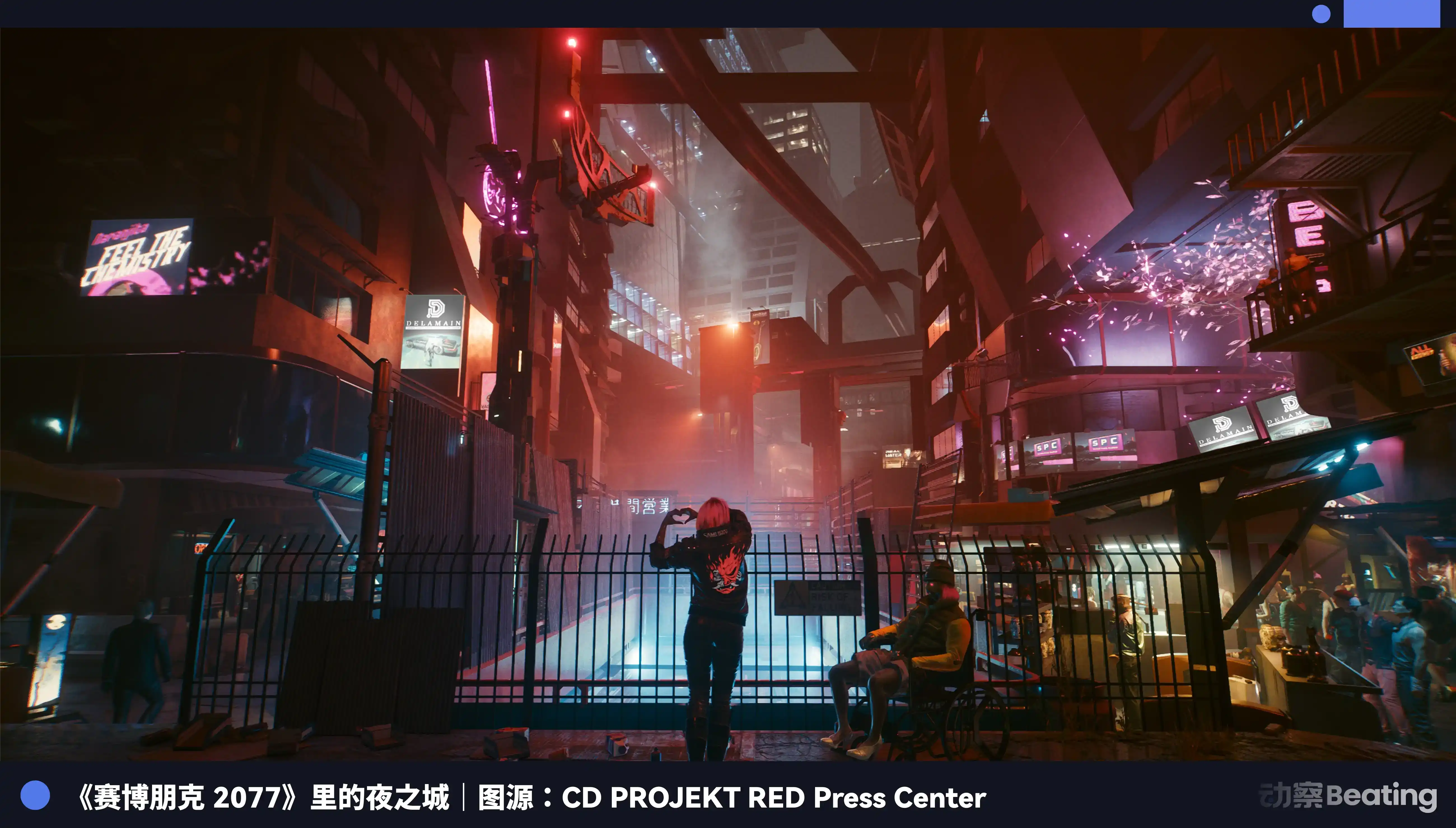
Тем, кто играл в Cyberpunk 2077, все это может показаться знакомым. Разработчики из CD Projekt Red написали для Ночного города такое описание: это мегаполис, одержимый властью, обаянием и модификациями тела.
Замените модификации тела на лонгевизм и биохакинг, обаяние — на ОИИ, власть — на ИИ-компании и таблицы оценок, и эту фразу можно почти без изменений разместить на странице описания Сан-Франциско 2026 года.
Киберпанк никогда не был эстетикой. Неоновые вывески на улицах — это еще не киберпанк, роботы — тоже. Это социальная структура с высокими технологиями и низкими правами человека.
Технологии становятся все совершеннее, а люди все меньше походят на один вид. Одни уже начинают задумываться, как преодолеть ограничения, данные природой, чтобы тело жило дольше, мозг оставался ясным, а все раздражающие аспекты жизни можно было отдать на аутсорсинг. Другие все еще подсчитывают, как далеко им придется переехать, чтобы остаться в этом городе.
Ночной город начинался не с механических имплантатов.
Он начинался с того, что город постепенно принимал такой порядок. Кто-то постоянно прокачивается, кто-то постоянно отступает. Все ездят в лифте одного и того же здания, ждут зеленого света на одном и том же перекрестке, а потом возвращаются в совершенно разные миры.
В Сан-Франциско не так много неона, и дожди идут редко. Но он все равно напоминает Ночной город.