Stanford 423-Page AI Report: US-China Gap Only 2.7%, Tsinghua DeepSeek Breaks into Global Top Ten

marsbitОпубликовано 2026-04-15Обновлено 2026-04-15

Введение

The 2026 AI Index Report from Stanford HAI reveals a rapidly closing gap between the U.S. and China in AI model performance, now at just 2.7%. Chinese models like DeepSeek and Tsinghua have entered the global top ten. Over 90% of cutting-edge AI models now come from industry, not academia. AI capabilities are advancing unprecedentedly—models now outperform humans in tasks like coding (SWE-bench), mathematics (IMO), and multimodal reasoning. However, "jagged frontiers" persist, with models excelling in complex tasks but struggling with basics like reading analog clocks (50.1% accuracy). Global corporate AI investment reached $581.7 billion in 2025, doubling year-over-year, with the U.S. leading. Yet, AI researcher immigration to the U.S. has plummeted 89% since 2017. AI adoption is high globally (58% workplace usage), especially in China (over 80%). Concerns include rising AI-related incidents (362 in 2025) and significant job displacement for young developers (20% decline in employment among 22-25-year-olds). The report highlights a disconnect between rapid AI progress and slower adaptation in regulation, education, and public trust.

Author: Xinzhiyuan

Editors: Haokun, Taozi

[Xinzhiyuan Insight] Stanford's "2026 AI Index Report" is out! This 432-page report is extremely valuable: the US-China AI showdown has nearly leveled, with the gap shrinking to just 2.7%. The world's top AI models, 95 in total, are mostly concentrated in big tech. Most critically, employment for developers aged 22-25 has been cut by 20%.

Today, Stanford HAI重磅 released the "2026 AI Index Report"!

This 423-page annual report comprehensively reveals the latest power dynamics of the global AI industry.
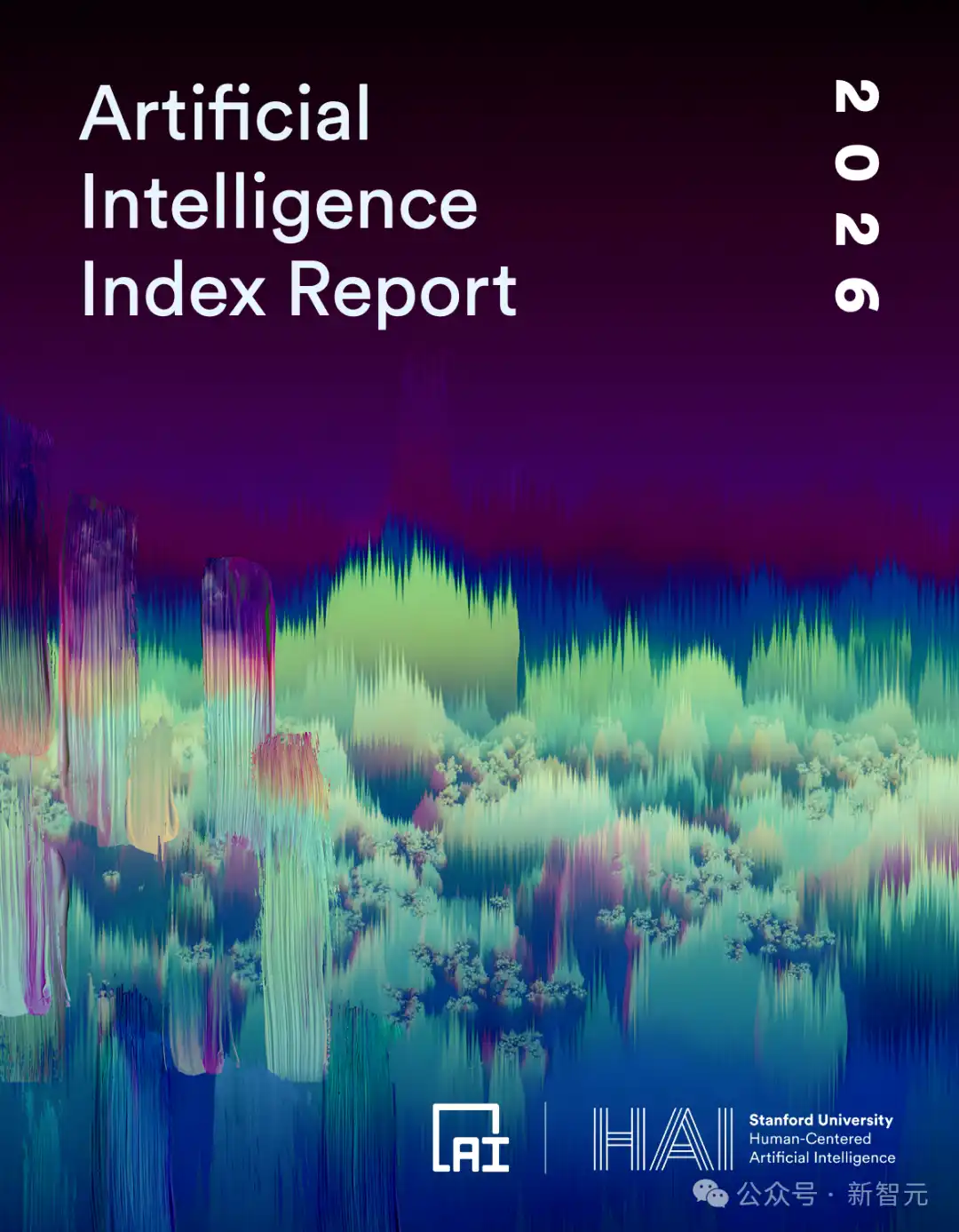
It presents a core conclusion: AI's capabilities are growing rapidly; but humanity's ability to measure and manage it hasn't kept pace.

Among the most shocking conclusions—

The performance gap between US and Chinese AI models has essentially disappeared, with the lead frequently changing hands in this peak showdown; currently, Anthropic's leading advantage is only 2.7%.

The US invests more money in AI than anyone else, but it's increasingly struggling to attract top talent.

The report also points out that AI evolution has not hit a so-called "bottleneck"; instead, it's advancing at an unprecedented pace.

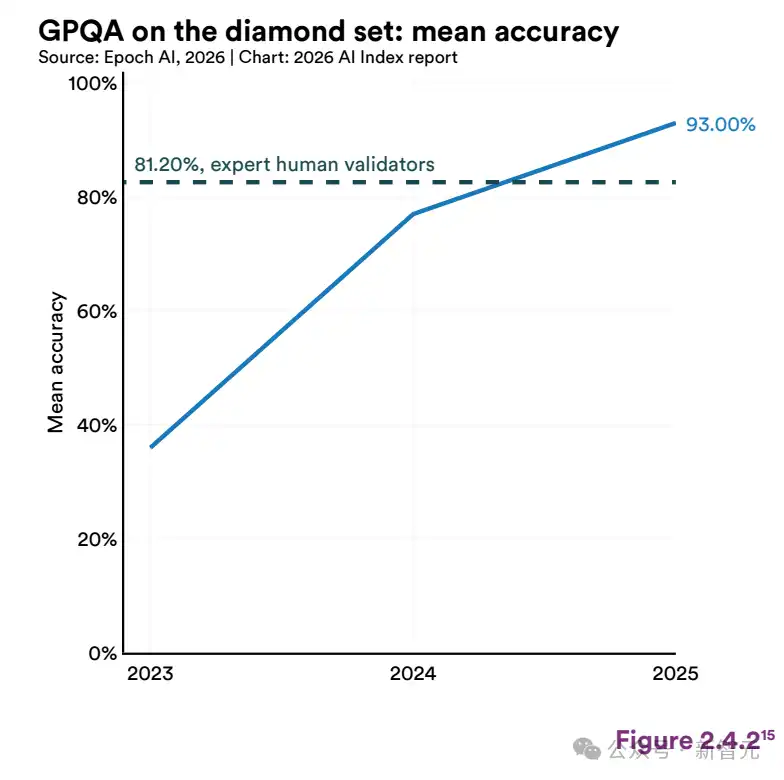
Over the past year, over 90% of the world's top models have matched or surpassed human performance on doctoral-level scientific questions, multimodal reasoning, and competition mathematics.

Especially in coding ability, SWE-bench scores surged from 60% to nearly 100% in one year.
However, AI's "uneven proficiency" is extremely severe, presenting a distorted reality:

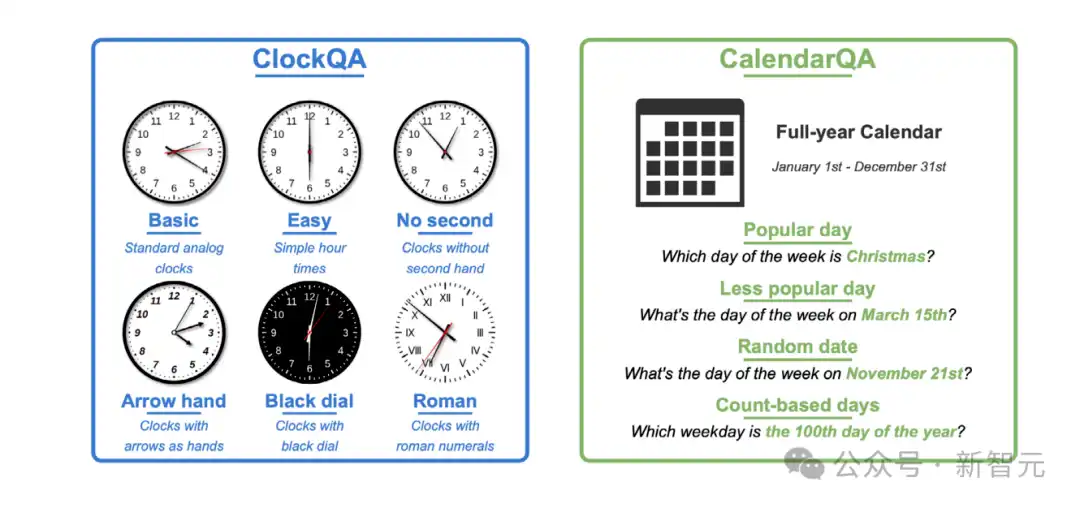
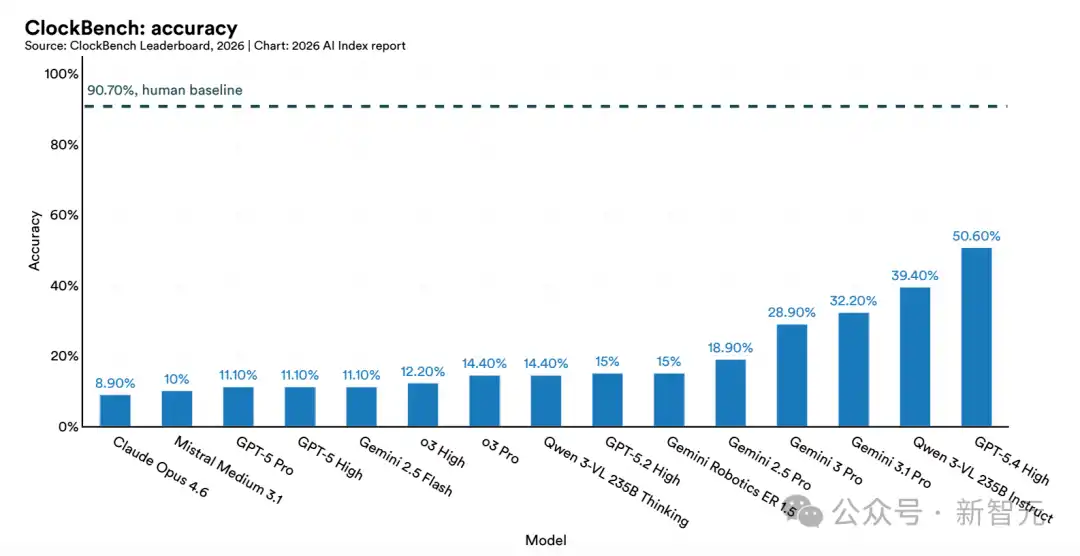
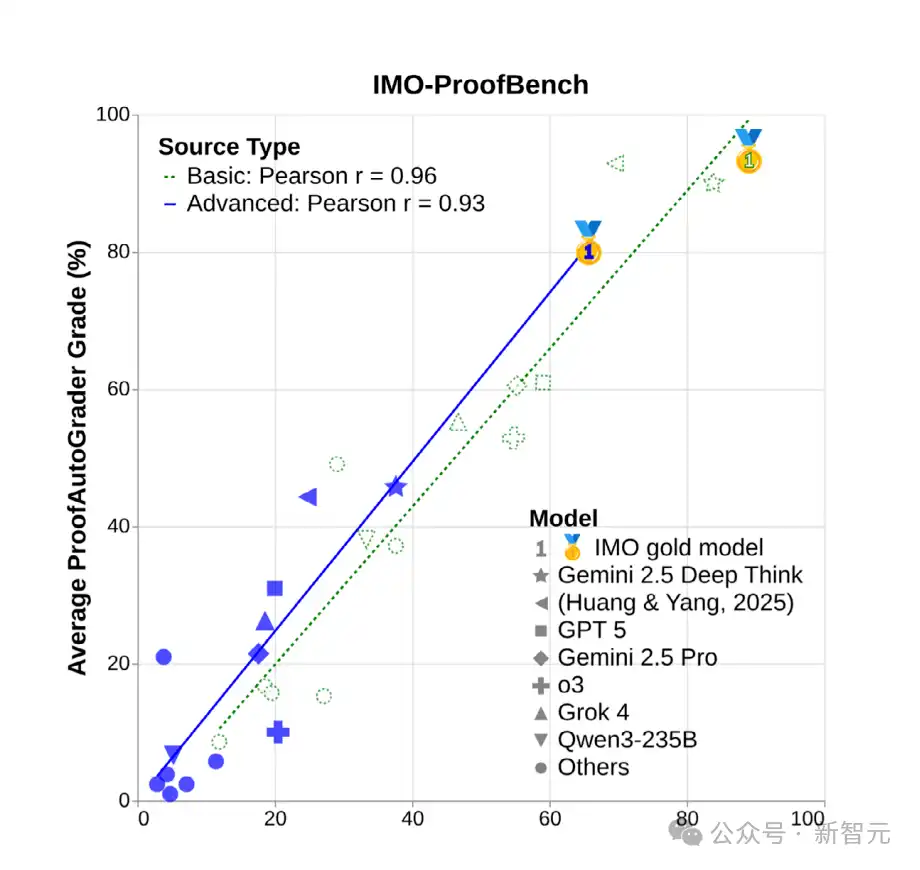
LLMs can win IMO gold medals but can't read analog clocks correctly, with an accuracy rate of only 50.1%.

Meanwhile, AI taking jobs has moved from prediction to reality, and the first to suffer are today's young "workers".

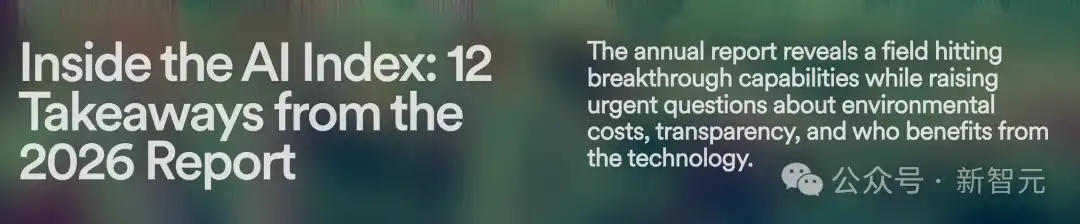
Here are the highlights: the 12 most hardcore trends from the "2026 AI Index Report".
Other quick highlights:

  • Global AI computing power increased 30-fold in 3 years, NVIDIA独占 60%, almost all chips come from one company, TSMC

  • Global corporate AI investment in 2025 was $581.7 billion, doubling year-over-year, the US alone accounted for nearly half

  • AI researchers entering the US fell 89% over 7 years, dropping 80% in the past year alone

  • Employment for software developers aged 22-25 has fallen 20% since 2024, entry-level positions precisely cut

  • China has cumulatively built 85 public AI supercomputers, more than double North America's, ranking first globally

  • AI usage rate in Chinese workplaces exceeds 80%, far surpassing the global average of 58%

  • The strongest models are becoming black boxes, 80 out of 95 representative models did not公开 training code

US-China Face-to-Face Gap Only 2.7% Left

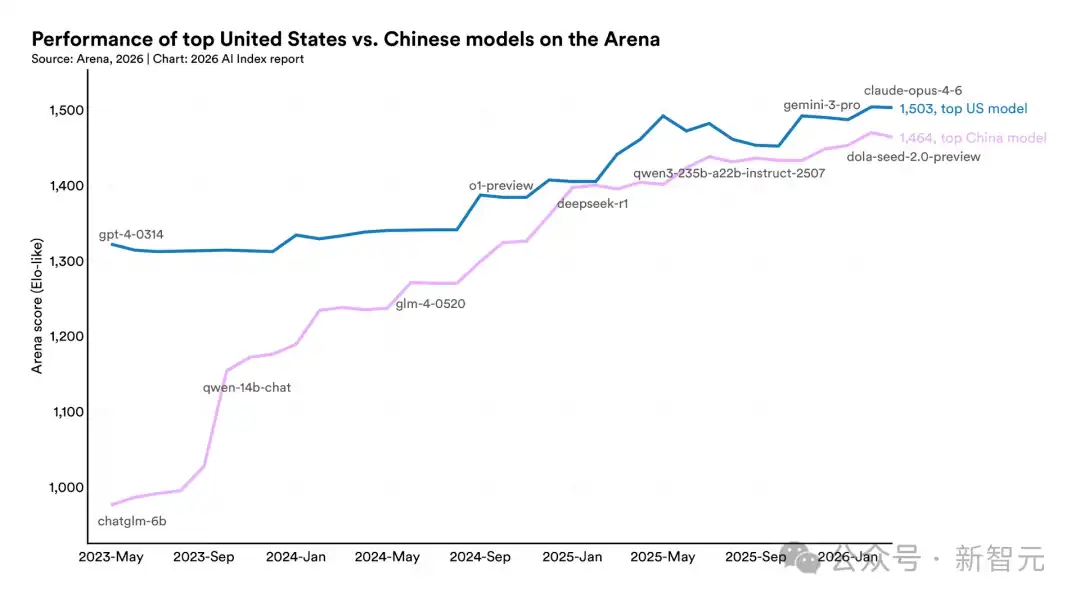
Stanford plotted the US #1 and China #1 from the Arena leaderboard since May 2023 on the same coordinate system.

In May 2023, gpt-4-0314 led with 1320 points, China was still chatglm-6b, a gap of over 300 points.

In February 2025, DeepSeek-R1 briefly tied with the US top model for the first time.

In March 2026, the US's Claude Opus 4.6 scored 1503 points, China's dola-seed-2.0-preview scored 1464 points.

The gap between US and Chinese AI is now only 39 points. Converted to a percentage, 2.7%.

More noteworthy is the frequency of lead changes over the past year. Since early 2025, the top models of the two countries have swapped positions on the Arena several times.
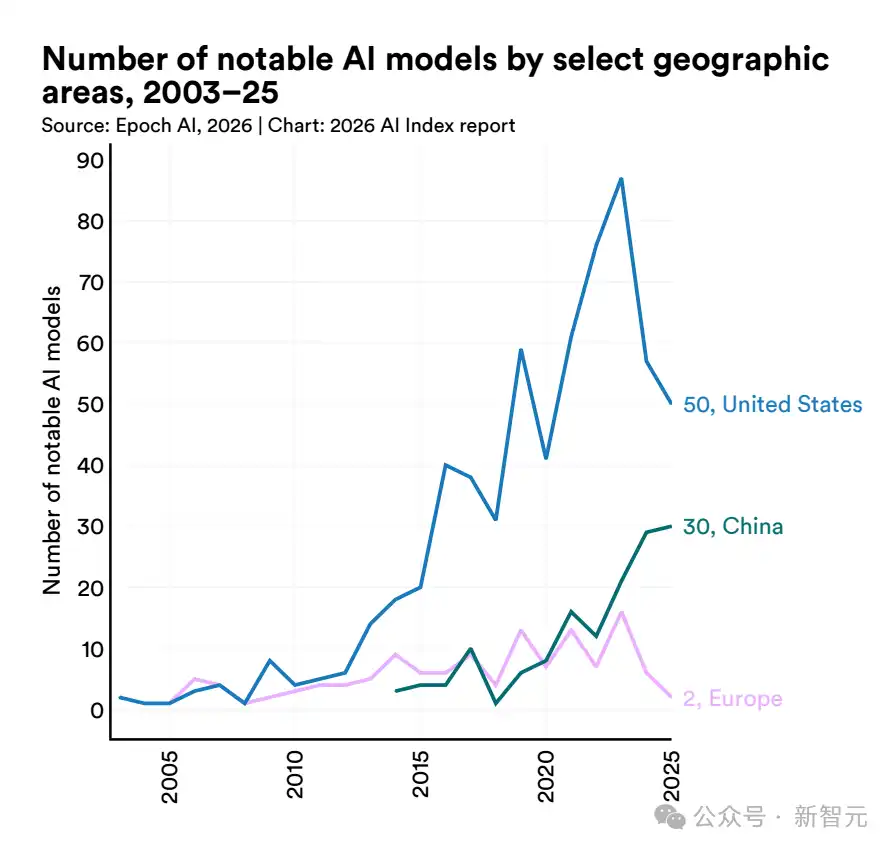
The numbers are also close to fifty-fifty.

In 2025, the US released 50 "significant models", China closely followed with 30 top-tier large models.

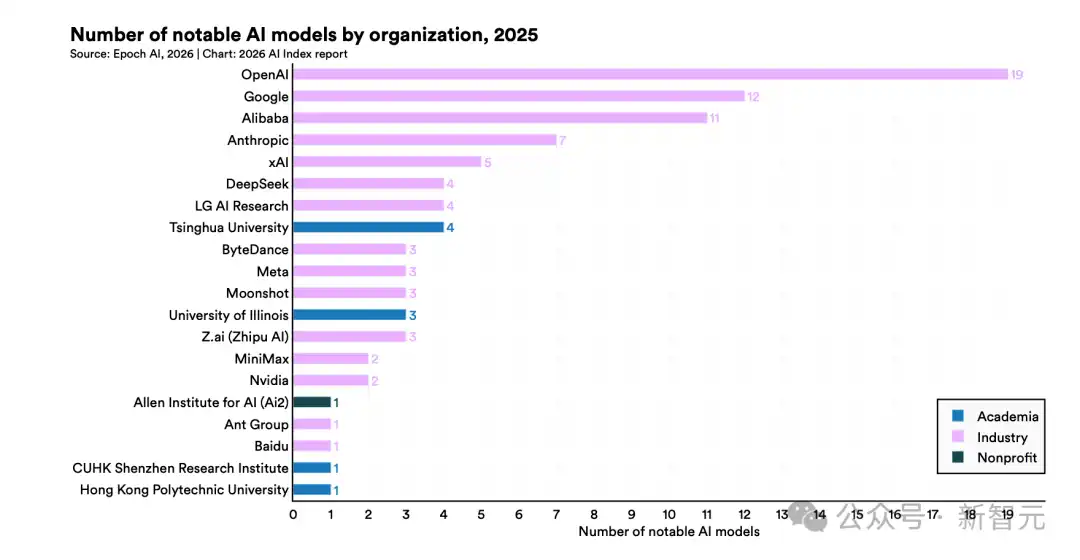
In the first tier, OpenAI, Google, Alibaba, Anthropic, xAI stand together, a fifty-fifty split of the global TOP 5.

Looking further down to TOP 10, Chinese institutions and companies occupy four spots: Alibaba, DeepSeek, Tsinghua, ByteDance.
The重心 of the open-source ecosystem has also明显东移 this year.

DeepSeek, Qwen, GLM, MiniMax, Kimi have been pushing the capability curve of open-source weights forward.

Add in论文发表量, citation counts, patent output, industrial robot installations, China ranks first globally in all.

<极速发展的AI:能力飞升,其他一切都在脱节" alt="">
Pricing is another battlefront.

Overseas developers calculated on X that the output price of Seed 2.0 Pro is about one-tenth that of Claude Opus 4.6.

Performance is face-to-face, price is one-tenth. The ripple effects of this are just beginning.

90% of Frontier Models Come from Industry, Deification Speed Unprecedented

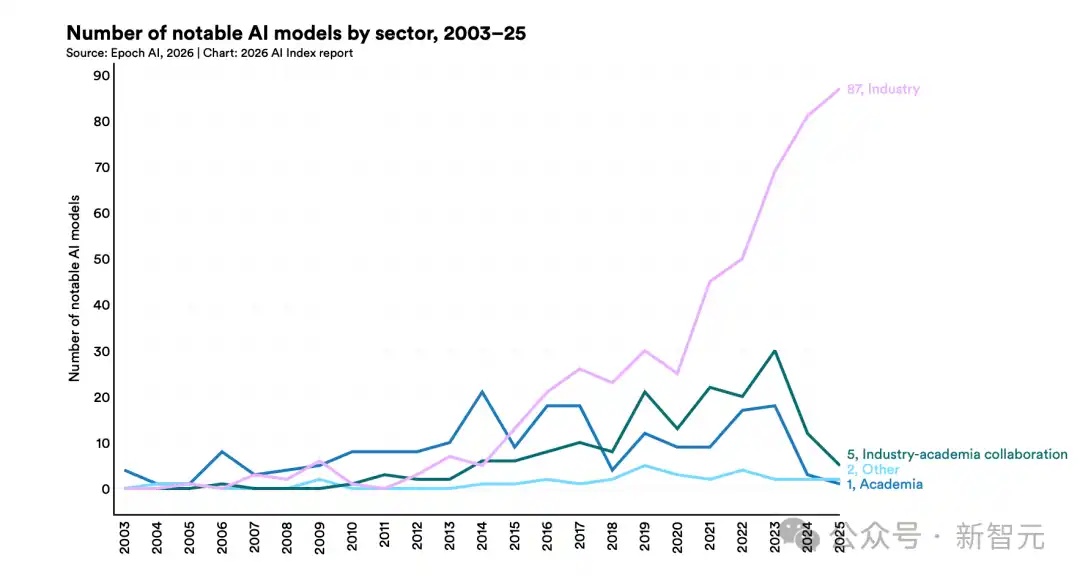
Of the 95 most representative models released last year, over ninety percent came from industry, not academic institutions or government labs.

The release speed is also变态 accelerating.

In February 2026 alone, eight or nine flagship models entered the arena同月: Gemini 3.1 Pro, Claude Opus 4.6, GPT-5.3 Codex, Grok 4.20, Qwen 3.5, Seed 2.0 Pro, MiniMax M2.5, GLM-5.

The deification cycle has changed from "years" to "months".

The most猛 curve is programming.

SWE-bench Verified, a benchmark for real bug fixing, went from 60% to nearly 100% in one year.

Not a few points increase, but basically capped.

Terminal-Bench tests Agent's ability to handle real terminal tasks, rising from 20% last year to 77.3%.

The success rate of cybersecurity Agents solving problems increased from 15% to 93%.

Gemini Deep Think won a gold medal at the International Mathematical Olympiad.

PhD-level scientific问答(GPQA Diamond), competition mathematics (AIME), multimodal reasoning (MMMU)—these were once considered "insurmountable by humans"—have all been conquered by frontier models.

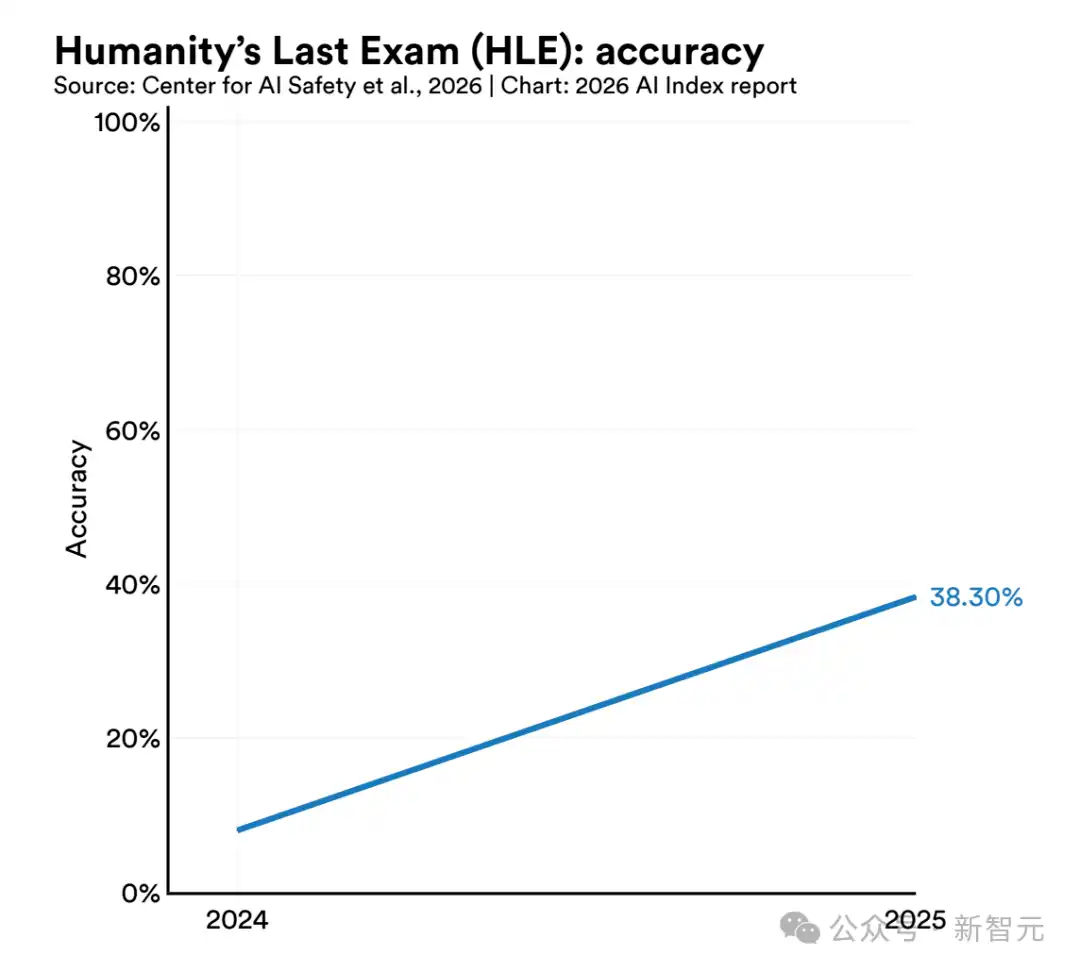
最能说明问题的是Humanity's Last Exam.

This is a test specifically designed to "stump AI, favor human experts", with questions provided by top experts in various fields.

Last year OpenAI's o1 scored 8.8%; frontier models pushed the score up another 30 percentage points in a year; currently Claude Opus 4.6 and Gemini 3.1 Pro have both passed 50%.

Jagged Frontier: Can Win IMO Gold But Can't Read a Clock

But the same index presents another set of numbers.

The strongest model's accuracy rate on the task of "reading an analog clock" is 50.1%.

The success rate of robots operating in lab simulation environments (RLBench) has reached 89.4%. But when moved to real household scenarios to complete chores like washing dishes or folding clothes, the success rate immediately drops to 12%.

Between the lab and the kitchen, there's a gap of 77 percentage points.

Researchers have named this phenomenon the "jagged frontier". The distribution of AI capabilities is uneven; it can win a math olympiad gold medal but can't reliably tell you what time it is.

AI can win math olympiad gold medals, but only has a fifty percent chance of reading an analog clock. AI is accelerating, but not in the same direction.

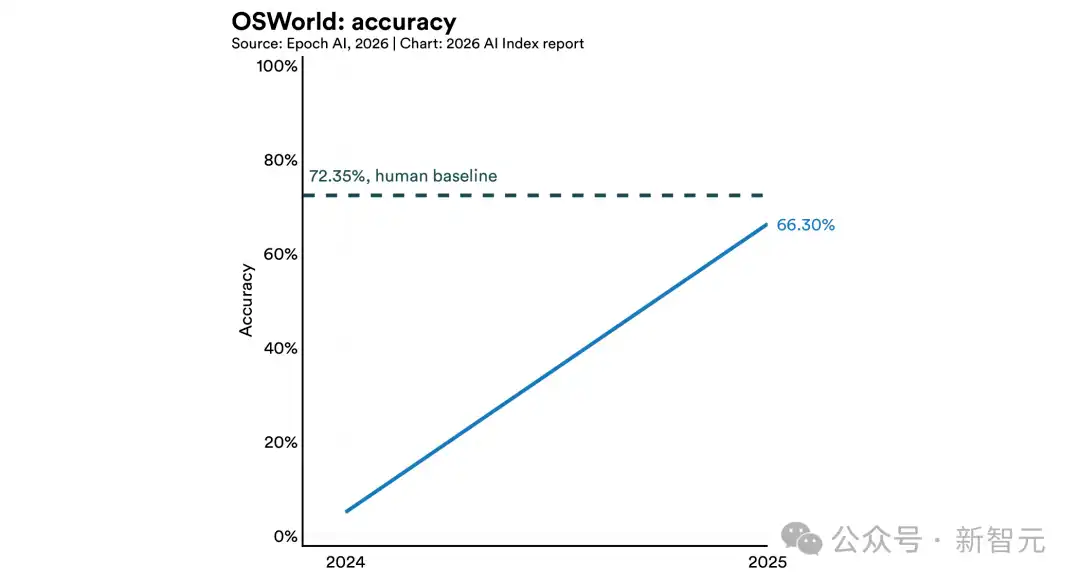
Also, in agent tasks, in the OSWorld test, frontier AI strength (66.3%) is approaching the human baseline.

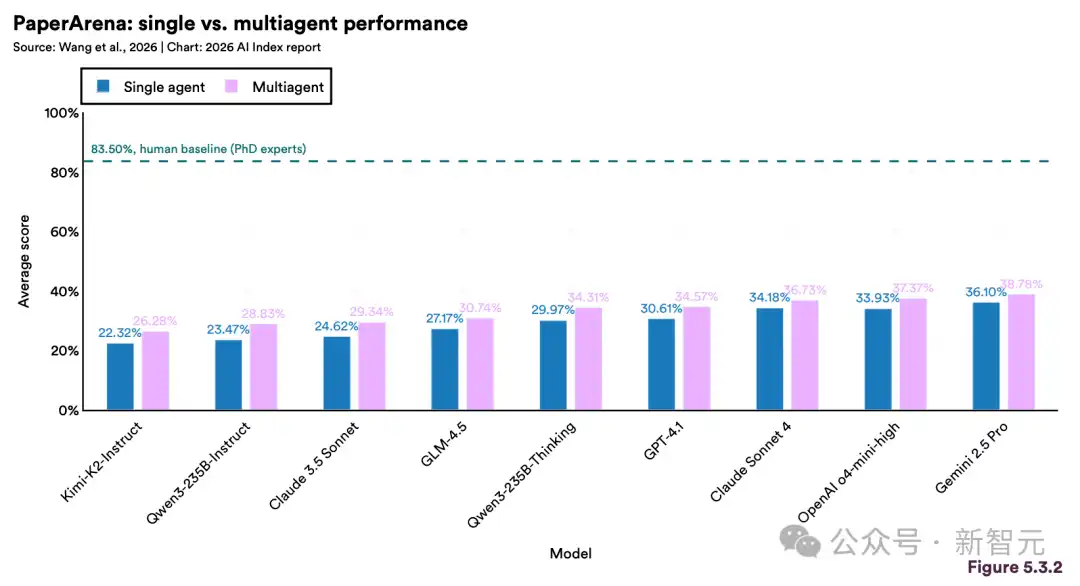
However, in the PaperArena test专门评估科研逻辑, the strongest AI-powered Agent scored only 39%, half the capability of a PhD student.

But this unevenness doesn't stop companies from integrating AI into production lines.

Another number from the AI Index is that the global enterprise AI adoption rate has reached 88%. Ninety percent of companies have integrated AI into some workflow.

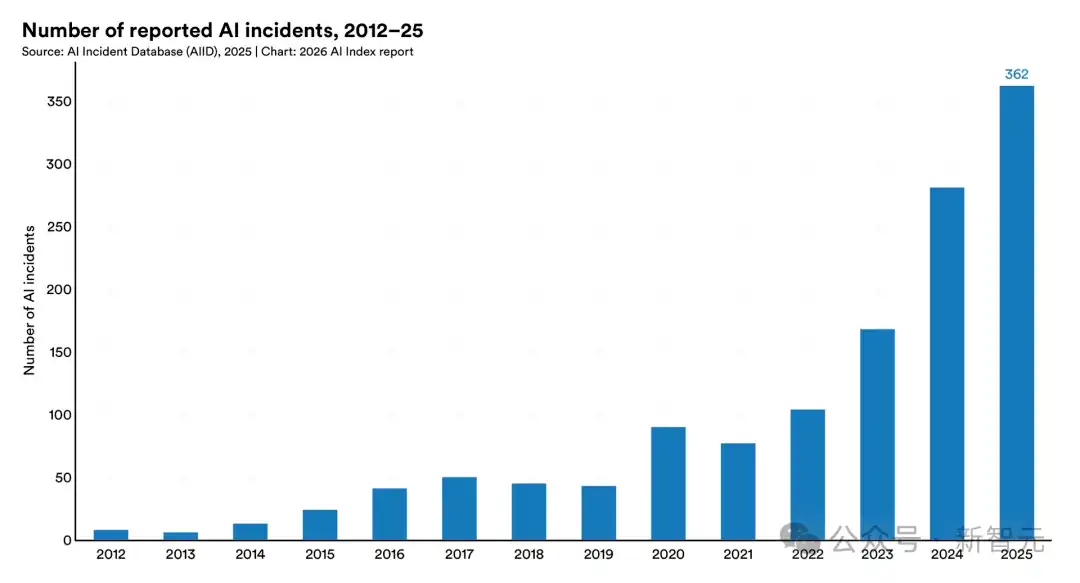
The cost is rising simultaneously. Recorded AI-related incidents increased from 233 in 2024 to 362.

Money is Accelerating: $581.7 Billion Poured into AI

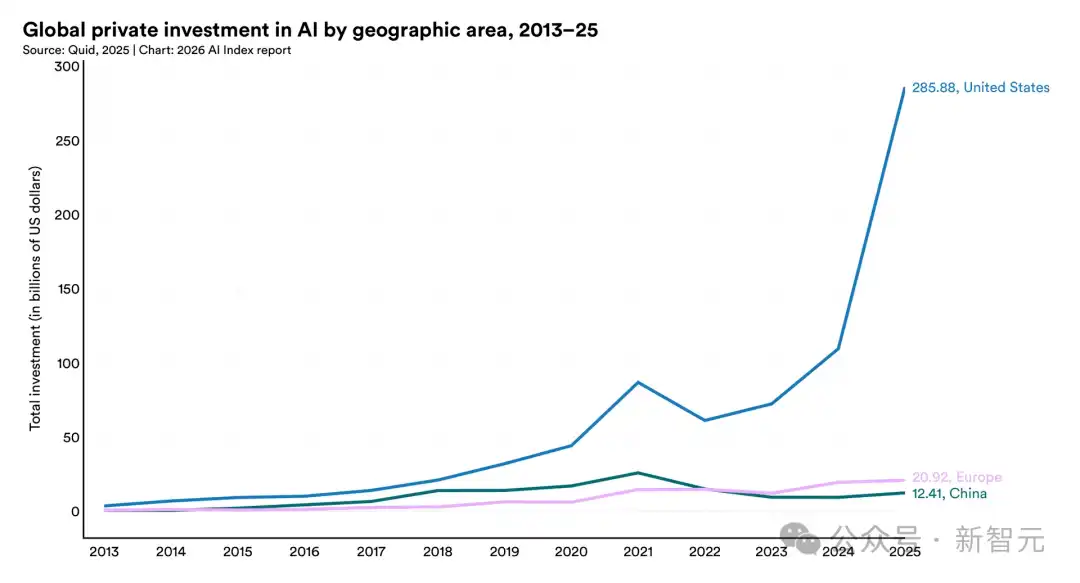
Global corporate AI investment in 2025 reached $581.7 billion, a year-on-year increase of 130%.其中, private investment was $344.7 billion, up 127.5% year-on-year.

Both curves almost doubled.

By country, the US is in a league of its own. US private AI investment in 2025 was $285.9 billion. And it added 1,953 AI startups in one year, also more than 10 times the number of the second-ranked country.

Money is accelerating into the US. But another core US resource is moving in the opposite direction.

People are Flowing Out: AI Researchers Entering the US Fell 89%

There's a set of numbers that makes one pause.

From 2017 to now, the number of AI researchers and developers entering the US has fallen by 89%.

More critically, this decline is accelerating. In the past year alone, the drop was 80%.

The US still has the highest density of AI researchers globally, but the inflow tap is tightening.

The curves of money and people are starting to反向. This is a situation not seen in the past decade.

Computing Power Rose 30-Fold in 3 Years, Lifelines in One Company's Hands

The AI capability curve is accelerating, but the computing power curve behind it is running even faster.

From 2021 to now, global AI computing power has increased 30-fold. Over the past three years, it has tripled every year.

This curve is supported by a few companies.

NVIDIA's GPUs alone account for over 60% of the world's AI computing power. Amazon and Google rank second and third with their own chips, but combined they are far behind NVIDIA.

And almost all these chips come from one foundry, TSMC. The steeper the computing power curve, the narrower the lifeline.

Meanwhile, the cost is also increasing.

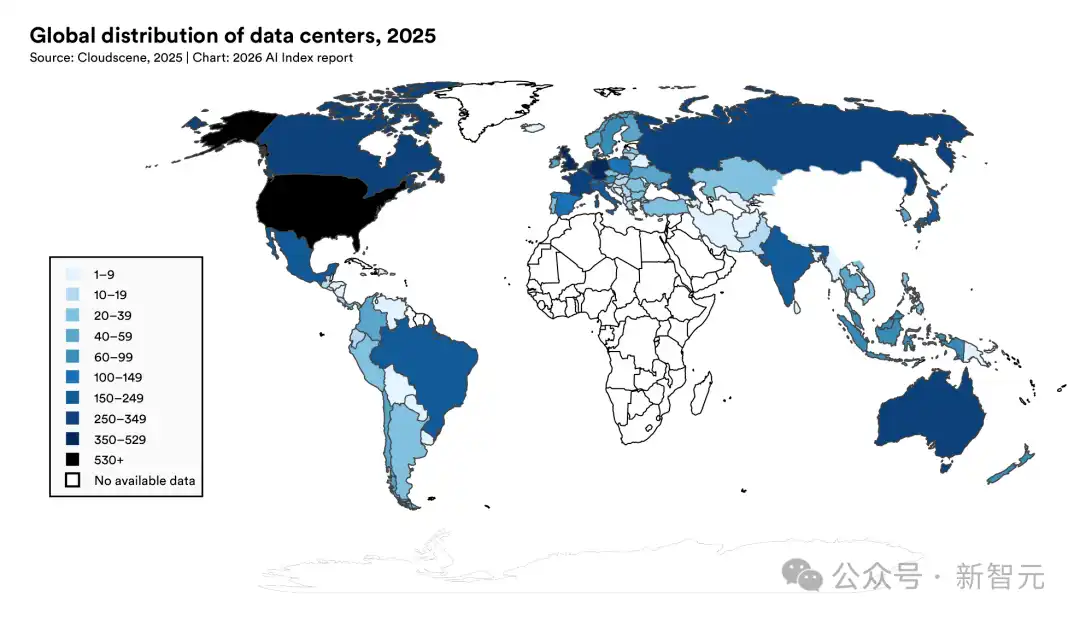
The total power of global AI data centers has reached 29.6 GW, equivalent to New York State's entire peak electricity demand. The estimated carbon emission for one training run of xAI Grok 4 is 72,816 tons of CO2 equivalent, equal to the tailpipe emissions of 17,000 cars driving for a year.

Where data centers are built, where electricity comes from, where chips are produced—these three questions have become the most headache-inducing issues on every AI company CEO's desk this year.

Generative AI Penetrated 53% in Three Years, Chinese Workplace Usage Exceeds 80%

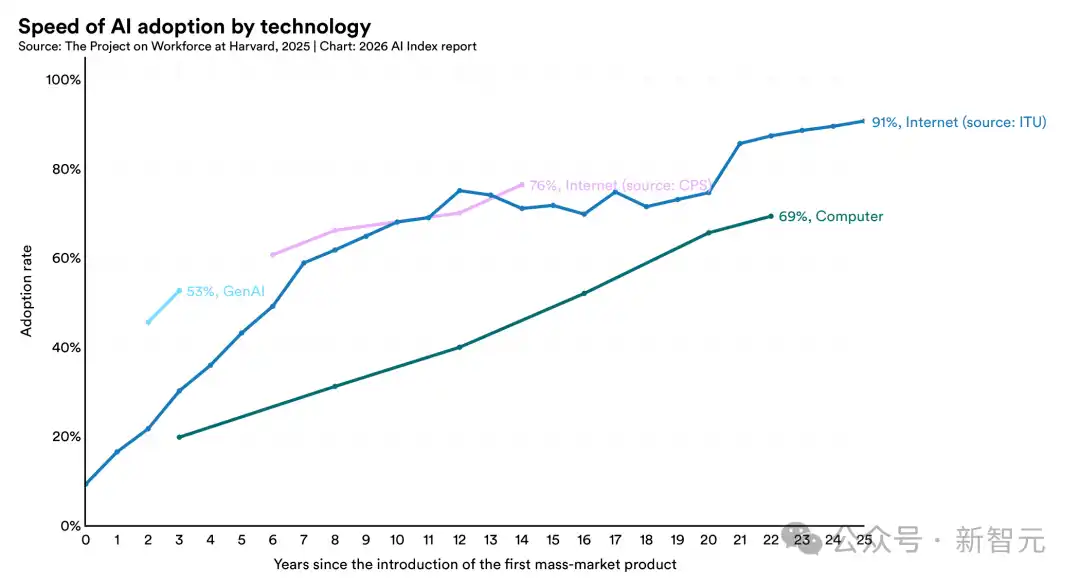
Generative AI reached a global population penetration rate of 53% within three years.

This speed is faster than personal computers, faster than the internet.

But penetration speed is highly correlated with country. Singapore 61%, UAE 54%, both ahead of the US. The US ranks only 24th among the surveyed countries, with a penetration rate of 28.3%.

If we change the dimension from consumers to the workplace, the contrast is greater.

Another set of data in the report shows that in 2025, 58% of employees globally had already started using AI regularly at work. But in five countries—China, India, Nigeria, UAE, Saudi Arabia—this proportion exceeded 80%.

China's workplace AI penetration rate is already more than 20 percentage points higher than the global average.

Even more interesting is consumer value.

AI Index estimates that by early 2026, generative AI tools create $172 billion in value annually for US consumers. From 2025 to 2026, the median value per user tripled.

The vast majority of users are still using the free version.

Entry-Level Positions Sharply Reduced, 22-25 Year-Old Dev Jobs Slashed 20%

The part of the entire AI Index that might be most沉默 for Chinese readers is probably the section on youth employment.

The number of employed software developers aged 22 to 25 has fallen by about 20% since 2024.

During the same period, older peer groups actually grew.

Not just development roles. Other high-AI-exposure industries like customer service are also showing the same pattern.

More worrying are the results of corporate surveys. Respondent executives generally expect future layoffs to be larger than in the past few months.

This isn't about the macro unemployment rate; it's about entry-level positions being precisely cut off.

If the first job is gone, the entire career ladder loses a rung. The long-term impact of this is something no one can calculate yet.

AI is Rewriting the Way Science is Done

If the employment section is cold, the science section is hot.

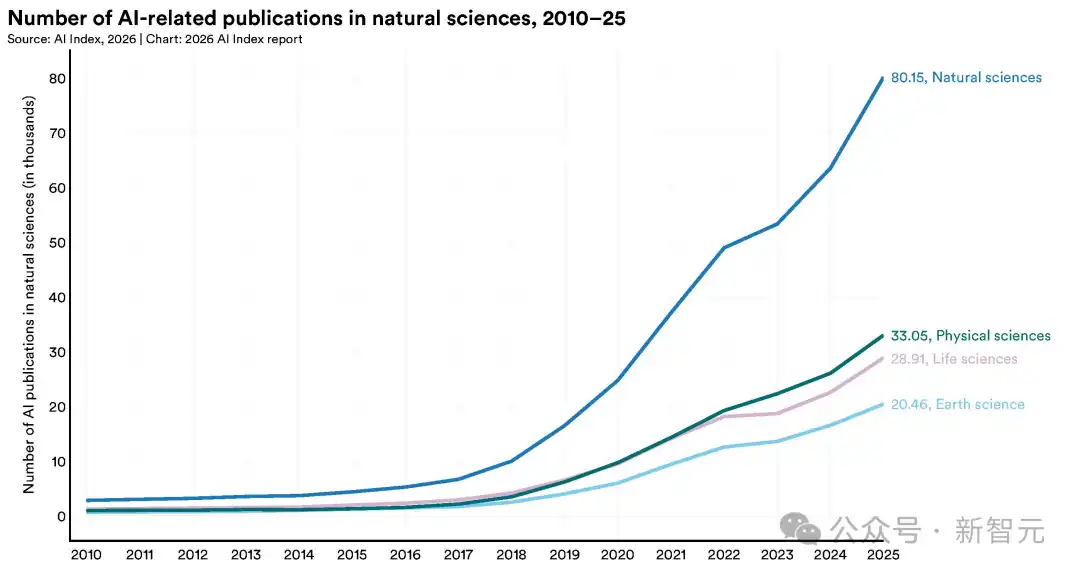
AI-related papers in natural sciences, physical sciences, and life sciences grew by 26% to 28% year-on-year in 2025.

Specifically in application, this year for the first time an AI completely ran an end-to-end weather forecasting process. From raw meteorological observation data directly outputting final forecasts for temperature, wind speed, humidity, with no traditional numerical models介入.

AI is moving from "helping you write papers" "helping you calculate numbers" to "making discoveries itself".

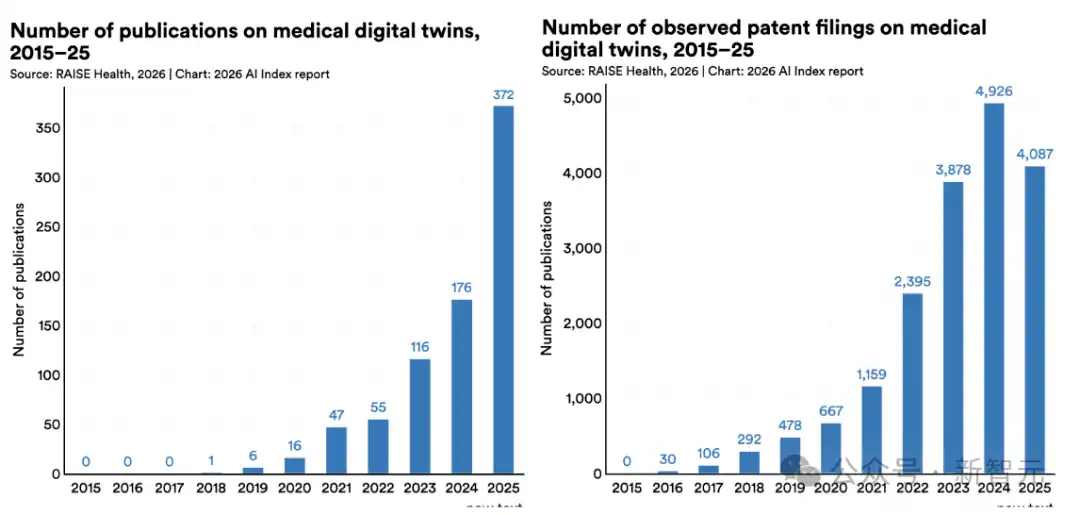
It's the same in hospitals. In 2025, many hospitals began deploying AI tools that can automatically generate clinical records from consultation dialogues. Doctors in multiple hospital systems reported that time spent writing medical records was reduced by up to 83%, with significant decreases in burnout.

But the same index pours cold water on medical AI. A review of over 500 clinical AI studies found that nearly half relied on exam-style datasets, and only 5% used real clinical data.

AI can reduce doctors' typing time, that's certain. AI's clinical value on real patients currently has many question marks.

Self-Learning Wave Explodes Globally, Formal Education Has Fallen Behind

Formal education can't keep up with AI.

4/5 of US high school and college students now use AI to complete school assignments. But only half of secondary schools have AI usage policies, and only 6% of teachers think these policies are clear.

Students are running ahead, teachers are still in place, rules haven't appeared yet.

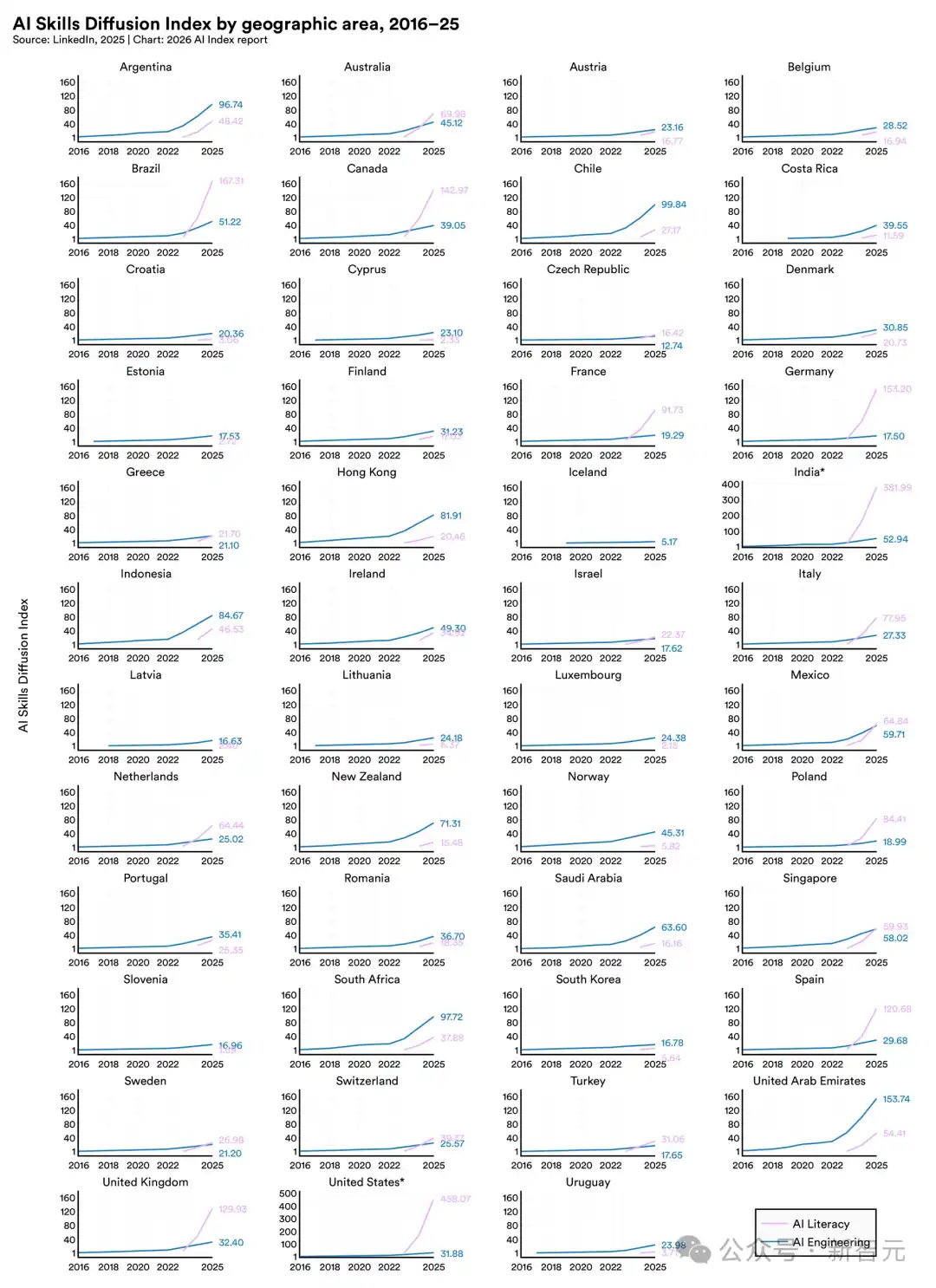
While formal education falls behind, the self-learning wave is exploding globally. It says the three countries with the fastest growth in learning AI engineering skills are the UAE, Chile, and South Africa.

Not the US, not Europe.

The steepest part of the skill curve is growing in places no one is looking.

Strongest Models Become the Most Opaque, Experts and Public are分裂

The strongest models are becoming the most opaque models.

The Foundation Model Transparency Index's average score fell from 58 last year to 40 this year. The AI Index directly点名, Google, Anthropic, OpenAI have all stopped公开 the training data scale and training duration of their latest models.

Of the 95 most representative models released last year, 80 did not公开 training code.

Public sentiment has also become more complex.

Globally, the proportion believing AI's benefits outweigh the risks rose from 52% to 59%. But during the same period, the proportion feeling nervous about AI rose from 50% to 52%.

Both directions are growing simultaneously.

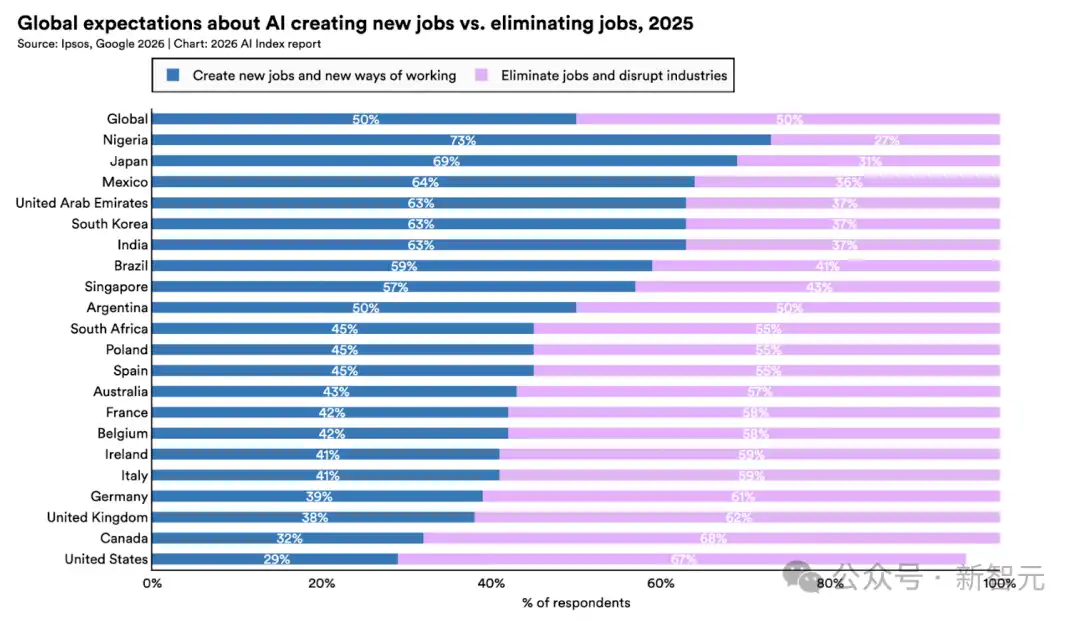
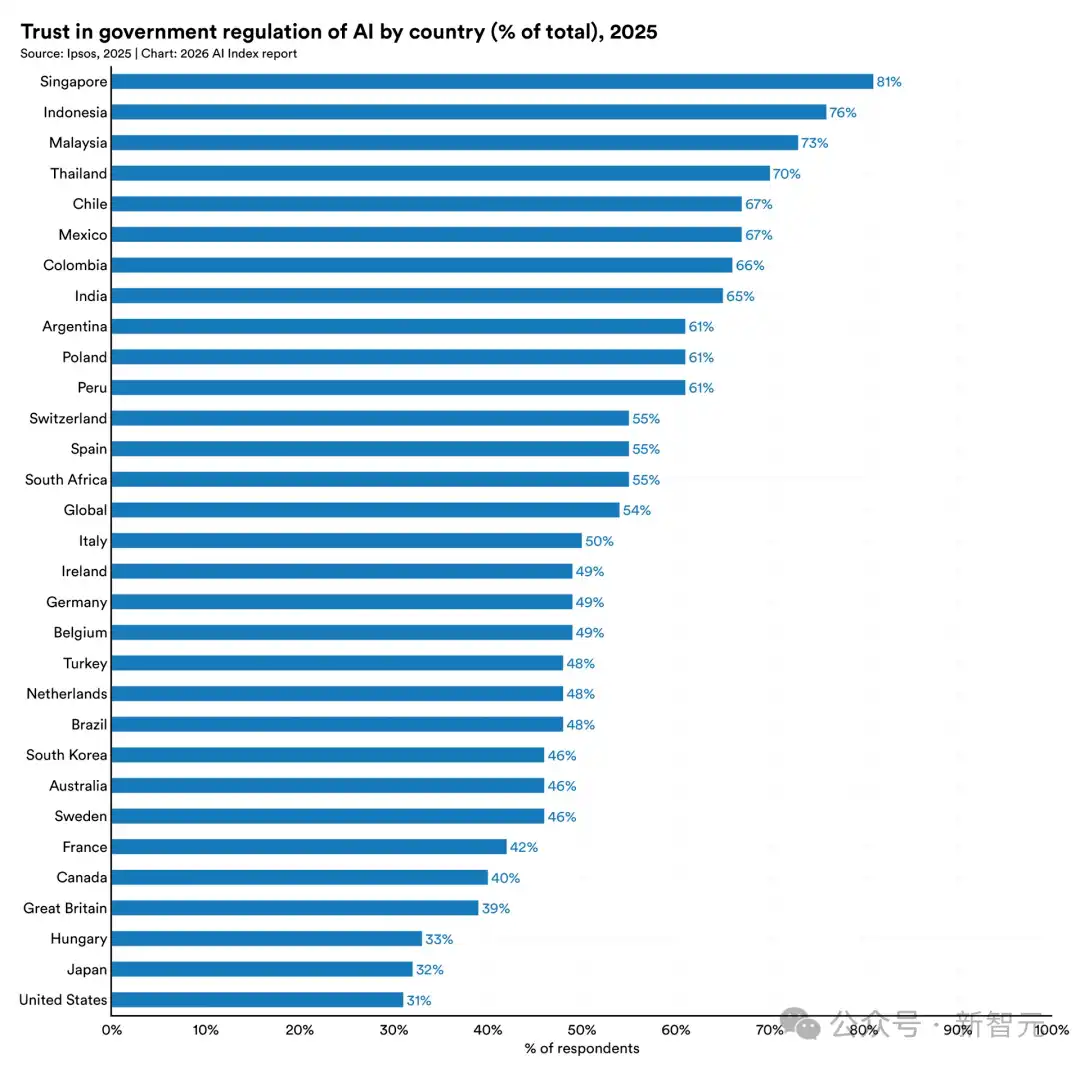
The most分裂 is the US. Only 33% of Americans think AI will make their jobs better, the global average is 40%. Americans' trust in their own government to regulate AI is the lowest among surveyed countries, 31%.

Singaporeans' trust in their government to regulate AI is 81%.

After the recent incident at Sam Altman's house was袭击, Silicon Valley insiders were "surprised to find" that ordinary people in the Instagram comments were not sympathetic, some even felt "it should be more intense".

They didn't realize things had gotten this bad.

The Pew and Ipsos data cited in the report show that the perception gap between experts and the public on the impact of AI on employment, healthcare, economy, etc.,普遍 exceeds 30 percentage points, with the largest gap reaching 50 percentage points.

On one side, the curves in the lab are soaring; on the other, ordinary people's unease is accumulating.

There is no bridge in between.

In Conclusion

The 423-page report has hundreds of charts, but it really only draws one picture.

The horizontal axis is time, the vertical axis is capability.

The model capability curve is flying, the computing power curve is flying, the investment curve is flying, the adoption rate curve is flying. Everything else is stagnating or moving downward.

This is the entire content of the 2026 AI Index.

AI is accelerating. Everything else is decoupling.

If you are in this industry, the question to ask now is not "what will the future be like", but "which curve are you standing on".

Связанные с этим вопросы

QWhat is the performance gap between the top AI models of the US and China according to the Stanford AI Index Report 2026?

AThe performance gap between the top AI models of the US and China has narrowed to just 2.7%.

QWhich Chinese institutions or companies are ranked in the global top 10 for AI models?

AAlibaba, DeepSeek, Tsinghua University, and ByteDance are the Chinese institutions and companies ranked in the global top 10.

QWhat percentage of the world's top AI models in the past year came from industry rather than academia?

AOver 90% of the world's top AI models in the past year came from industry, not academia or government labs.

QWhat significant negative impact on employment is highlighted in the report, particularly for a specific age group?

AEmployment for software developers aged 22-25 has decreased by approximately 20% since 2024, as entry-level positions are being disproportionately affected.

QWhat is the term used in the report to describe the uneven and inconsistent development of AI capabilities?

AThe term used to describe the uneven development of AI capabilities is 'jagged frontier' (锯齿前沿).

Похожее

You Bet on the News, the Pros Read the Rules: The True Cognitive Gap in Losing Money on Polymarket

The article explains that the key to profiting on Polymarket, a prediction market platform, lies not just predicting real-world events correctly, but in meticulously understanding the specific rules that govern how each market will be resolved. It illustrates this with examples, such as a market on Venezuela's 2026 leader, where the official rules defining "officially holds" the office overruled the intuitive answer of who was in practical control. Other examples include debates over the definition of a "token" or what constitutes an "agreement." The core argument is that a "reality vs. rules" gap creates pricing discrepancies that savvy traders ("车头" or "whales") exploit. The platform has a formal dispute resolution process managed by UMA token holders to settle ambiguous outcomes. This process involves proposal submission, a challenge window, a discussion period, and a final vote. However, the article highlights a critical flaw in this system compared to a traditional court: the lack of separation between the arbiters (UMA voters) and the interested parties (traders with financial stakes in the outcome). This conflict of interest undermines the discussion phase, leads to herd mentality, and results in opaque final decisions without explanatory rulings. Consequently, the system lacks a body of precedent, making it difficult for users to learn from past disputes. The ultimate takeaway is that success on Polymarket requires a lawyer-like scrutiny of the rules to identify and capitalize on the cognitive gap between how events appear and how they are contractually defined for settlement.

marsbit11 мин. назад

You Bet on the News, the Pros Read the Rules: The True Cognitive Gap in Losing Money on Polymarket

marsbit11 мин. назад

Will the Fed Still Cut Interest Rates? Tonight's Data Is Crucial

The core debate surrounding the Federal Reserve's potential interest rate cuts is intensifying amid geopolitical conflict and rebounding inflation. The key question is whether high energy prices will cause persistent inflation or weaken consumer demand enough to force the Fed to cut rates. Citigroup presents a bullish case for cuts, arguing that oil supply disruptions from the Strait of Hormuz are temporary and will not lead to lasting inflationary pressure. They point to receding bond yields and oil prices as evidence the market is pricing in a short-lived shock. Citi's data also shows tightening financial conditions, a stabilizing labor market, and healthy tax returns, supporting their view that the path to lower rates remains open. Conversely, Deutsche Bank offers a starkly contrasting, more hawkish outlook. They argue the Fed's current policy is already neutral and expect rates to remain unchanged indefinitely. Their view is based on stalled disinflation progress and a shift toward more hawkish rhetoric from key Fed officials like Waller, who cited risks from prolonged Middle East conflict and tariffs. Other officials, including Williams and Hammack, signaled rates would likely stay on hold for a "considerable time." The market pricing has shifted dramatically, now forecasting zero cuts in 2026. The imminent release of the March retail sales "control group" data is highlighted as a critical test. This metric, which excludes gas station sales, will reveal if high gasoline prices are eroding consumer spending in other areas. A weak reading could support the case for imminent rate cuts, while a strong one would bolster the argument for the Fed to hold steady. This data is pivotal for determining the near-term policy path.

marsbit31 мин. назад

Will the Fed Still Cut Interest Rates? Tonight's Data Is Crucial

marsbit31 мин. назад

The Second Half of Macro Influencer Fu Peng's Career

Fu Peng, a prominent Chinese macroeconomist and former chief economist of Northeast Securities, has joined Hong Kong-based digital asset management firm Bitfire Group (formerly New Huo Group) as its chief economist. This move, announced in April 2026, triggered an 11% surge in Bitfire's stock price. Fu, known for his accessible macroeconomic commentary and large social media following, will focus on integrating digital assets into global asset allocation frameworks, particularly combining FICC (fixed income, currencies, and commodities) with cryptocurrencies for institutional clients. His career includes roles at Lehman Brothers and Solomon International, with significant influence gained through public communication. However, in late 2024, Fu faced temporary social media bans after a controversial private speech at HSBC on China's economic challenges, though he denied regulatory sanctions. He later left Northeast Securities citing health reasons. Bitfire, a licensed virtual asset manager serving high-net-worth clients, seeks to build trust and attract traditional capital through Fu’s expertise and credibility. The partnership represents a strategic shift for both: Fu enters the crypto sector after a traditional finance peak, while Bitfire aims to leverage his macro framework for institutional adoption. Outcomes remain uncertain regarding capital inflows and compatibility within corporate structure.

marsbit1 ч. назад

The Second Half of Macro Influencer Fu Peng's Career

marsbit1 ч. назад

Торговля

Спот
Фьючерсы

Популярные статьи

Как купить S

Добро пожаловать на HTX.com! Мы сделали приобретение Sonic (S) простым и удобным. Следуйте нашему пошаговому руководству и отправляйтесь в свое крипто-путешествие.Шаг 1: Создайте аккаунт на HTXИспользуйте свой адрес электронной почты или номер телефона, чтобы зарегистрироваться и бесплатно создать аккаунт на HTX. Пройдите удобную регистрацию и откройте для себя весь функционал.Создать аккаунтШаг 2: Перейдите в Купить криптовалюту и выберите свой способ оплатыКредитная/Дебетовая Карта: Используйте свою карту Visa или Mastercard для мгновенной покупки Sonic (S).Баланс: Используйте средства с баланса вашего аккаунта HTX для простой торговли.Третьи Лица: Мы добавили популярные способы оплаты, такие как Google Pay и Apple Pay, для повышения удобства.P2P: Торгуйте напрямую с другими пользователями на HTX.Внебиржевая Торговля (OTC): Мы предлагаем индивидуальные услуги и конкурентоспособные обменные курсы для трейдеров.Шаг 3: Хранение Sonic (S)После приобретения вами Sonic (S) храните их в своем аккаунте на HTX. В качестве альтернативы вы можете отправить их куда-либо с помощью перевода в блокчейне или использовать для торговли с другими криптовалютами.Шаг 4: Торговля Sonic (S)С легкостью торгуйте Sonic (S) на спотовом рынке HTX. Просто зайдите в свой аккаунт, выберите торговую пару, совершайте сделки и следите за ними в режиме реального времени. Мы предлагаем удобный интерфейс как для начинающих, так и для опытных трейдеров.

1.1k просмотров всегоОпубликовано 2025.01.15Обновлено 2025.03.21

Как купить S

Sonic: Обновления под руководством Андре Кронье – новая звезда Layer-1 на фоне спада рынка

Он решает проблемы масштабируемости, совместимости между блокчейнами и стимулов для разработчиков с помощью технологических инноваций.

2.2k просмотров всегоОпубликовано 2025.04.09Обновлено 2025.04.09

Sonic: Обновления под руководством Андре Кронье – новая звезда Layer-1 на фоне спада рынка

HTX Learn: Пройдите обучение по "Sonic" и разделите 1000 USDT

HTX Learn — ваш проводник в мир перспективных проектов, и мы запускаем специальное мероприятие "Учитесь и Зарабатывайте", посвящённое этим проектам. Наше новое направление .

1.8k просмотров всегоОпубликовано 2025.04.10Обновлено 2025.04.10

HTX Learn: Пройдите обучение по "Sonic" и разделите 1000 USDT

Обсуждения

Добро пожаловать в Сообщество HTX. Здесь вы сможете быть в курсе последних новостей о развитии платформы и получить доступ к профессиональной аналитической информации о рынке. Мнения пользователей о цене на S (S) представлены ниже.

活动图片