История технологической эволюции, приводимой в движение электричеством: алюминий, биткоин и ИИ
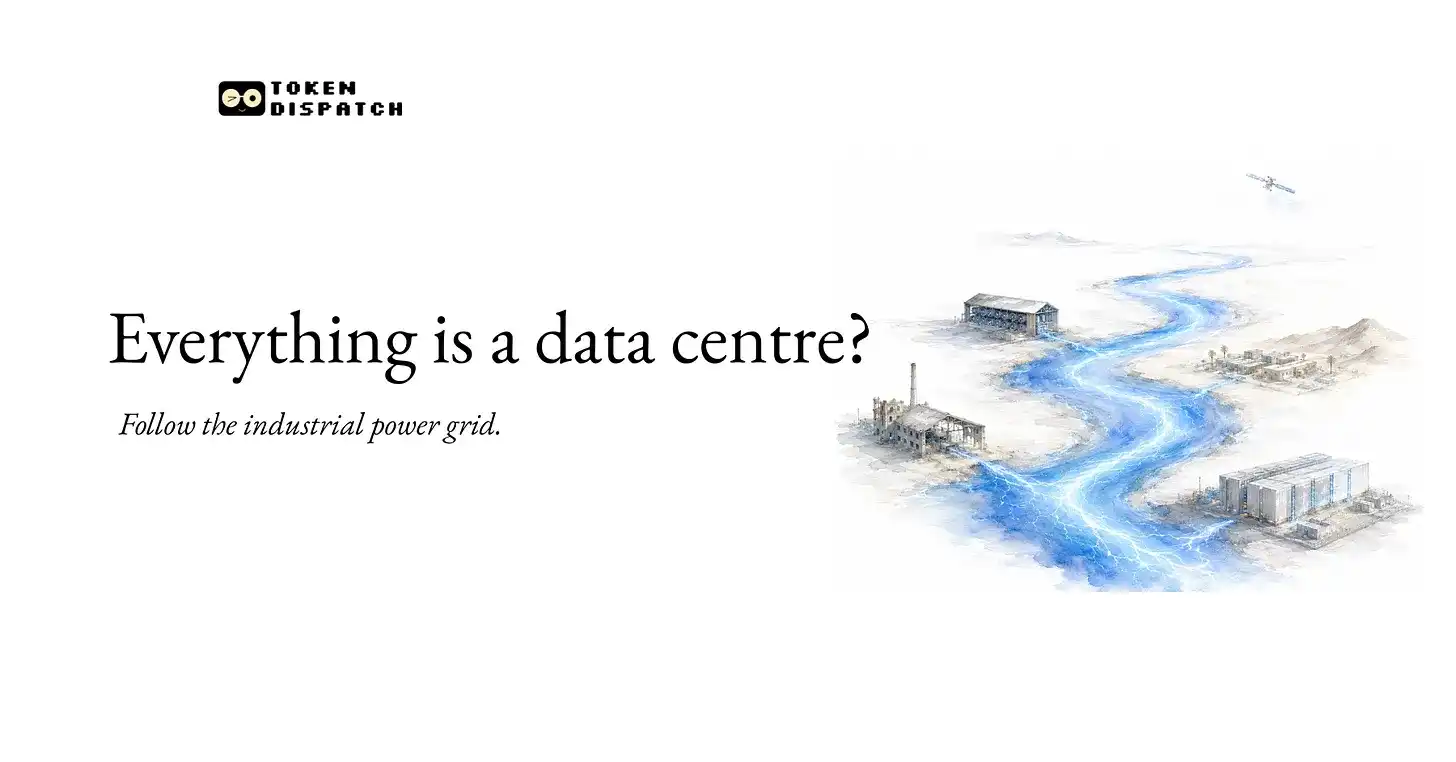
История технологической эволюции, движимой электричеством, разворачивается от алюминиевых заводов к майнингу биткойнов и искусственному интеллекту. Заброшенный алюминиевый завод в Рокдейле, Техас, теперь является крупнейшим в Северной Америке кластером для майнинга биткойнов, а его оборудование постепенно заменяется чипами AMD для обучения моделей ИИ. Ключевым активом в этой трансформации является не оборудование, а доступ к дешёвой электроэнергии.
Расчёты показывают разницу в доходности на киловатт-час: алюминий приносит $0.17–0.27, майнинг биткойнов — $0.05–0.11, а задачи ИИ на GPU H100 — $1.27–3.67. Поэтому компании (Riot, TeraWulf, NYDIG) активно скупают старые промышленные объекты с готовой энергоинфраструктурой. Крупные технологические гиганты, такие как Microsoft и Google, также вступают в борьбу за эти энергоресурсы, вытесняя майнеров. В результате многие майнинговые компании (Hive, Hut 8) перепрофилируют мощности под центры обработки данных для ИИ.
Эта тенденция, названная «цифровым ресурсным проклятием», наблюдается и в других регионах. Страны Персидского залива, традиционно предлагавшие дешёвую энергию для тяжёлой промышленности, теперь строят масштабные AI-кластеры. Бутан прекратил государственный майнинг биткойнов, предпочтя стабильный доход от продажи гидроэлектроэнергии Индии. Проекты даже выходят в космос, как Starcloud с планами по солнечным ЦОД на орбите, где ИИ будет основным потребителем энергии, а майнинг — второстепенным.
Параллельно развиваются децентрализованные альтернативы, такие как Bittensor, которые создают рынки для распределённых вычислительных мощностей, поощряя участников криптотокенами. Общий принцип остаётся неизменным: тот, кто контролирует самый дешёвый источник энергии, определяет, на какие вычисления она будет направлена — будь то в Техасе, Бутане, Абу-Даби или на околоземной орбите.
marsbit05/26 10:10