Субсидии→Тарификация по токенам→Снижение цен: OpenAI начинает ценовую войну, приближается ли переломный момент в токеномике?
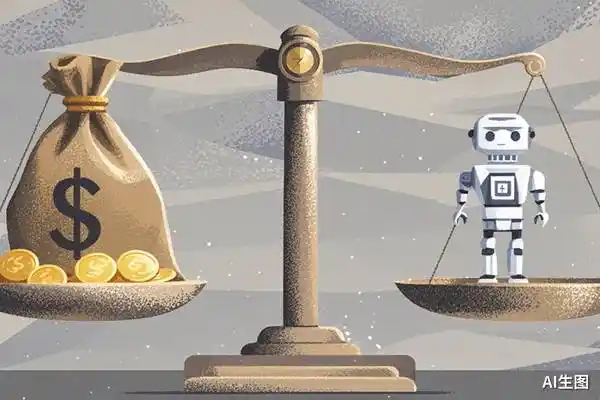
Коммерциализация генеративного ИИ переживает глубокую переоценку. После трехлетней эволюции — от подписок с фиксированной платой и масштабных субсидий до поминутной оплаты за токены — отрасль сталкивается с потенциальной ценовой войной, которая может обесценить текущие модели монетизации.
Согласно The Wall Street Journal, OpenAI рассматривает возможность значительного снижения цен на токены, чтобы конкурировать с Anthropic за корпоративных клиентов. Этот шаг происходит на фоне подготовки обеих компаний к IPO и семидневного падения индекса затрат на токены LLM, что отражает рыночные опасения по поводу устойчивости расходов на ИИ.
Переход на оплату по потреблению токенов обнажил реальные затраты предприятий. Такие компании, как Uber и Salesforce, сталкиваются с миллионными счетами, при этом, по данным аналитиков, лишь 18 центов из каждого доллара, вложенного в токены, создают реальную ценность для пользователей.
Надвигающаяся ценовая война между OpenAI и Anthropic угрожает и без того отрицательной рентабельности обеих компаний и может оказать давление на цепочку поставщиков облачных услуг и полупроводников, таких как Nvidia и Oracle.
В поисках новой устойчивой модели эксперты предлагают несколько путей: многоуровневое ценообразование в зависимости от сложности задачи, рост общего объёма потребления за счёт внедрения агентского ИИ (agentic AI) или смещение фокуса с максимизации токенов (tokenmaxxing) на максимизацию ценности каждого токена (valuemaxxing).
Примечательным фактором становится появление на рынке, в частности в США, китайских моделей, таких как DeepSeek, предлагающих значительно более низкие цены, что может изменить динамику конкурентной борьбы между основными игроками.
marsbit06/11 23:52