Отчет по Ethereum за первый квартал: активность в сети достигла рекордных высот, токенизированные активы лидируют во всей отрасли
**Отчет по Ethereum за первый квартал 2026 года: рекордная активность в сети при лидерстве в токенизированных активах**
В первом квартале 2026 года экосистема Ethereum демонстрировала двойственную динамику. С одной стороны, в сети зафиксирован исторический пик пользовательской активности: количество активных адресов выросло на 53,5% (до 13,2 млн), а общее число транзакций и пропускная способность (TPS) увеличились на 38% и 41,2% соответственно. Это стало результатом успешного масштабирования сети (апгрейд BPO#2).
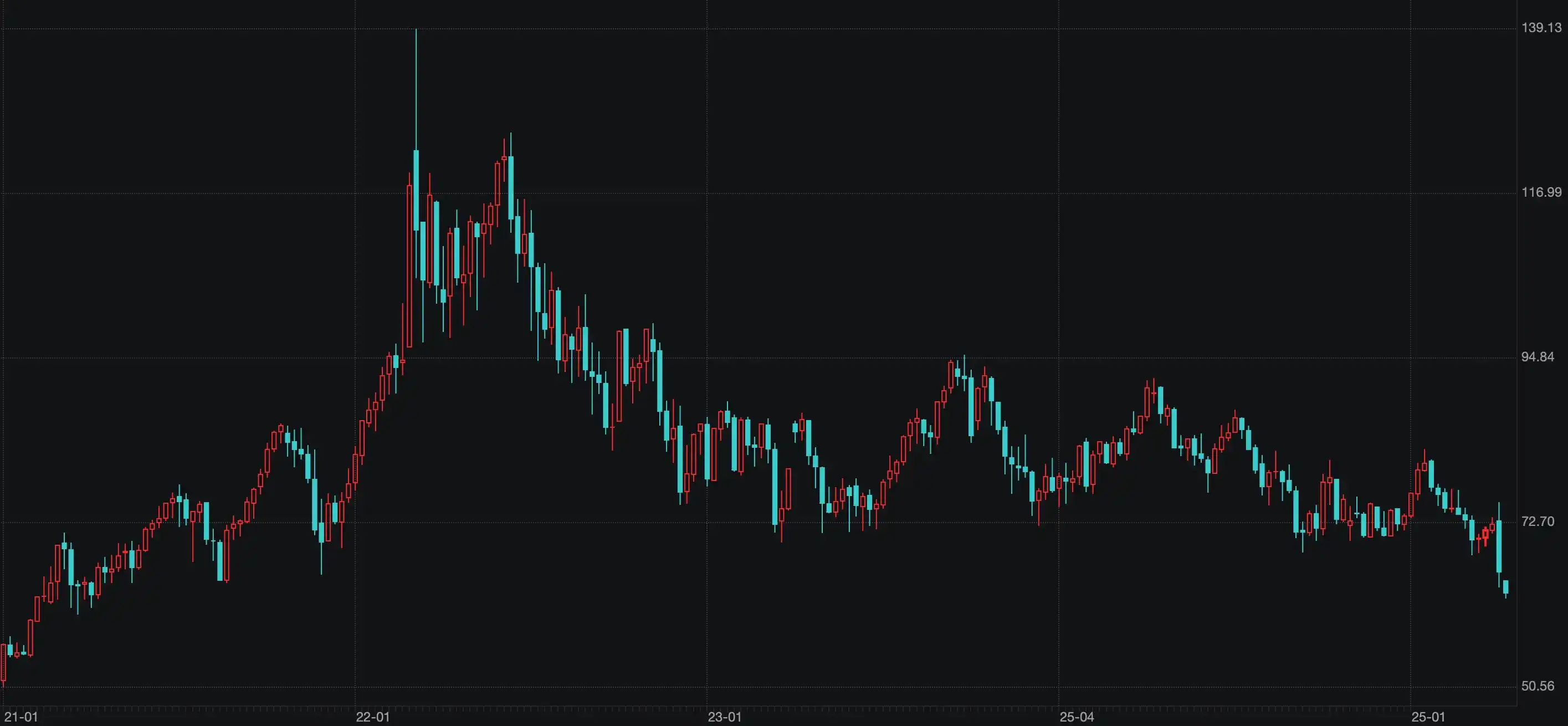
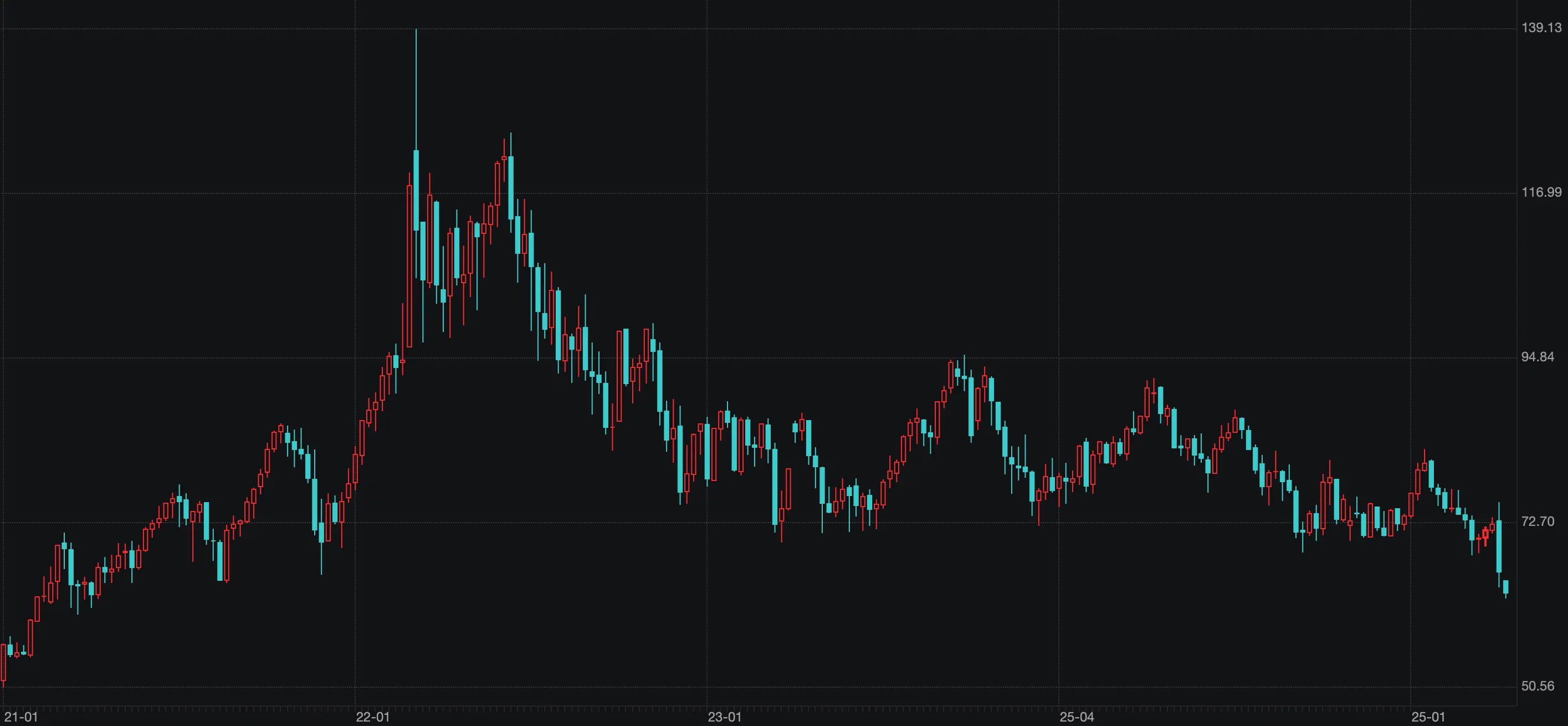
С другой стороны, в долларовом выражении ключевые показатели сократились из-за общей коррекции рынка. Общая стоимость заблокированных активов (TVL) снизилась на 11% до $316,2 млрд, а объемы торгов на DEX и доход от комиссий экосистемы упали на 24% и 16,9%. Рыночная капитализация ETH (полностью разводненная) снизилась на 30,3%.
Ключевым драйвером роста остается сегмент токенизированных активов, где Ethereum сохраняет абсолютное лидерство. Их общая капитализация достигла $2034 млрд (+42,9% в годовом исчислении). Внутри сегмента:
* **Стейблкоины:** $1789 млрд (доля Ethereum среди топ-5 сетей — 61,8%).
* **Токенизированные фонды:** $194 млрд (+73,1% г/г), доминирующая доля — 73%.
* **Токенизированные товары:** $47 млрд (+325,9% г/г), доля Ethereum — 84%.
Несмотря на падение комиссий в основной сети на 47,9%, рост пользователей и транзакций подтверждает тезис о том, что снижение стоимости использования сети стимулирует спрос. Институциональное внедрение ускоряется, о чем свидетельствуют новые фонды от BlackRock, J.P. Morgan и альянса европейских банков, запускаемые на Ethereum. Отчет подтверждает, что Ethereum укрепляет позиции в качестве нейтрального базового settlement-слоя для глобальных токенизированных финансов.
marsbit06/19 01:03