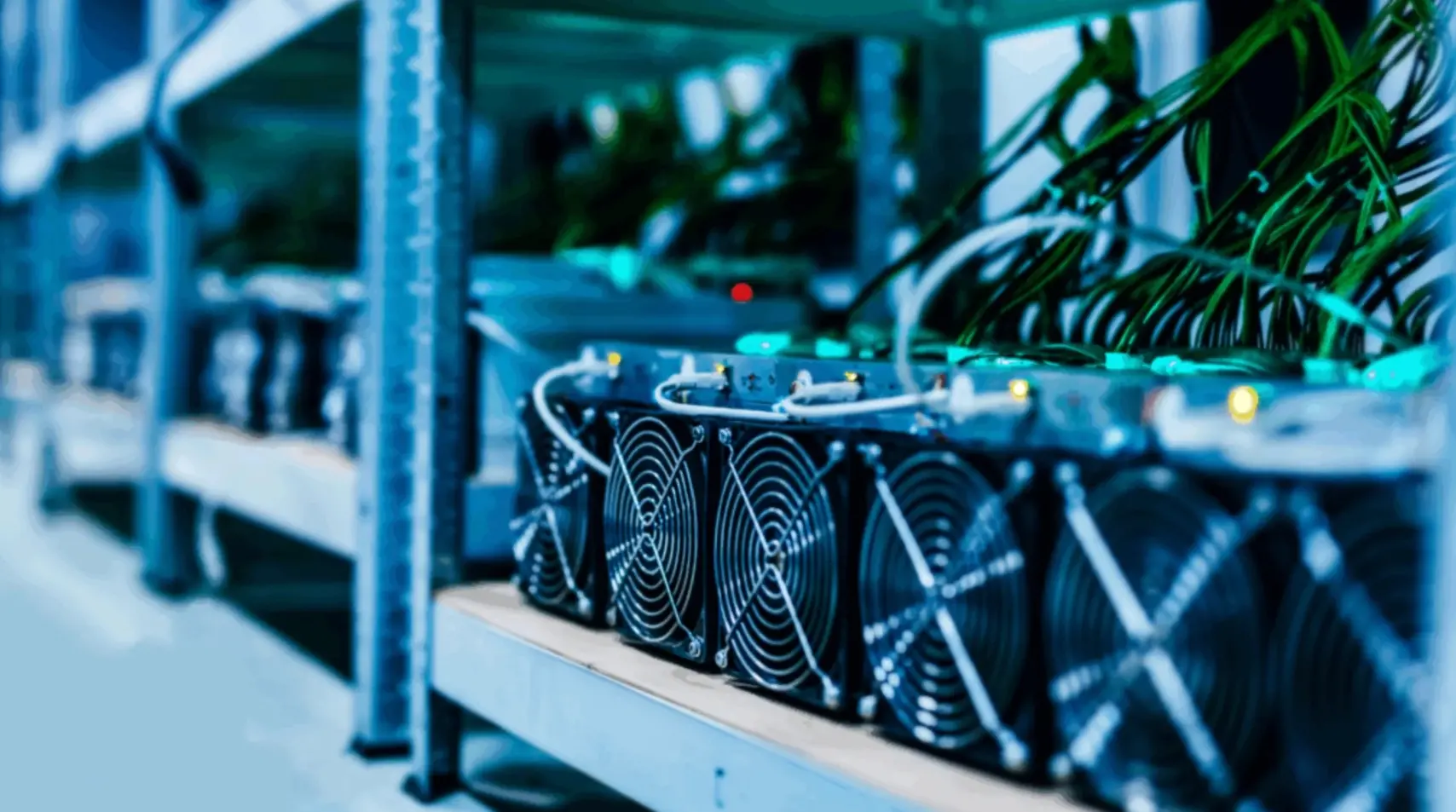
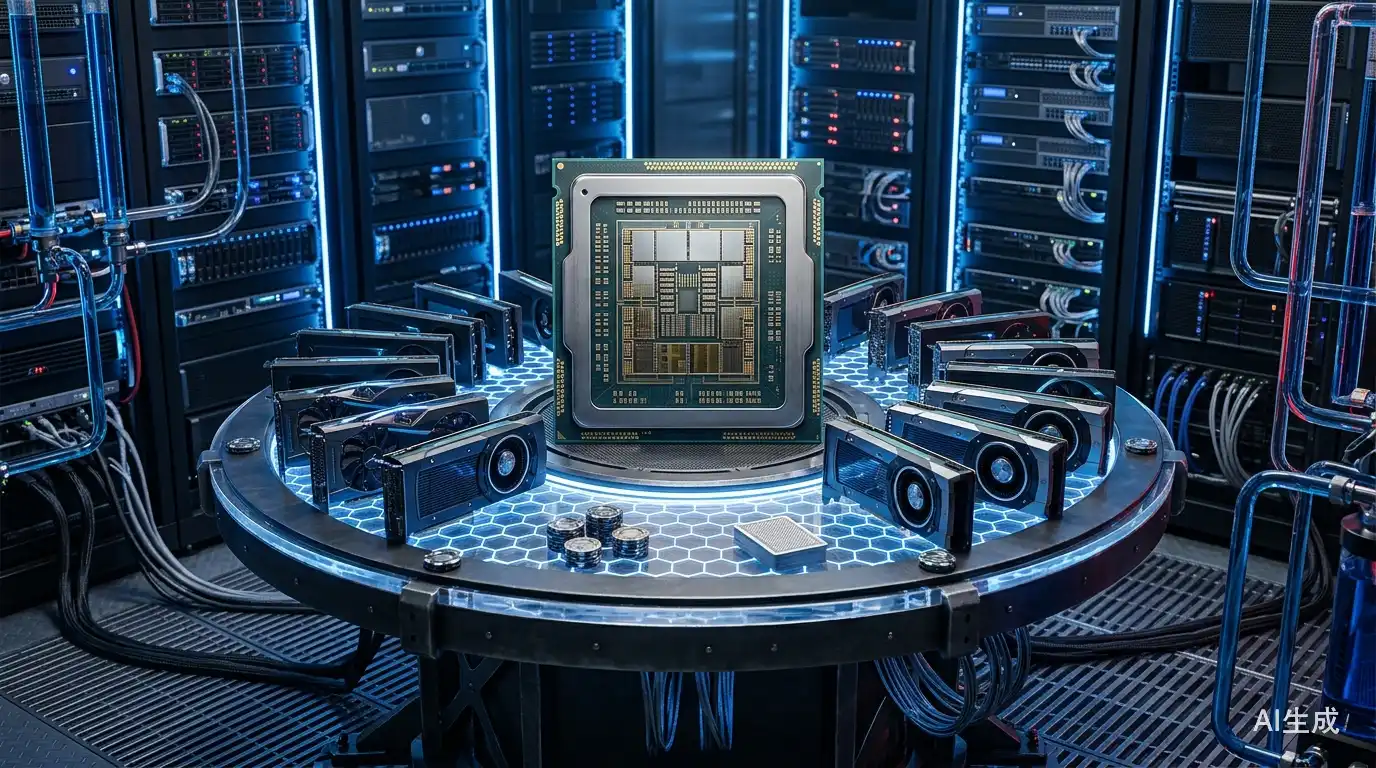
Азартная ставка майнеров на ИИ: оценка вступает в фазу дифференциации, борьба за выживание усложняется
Автор: Nancy, PANews
На фоне продолжающегося спада на рынке криптоактивов майнинговые компании сталкиваются с растущим давлением. В поисках новых источников роста всё больше майнеров ускоряют переход в сферу искусственного интеллекта (ИИ). Этот нарратив трансформации быстро завоевал расположение рынка капитала, вызвав значительный рост акций многих компаний.
Однако, хотя бизнес в сфере ИИ и открывает новые перспективы, он также влечёт за собой огромные капитальные затраты, постоянные инвестиции и длительные сроки окупаемости, вовлекая майнеров в новую ресурсоёмкую гонку. В условиях снижающейся прибыльности от майнинга эта азартная ставка на ИИ проверяет финансовые и операционные возможности компаний.
Рыночная капитализация майнинговых компаний вступила в фазу дивергенции. Такие компании, как CoreWeave, стали новым эталоном оценки с капитализацией в десятки миллиардов долларов. Ранние последователи, начавшие трансформацию в 2022-2023 гг., и компании, активно подключившиеся в 2025 году, демонстрируют разную динамику акций. Рынок в значительной степени оценивает их будущий потенциал как операторов инфраструктуры для вычислений, а не текущую прибыльность.
Трансформация сталкивается с серьёзными вызовами. Прибыльность майнинга биткойна снижается, а конкуренция обостряется. Хотя такие активы майнеров, как энергоресурсы и готовая инфраструктура, высоко ценятся в эпоху ИИ, сам переход сопряжён с трудностями. Оценка компаний будет эволюционировать от оценки объёма электроэнергии к способности реализовывать проекты и, в конечном итоге, к показателям денежного потока и качества клиентской базы. Ключевыми факторами станут своевременное выполнение проектов в рамках бюджета и привлечение крупных, надёжных арендаторов, таких как Microsoft или Amazon.
По оценкам VanEck, для перехода отрасли требуются колоссальные инвестиции: краткосрочный дефицит финансирования составляет около 500 млрд долларов, а долгосрочные потребности могут достичь 2,21 трлн долларов. Для покрытия этих затрат компании прибегают к выпуску конвертируемых облигаций, продаже биткойнов из резервов и заключению долгосрочных контрактов на услуги ИИ/высокопроизводительных вычислений (HPC), чтобы зафиксировать будущие доходы и привлечь финансирование.
В итоге, переход в сферу ИИ открывает для майнинговых компаний путь с гораздо большим потенциалом, чем традиционный майнинг, но по своей сути это долгосрочная конкуренция, требующая значительных финансовых ресурсов и безупречной операционной эффективности.
marsbit06/20 02:12