Can Manus, Restarting Its Life, Reshape the Game Rules for AI's Global Expansion?

marsbitОпубликовано 2026-08-14Обновлено 2026-08-14

Введение

Manus, an AI company that experienced a meteoric rise in March 2025, a $2-3 billion acquisition by Meta, a regulatory block in China in April 2026, and an eventual buyback by its original Chinese investors, has regained its independence. Its relaunch coincides with the formal implementation of China's new "Regulations on Outbound Investment" (State Council Decree No. 837) as of July 1, which emphasizes compliance from a venture's foundational structure. Analysis suggests Manus became a cautionary tale due to "opportunistic restructuring"—moving its main entity to Singapore during a policy gray area after gaining significant user traction, rather than establishing a compliant global architecture from inception. Its core competency was seen as product integration and first-mover advantage, not insurmountable technical barriers, leaving it vulnerable when regulatory and scrutiny pressures mounted. The incident, however, hasn't cooled investor enthusiasm for AI出海 (AI going global). Capital remains active but more discerning, now heavily prioritizing ventures with legally sound, forward-designed global structures over reactive "re-domiciling." A contrasting example is Singapore-based ccMonet.AI, which established its commercial and legal headquarters overseas from day one, outsourcing R&D to China for efficiency while maintaining clear compliance. A key trend emerging is the growing bifurcation for AI startups: deeply serving either the domestic Chinese market or focusing squar...

Article | Aurora AI Lab, Author | Li Xiaotian

Just as the entire AI community was almost forgetting it, Manus has returned.

On August 11, Manus published a letter to its users on its official website: it will soon resume its status as an independent company and continue serving global users. The letter did not mention the specific progress of the buyback by old shareholders such as Tencent and ZhenFund, maintaining a tone so restrained as to be almost devoid of waves. The only detail worth noting is hidden in the appendix: to meet specific regional regulatory requirements, some user data generated after December 29, 2025, will be deleted between August 23 and 24—the very day Meta announced its acquisition of Manus. Drawing a data boundary to conclude an acquisition relationship is, in a sense, the most dignified way for Manus and Meta to part.

From its overnight explosion in popularity in March 2025, to its sale to Meta at a valuation of $2-3 billion by year's end, then to the Chinese regulators halting the deal in April 2026, and ultimately being bought back by domestic old shareholders to regain independence, Manus compressed the plotlines most startups might not experience in a lifetime into just over a year. And the moment of its restart happens to coincide with the aftermath of another event: the "State Council Regulations on Outbound Investment" (State Council Decree No. 837) officially came into effect on July 1.

Looking at these two events together is more interesting than viewing either alone.

A New Regulation, A Cautionary Tale

Decree 837 was adopted at the 83rd Executive Meeting of the State Council on April 17, 2026. Comprising 34 articles, it clarifies the scope of application for outbound investment (overseas investment). Its purpose is "to promote high-standard opening up and facilitate the high-quality development of outbound investment," while simultaneously "safeguarding national sovereignty, security, and development interests." The regulation emphasizes that investors have the right to make autonomous decisions regarding outbound investment according to law and bear their own risks and profits/losses—however, the premise of this autonomy is legal and compliant structuring from the very beginning of the entity's establishment.

Ellen (who previously led investments for a US-dollar fund in China and is now engaged in AI outbound investment and growth services in Singapore) believes this new regulation and the Manus incident are almost two sides of the same logic: the policy is defining the bottom line, while Manus precisely stepped into the gray area during a period of ambiguous policy. In her view, Manus's problem was neither a lack of funds nor a lack of users, but "opportunistic shell-shifting"—the company completed the transfer from a Chinese entity to a Singaporean entity during the policy gray area, failing to clarify its compliant structure at the outset. Coupled with the product's own high-profile nature, it attracted far more attention than expected during a sensitive window.

This assessment aligns with Manus's own technical foundation: Chief Scientist Ji Yichao publicly admitted that Manus is built upon external model capabilities like Claude and Qwen, along with various open-source technologies. Its core competitiveness lies not in a piece of underlying code that others cannot write, but in product integration capabilities and the user mindshare it established ahead of the curve in March 2025.

In other words, Manus lacked the technological moat to justify its high profile. Once backlashed by structural issues and public scrutiny, it had almost no buffer.

Post-Manus, What Constitutes "Robust Global Expansion"?

The collapse of Manus does not mean the path of global expansion itself is unviable. Viewed in the current market context, there are at least two layers of reality worth unpacking.

Firstly, investor enthusiasm has not cooled because of the Manus incident. According to Ellen, top US-dollar funds in Singapore and Australia are specifically hiring investment managers fluent in Chinese to scout projects from Chinese AI entrepreneurs targeting global markets; the investment logic of domestic US-dollar funds has not significantly tightened due to the Manus event either, with capital still actively flowing into projects targeting overseas markets—geopolitical tensions have not reduced the amount of money, but made it more discerning.

Simultaneously, compliance has become particularly crucial. Investors now scrutinize structure: one type of project is positioned for the global market from day one, directly adopting an overseas entity; the other is the "Manus-style late-stage shell shift," moving operations abroad only after scaling up. The former is design, the latter is remediation, and the cost of remediation is often endless compliance loopholes—this is precisely the gap Decree 837 aims to plug: companies must respect the red lines on the Chinese side while also meeting the data security and business compliance requirements of the target market. There is no choice between dual compliance.
Image Source: Manus Official Website

However, upfront structuring can easily be confused with a more superficial operation—changing a registered address to pose as a "foreign company." Zhu Xiaohu, an investor, drew a clear line regarding this boundary at a previous public event: "No matter where you move your company, investors and clients know, they will still treat you as a Chinese company. Pretending is useless." His example was also quite pointed: several companies recently moved their headquarters to the US, hoping a change of address would secure Silicon Valley funding. The financing didn't materialize, and they came back looking for Chinese investors again—"a wasted move."

In this regard, Ellen shared with Aurora AI a reference case that can serve as a comparison group with Manus: ccMonet.AI, an AI-native finance company based in Singapore—providing bookkeeping, reconciliation, and tax automation for SMEs, promoting "AI processing + certified accountant review." It has served over 1000 enterprise clients, with a presence in Singapore, the US, and the UK. The legal entity, 2ND BRAIN PTE. LTD., is registered in Singapore. Founder Hua Mao is a serial entrepreneur spanning both China and Singapore. Since 2022, the headquarters and business entity have been based in Singapore from day one, with R&D outsourced to a team in China, leveraging the efficiency advantage of Chinese R&D. The compliant structure was completed from the starting point, avoiding the need to retroactively fix things after the company grows.

The Market is Forcing a Choice, and Product Forms are Fragmenting Accordingly

Additionally, Ellen mentioned a more structural trend: AI startups are being pushed towards a binary choice of "either deeply cultivating the domestic market or focusing exclusively on overseas markets." Attempting to cover both is extremely difficult.

Behind this lies a pragmatic recognition. An investor close to Manus told media, "For top-tier talent, mobility is non-existent; if you're going to start a business, that venture is inevitably tied to a specific time and place. The new generation of entrepreneurs in China today, being among the smartest in the population, should possess sufficient ability to interpret these things."

This also means companies must clarify their positioning early. If adopting the "R&D in China, sales overseas" route, the optimal solution is for the overseas company to handle only sales, with core technology entirely retained domestically, avoiding compliance issues related to technology export/transfer at the root. As long as overseas sales performance is stable, or the product is based on open-source models, subsequent overseas financing and listing will not face major obstacles. However, if seeking to package R&D and overseas sales together for a higher valuation, one must clearly define whether the company's primary domicile is China or the US. These two will face entirely different Chinese technology export control requirements, necessitating comprehensive planning in advance.

For AI companies expanding globally, the choice between B2B and B2C sectors is a strategic proposition equally critical as defining the primary market.

In Zhu Xiaohu's view, targeting C-end users, Chinese entrepreneurs face "virtually no rivals" in the global market—nearly all consumer apps reaching tens of billions in valuation over the past decade have come from Chinese teams. This is also why US VCs have been less inclined to invest in the Consumer sector recently. However, targeting enterprises, especially selling to large US corporations, Go-to-Market is a tough battle, with long procurement cycles and slow trust-building. He delineated a watershed at $50 million in ARR (Annual Recurring Revenue): before that, Product-Led Growth (PLG) can sustain the company; after that, a shift to Sales-Led Growth (SLG) is necessary, building a sales team capable of penetrating local relationship networks—a step where the difficulty increases sharply for Chinese founders.

Zhu Xiaohu's conclusion represents the current consensus of many frontline investors: compliant structure determines whether you can survive, while product power and profitability determine how well you survive. After Decree 837 takes effect, "upfront structuring" will transition from a smart choice to a compulsory course for everyone. And Manus's dramatic year-long journey has proven one thing—the window of opportunity waits for no one. Policy gray areas might seem like opportunities, but the price is often settled only after the window closes.


Трендовые криптовалюты

Связанные с этим вопросы

QWhat is the main reason Ellen identifies for Manus's compliance issues according to the article?

AEllen identifies the main reason as 'speculative shell-switching'—Manus transferred its corporate structure from a Chinese entity to a Singaporean one during a period of ambiguous regulations, rather than establishing a compliant global structure from the outset.

QWhat does Zhu Xiaohu's statement, 'No matter where you move your company, investors and customers still consider it a Chinese company', imply for AI companies seeking to go global?

AIt implies that superficially changing a company's registration address to appear 'foreign' is ineffective. The market perception of a company's origin is deeply rooted. True globalization requires a fundamental, well-planned corporate and operational structure from the very beginning, not just a cosmetic change.

QAccording to the article, what are the two primary strategic paths AI startups are being pushed towards in the current market?

AAI startups are being pushed towards a binary choice: either deeply cultivating the domestic Chinese market or focusing exclusively on overseas markets. The article suggests that attempting to straddle both markets simultaneously is extremely difficult.

QWhat key lesson does the article suggest the Manus case demonstrates regarding regulatory 'windows of opportunity'?

AThe Manus case demonstrates that while a period of ambiguous regulations might appear to be an opportunity, the costs and consequences of operating in such a gray area are often settled only after the window closes. 'Architecture-first' compliance has become an essential strategy rather than an optional one.

QHow does the article contrast the Go-to-Market challenges for Chinese AI companies in B2C versus B2B sectors, especially in the US?

AThe article, citing Zhu Xiaohu, states that Chinese founders are 'unmatched globally' in the B2C consumer app sector. However, in the B2B sector, especially selling to large US enterprises, the Go-to-Market process is a 'hard battle' with long sales cycles and slow trust-building. A significant hurdle is transitioning from product-led growth to building a local sales-driven growth team capable of navigating complex enterprise networks.

Похожее

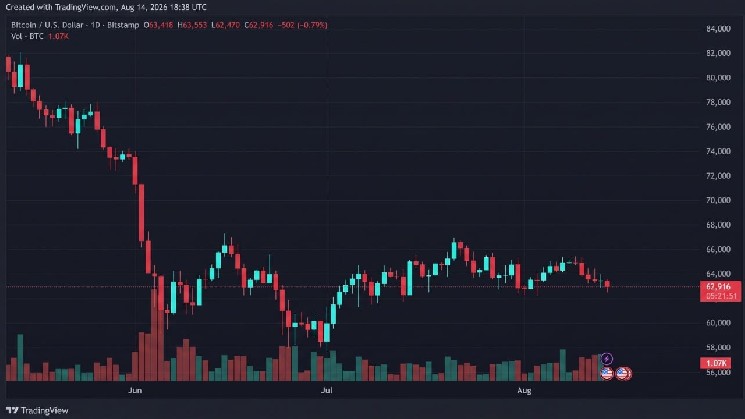
Курс биткоина опустился до 62 470 долларов, поскольку продавцы вновь тестируют уровень поддержки в 63 000 долларов

Курс биткоина в пятницу продолжил снижение, вновь опустившись ниже уровня поддержки в 63 000 долларов и достигнув дневного минимума в 62 470 долларов. Несмотря на последующее восстановление до отметки около 63 000 долларов, динамика цены оставалась вялой, а рыночная капитализация удерживалась ниже 1,27 трлн долларов. На рынке усилилась волатильность, приведя к значительным ликвидациям длинных позиций с кредитным плечом. Дополнительное давление оказал устойчивый отток средств из спотовых биткоин-ETF, что говорит о возможном отступлении институциональных инвесторов. Ситуацию усугубило предложение провайдера индексов MSCI о новых критериях отбора, которые могут привести к исключению из индексов компаний, активно использующих биткоин в казначейских резервах, таких как Strategy и Metaplanet. Это потенциально спровоцирует их принудительную распродажу институциональными фондами. Strategy публично осудила данную инициативу, заявив, что поставщики индексов должны измерять рынки, а не диктовать компаниям, какими активами владеть. Окончательное решение MSCI ожидается в октябре, и в случае принятия новые правила могут начать действовать уже в ноябре, создавая дополнительные препятствия для роста биткоина в конце года.

cryptonews.ru3 мин. назад

Курс биткоина опустился до 62 470 долларов, поскольку продавцы вновь тестируют уровень поддержки в 63 000 долларов

cryptonews.ru3 мин. назад

Тайно намайнил 1 BTC на рабочих компьютерах: сотруднику криптофирмы грозит тюрьма

40-летний Кристофер Ренкин из Вашингтона признал вину в несанкционированном доступе к компьютерам компании по майнингу биткоинов в Ниагара-Фолс и краже криптовалюты. В 2021 году, работая в компании, он вручную перезагрузил и перенаправил около 100 рабочих компьютеров на свой собственный майнинг-пул. В результате ему удалось завладеть 1,0668 BTC (на тот момент около $53 315). Его действия также перевели оборудование в режим высокой производительности, что нанесло ему ущерб и сократило срок службы. Ренкин был признан виновным по обвинению в нанесении ущерба защищенному компьютеру. Максимальное наказание по этой статье — до одного года лишения свободы и штраф до $100 000. Приговор будет оглашен 17 ноября 2026 года.

cryptonews.ru3 мин. назад

Тайно намайнил 1 BTC на рабочих компьютерах: сотруднику криптофирмы грозит тюрьма

cryptonews.ru3 мин. назад

Криптопроект Трампов отложил запуск связанного с Мальдивами токена

Криптопроект семьи Трампа World Liberty Financial ($WLFI) отложил запуск токена, связанного со строительством курортного комплекса Trump International Hotel & Resort на Мальдивах. Токен, который планировался к выпуску в 2027 году для токенизации доходов инвесторов от отеля, был приостановлен из-за нарушения транспортного сообщения в регионе на фоне войны США с Ираном. В компании также изучают возможности токенизации в сферах недвижимости, нефте- и газодобычи. Нативный токен $WLFI не отреагировал на новость, его цена остается около $0,05, что на 88% ниже исторического максимума. Несмотря на то, что Дональд Трамп отчитался о крупных заработках на криптовалютах, публичные проекты его семьи, такие как майнинговая компания American Bitcoin и Trump Media and Technology Group, продолжают нести значительные убытки.

cryptonews.ru4 мин. назад

Криптопроект Трампов отложил запуск связанного с Мальдивами токена

cryptonews.ru4 мин. назад

Количество активных адресов XRP выросло на 84%, цена на 72% ниже максимума

В экосистеме XRP наблюдается расхождение между ростом сетевой активности и динамикой цены. Количество активных адресов увеличилось на 84%, достигнув 43 543, однако цена токена торгуется примерно на 72% ниже своего исторического максимума в $3,66. Ключевым уровнем стал диапазон $1-$1,06, вокруг которого сконцентрирована текущая рыночная ситуация. Крупные держатели накопили более 380 млн XRP за предыдущую неделю, а на месячном графике появился сигнал на покупку по индикатору Tom DeMark Sequential. Несмотря на рост открытого интереса по мере приближения к зоне ликвидности около $1, спотовый объём остаётся ограниченным. Удержание уровня $1 и возврат выше $1,06 могут поддержать восстановление цены. Падение ниже $1 способно усилить давление на ликвидацию длинных позиций. Ставки финансирования остаются преимущественно положительными с конца июня, что указывает на преобладание длинных позиций на фьючерсных рынках. Технические индикаторы остаются слабыми: RSI ниже нейтрального уровня, а MACD находится в отрицательной зоне, сигнализируя о сохраняющемся медвежьем импульсе. Удержание $1 позволит протестировать сопротивление на $1,06, в то время как прорыв ниже может откинуть цену к уровням $0,98 и $0,93.

cryptonews.ru5 мин. назад

Количество активных адресов XRP выросло на 84%, цена на 72% ниже максимума

cryptonews.ru5 мин. назад

Fidelity и ARK возглавили отток средств из биткоина на сумму 131 млн долларов на фоне роста популярности ETF на эфир и XRP

В четверг продолжился отток средств из биткоин-ETF на общую сумму 131,13 млн долларов. Главными источниками оттока стали фонды ARKB от ARK 21Shares (58,82 млн долларов) и FBTC от Fidelity (55,12 млн долларов). Отток также затронул GBTC от Grayscale, Bitwise, Invesco, Blackrock и Wisdomtree. Лишь два фонда, Bitcoin Mini Trust от Grayscale и MSBT от Morgan Stanley, привлекли новые средства. При этом ETF на эфир показали чистый приток в размере 6,72 млн долларов, а фонд на XRP от Bitwise привлек 2,25 млн долларов. Интересно, что такие традиционные банки, как Bank of Montreal и Национальный банк Канады, раскрыли небольшие инвестиции в ETF на XRP и биткоин. Таким образом, давление продавцов сконцентрировалось на биткоине, тогда как эфир и XRP продолжили привлекать капитал, а криптовалютные продукты постепенно проникают в портфели институциональных инвесторов.

cryptonews.ru6 мин. назад

Fidelity и ARK возглавили отток средств из биткоина на сумму 131 млн долларов на фоне роста популярности ETF на эфир и XRP

cryptonews.ru6 мин. назад

Торговля

Спот

Популярные статьи

Как купить S

Добро пожаловать на HTX.com! Мы сделали приобретение Sonic (S) простым и удобным. Следуйте нашему пошаговому руководству и отправляйтесь в свое крипто-путешествие.Шаг 1: Создайте аккаунт на HTXИспользуйте свой адрес электронной почты или номер телефона, чтобы зарегистрироваться и бесплатно создать аккаунт на HTX. Пройдите удобную регистрацию и откройте для себя весь функционал.Создать аккаунтШаг 2: Перейдите в Купить криптовалюту и выберите свой способ оплатыКредитная/Дебетовая Карта: Используйте свою карту Visa или Mastercard для мгновенной покупки Sonic (S).Баланс: Используйте средства с баланса вашего аккаунта HTX для простой торговли.Третьи Лица: Мы добавили популярные способы оплаты, такие как Google Pay и Apple Pay, для повышения удобства.P2P: Торгуйте напрямую с другими пользователями на HTX.Внебиржевая Торговля (OTC): Мы предлагаем индивидуальные услуги и конкурентоспособные обменные курсы для трейдеров.Шаг 3: Хранение Sonic (S)После приобретения вами Sonic (S) храните их в своем аккаунте на HTX. В качестве альтернативы вы можете отправить их куда-либо с помощью перевода в блокчейне или использовать для торговли с другими криптовалютами.Шаг 4: Торговля Sonic (S)С легкостью торгуйте Sonic (S) на спотовом рынке HTX. Просто зайдите в свой аккаунт, выберите торговую пару, совершайте сделки и следите за ними в режиме реального времени. Мы предлагаем удобный интерфейс как для начинающих, так и для опытных трейдеров.

2.0k просмотров всегоОпубликовано 2025.01.15Обновлено 2026.06.02

Как купить S

Sonic: Обновления под руководством Андре Кронье – новая звезда Layer-1 на фоне спада рынка

Он решает проблемы масштабируемости, совместимости между блокчейнами и стимулов для разработчиков с помощью технологических инноваций.

2.5k просмотров всегоОпубликовано 2025.04.09Обновлено 2025.04.09

Sonic: Обновления под руководством Андре Кронье – новая звезда Layer-1 на фоне спада рынка

HTX Learn: Пройдите обучение по "Sonic" и разделите 1000 USDT

HTX Learn — ваш проводник в мир перспективных проектов, и мы запускаем специальное мероприятие "Учитесь и Зарабатывайте", посвящённое этим проектам. Наше новое направление .

2.0k просмотров всегоОпубликовано 2025.04.10Обновлено 2025.04.10

HTX Learn: Пройдите обучение по "Sonic" и разделите 1000 USDT

Обсуждения

Добро пожаловать в Сообщество HTX. Здесь вы сможете быть в курсе последних новостей о развитии платформы и получить доступ к профессиональной аналитической информации о рынке. Мнения пользователей о цене на S (S) представлены ниже.

活动图片