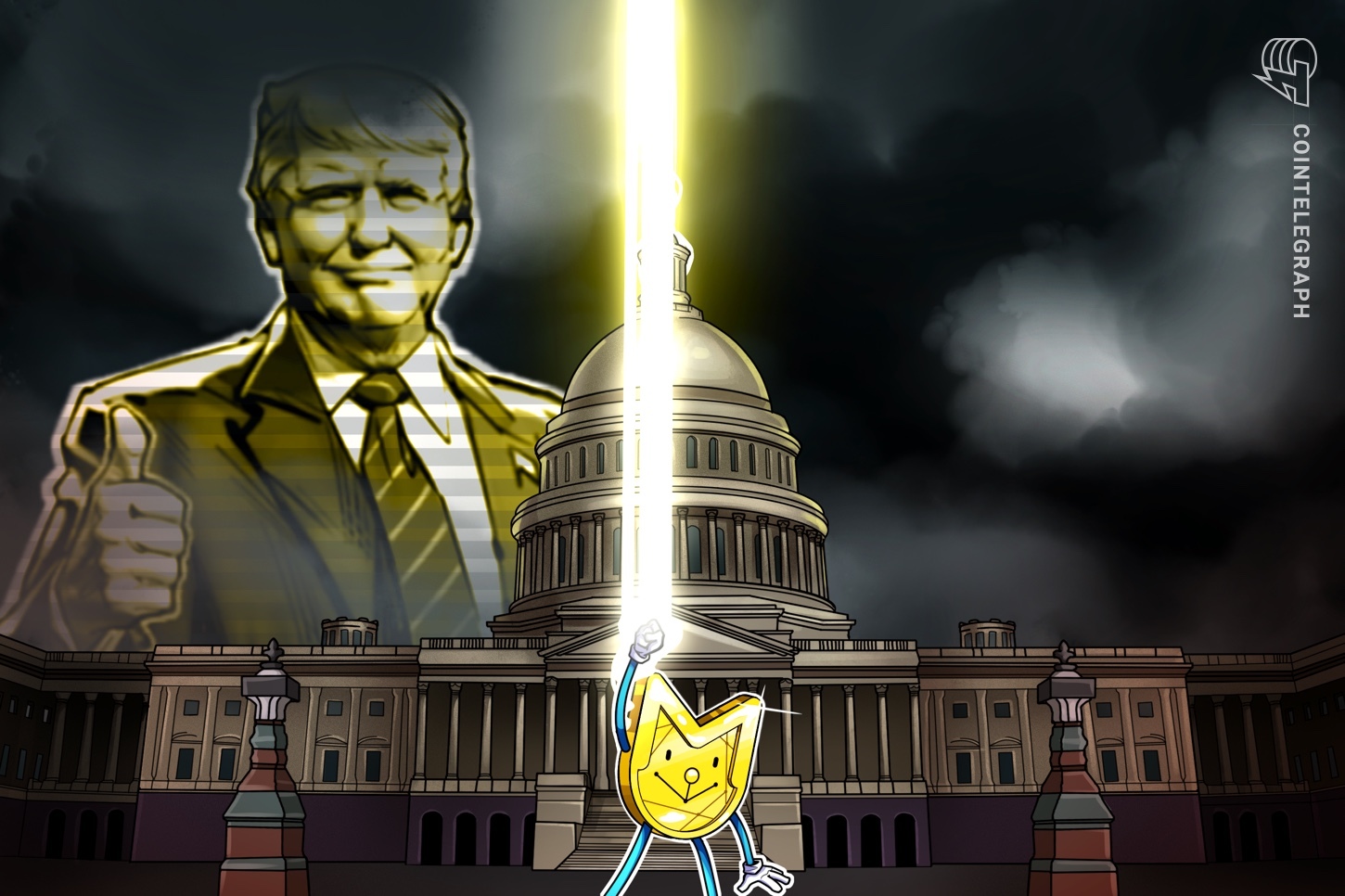
Bitwise CIO: What Happens to the Crypto Market if the CLARITY Act Fails This Week?

marsbitОпубликовано 2026-08-05Обновлено 2026-08-05

Введение

Title: What Happens to Crypto Markets if the CLARITY Act Fails This Week? – Insights from Bitwise CIO If the CLARITY Act fails to pass the U.S. Senate before its August recess, it will enter a "zombie state," lingering with low passage odds and prolonging institutional investor uncertainty. However, the crypto industry will continue advancing regardless. SEC Chair Paul Atkins has indicated the SEC is prepared to issue rules addressing the same issues as the CLARITY Act, potentially offering a more innovation-friendly path in the short term. The industry's momentum is now irreversible: major financial institutions are adopting crypto and blockchain technology, global jurisdictions are passing supportive laws, and financial activity is rapidly moving on-chain. While congressional delay is frustrating, history shows that such policy lags (like with the 1990s telecom bills) do not halt technological progress. Crypto has already become an integral part of the global financial infrastructure and will continue reshaping finance for decades, irrespective of Washington's immediate legislative outcomes.

Author: Matt Hougan, Chief Investment Officer at Bitwise

Compiled by: Chopper, Foresight News

If you're like me, you've had enough of the various discussions about the CLARITY Act. To be fair, the US Congress should pass this bill; if it becomes law, the crypto industry will benefit. The CLARITY Act is not perfect, but it is a decent piece of legislation. It can boost the US economy, protect investors, improve ethics safeguards, and help the US gain a competitive edge in the era of on-chain finance.

However, this landmark crypto legislation has been moving through the congressional review process since May 2025. Its origins can be traced back to the earlier FIT21 bill, which passed the US House of Representatives as early as May 2024—that's 804 days ago.

Over the past few months, many people, including myself, have seen this week as the critical make-or-break moment for the CLARITY Act. The reason is that the US Senate will begin its August recess this Friday, August 7th, and will not reconvene until September 14th. According to Senate rules, if a vote is to be held before the recess, senators must file a cloture motion by this Wednesday, August 5th, at the latest.

The prevailing view is that if Congress cannot vote on the bill before the August recess, it will likely die, as lawmakers will soon shift their focus to the November elections. Polymarket predicts the probability of the bill passing in 2026 is only 27%, down from 82% back in February of this year.

The best-case scenario for the crypto industry is the smooth passage of the CLARITY Act. If that happens, I expect the crypto market to enter a new bull run. But given the low probability of that outcome, I am outlining here what the market might face if the bill fails to pass.

First, the Bill Won't Truly Die

Let's start with the bad news: even if the CLARITY Act fails to pass this week, the matter won't be settled. The bill will enter a "zombie state"—not completely dead, but only inching forward with great difficulty.

As the August deadline approaches, rumors have already surfaced suggesting the bill could be put to a vote in September. There are even views proposing a delay until December, during the lame-duck session after Congress reconvenes (Note: A lame-duck session in the US refers to the period after the November congressional elections but before the new Congress officially convenes on January 3rd of the following year, during which the outgoing Congress continues to conduct business). The US Congress often bundles multiple bills into year-end omnibus packages, forcing lawmakers to vote on a package of measures that includes provisions they both support and oppose. Some hope the CLARITY Act could sneak through in this way. After the Wednesday deadline, expect continuous reports discussing the possibility of "attaching" the bill for passage this autumn or winter.

The negative impact of this is that the uncertainty surrounding the bill keeps many professional institutional investors on the sidelines. They are reluctant to allocate funds to crypto assets, only to see the bill fail and the market subsequently drop. Institutions prefer to wait for the situation to clarify before taking action.

If the bill fails this week, the most favorable scenario would be a further significant drop in the probability of its passage on Polymarket, at least into the low teens. If that happens, the market might experience brief volatility but would be poised for a rebound in the fall.

Second, the Crypto Industry Will Continue to Advance

More importantly, the crypto industry itself will not suffer a fatal blow.

Even if the CLARITY Act does not become law, the industry will find its own path forward. Last week, US Securities and Exchange Commission (SEC) Chairman Paul Atkins made this point very clear in a CNBC interview. He stated that the SEC is "ready, willing, and able to issue regulations to address the same issues as the CLARITY Act."

There are trade-offs here. In the short term, regulations issued by an SEC led by Atkins would likely be more friendly to the crypto industry and innovation than a bill born from bipartisan congressional bargaining, potentially even acting as a catalyst for the industry. However, the risk is that a future administration could appoint an unfriendly SEC chair who might overturn these rules.

Even so, I believe it would be difficult for any future SEC chair to reverse the momentum of the crypto industry. The industry is charging ahead, and financial services are migrating on-chain. BlackRock's most profitable ETF is its Bitcoin ETF; giants like Nasdaq and JPMorgan are aggressively pushing asset tokenization; Visa, Mastercard, and Stripe are collaborating with Coinbase on stablecoin platforms; Robinhood has launched its own blockchain that can connect to DeFi applications like Uniswap and Morpho.

Meanwhile, crypto firms are gaining access to the US federal banking system, with the Office of the Comptroller of the Currency (OCC) having granted trust charters to Circle, Ripple, Paxos, and a growing list of companies. Countries and regions around the world, from the European Union and Japan to Russia, are racing to enact laws favorable to the crypto industry.

The Genie is Out of the Bottle and Can't Be Put Back

Assuming the CLARITY Act fails and is replaced by SEC regulations, the crypto industry would have at least a two-and-a-half-year development window—until a new administration could potentially appoint a new SEC chair. By that point, no SEC chair, regardless of who it is, could put the "genie" back in the bottle.

The reality is that Washington is often slow to react to major technological shifts, and the ultimate impact is often not as severe as anticipated. In 1994, the House passed a major telecommunications reform bill with an overwhelming vote of 423 to 4, but the bill ultimately stalled in the Senate and never received a floor vote. Sound familiar? But the internet didn't wait. In the following two years, Netscape Navigator was released and went public, Amazon and eBay were founded, and the number of websites grew exponentially. Congress eventually caught up, passing the Telecommunications Act of 1996 in the Senate with a huge margin of 91 to 5—a bill that laid the foundation for decades of industry growth. In hindsight, the two-year policy delay didn't truly slow down the industry's development.

Washington's governance is inefficient. It seems absurd to me that a bill that could protect investors and encourage innovation is delayed from becoming law. But this should not be used to judge whether crypto assets are qualified to become part of the global financial infrastructure. Crypto becoming part of finance is already an established fact. Today, the crypto industry has gathered enough momentum that, regardless of what happens in Congress in the coming days, it will reshape the entire financial system for decades to come.


Трендовые криптовалюты

Связанные с этим вопросы

QWhat is the CLARITY Act and why is it considered important for the crypto industry in the United States?

AThe CLARITY Act is a landmark piece of crypto legislation under consideration in the U.S. Congress. It is considered important because it aims to boost the U.S. economy, protect investors, strengthen ethical safeguards, and help the U.S. gain a competitive advantage in the age of on-chain finance. While not perfect, it is viewed as a reasonable bill that would benefit the crypto industry by providing clearer regulatory frameworks.

QAccording to the article, what is the key deadline for the CLARITY Act to potentially pass before the Senate's August recess?

AThe key deadline is Wednesday, August 5th. According to Senate rules, this is the last day for Senators to file a motion for cloture (a procedure to end debate and force a vote) if they want a vote to occur before the Senate's August recess begins on Friday, August 7th.

QWhat does Bitwise's CIO predict will happen to the crypto market if the CLARITY Act fails to pass this week?

AThe CIO predicts that if the CLARITY Act fails this week, it will enter a 'zombie state'—neither dead nor progressing easily. This ongoing uncertainty could keep some institutional investors on the sidelines. However, the market might experience a short-term dip but could then position itself for a potential rebound in the fall, especially if the probability of passage on Polymarket falls significantly.

QEven if the CLARITY Act fails, why does the author believe the crypto industry will continue to advance?

AThe author believes the industry will advance because the underlying momentum is unstoppable. Key developments include major financial institutions like BlackRock (with its Bitcoin ETF), Nasdaq, JPMorgan, Visa, and Mastercard embracing crypto and tokenization. Furthermore, crypto firms are gaining access to the federal banking system through trust charters, and the SEC has indicated it is ready to implement regulations addressing the same issues as the CLARITY Act, which could provide a more favorable, though less permanent, framework for growth.

QWhat historical analogy does the author use to argue that a delay in legislation won't stop technological progress in crypto?

AThe author uses the 1994-1996 telecommunications reform effort as an analogy. In 1994, a major telecom bill passed the House overwhelmingly but stalled in the Senate. Despite this two-year congressional delay, the internet progressed rapidly with the launch of Netscape, Amazon, and eBay. Congress eventually caught up and passed the 1996 Telecom Act, which fueled decades of growth. The author argues that similarly, a delay in the CLARITY Act won't halt the inevitable integration of crypto into the global financial system.

Похожее

Galaxy снижает шансы на принятие Закона о ясности (CLARITY) до 10%

Galaxy Digital снизила свою оценку вероятности принятия Закона о ясности рынка цифровых активов (CLARITY Act) в 2026 году до 10%. Аналитики предупреждают, что остаются нерешенными множество политических вопросов, и у Сената будет всего около двух-трех недель для его утверждения после возобновления работы 14 сентября. Глава исследовательского отдела Galaxy Алекс Торн отметил, что для прохождения закона он должен будет доминировать практически во всей рабочей сессии, иначе времени не хватит. Среди ключевых спорных моментов — этические правила для госслужащих в криптосфере и давление со стороны банков относительно положений о доходах от стейблкоинов. Ранее Galaxy уже снижала прогнозы с 75% до 60% в начале июня и с 60% до 50% в конце июня. Закон, направленный на создание первого в США регуляторного режима для цифровых активов, был одобрен комитетом по банковскому делу Сената в мае, но столкнулся с сопротивлением большинства демократов и банковской индустрии, которые критикуют возможность криптокомпаний предлагать доходность по стейблкоинам без банковских требований. В начале июня более 200 криптокомпаний и организаций призвали Сенат принять данный закон.

cointelegraph1 ч. назад

Galaxy снижает шансы на принятие Закона о ясности (CLARITY) до 10%

cointelegraph1 ч. назад

Илон Маск строит Terafab: крупнейший завод чипов для ИИ, роботов и космических дата-центров

SpaceX и Tesla запустили проект Terafab по строительству крупнейшего в мире полупроводникового завода в Техасе. Первая очередь, стоимостью $16,8 млрд, займет более 9,3 млн кв. м и создаст 3000 рабочих мест. Цель — производство вычислительных мощностей свыше 1 тераватта в год для роботов Optimus, беспилотных автомобилей Cybercab и орбитальных дата-центров SpaceX. Проект получил государственную поддержку, включая грант Texas Enterprise Fund. Ключевым технологическим партнером выступит Intel с использованием техпроцесса 14A. Инициатива направлена на диверсификацию цепочек поставок и укрепление позиций США в глобальной технологической конкуренции, в контексте программ вроде Pax Silica. Однако опыт подобных мегапроектов, таких как завод Intel в Огайо, показывает, что реализация часто сталкивается с задержками и непредвиденными сложностями.

cryptonews.ru1 ч. назад

Илон Маск строит Terafab: крупнейший завод чипов для ИИ, роботов и космических дата-центров

cryptonews.ru1 ч. назад

"AI-божество" потянуло за собой: Jane Street потеряла в июле 15 млрд долларов, впервые за десять лет показав убыток за месяц

Одна из самых загадочных и прибыльных компаний проп-трейдинга Уолл-стрит, Jane Street, понесла в июле рекордные убытки в размере около 15 миллиардов долларов, что стало ее первым месячным убытком за примерно десять лет. Основными причинами стали проблемы у хедж-фонда, инвестировавшего в акции AI, Situational Awareness, который из-за резкого падения котировок был вынужден распродать активы, а также убытки по другим технологическим акциям в Азии. Несмотря на серьезный единичный убыток, чистая торговая выручка Jane Street с начала года все еще превышает 40 миллиардов долларов. Компания заявила, что закроет часть рискованных позиций, приведших к потерям, и в целом станет более избирательной в принятии рисков. На фоне этих событий Jane Street также проводит рефинансирование долга на сумму около 14,6 миллиарда долларов, переводя часть обязательств с публичного на частный рынок, чтобы повысить гибкость и сократить раскрытие информации, даже ценой более высоких затрат на финансирование. Ситуация с фондом Situational Awareness высветила риски в экосистеме прайм-брокеров, где высокая долговая нагрузка и схожие инвестиции многих фондов в одни и те же активы AI могут привести к каскадным продажам при смене рыночной конъюнктуры.

marsbit1 ч. назад

"AI-божество" потянуло за собой: Jane Street потеряла в июле 15 млрд долларов, впервые за десять лет показав убыток за месяц

marsbit1 ч. назад

Аналитики QCP Capital объяснили, почему биткоин застрял у $63 000

Аналитики QCP Capital отмечают, что биткоин застрял в диапазоне около $63 000, несмотря на благоприятную макростатистику США (замедление инфляции и слабый рынок труда). На цену давят несколько кросс-рыночных факторов: геополитические риски (переговоры по Ормузскому проливу), высокие цены на нефть, неопределенность глобальной ликвидности и слабая реакция на макроданные. Рынок демонстрирует устойчивость, поглощая негатив, но восходящего импульса нет. Регуляторная повестка в США развивается, а корпоративные казначейства (на примере Strategy) теперь могут выступать как покупателями, так и продавцами биткоина, делая потоки средств менее предсказуемыми. Историческая сезонная слабость августа-сентября служит контекстом, но не определяющим фактором. Ключевыми событиями ближайших недель станут данные по PCE (26 августа), симпозиум в Джексон-Хоуле и заседание ФРС в сентябре, которые могут проверить прочность текущего торгового диапазона.

cryptonews.ru1 ч. назад

Аналитики QCP Capital объяснили, почему биткоин застрял у $63 000

cryptonews.ru1 ч. назад

Торговля

Спот

Популярные статьи

Как купить F

Добро пожаловать на HTX.com! Мы сделали приобретение Synfutures (F) простым и удобным. Следуйте нашему пошаговому руководству и отправляйтесь в свое крипто-путешествие.Шаг 1: Создайте аккаунт на HTXИспользуйте свой адрес электронной почты или номер телефона, чтобы зарегистрироваться и бесплатно создать аккаунт на HTX. Пройдите удобную регистрацию и откройте для себя весь функционал.Создать аккаунтШаг 2: Перейдите в Купить криптовалюту и выберите свой способ оплатыКредитная/Дебетовая Карта: Используйте свою карту Visa или Mastercard для мгновенной покупки Synfutures (F).Баланс: Используйте средства с баланса вашего аккаунта HTX для простой торговли.Третьи Лица: Мы добавили популярные способы оплаты, такие как Google Pay и Apple Pay, для повышения удобства.P2P: Торгуйте напрямую с другими пользователями на HTX.Внебиржевая Торговля (OTC): Мы предлагаем индивидуальные услуги и конкурентоспособные обменные курсы для трейдеров.Шаг 3: Хранение Synfutures (F)После приобретения вами Synfutures (F) храните их в своем аккаунте на HTX. В качестве альтернативы вы можете отправить их куда-либо с помощью перевода в блокчейне или использовать для торговли с другими криптовалютами.Шаг 4: Торговля Synfutures (F)С легкостью торгуйте Synfutures (F) на спотовом рынке HTX. Просто зайдите в свой аккаунт, выберите торговую пару, совершайте сделки и следите за ними в режиме реального времени. Мы предлагаем удобный интерфейс как для начинающих, так и для опытных трейдеров.

693 просмотров всегоОпубликовано 2024.12.21Обновлено 2026.06.02

Как купить F

Обсуждения

Добро пожаловать в Сообщество HTX. Здесь вы сможете быть в курсе последних новостей о развитии платформы и получить доступ к профессиональной аналитической информации о рынке. Мнения пользователей о цене на F (F) представлены ниже.

活动图片