AGI Countdown: OpenAI's Chief Research Officer Makes Major Statement — The Window for Humanity is 'Very Small'

marsbitОпубликовано 2026-06-30Обновлено 2026-06-30

Введение

The countdown to AGI has begun, according to OpenAI's Chief Scientist Mark Chen, who states the window for human-centric progress is "very small." Chen argues that AI is reaching a point where models can perform "self-sustaining research," autonomously driving innovation in fields from mathematics to programming. He points to the proliferation of AI's "superhuman" insights—akin to AlphaGo's legendary "Move 37"—across disciplines as evidence of this shift. Chen firmly dismisses claims that scaling laws are plateauing or that pre-training is dead, asserting the field remains on an exponential curve. He cites OpenAI's successful bet on reasoning models like o1 as proof that fundamental breakthroughs are still possible. The future of research, he suggests, lies with "Vibe Researchers"—humans who provide high-level direction and "taste" while AI handles execution and orchestration of complex, long-horizon tasks. However, significant hurdles remain. Chen highlights a "benchmarking crisis," where models can overfit to existing tests without gaining true generalization. He also notes the "jagged frontier" of AI capabilities, where systems excel at advanced reasoning but struggle with contextual, continual learning from everyday experiences. Despite these challenges, he expresses confidence that these gaps will be closed. In a personal reflection, Chen shares that post-AGI, his wish is to open a noodle shop—a metaphor emphasizing that when AI masters knowledge and innovation, uniqu...

Artificial General Intelligence (AGI) is coming soon.

Just now, OpenAI's Chief Research Officer, Mark Chen, declared boldly:

In a sense, it's like I hope you can feel that AGI (Artificial General Intelligence) is coming...

We are getting closer and closer to a world where models can autonomously propose more innovations—they can conduct self-sustaining research.

This is not just an improvement in efficiency; the very process of 'evolution' is being outsourced to silicon-based life.

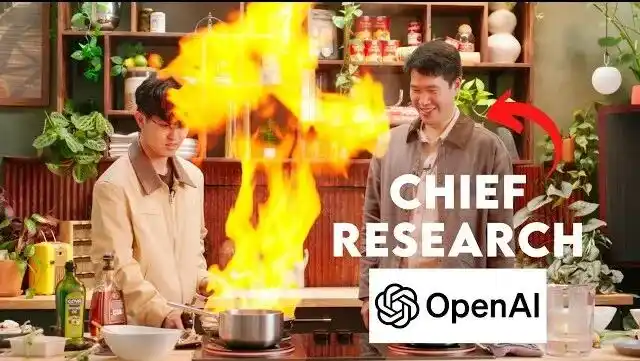
As Mark Chen skillfully chopped mushrooms and onions in front of the camera, he was talking not just about a bowl of soup, but about the last bastion of human civilization.

If AI can research itself, then on the eve of AGI's arrival, what role exactly should humanity play?
Every Field is Experiencing Its Own 'Move 37'

To understand the weight of this statement, we must go back to the moment Mark entered this field.

2016. AlphaGo vs. Lee Sedol.
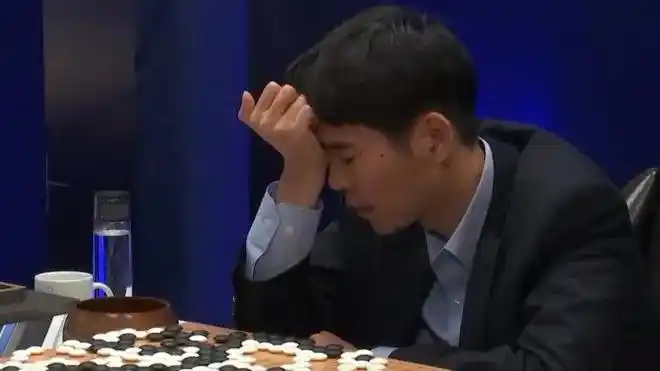
In the second game, there was a move—'Move 37'—that the entire world of human players collectively failed to comprehend the moment it was made.
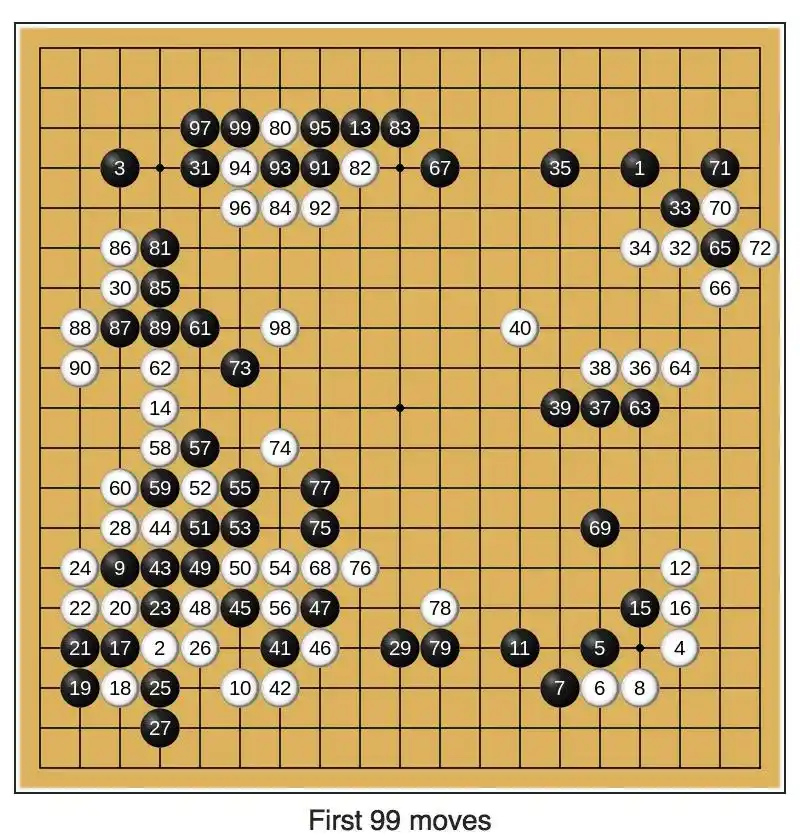
It was only later understood that it was a move conceived by the machine, one that humans could never have imagined. That moment ignited countless people and pulled Mark Chen into this field.

And now?

"The craziest thing," Mark says, "is that you can now see a 'Move 37' in almost every field."

In mathematics. In computer science. In programming.
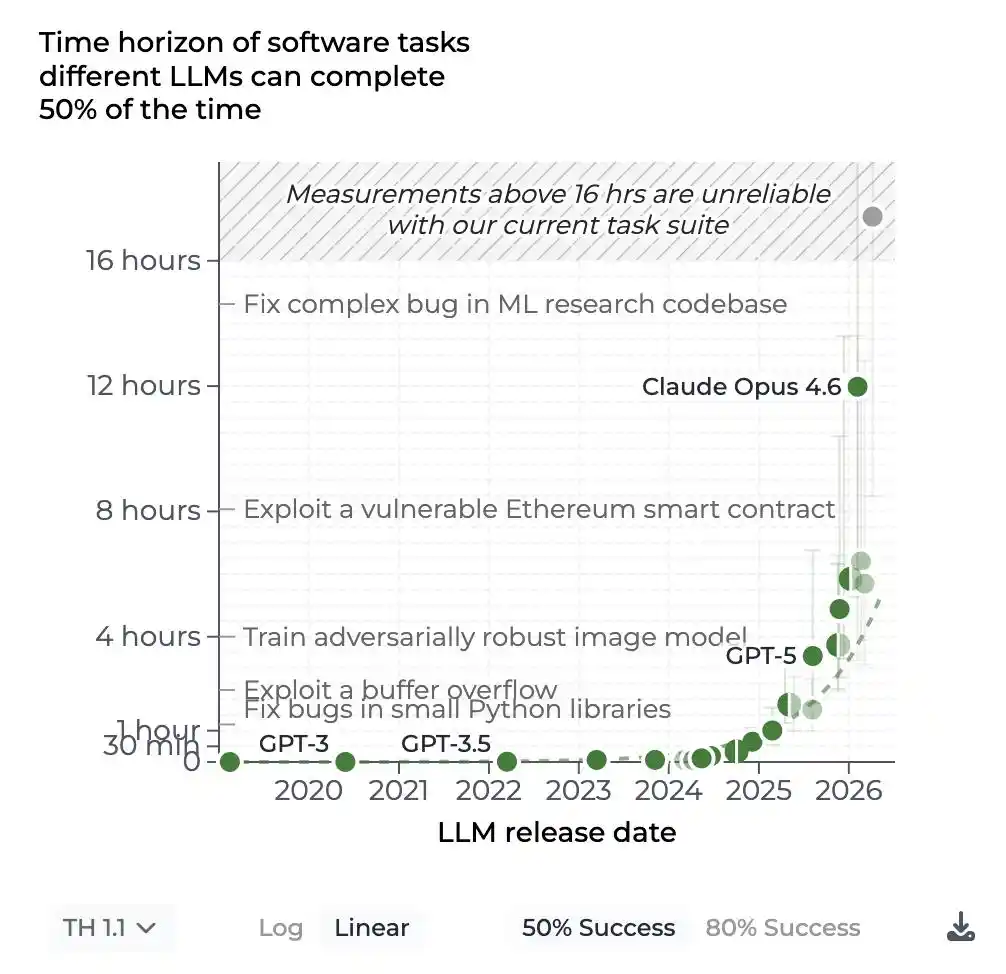
He describes a very subtle tipping point: many people, around the beginning of this year, "woke up one day" and suddenly realized: AI agents in my line of work, they can actually do real work.

Not toys. Not demos. They can complete meaningful, long-cycle, real-world work (long-horizon work) for you.

This means the idea of "models doing research on their own" is no longer a trope from science fiction.

It's the next step, naturally extrapolated from a series of already-occurring 'Move 37s'.

Look down this line, and standing at the end is that model that will conduct its own research.

Scaling Continues, Pretraining is Not Dead

But what underpins such optimism?

A belief: the scaling curve has not yet ended.

In recent years, claims like "pretraining is dead" or "language models won't lead to AGI" surface every so often.

Mark Chen "vehemently disagrees" with these pessimistic views.

He points out the pattern.

"Pretraining is dead" sounds fresh, but it's actually an old, worn-out script that has been replayed repeatedly over the years.
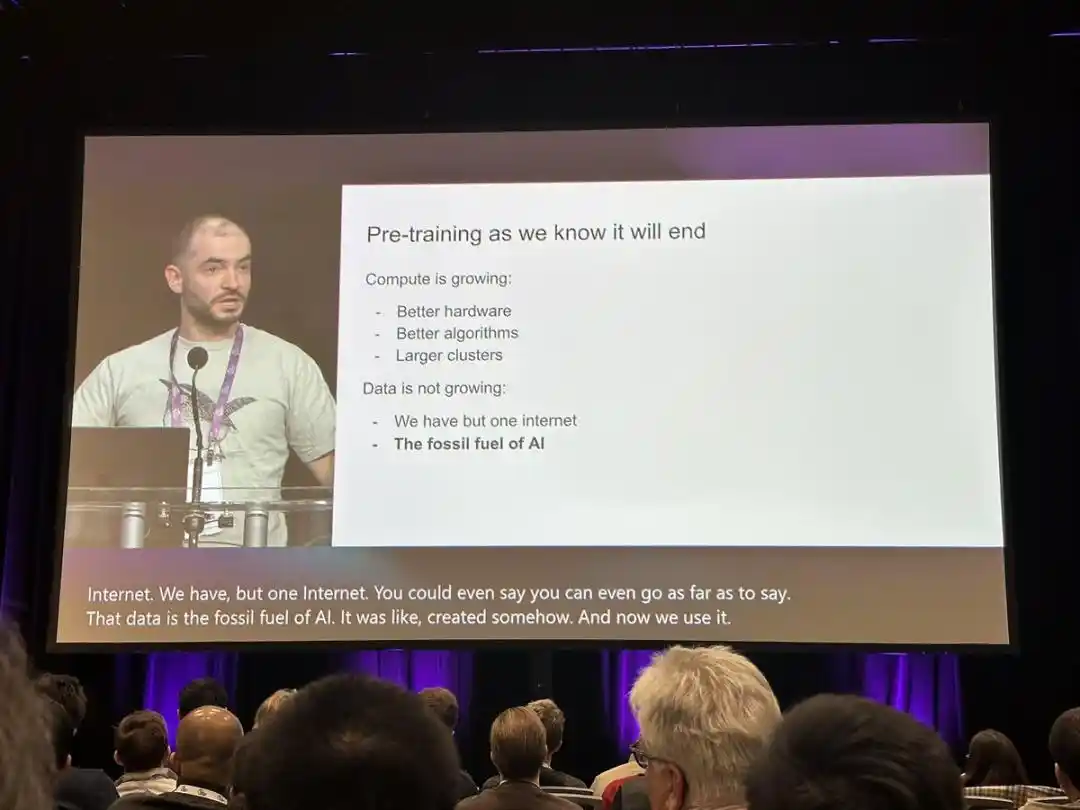
Each time, someone points at a bottleneck and says, "It's peaked, it can't go further"; each time, OpenAI somehow manages to pull out a new engineering trick, or a new research insight, to break through that wall.

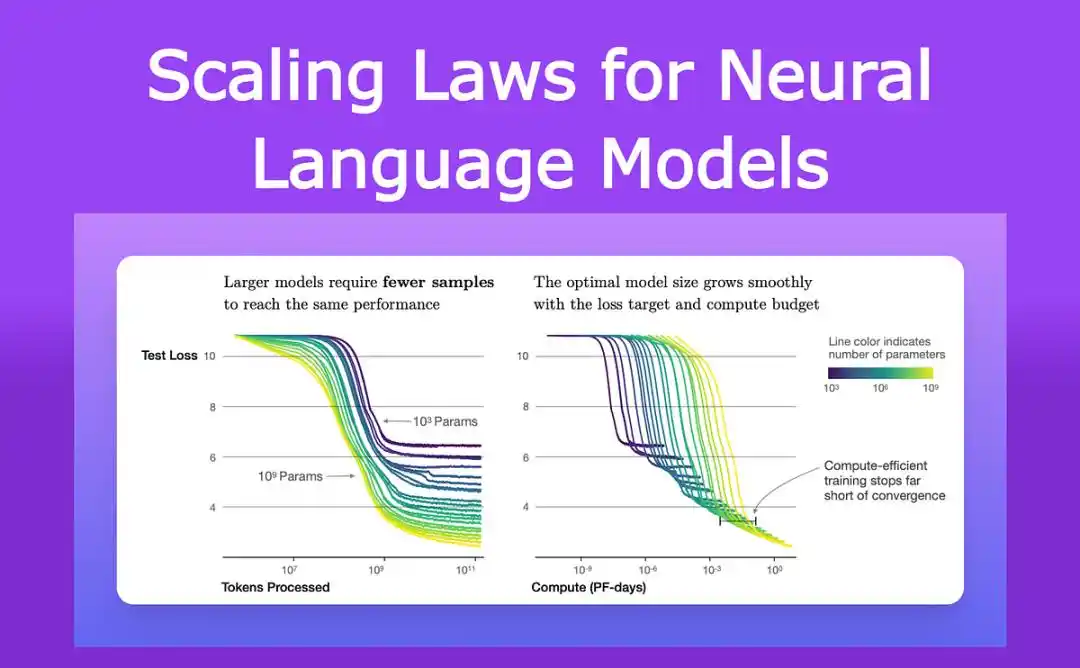
Mark Chen firmly believes, "We are on an exponential curve. It has already sustained through nearly 10 orders of magnitude. There's no reason it shouldn't continue to sustain."
And the most convincing evidence is that OpenAI itself has bet and won once.

The bet was on reasoning.

When o1 was first proposed, even within OpenAI, some didn't believe in it.

The paradigm of "pretraining + post-training" was so dominant at the time that people would naturally ask: The machine is working fine as is, why bother with something else?

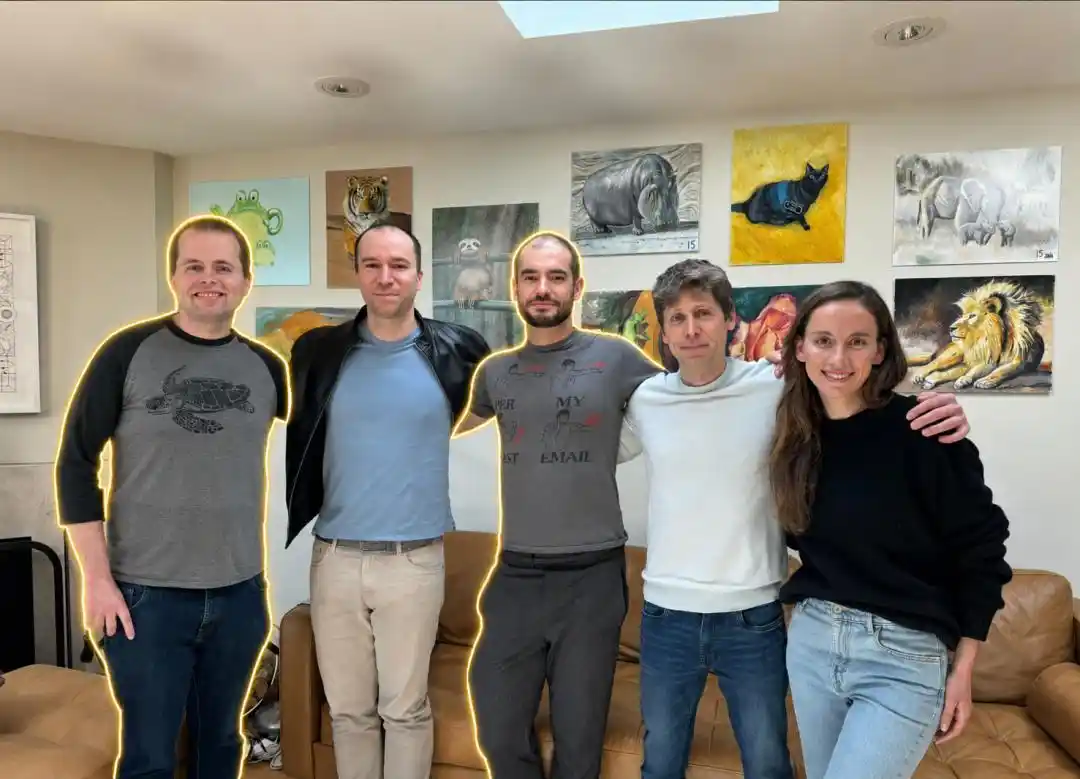
It was through the strong push of a few people with conviction and judgment, like Jakub Pachocki and Ilya Sutskever, that it slowly became a fundamental bet for the entire company.
A year later, o1 emerged, and the reasoning paradigm ignited the entire industry.

The curve hasn't ended, coupled with the fact that the biggest breakthroughs often come from bets that nobody initially believed in. These two points together are the foundation of Mark Chen's confidence in saying "models conducting self-sustaining research is not far off."

When a model starts thinking on tasks that span weeks or even months, the innovations it generates may already be beyond the cognitive blind spots of human experts.

This is precisely the foundation of "self-sustaining research": if it can derive mathematical formulas humans have never seen, it can certainly write algorithm architectures superior to human designs.

Vibe Researcher: When Execution Becomes Cheap

We already have vibe coders—speak, and the AI writes the code.
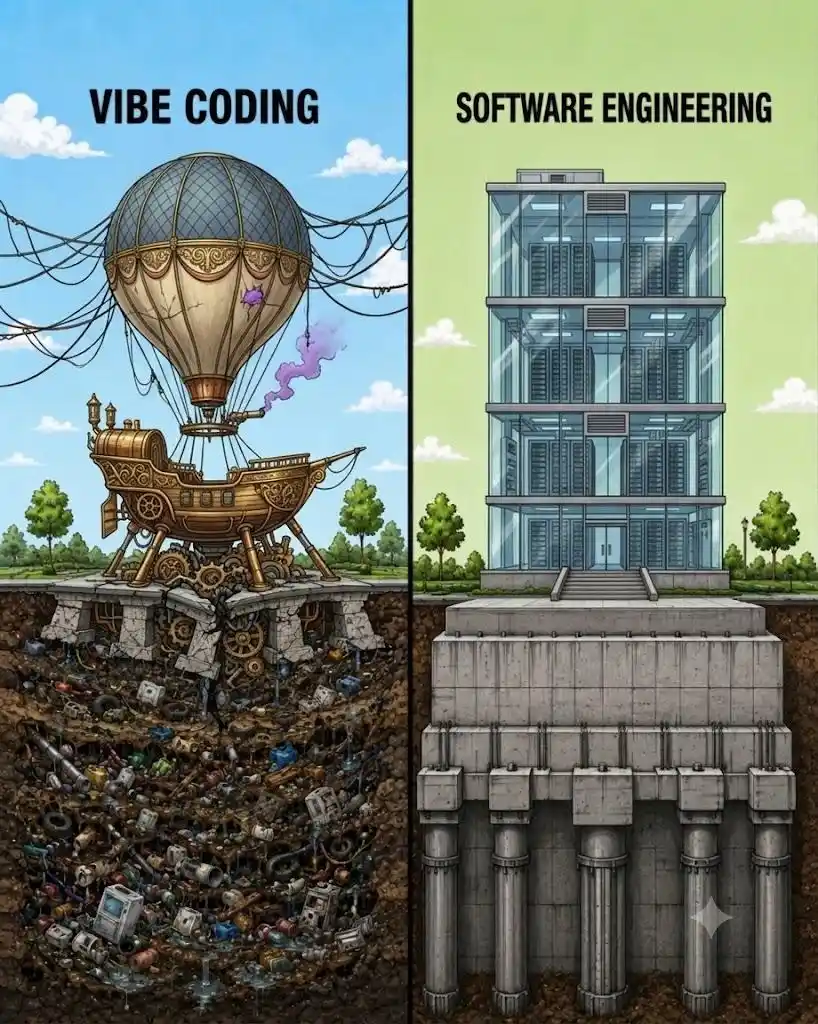
Research is also sliding in this direction.

During the interview, a highly controversial concept was repeatedly mentioned: Vibe Researcher.

This is a somewhat self-deprecating yet deeply considered career prediction.

Mark believes that the top researchers of the future will no longer be the ones writing every line of PyTorch code, but rather those who "get the vibe right."

Whether at OpenAI or other labs, you're beginning to see that a massive amount of work is shifting towards being primarily about 'orchestration'.

In plain language: humans are responsible for the ideas, and models are responsible for doing all the work.

The researcher uses their brain to conceive ideas; the rest—implementation, execution, scheduling—the model handles itself.

OpenAI's three-year roadmap clearly states the endpoint: enabling models to conduct end-to-end research, from idea generation to producing results, entirely on their own.
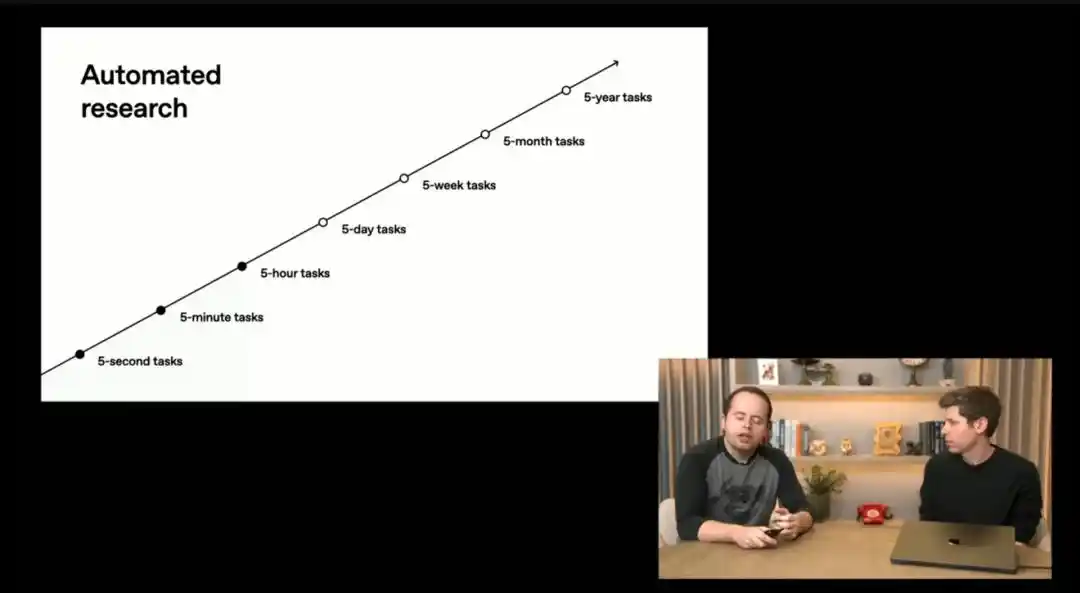
But This Road is Full of Unfilled Potholes

As AI becomes capable of autonomously executing and orchestrating tasks, human work will be compressed to the extreme ends:

1. Proposing the truly important questions.

2. Judging whether the answers AI provides have 'soul'.

This is the so-called 'Taste'.

Because machines don't have 'life', they lack 'common sense', and thus cannot develop 'taste'.

But stepping back, Mark Chen knows better than anyone that this road is far from smooth.

The first pothole: Evaluation is broken.

He used an internal term: 'Benchmaxxing'—finding a bunch of problems that look almost identical to the test set, training on them relentlessly, achieving impressive scores but gaining zero improvement in generalization ability.

What's worse, there are too few widely accepted gold-standard benchmarks.

"We are truly in an evaluation crisis," he says. Classic tests like the SAT are all saturated for today's models.

In fact, once a benchmark is released to the world, it's no longer a good benchmark—like an exam paper that becomes invalid the moment it's printed.
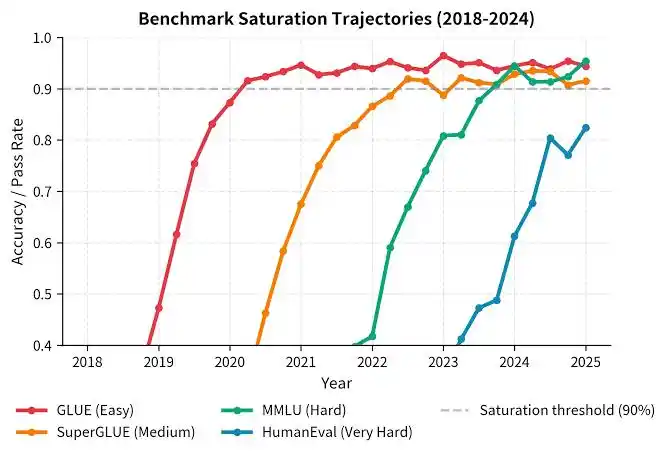
Two strategies to address this issue:

1. Separate the evaluation creation team from the model optimization team, creating an adversarial incentive structure.

2. Deploy models at scale and observe failure modes in real-world applications.
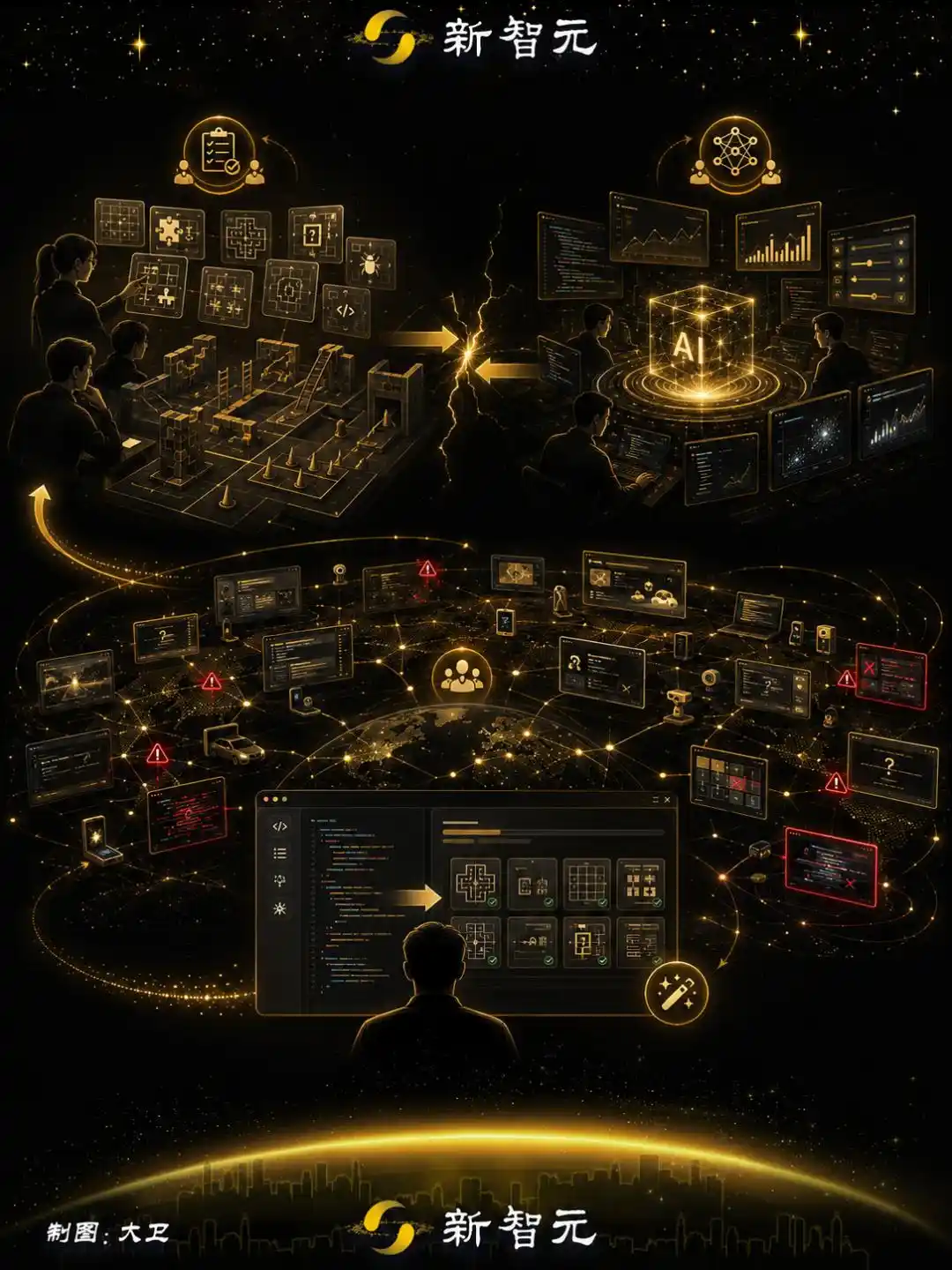
He also pointed out that the emergence of every new capability brings with it a corresponding need for evaluation, and steering the direction of evaluation is a significant part of his work.

The second pothole: The jagged frontier.

A model can solve Olympiad-level problems in math or informatics but might fail at trivial tasks humans do without thinking—a genius that can mentally calculate calculus but can't tie its own shoelaces.
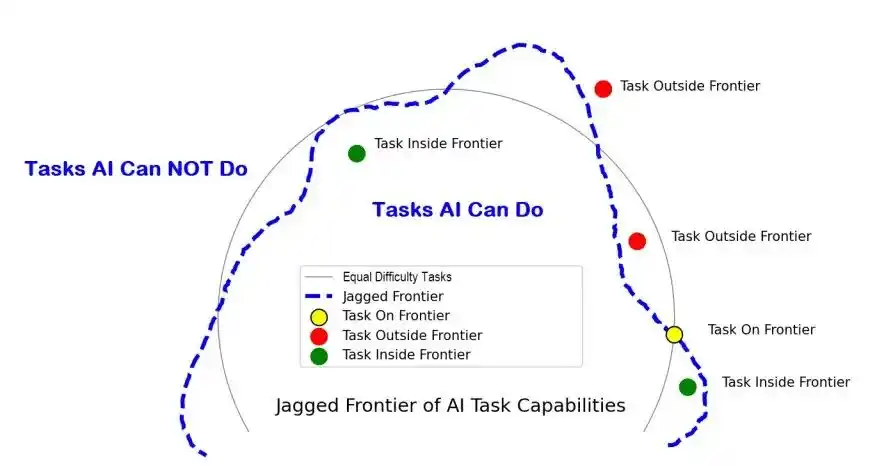
Where's the gap? It's in 'context', in continual learning—applying the lessons learned from one task to the next.

This is so natural for humans, but for models, it's a hard nut the entire industry is trying to crack.

When asked if reaching AGI still requires two or three fundamental breakthroughs, Mark didn't take the bait.

He said that abilities like continual learning are "essential foundational capabilities that must be unlocked." As for whether that counts as a 'breakthrough', he wasn't sure, but "many shots are already aimed at the goal, and I'm pretty sure they'll go in."

That's his attitude: the potholes are real, but work is already underway to fill every single one, and he's betting they can be filled.

The Soup Metaphor: Opening a Noodle Shop After AGI

The most heartwarming moment in the interview was the story about 'soup'.

It is said that Mark Zuckerberg once tried to poach OpenAI researchers with homemade soup, and Mark Chen's response was to bring the soup directly to the office and share it with everyone.
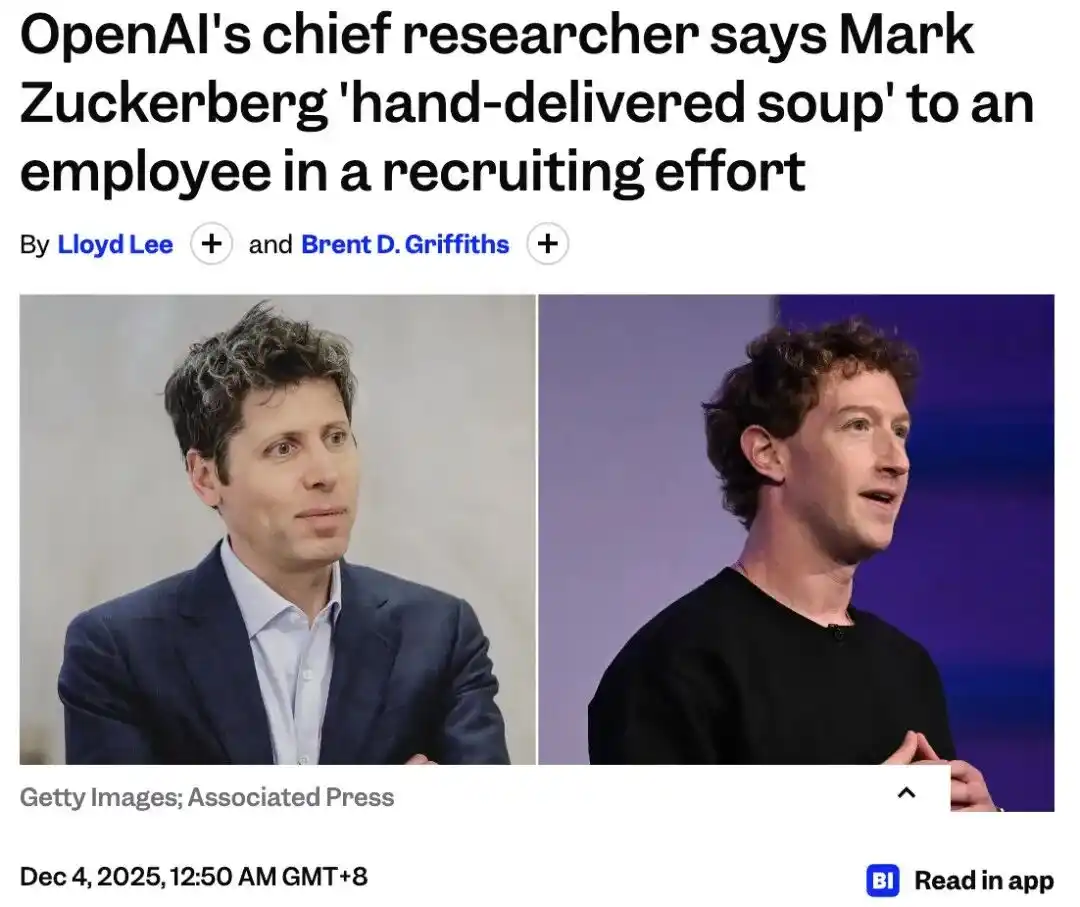
When asked about his ultimate wish after AGI is achieved, this man in charge of the world's most powerful AI brains answered:

"I want to open a noodle shop. That might be my post-AGI hobby."

There is profound meaning hidden in this answer.

When AI can perform all "self-sustaining research", when all knowledge and innovation can be generated at the speed of light, the most scarce resource for humanity will no longer be intelligence, but 'experience'.

A machine can calculate the optimal saltiness for a bowl of soup, but it can never imbue that soup with 'warmth' and 'story'.

References:

https://www.youtube.com/watch?v=fpAthTtha8c

https://finance.biggo.com/podcast/1241bc21164ccc75

This article is from WeChat public account "Xin Zhi Yuan", author: ASI Revelation.

Трендовые криптовалюты

Связанные с этим вопросы

QAccording to Mark Chen, what is the most 'insane' development currently happening across various fields?

AMark Chen states that the most 'insane' thing is that you can now see 'god's one move' or a pivotal, game-changing insight happening in almost every field, including mathematics, computer science, and programming.

QWhat does Mark Chen believe is the foundation for his confidence that 'self-sustaining research by models' is not far away?

AHis confidence is based on two key beliefs: 1) The scaling curve is not at its end yet and has sustained nearly 10 orders of magnitude. 2) Major breakthroughs, like the o1 project which focused on reasoning, often come from bold bets that few initially believe in.

QWhat is a 'Vibe Researcher' as described in the article, and what is their proposed future role?

AA 'Vibe Researcher' is a predicted future role where the top researcher is not the one who writes the code, but the one who 'gets the vibe' or has the 'taste' to pose truly important questions and judge the 'soul' of the answers AI provides. Their role shifts to high-level idea generation and orchestration, while AI handles implementation.

QWhat are the two major technical 'pits' or challenges highlighted by Mark Chen on the road to AGI?

AThe two major challenges are: 1) The evaluation crisis ('Benchmaxxing'), where current benchmarks are easily gamed and become obsolete once public, making true model capability hard to measure. 2) The 'jagged frontier', where models excel at complex, specialized tasks (like math Olympiads) but fail at trivial, context-dependent tasks that require continual learning and common sense.

QWhat does Mark Chen metaphorically suggest might be the most valuable human role after AGI is achieved, and what personal aspiration does he link to this idea?

AHe suggests that after AGI, when AI handles all self-sustaining research and knowledge generation, the most valuable human resource will be 'experience'. Machines can calculate optimal outcomes, but they cannot create 'warmth' and 'story'. He personally aspires to open a noodle shop as a post-AGI pursuit, symbolizing this human-centric value of creating meaningful experiences.

Похожее

Активные адреса XRP выросли на 72% на фоне снижения левериджа на рынке деривативов

Количество ежедневно активных адресов XRP выросло примерно на 72% за двухнедельный период, в то время как спекулятивное кредитное плечо на деривативном рынке снизилось. Это сочетание может указывать на то, что интерес к XRP в большей степени стал подкрепляться реальной активностью в сети, а не заемными средствами, что делает рыночные сигналы более четкими. Рост числа активных адресов может свидетельствовать об увеличении пользовательской активности и транзакций в блокчейне XRP. Однако сам по себе этот показатель не гарантирует роста цены, так как может включать в себя технические или автоматизированные операции. Важно, что рост адресов сопровождается снижением кредитного плеча, что уменьшает вероятность резких распродаж из-за ликвидации позиций. Таким образом, текущая ситуация выглядит более здоровой для XRP, но для подтверждения тренда необходимо наблюдать, сохранится ли повышенная активность адресов и трансформируется ли она в устойчивый спрос на спотовом рынке. Данные обнадеживают, но не являются окончательным сигналом к росту.

bitcoinist35 мин. назад

Активные адреса XRP выросли на 72% на фоне снижения левериджа на рынке деривативов

bitcoinist35 мин. назад

Как растущая сетевая активность Solana может помочь SOL преодолеть уровень в $82

Активность сети Solana резко возросла, достигнув максимального уровня за несколько месяцев, с рекордным количеством активных кошельков в 4,51 млн. Этот рост связан с популярностью токенизированных акций, активностью xStocks и оживлением в сфере DeFi. Увеличение пользовательской базы способствовало восстановлению технических показателей SOL. Расширение реальных финансовых приложений, таких как токенизированные акции, а также высокий объем стейблкоинов, приток средств и объем торгов на DEX указывают на то, что капитал остается в экосистеме Solana. Устойчивый рост внедрения подобных активов может укрепить долгосрочное развитие сети. Цена SOL выросла на 7,48% 29 июня, достигнув $76,49, и приблизилась к закрытию первого позитивного месячного свечи после девяти месяцев падения. Ключевым испытанием для продолжения восстановления остается зона сопротивления $78–$82. Ее преодоление может открыть путь к $92, тогда как уровень $72 является важной поддержкой для быков. Срыв ниже него может сигнализировать о недостаточной устойчивости текущего восстановления.

ambcrypto54 мин. назад

Как растущая сетевая активность Solana может помочь SOL преодолеть уровень в $82

ambcrypto54 мин. назад

SUI, ENA и EIGEN возглавят волну разблокировки токенов на $73 млн на этой неделе

**SUI, ENA и EIGEN возглавляют волну разблокировки токенов на $73 млн на этой неделе** Согласно данным Crypto Economy и Tokenomist.ai, на этой неделе запланировано значительное событие по разблокировке токенов на общую сумму около $73 млн. Основные релизы включают SUI (13.72 млн токенов, ~$9.4 млн) и EIGEN (36.82 млн токенов, ~$8.7 млн) 1 июля, а также ENA (~$3.12 млн) 3 июля. Важно понимать, что разблокировка не означает автоматических распродаж. Рынки часто учитывают такие события заранее, а маркет-мейкеры хеджируют риски. Тем не менее, для трейдеров это ключевой сигнал, влияющий на краткосрочное позиционирование, ликвидность и оценку рисков, особенно для таких активов с высоким спекулятивным интересом, как SUI, ENA и EIGEN. В текущих рыночных условиях, на которые влияют потоки ETF, кредитное плечо и ротация ликвидности между альткойнами, подобные события следует рассматривать в более широком контексте. Они могут иметь второстепенные эффекты на смежные активы и общие настроения. Ключевой вывод: разблокировка — это сигнал о структуре рынка, а не гарантия движения цены. Трейдерам стоит следить за последующими данными по потокам, ончейн-метрикам и производным инструментам, чтобы подтвердить или опровергнуть формирующийся тренд.

bitcoinist1 ч. назад

SUI, ENA и EIGEN возглавят волну разблокировки токенов на $73 млн на этой неделе

bitcoinist1 ч. назад

Прогноз цены Kaspa: Реакция 'продавай на новостях' уничтожила недавний рост

Цена Kaspa (KAS) выросла примерно на 20% в преддверии успешного хардфорка Toccata, который состоялся 30 июня и добавил поддержку смарт-контрактов и токенов KRC-20. Однако после события произошла коррекция на 7,8% за 10 часов, что указывает на реакцию «продажи на новостях». Долгосрочный тренд KAS остается медвежьим, цена находится в нисходящей структуре и дважды откатывалась от зоны сопротивления $0,04. Технические индикаторы, такие как MACD и CMF, подтверждают преобладание медвежьего настроения и отток капитала. На краткосрочных графиках рост к $0,03 перед хардфорком был использован трейдерами как возможность для продажи. Карта ликвидаций показывала скопление уровней под этим сопротивлением. В ближайшее время возможен дальнейший спад к уровням $0,0249 и даже $0,020, и трейдерам следует подготовиться к такому сценарию.

ambcrypto1 ч. назад

Прогноз цены Kaspa: Реакция 'продавай на новостях' уничтожила недавний рост

ambcrypto1 ч. назад

Upbit добавил Gensyn, пока нарратив об AI-криптовалюте получает новый импульс на южнокорейском рынке

Криптобиржа Upbit объявила о поддержке торговли токеном GEN проекта Gensyn, децентрализованной сети для вычислений ИИ на GPU. Листинг включает торговые пары с южнокорейской воной, Bitcoin и USDT, что открывает проекту доступ к одному из самых активных розничных рынков криптовалют. Это событие усиливает видимость Gensyn в рамках устойчивой рыночной нарратива о пересечении блокчейна и искусственного интеллекта. Проект предлагает решение для координации открытого рынка вычислительных мощностей, необходимых для обучения ИИ-моделей, что отличает его от многих краткосрочных альткойнов. Однако листинг на крупной бирже, особенно с фиатной парой в Южной Корее, часто приводит к резкой краткосрочной волатильности. Первоначальный всплеск внимания и ликвидности может смениться коррекцией, когда рынок переключится с новости о листинге на фундаментальные вопросы: реальную активность сети, устойчивость токеномики и долгосрочный спрос на децентрализованные вычисления. Таким образом, листинг на Upbit служит важным катализатором для привлечения внимания трейдеров, но долгосрочная ценность GEN будет зависеть от способности проекта превратить этот интерес в реальное использование своей инфраструктуры.

bitcoinist2 ч. назад

Upbit добавил Gensyn, пока нарратив об AI-криптовалюте получает новый импульс на южнокорейском рынке

bitcoinist2 ч. назад

Торговля

Спот

Популярные статьи

Как купить S

Добро пожаловать на HTX.com! Мы сделали приобретение Sonic (S) простым и удобным. Следуйте нашему пошаговому руководству и отправляйтесь в свое крипто-путешествие.Шаг 1: Создайте аккаунт на HTXИспользуйте свой адрес электронной почты или номер телефона, чтобы зарегистрироваться и бесплатно создать аккаунт на HTX. Пройдите удобную регистрацию и откройте для себя весь функционал.Создать аккаунтШаг 2: Перейдите в Купить криптовалюту и выберите свой способ оплатыКредитная/Дебетовая Карта: Используйте свою карту Visa или Mastercard для мгновенной покупки Sonic (S).Баланс: Используйте средства с баланса вашего аккаунта HTX для простой торговли.Третьи Лица: Мы добавили популярные способы оплаты, такие как Google Pay и Apple Pay, для повышения удобства.P2P: Торгуйте напрямую с другими пользователями на HTX.Внебиржевая Торговля (OTC): Мы предлагаем индивидуальные услуги и конкурентоспособные обменные курсы для трейдеров.Шаг 3: Хранение Sonic (S)После приобретения вами Sonic (S) храните их в своем аккаунте на HTX. В качестве альтернативы вы можете отправить их куда-либо с помощью перевода в блокчейне или использовать для торговли с другими криптовалютами.Шаг 4: Торговля Sonic (S)С легкостью торгуйте Sonic (S) на спотовом рынке HTX. Просто зайдите в свой аккаунт, выберите торговую пару, совершайте сделки и следите за ними в режиме реального времени. Мы предлагаем удобный интерфейс как для начинающих, так и для опытных трейдеров.

1.6k просмотров всегоОпубликовано 2025.01.15Обновлено 2026.06.02

Как купить S

Sonic: Обновления под руководством Андре Кронье – новая звезда Layer-1 на фоне спада рынка

Он решает проблемы масштабируемости, совместимости между блокчейнами и стимулов для разработчиков с помощью технологических инноваций.

2.3k просмотров всегоОпубликовано 2025.04.09Обновлено 2025.04.09

Sonic: Обновления под руководством Андре Кронье – новая звезда Layer-1 на фоне спада рынка

HTX Learn: Пройдите обучение по "Sonic" и разделите 1000 USDT

HTX Learn — ваш проводник в мир перспективных проектов, и мы запускаем специальное мероприятие "Учитесь и Зарабатывайте", посвящённое этим проектам. Наше новое направление .

1.9k просмотров всегоОпубликовано 2025.04.10Обновлено 2025.04.10

HTX Learn: Пройдите обучение по "Sonic" и разделите 1000 USDT

Обсуждения

Добро пожаловать в Сообщество HTX. Здесь вы сможете быть в курсе последних новостей о развитии платформы и получить доступ к профессиональной аналитической информации о рынке. Мнения пользователей о цене на S (S) представлены ниже.

活动图片