In-Depth Analysis of Moonbirds: Where Is It Headed Now?

marsbitОпубликовано 2026-02-02Обновлено 2026-02-02

Введение

Moonbirds, once a prominent NFT project, was acquired by Orange Cap Games in 2025, shifting its focus toward becoming a broader IP-driven business. The new strategy aims to emulate the success of Pop Mart by expanding into physical collectibles, trading card games (TCG), and mobile games. Key initiatives include the "Blind Box 2.0," which bundles physical toys, TCG cards, and NFTs to cross-promote ecosystem engagement, and partnerships with major distributors for global retail presence. A TCG game and mobile app are designed to attract and retain users beyond the crypto niche. However, the utility of the $BIRB token remains vague, framed as a "cultural coordination layer" without clear economic benefits for holders. The project’s success hinges on transitioning from NFT speculation to sustainable IP monetization.

This report is written by Tiger Research. Moonbirds was launched as an NFT project in 2021. After being acquired by Orange Cap Games in 2025, its development path shifted. This raises a core question: Where is Moonbirds headed now?

Key Takeaways

  • Following the acquisition of Moonbirds, Orange Cap Games announced plans to issue a token and expand into a broader ecosystem.
  • To position the Moonbirds IP around fan culture rather than speculation, the team is launching various forms of engagement, including a card game, Blind Box 2.0 program, and a mobile game.
  • Although the expansion prospects for the Moonbirds IP are promising, a clearer and more specific utility framework for the $BIRB token still needs to be established.

1. Moonbirds Moves Towards a Larger Ecosystem
Source: Opensea

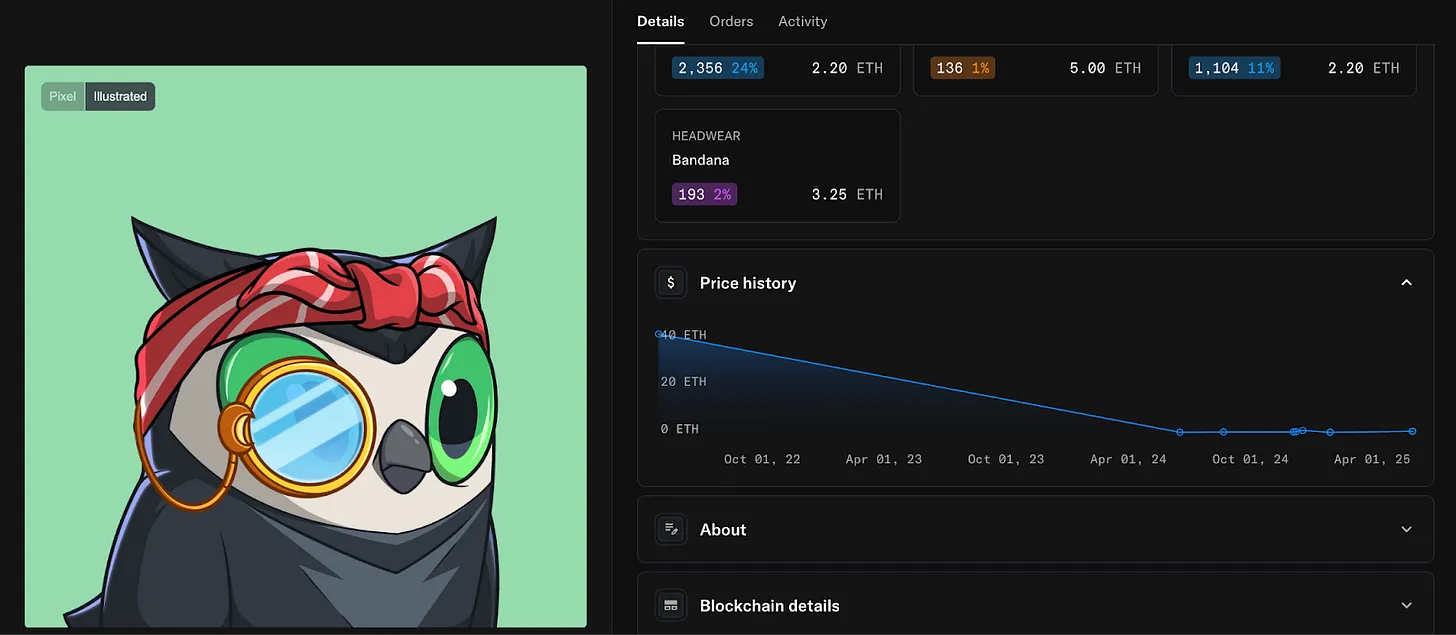
Moonbirds was once a high-profile NFT project in 2021, with trading prices reaching as high as 40 ETH. As the NFT market entered a downturn, attention gradually waned. However, Moonbirds recently returned to the spotlight by announcing a token issuance plan. Yet, viewing Moonbirds solely as an NFT project reflects a perspective stuck in 2021.

In May 2025, Moonbirds entered a new phase after being acquired by Orange Cap Games. The acquirer's goal was not to operate Moonbirds as a standalone NFT collection but to develop it into a broader IP-driven business. This shift requires us to look beyond the valuation of a single NFT and instead evaluate Moonbirds within a larger strategic framework.

2. Moonbirds and the Ambition to Become the Next "Pop Mart"
Source: Solana Youtube

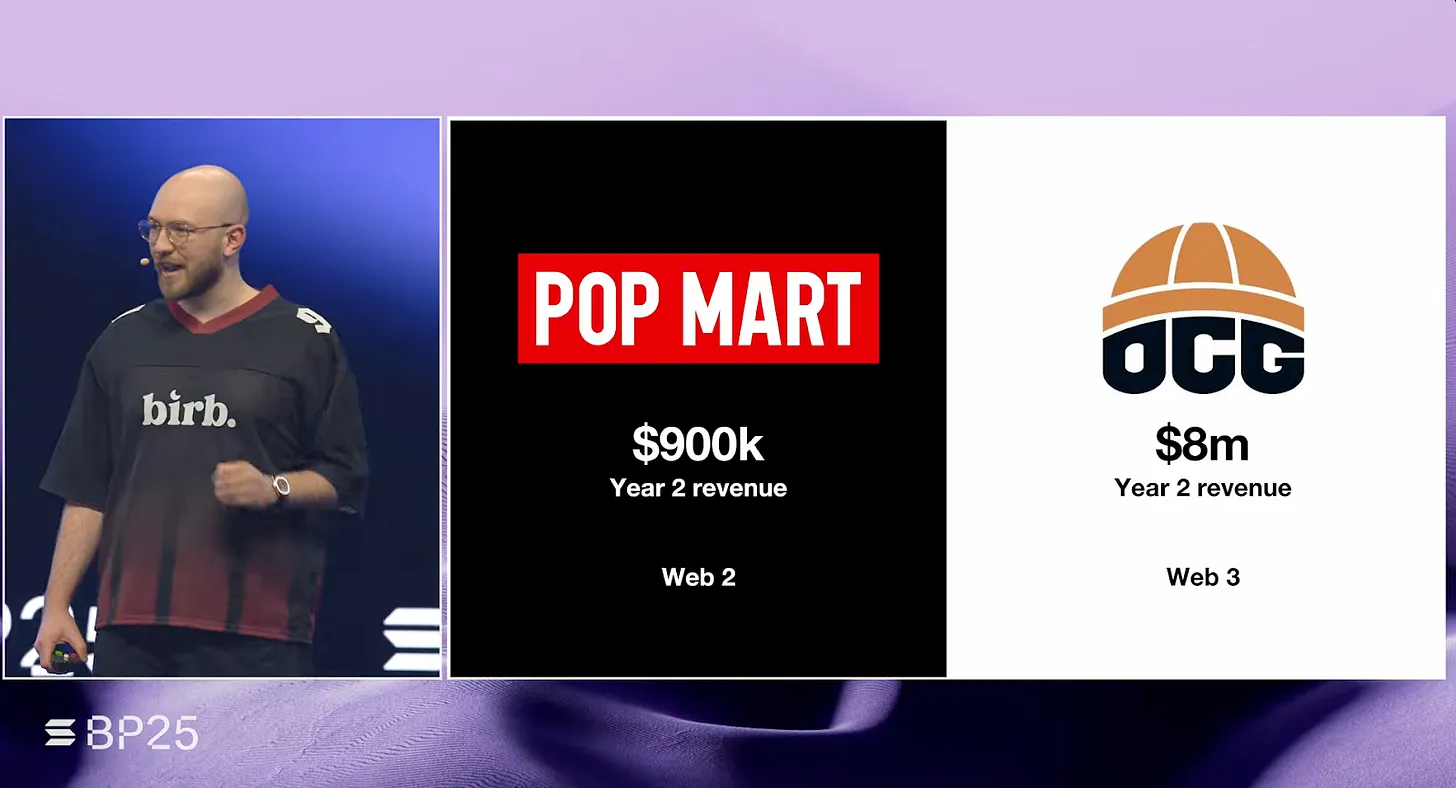
The future envisioned by Orange Cap Games for Moonbirds is to become the "next Pop Mart."

CEO Spencer Gordon Sand stated that his ambition is to build a multi-billion dollar company by turning Orange Cap Games into the Web3 version of Pop Mart.

This ambition is closely tied to Sand's professional background. He was an early investor in NFT projects like Bored Ape Yacht Club (BAYC), RTFKT, and Cool Cats, giving him firsthand experience in how NFT projects evolve into IPs and how they fail.

Particularly, as one of the largest holders of Pudgy Penguins, he witnessed the brand expand into mainstream media, including television, with non-crypto audiences actively engaging with these characters. This experience likely shaped his belief in building the "next Pop Mart."

Echoing this background, Orange Cap Games' vision for Moonbirds is distinctly different from the typical NFT sales model. The company is not focused on NFT distribution within Web3 but instead uses Moonbirds as a starting point, acquiring and expanding multiple high-potential IPs, ultimately positioning itself as a diversified, IP-centric consumer business, structured similarly to Pop Mart.

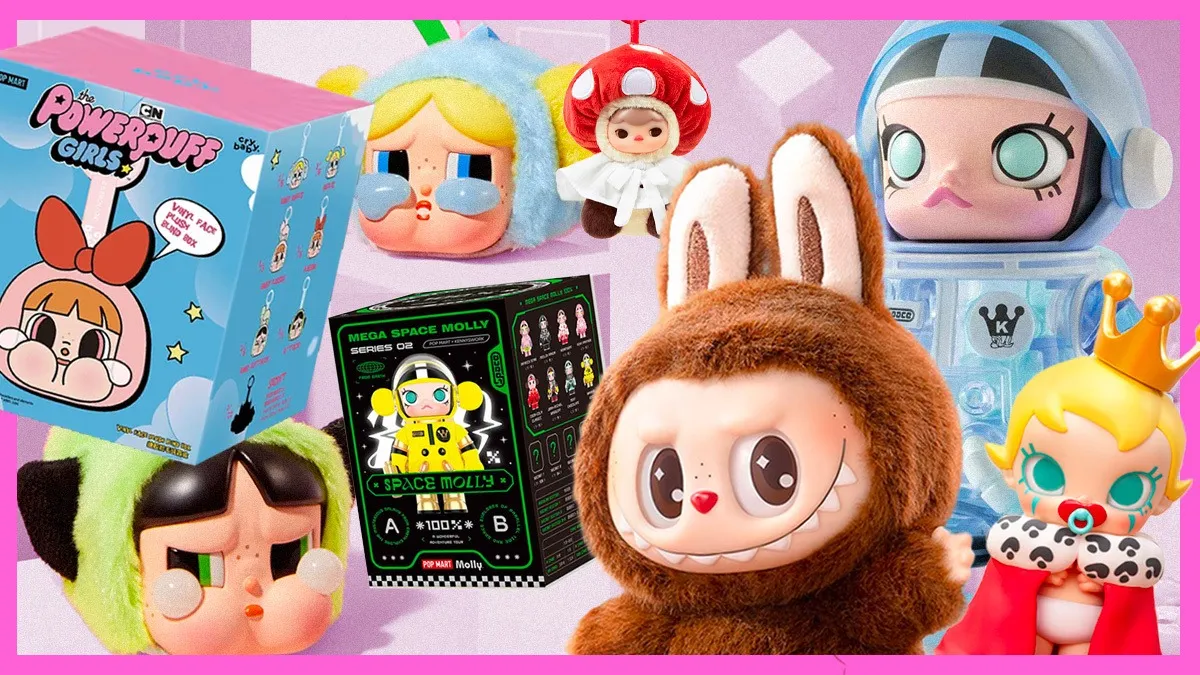
What is Pop Mart's most popular blind box series?
Source: Pop Mart

A representative success story for Pop Mart is the character Labubu. Labubu was not originally created by Pop Mart. In 2019, the company signed an exclusive agreement with a Hong Kong artist and successfully brought the character to the mass market.

Pop Mart is not a simple third-party IP reseller. Its core strength lies in vertical integration.

Similar to a talent agency, the company manages the entire lifecycle of IP development, from artist discovery and IP licensing to product design, manufacturing, and direct-to-consumer distribution through its own channels. This integrated structure allows Pop Mart to repeatedly scale new characters using a consistent expansion model.

Orange Cap Games appears to be pursuing a similar approach. The company's goal is not just to create products but to build a distribution layer capable of delivering multiple IPs.

This system encompasses physical distribution (e.g., figurines and trading cards), cultural distribution through offline tournaments and events, and digital distribution through games and NFTs. The aim is to create a repeatable framework that can support and scale any IP introduced into the ecosystem.

3. To Become Pop Mart, Products Must Be Well-Made and Distribution Must Be in Place
Source: Orange Cap Games

For Orange Cap Games, producing physical toys inspired by Moonbirds NFTs is important. However, trading cards play a more central role in building a scalable ecosystem.

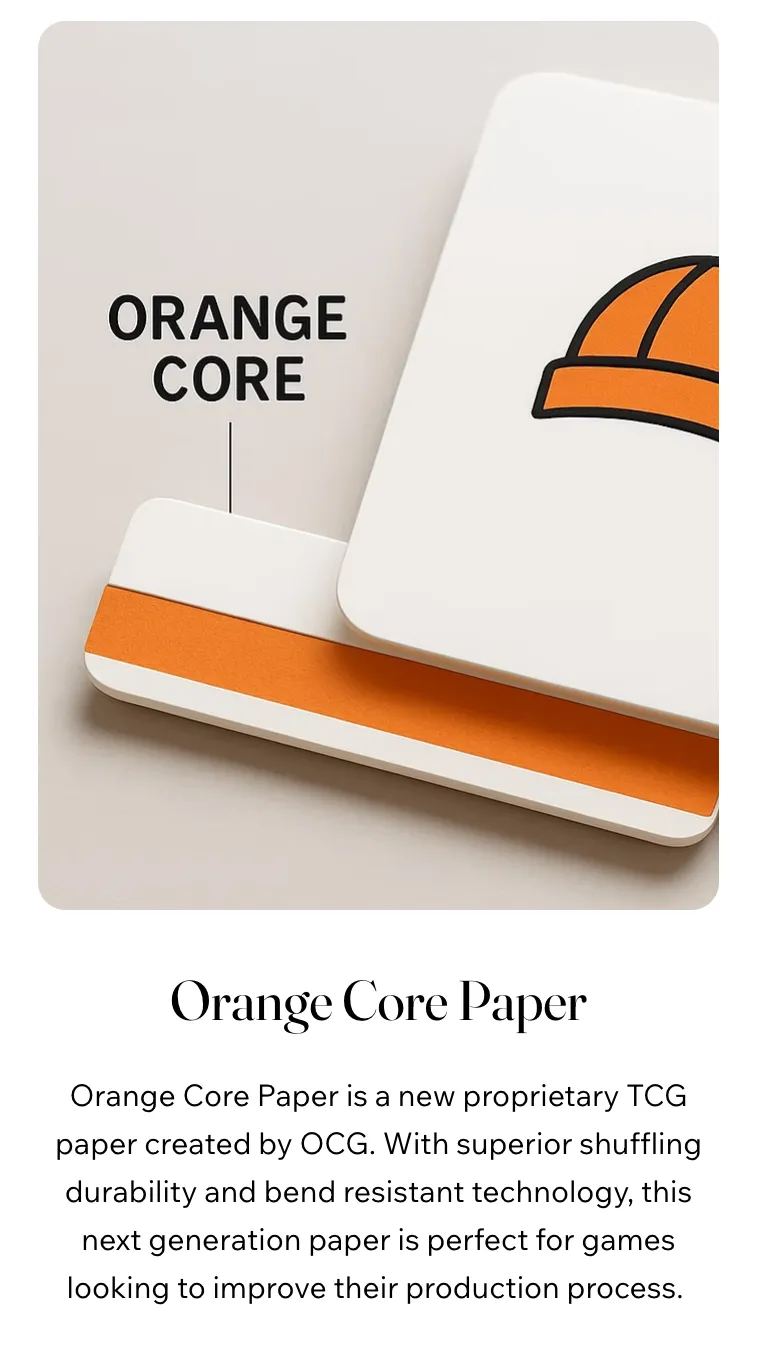
To make its trading card game stand out, the company avoided industry-standard blue-core cardstock and instead developed its own orange-core material. This proprietary cardstock reduces common issues like edge wear and card bending. Orange Cap Games controls material selection and the manufacturing process, extending product ownership down to production details.

These efforts were validated when the cards received a PSA 10 rating (PSA's highest grade). Subsequently, the company partnered directly with PSA to launch co-branded promotional cards.
Source: Moonbirds

Product quality alone is not enough. The distribution infrastructure determines whether physical products can reach the right audience. Placement in high-traffic locations frequented by target consumers is crucial.

To this end, Orange Cap Games has established partnerships with major global distributors:

  • GTS Distribution: The largest collectibles distributor in North America

  • Star City Games: A core distributor for Magic: The Gathering

  • Asmodee: The world's third-largest board game and toy distributor

As a result, Moonbirds products are no longer confined to crypto-native channels like exchanges. They are now available in local hobby shops and toy stores, meeting the basic requirements for global expansion.

At this stage, Orange Cap Games has secured product quality and distribution channels. The next challenge is retention: whether customers who purchase these products will remain engaged within the broader Moonbirds ecosystem.

4. Persuading Consumers to Choose Moonbirds

Producing high-quality products and ensuring distribution are necessary but not sufficient. The real challenge lies in persuasion. Among the myriad character products on retail shelves, what makes consumers choose Moonbirds?

Labubu's success at Pop Mart was not driven solely by visual appeal. Orange Cap Games applies similar logic, using structured strategies to influence consumer behavior rather than relying solely on design.

4.1 Trading Card Game as a Cultural Entry Point

Cards are not just collectibles; they are also components of a game. For cards to be meaningful collectibles, there must first be a playable game. Without active gameplay, even beautifully designed and well-made cards are merely decorations.
Source: Vibes

The core question is how to attract players to a new card game.

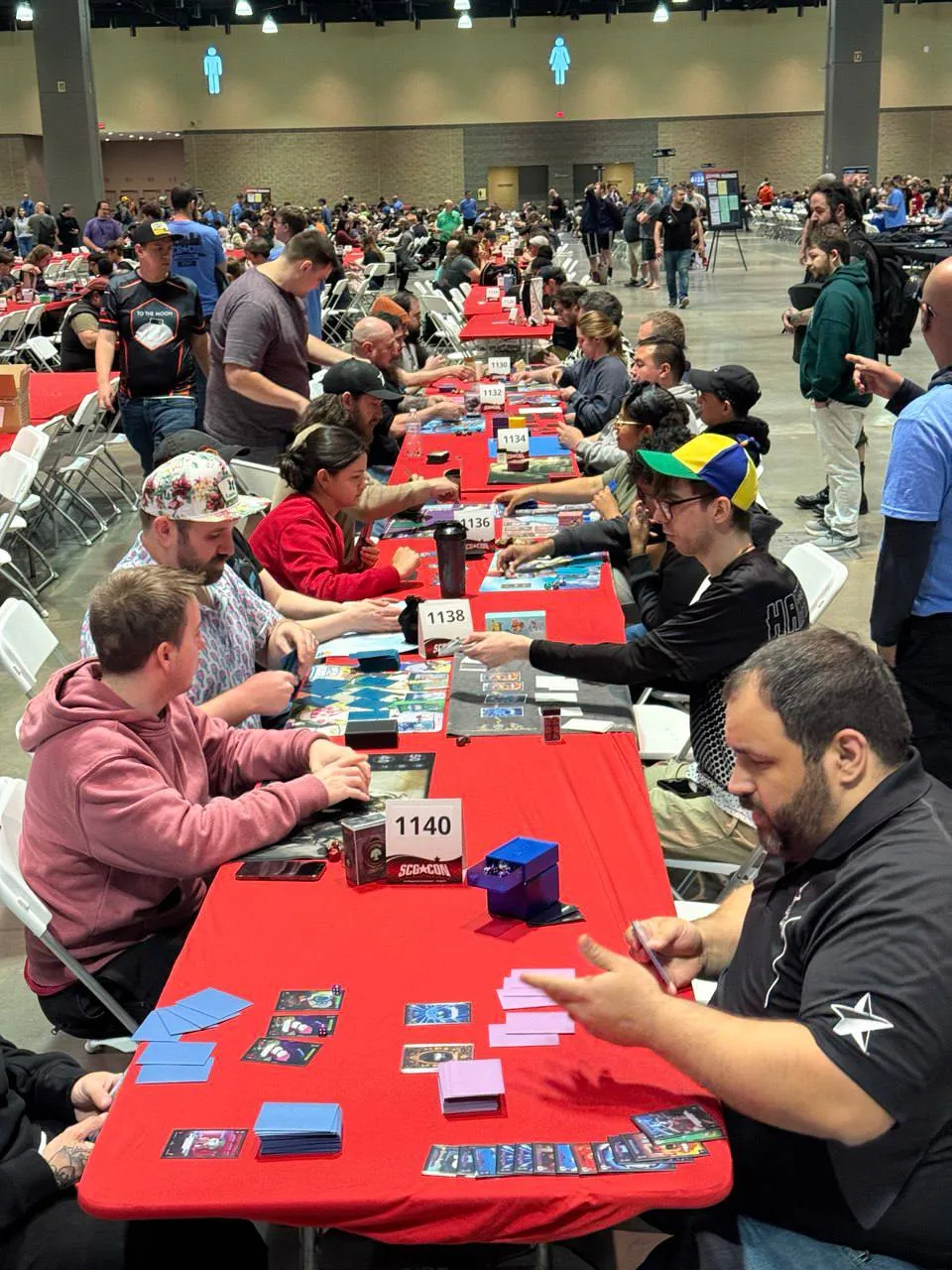
Orange Cap Games targets participants of large trading card tournaments. These events typically last five days, with about half of the participants eliminated on the first day. The company schedules its own tournaments on the second day, positioning them as an alternative for eliminated players.

From the participants' perspective, additional competitive opportunities are attractive. Preparation familiarizes them with the game, core players begin to gather, and the product starts to function as a real game rather than a niche experiment.

When Moonbirds tournaments are held alongside a large, established event, players also begin to associate them with the same competitive standards. This cognitive shift is crucial. The strategy's focus is not on immediate conversion but on repositioning Moonbirds TCG as a legitimate part of the broader card game ecosystem.

In essence, this approach is not just about participation but about changing how the product is perceived.
Source: scgcon

In practice, Orange Cap Games applied this strategy at SCG Con in 2025 with its Vibes TCG, hosting side events alongside the main tournament. Over time, this approach steadily increased the scale and visibility of Vibes TCG events.

4.2 Blind Box 2.0: From a Single Experience to a Triple Experience
Source: Moonbirds

Pop Mart's traditional blind boxes, like the Labubu series, typically contain a single figurine. Once the box is opened and the item is revealed, the experience ends. This model is designed around one-time consumption.

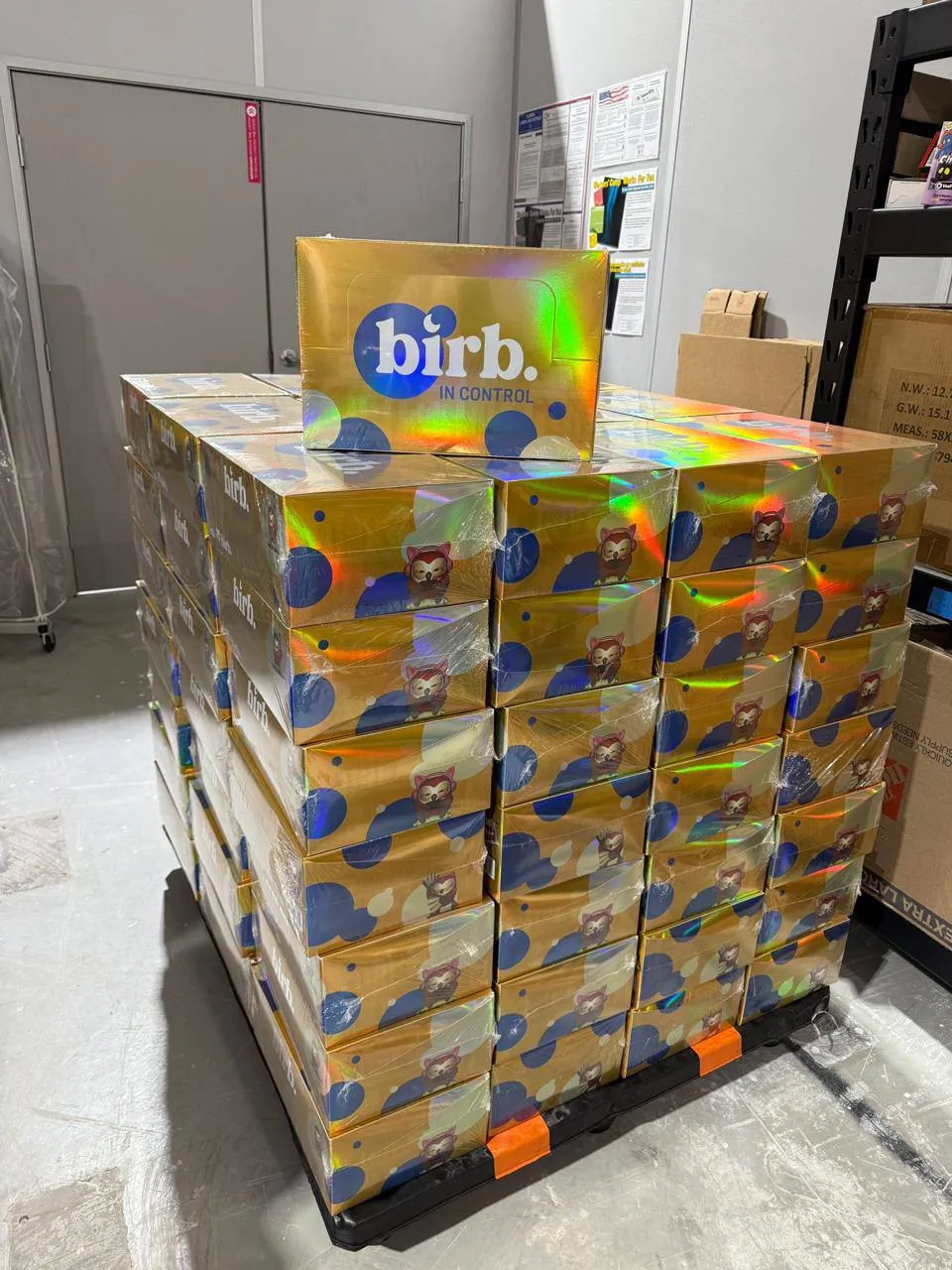
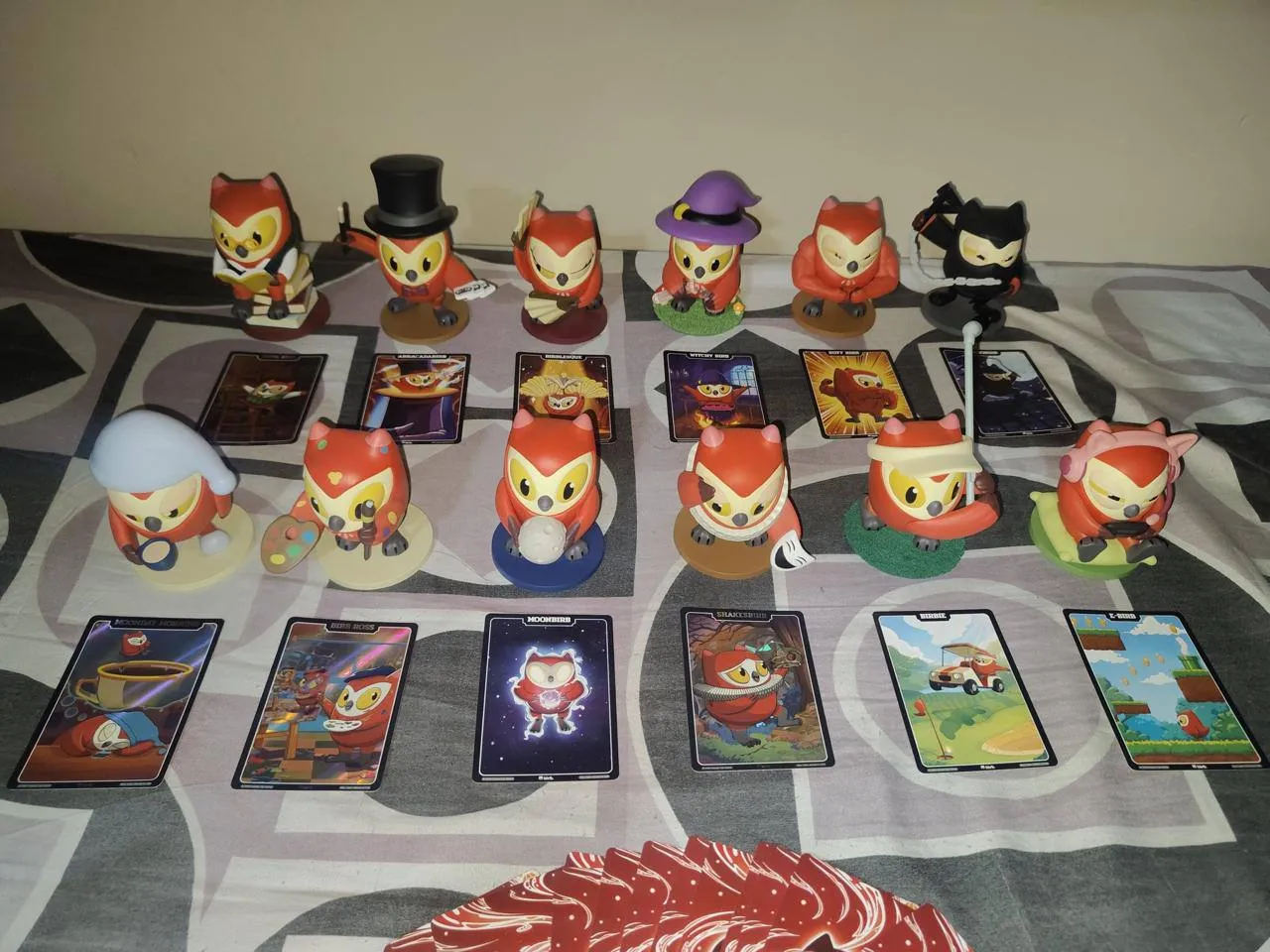
Moonbirds adopts a different approach—Blind Box 2.0. Each box contains three different collectibles:

  1. Plush toy or figurine
  2. Trading card
  3. NFT

By purchasing a single box, the consumer engages in three separate experiences, not one.

Orange Cap Games refers to this model as a "hybrid" category. It is not merely a bundle of three products. The core idea is cross-channel引流 (drainage/flow), with each item serving as an entry point to different parts of the ecosystem.

  • Buyers focused on toys discover TCG cards and are introduced to gameplay.
  • Buyers focused on TCG obtain NFTs and are exposed to on-chain assets.
  • Buyers focused on NFTs obtain physical toys and are guided into the offline community.

A single blind box becomes a gateway to all three of Orange Cap Games' business lines (toys, TCG, and NFTs). Consumers may only engage with their initial purchase intent. However, once curiosity extends beyond the original purpose, they are naturally guided into adjacent parts of the ecosystem.

4.3 Mobile Games as an Extended Channel for Daily Engagement
Source: Vibes

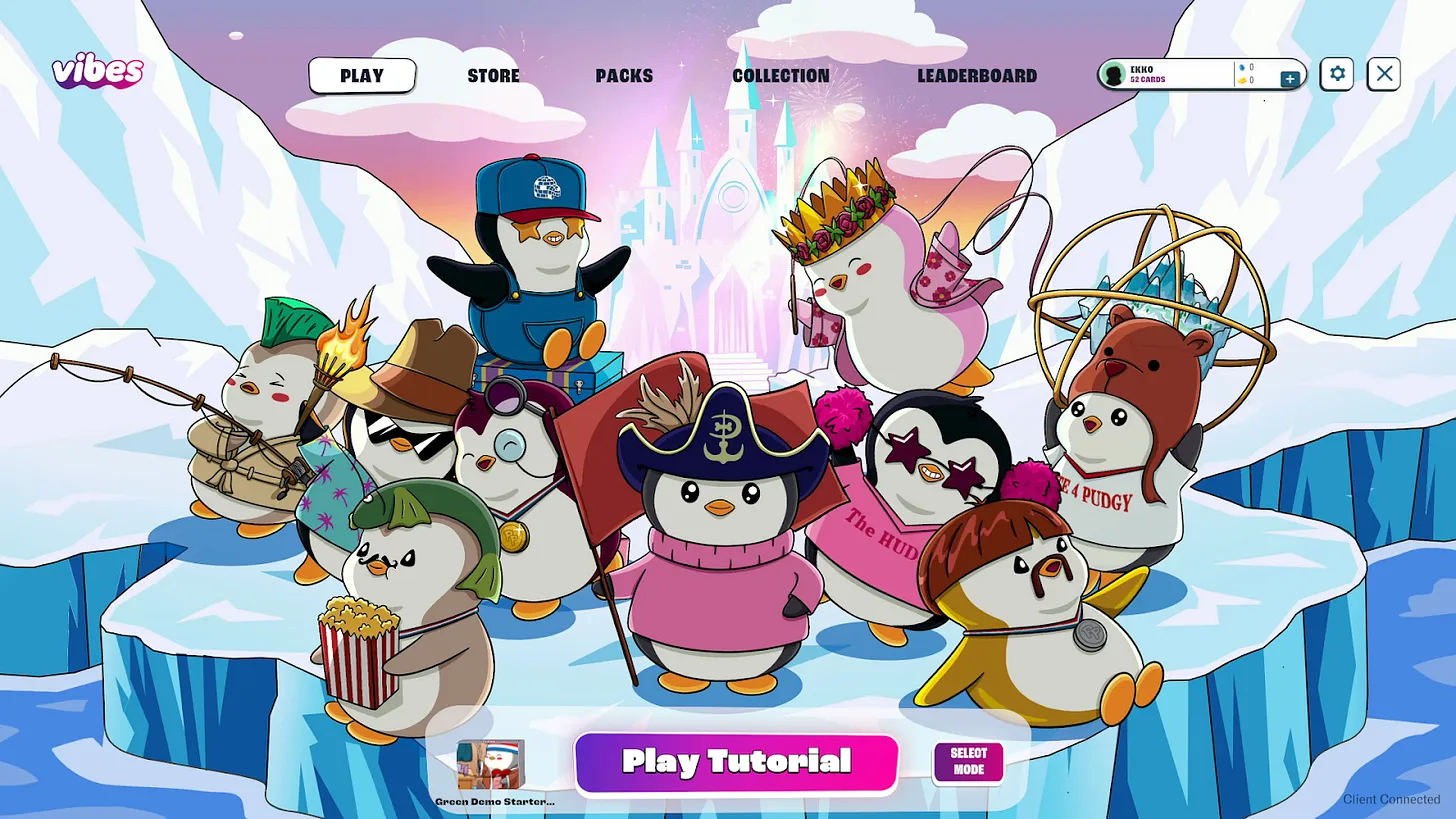
Buying trading cards requires money; collecting figurines requires prior interest. In contrast, free mobile games only require a download. Some users may subsequently invest time or money to improve their decks or progress, but the initial barrier to entry remains low.

Angry Birds provides a useful reference. The gameplay is simple, but the characters achieved global recognition. From there, the IP expanded into movies, merchandise, and theme parks. The game became the starting point for broad IP distribution.

Moonbirds' mobile game is designed to serve a similar purpose. Through gameplay, users become familiar with the characters and gradually absorb the broader世界观 (worldview). Even users with no immediate intention to buy cards or figurines are exposed to Moonbirds through the game.

Over time, this familiarity creates awareness. When consumers later encounter Moonbirds products in a retail environment, these characters are no longer strangers. The mobile game builds a psychological bridge that can turn passive awareness into potential purchase intent.

5. From Moonbirds to Orange Cap Games: The Role of $BIRB

Orange Cap Games has built the infrastructure and strategy to expand Moonbirds. However, for investors, the key question remains: What does the $BIRB token actually do?

The team describes $BIRB as a "coordination layer." In this framework, the token aims to accelerate cultural propagation, making memes spread more effectively. The strategy is to anchor the business in physical consumer products while leveraging crypto-native dynamics to amplify brand influence.

The challenge lies in specificity. It is not yet clear what specific benefits token holders will receive. Revenue sharing from product sales, NFT-linked memberships, or other incentive mechanisms have not been clearly defined.

Orange Cap Games emphasizes long-term ecosystem growth. Revenue is expected to be reinvested into the business rather than distributed to token holders. The goal is to create a positive feedback loop where attention generated from non-crypto markets feeds back into the crypto community.

A notable strength is that this is not a business assembled solely to justify a token issuance. The company generated real revenue through Vibes TCG before introducing the token layer. This approach is fundamentally different from meme coins that lack underlying operations.

However, unanswered questions remain. Whether the proposed "cultural coordination" function of the token can work in practice and whether this function can translate into sustained token value remains to be seen. The strategy of prioritizing reinvestment may also be less appealing to short-term investors.

Whether Moonbirds can achieve Pop Mart-level success remains uncertain. Nonetheless, as a real-time experiment in how an origin NFT IP can be monetized in the real world, the specific design of $BIRB and its early performance will determine the outcome of this experiment.

Related reading: Moonbirds: The Wealth Creation Narrative of Birbillions.

Связанные с этим вопросы

QWhat is the core vision of Orange Cap Games for Moonbirds after its acquisition?

AOrange Cap Games aims to develop Moonbirds into a broader IP-driven business, positioning itself as a Web3 version of Pop Mart, with ambitions to build a multi-billion dollar company by expanding into multiple high-potential IPs across physical collectibles, trading card games, and digital assets.

QHow does Orange Cap Games plan to distribute Moonbirds products to reach a wider audience?

AThe company has partnered with major global distributors like GTS Distribution (North America's largest collectibles distributor), Star City Games (a core distributor for Magic: The Gathering), and Asmodee (the world's third-largest board game and toy distributor) to make Moonbirds products available in local hobby shops and toy stores beyond crypto-native channels.

QWhat is the 'Blind Box 2.0' strategy, and how does it differ from traditional blind boxes?

ABlind Box 2.0 includes three distinct collectibles in a single box: a plush toy or figurine, a trading card, and an NFT. This creates a hybrid experience that cross-promotes different parts of the ecosystem, unlike traditional blind boxes (e.g., Pop Mart's) which typically contain only one figurine and offer a single, consumable experience.

QWhat role does the mobile game play in Moonbirds' ecosystem expansion?

AThe mobile game serves as a low-barrier entry point to familiarize users with Moonbirds characters and lore, similar to how Angry Birds built global IP awareness. It acts as a channel for daily engagement, creating brand recognition that may later translate into purchases of physical or digital products when encountered in retail environments.

QWhat are the current challenges or uncertainties regarding the $BIRB token's design and utility?

AThe $BIRB token lacks a clear, specific utility framework. While described as a 'coordination layer' to accelerate cultural propagation, details on tangible benefits for holders (e.g., revenue sharing, NFT-linked memberships) are undefined. Revenue is prioritized for reinvestment rather than distribution to token holders, which may limit short-term investor appeal. Its effectiveness in driving token value remains unproven.

Похожее

Xpeng and NIO Compete on Computing Power, Li Auto Shifts Architecture

On June 15, 2026, Li Auto unveiled details of its self-developed chip, Mahe M100, for its new L9 Livis model. CTO Xie Yan stated the goal was not just a faster chip, but a fundamentally different one, targeting the chip architecture itself. While competitors like NIO, Xpeng, and Huawei highlight TOPS (computing power) figures for their self-developed chips, Li Auto’s Mahe M100 focuses on redesigning the underlying architecture. It employs a "dynamic data flow architecture" to address memory bandwidth bottlenecks in large model inference, claiming up to 3x the effective computing power of Nvidia's Thor U for its specific workloads and a 40% reduction in latency. The chip's design was peer-reviewed and accepted at ISCA 2026. However, this performance is highly optimized for Li Auto's own VLA2.1 algorithm, meaning it may not generalize as well to other tasks. Li Auto aims to achieve full-stack in-house development with Mahe M100, covering chip, compiler, OS, AI algorithms, and domain controller—a level of vertical integration few competitors match. Beyond the chip, CEO Li Xiang introduced a new strategic narrative: the "embodied intelligent vehicle," defined as an integration of an EV, a professional driver, an AI computer, and a life assistant. This shifts competition from features like large screens to systemic AI capabilities. A key commitment was that Li Auto's Mahe VLA autonomous driving model will match Tesla's FSD V14 by Q4 2026, with specific OTA milestones set for July, September, and December. Financially, Li Auto faces pressure with declining revenue and vehicle gross margins since Q4 2025, while maintaining high R&D investment (approx. ¥12B in 2026, 50% AI-related). Its 2026 sales target is 550,000 vehicles, up from 406,000 in 2025. The new L9 Livis garnered over 10,000 pre-orders in two weeks. The effectiveness of these strategic moves—new products, OTAs, and the novel chip architecture—will begin to show in Q3 2026 financial results, with the year-end FSD V14 benchmark being the ultimate test.

marsbit51 мин. назад

Xpeng and NIO Compete on Computing Power, Li Auto Shifts Architecture

marsbit51 мин. назад

The Year of AI Applications: Saying 'Yes' While Ignoring Risks? A Comprehensive Open Source Log of Software Development's Journey

The Year of AI Applications: Blindly Saying "Yes" While Ignoring Risks? A Software Development Log Goes Fully Open Source. AI-generated code harbors risks hidden within seemingly correct programs, potentially leading to data leaks or asset loss. The open-source project "Narwhal AI Code Risks," from Peking University's Narwhal-Lab, compiles real-world cases, early warning signs, and typical risk pathways. Its goal is to help developers identify potential hazards early and avoid repeating past mistakes. In 2026, code is generated faster than ever but deployed with less scrutiny. The danger often lies not in glaring errors, but in code that appears normal—syntactically correct, passing all checks—yet introduces subtle but critical flaws like non-existent dependencies, excessive permissions, or exposed databases. A stark example is the Moonwell cbETH oracle incident. A configuration file error, where a cryptocurrency price was set to ~$1.12 instead of ~$2,200, slipped through 28 checks and a pull request signed by both AI (Claude, Copilot) and human developers. This "semantic deviation" resulted in a loss of $1.78 million. The risk is that AI can produce functionally valid code that is semantically wrong for the business context. As AI moves beyond simple code completion to modifying configurations, installing dependencies, and operating via autonomous agents, it traverses longer, less traceable paths within software engineering, blurring traditional boundaries and oversight points. The Narwhal AI Code Risks project structures information into three layers: `/cases` for documented real-world incidents, `/inferred` for early warning signals, and `/scenarios` for clear, generalized risk patterns not yet tied to specific events. This aims to create a lasting, public record to prevent collective amnesia about past AI-coding pitfalls. Risks are categorized into seven areas: Software Supply Chain (e.g., recommending fake packages), Code-Level Vulnerabilities (e.g., reintroducing path traversal bugs), Cloud & Infrastructure Misconfiguration (e.g., overly permissive settings), Agent Risks (from autonomous tool execution), Vertical Domain Risks (e.g., in finance, healthcare), Intellectual Property & Compliance issues, and Human Factors (like over-reliance on AI output). The project's core value is transforming isolated incidents into reusable knowledge—a foundational resource for developers to spot similar issues, for security researchers to build upon, for toolmakers to create detection rules, and for the community to contribute new findings. As AI integration accelerates, this open-source "logbook" serves as a crucial navigational aid, charting past errors to help future projects steer clear of the same traps.

marsbit51 мин. назад

The Year of AI Applications: Saying 'Yes' While Ignoring Risks? A Comprehensive Open Source Log of Software Development's Journey

marsbit51 мин. назад

The Foundation of SpaceX's Trillion-Dollar Valuation: Who is Dividing Up Musk's Annual Tens of Billions in Capital Expenditure?

SpaceX's trillion-dollar valuation is built on its three core businesses: Starlink (profitable, 60% of revenue), rockets (driving down launch costs), and AI (a major investment area). This creates a financial cycle: Starlink funds rocket development, which enables low-cost launches for AI hardware, generating future revenue. This cycle fuels annual capital expenditures of tens of billions, flowing to a vast supply chain. Suppliers are categorized by their replaceability. The first group includes irreplaceable players like NVIDIA (GPU/CUDA ecosystem), Eutelsat (critical radio spectrum), Filtronic (specialized amplifiers), Materion (strategic beryllium), and STMicroelectronics (antenna chips). The second group consists of hard-to-replace suppliers due to high switching costs, such as Honeywell (flight control), Carpenter Technology (specialty alloys), Hexcel (carbon fiber), Broadcom (data exchange), and Linde (industrial gases). The third group comprises high-volume, cost-critical suppliers for mass-produced items like Starlink terminals. Key names include Wistron NeWeb (primary manufacturer) and several A-share companies like Shenzhen Sunway (connectors), Pies New Materials (forgings), Western Superconducting (alloys), and Yingliu (castings). Other niche players include Trimble (timing), Astronics (power distribution), and CTS (thermal management). The article argues that investing in these suppliers, rather than SpaceX stock directly, offers an alternative opportunity. The rationale is threefold: procurement is just beginning to scale, SpaceX's IPO brings new transparency to its supply chain, and the situation mirrors early stages of past "super terminal" ecosystems like Apple or Tesla. While risks exist (commodity cycles, geopolitical factors, technology shifts), the core thesis is that SpaceX's massive, ongoing procurement will translate into reliable revenue for its key suppliers, regardless of its own stock price volatility.

marsbit1 ч. назад

The Foundation of SpaceX's Trillion-Dollar Valuation: Who is Dividing Up Musk's Annual Tens of Billions in Capital Expenditure?

marsbit1 ч. назад

SpaceX's Trillion-Dollar Valuation Base: Who's Sharing in Musk's Annual Tens of Billions in Capital Expenditure?

**Title: The Foundation of SpaceX's Trillion-Dollar Valuation: Who Benefits from Musk's Annual $100 Billion Capital Expenditure?** This article argues that investors seeking to benefit from SpaceX's growth might find greater opportunities in its supply chain rather than directly investing in the company itself, drawing parallels to historical successes with Apple, Tesla, and NVIDIA suppliers. **SpaceX's Business Model & Cash Flow:** SpaceX generates revenue from three main areas: 1. **Starlink:** Its profitable core, earning $11.3B in 2023 (60% of revenue), funding other ventures. 2. **Rockets (Falcon/Starship):** Requires $3B+ in annual R&D but achieves the world's lowest launch costs. 3. **AI:** Currently unprofitable (-$6B+ in 2023), investing heavily in ground-based supercomputers (220,000 GPUs) and future orbital data centers. The cycle is: Starlink profits → fund cheaper rockets → low-cost launches deploy AI hardware → AI compute rentals generate future revenue. This cycle drives annual procurement spending of tens of billions of dollars. **The Supply Chain Beneficiaries:** Suppliers are categorized by their replaceability: **1. Nearly Irreplaceable (High Barriers to Entry):** * **NVIDIA:** Powers the Colossus supercomputer; its CUDA ecosystem creates immense switching costs. * **Eutelsat (SATS):** Controls critical radio spectrum for satellite communications; holds a ~3% stake in SpaceX. * **Filtronic (FTC):** Supplies millimeter-wave signal amplifiers for Starlink satellites; SpaceX constitutes 83% of its revenue. * **Materion (MTRN):** Global leader in beryllium production, a strategic material used in Starship structures. * **STMicroelectronics (STM):** Supplies phased-array antenna chips for Starlink satellites. **2. Replaceable, but Switching Cost is Prohibitively High:** * **Honeywell (HON):** Provides flight control and inertial navigation systems with decades of certification. * **Carpenter Technology (CRS):** Manufactures ultra-pure specialty steel alloys for Raptor engines. * **Hexcel (HXL):** Supplies custom carbon fiber composites developed over a decade with SpaceX. * **Broadcom (AVGO):** Manages high-speed data switching. * **Linde Group:** Supplies industrial gases (liquid oxygen/nitrogen) from facilities built near SpaceX launch sites. **3. High-Volume, Cost-Critical Manufacturing:** Focuses on mass-producing components like Starlink user terminals (target: 30 million units). * **Key Players:** Wistron NeWeb (6285, primary terminal manufacturer), several Chinese A-share companies (e.g., Sunway Communication, PAX New Materials, Western Metal Materials, Yingliu Co.), and smaller US firms like Trimble (TRMB, timing systems). **Why Now?** Three factors make the supply chain opportunity timely: 1. **Volume Ramp-Up:** SpaceX plans 100 launches in 2026, aims for 30 million Starlink terminals, and will deploy AI data centers, meaning procurement will accelerate. 2. **Increased Transparency:** The IPO provides public financial data, allowing investors to track supplier order growth. 3. **Historical Precedent:** The current phase is likened to Tesla's early mass-production stage (circa 2018), suggesting a long growth runway for suppliers. **Conclusion:** The article posits that while investing in SpaceX stock is betting on Elon Musk's ambitious vision at a high valuation, investing in its established suppliers is a bet on the tangible, recurring revenue from its massive procurement budget, which is largely decoupled from day-to-day stock price volatility.

链捕手1 ч. назад

SpaceX's Trillion-Dollar Valuation Base: Who's Sharing in Musk's Annual Tens of Billions in Capital Expenditure?

链捕手1 ч. назад

Торговля

Спот
Фьючерсы

Популярные статьи

Тест по Altura NFT

HTX Learn: Изучите Altura NFT и Заработаете Токены USDT

2.1k просмотров всегоОпубликовано 2024.06.11Обновлено 2024.06.12

Тест по Altura NFT

GoMining: Упрощенный Майнинг Биткоина С Помощью NFT

GoMining редкий случай, когда гигант майнинга уделяет внимание доступности майнинговой индустрии для индивидуальных инвесторов и энтузиастов.

2.3k просмотров всегоОпубликовано 2024.07.15Обновлено 2024.07.15

GoMining: Упрощенный Майнинг Биткоина С Помощью NFT

Что такое AINFT

EternaFi Agents и $AINFT: Комплексный анализ инфраструктуры NFT на базе ИИ в экосистеме Web3 Пересечение искусственного интеллекта (ИИ) и технологии блокчейн быстро развивается, создавая инновационные платформы, которые переопределяют модели собственности и экономического участия. EternaFi Agents, вместе со своим родным токеном $AINFT, является примером революционного подхода к токенизации инфраструктур ИИ с помощью невзаимозаменяемых токенов (NFT). Запущенный в июле 2025 года командой разработчиков из Nova Club, EternaFi объединяет достижения ИИ с децентрализованными финансовыми механизмами блокчейна, представляя уникальную инвестиционную возможность для участников экосистемы web3. Эта статья направлена на предоставление глубокого анализа EternaFi Agents, охватывающего его основные компоненты, функциональность и значимость в крипто-ландшафте. Введение и обзор проекта EternaFi Agents является ярким примером того, как технология блокчейн может демократизировать доступ к передовым возможностям ИИ. Проект стремится изменить парадигму собственности на ИИ, диверсифицируя экономическое участие и делая сложные ИИ-системы доступными для более широкой группы заинтересованных сторон. В своей основе проект токенизирует собственную крупную языковую модель (LLM), разработанную Nova Club, позволяя держателям NFT получать долевое участие в экономической эффективности модели. Используя NFT, представляющие доли в LLM, EternaFi Agents способствует модели, в которой заинтересованные стороны не только участвуют в потреблении ИИ-услуг, но и наслаждаются разделением экономических вознаграждений, генерируемых платформой. Этот трансформационный подход позволяет разработать устойчивые модели доходов для ИИ-услуг, одновременно способствуя широкому вовлечению сообщества и обеспечивая прозрачное управление. Что такое EternaFi Agents? EternaFi Agents представляет собой проект инфраструктуры AI-NFT, который стремится объединить возможности ИИ с технологией блокчейн в согласованной экосистеме. Основной особенностью этого проекта является создание NFT, которые служат финансовыми инструментами, представляющими доли собственности в собственных ИИ-инфраструктурах Nova Club. Каждый NFT символизирует прямое участие в экономической эффективности базовой ИИ-системы, предоставляя выгодную возможность для инвесторов. Проект работает на блокчейне Base, известном своей масштабируемостью и эффективностью, что обеспечивает управляемые транзакционные расходы и облегчает бесшовный операционный опыт. Одной из примечательных особенностей является механизм распределения доходов, в рамках которого держатели NFT могут получать части дохода от подписок, генерируемых ИИ-услугами, предоставляемыми на платформе. Этот инновационный подход устанавливает связь между успехом ИИ-услуг и экономическими дивидендами, распределяемыми среди держателей, тем самым обеспечивая согласование интересов в сообществе. Кто является создателем EternaFi Agents? Творческой силой за EternaFi Agents является Nova Club, команда разработчиков, базирующаяся в Сингапуре, обладающая опытом в объединении ИИ и технологии блокчейн. Их предыдущий опыт в разработке ИИ и анализе криптовалют придает проекту доверие, внося широкий спектр экспертизы в создание EternaFi Agents. Миссия Nova Club сосредоточена на демократизации доступа к передовым технологиям ИИ, одновременно создавая устойчивые экономические модели, которые приносят пользу пользователям и разработчикам. Их приверженность прозрачности, управлению сообществом и инновациям отражается в дизайне и реализации платформы EternaFi, стремящейся создать уникальную экосистему, способствующую положительному взаимодействию и созданию долгосрочной ценности. Кто являются инвесторами EternaFi Agents? Конкретные детали относительно инвесторов или инвестиционных организаций, поддерживающих EternaFi Agents, не доступны для публики. Однако EternaFi приняла инклюзивный подход к финансированию своего развития через продажу NFT широкой публике, позволяя разнообразным участникам инвестировать в экосистему. Архитектура проекта обеспечивает ответственное финансирование основной инфраструктуры, позволяя членам сообщества участвовать в собственности и экономических доходах, генерируемых ИИ-услугами. Эта модель подчеркивает вовлеченность сообщества, согласуя интересы инвесторов и разработчиков проекта, создавая совместную среду, в которой долгосрочное участие поощряется. Как работает EternaFi Agents? EternaFi Agents функционирует через многоаспектную экосистему, где NFT служат основным средством представления собственности в рамках проекта. Каждый держатель NFT имеет право на долю от ежемесячного дохода от подписок, произведенного базовой платформой на базе ИИ, тем самым позиционируя владение NFT как выгодный инвестиционный инструмент. Механизм генерации дохода Основным источником генерации дохода для платформы EternaFi являются подписные сборы, связанные с предоставляемыми ИИ-услугами. Пользователи могут получать доступ к различным уровням услуг, начиная от базовых инструментов рыночного анализа до комплексных решений для торговли с помощью ИИ. Эти услуги монетизируются и формируют основу для механизма распределения доходов, который распределяет прибыль среди держателей NFT через автоматизированные смарт-контракты. Инновационной особенностью экосистемы EternaFi является механизм распределения доходов, который работает прозрачно, обеспечивая распределение вознаграждений на основе проверяемых метрик работы платформы ИИ. Это создает прямую связь между эффективностью ИИ-услуг и доходами, доступными для инвесторов сообщества, устанавливая устойчивую экономическую модель. Механизмы стекинга и вестинга Участники EternaFi могут участвовать в стекинге своих NFT, чтобы разблокировать дополнительные экономические преимущества. График вестинга разработан для поощрения долгосрочной приверженности среди участников, вознаграждая тех, кто демонстрирует постоянную поддержку проекта. Это обеспечивает надежное согласование интересов и способствует чувству вовлеченности сообщества, необходимому для достижения долгосрочных целей проекта. Прозрачное управление EternaFi Agents принимает децентрализованное управление, позволяя держателям NFT активно участвовать в принятии решений относительно развития платформы и ее будущих направлений. Управляющая структура включает механизмы голосования сообщества, предоставляя держателям NFT возможность влиять на важные решения и способствуя совместному подходу к росту проекта. Хронология EternaFi Agents Разработка EternaFi Agents демонстрирует систематический подход к созданию устойчивой ИИ-инфраструктуры, одновременно удовлетворяя потребности участников сообщества. Ниже представлена хронология важных этапов в истории проекта: Июль 2025: Запуск EternaFi Agents, включая публичную продажу NFT и развертывание токена $AINFT на блокчейне Base. 4 квартал 2025: Создание рыночной инфраструктуры, включая ликвидные пулы и запуск панелей стекинга для держателей NFT. 2026: Начало программ вовлечения сообщества, расширение возможностей ИИ и интеграция с кросс-цепочными технологиями. 4 квартал 2026: Реализация системы распределения дивидендов, позволяющая держателям NFT получать экономические выгоды от своих инвестиций. Эти вехи подчеркивают акцент на создании функциональной и participative экосистемы, обеспечивая непрерывную эволюцию для удовлетворения рыночных потребностей. Технологическая инфраструктура и интеграция блокчейна EternaFi Agents основан на передовой технологической платформе, объединяющей системы ИИ с возможностями блокчейна. Работая на блокчейне Base, проект использует преимущества масштабируемости и низких транзакционных расходов. Основная архитектура смарт-контрактов управляет владением NFT, распределением доходов и функциями управления сообществом, обеспечивая эффективность и прозрачность. Разработка системы ИИ Собственная крупная языковая модель, лежащая в основе EternaFi Agents, была разработана независимо и предназначена для удовлетворения потребностей в приложениях, генерирующих доход, без зависимости от внешних собственных фреймворков. Это начинание отражает приверженность созданию универсальной и адаптируемой ИИ-инфраструктуры, способной предоставлять значимые услуги пользователям, тем самым генерируя экономическую ценность для инвесторов. Меры безопасности Надежность инфраструктуры безопасности EternaFi имеет первостепенное значение. Регулярные аудиты и строгие меры безопасности обеспечивают целостность систем ИИ и механизмов блокчейна, защищая от потенциальных уязвимостей и укрепляя доверие среди участников. Заключение EternaFi Agents знаменует собой знаковую инновацию в области искусственного интеллекта и технологии блокчейн, открывая возможности для общественной собственности и экономического участия в передовых возможностях ИИ. Комплексная стратегия проекта по токенизации ИИ-инфраструктуры через NFT устанавливает прецедент для будущих децентрализованных экосистем. Согласуя техническую сложность с экономическими моделями, ориентированными на пользователя, EternaFi не только способствует вовлечению, но и создает устойчивую структуру распределения доходов для участников сообщества. Значимость EternaFi выходит далеко за рамки его операционного успеха, так как он демонстрирует, как блокчейн может демократизировать передовые технологии ИИ, прокладывая путь для будущих начинаний в этом пересечении. Эволюция EternaFi Agents может ознаменовать новую эру разработки ИИ, характеризующуюся управлением, основанным на участниках, устойчивыми экономическими моделями и прозрачной верификацией, в конечном итоге способствуя более широкой демократизации ИИ и доступности технологий в различных отраслях.

872 просмотров всегоОпубликовано 2025.08.14Обновлено 2025.08.14

Что такое AINFT

Обсуждения

Добро пожаловать в Сообщество HTX. Здесь вы сможете быть в курсе последних новостей о развитии платформы и получить доступ к профессиональной аналитической информации о рынке. Мнения пользователей о цене на NFT (NFT) представлены ниже.

活动图片