Kalshi 的链上野心:从合规预测市场到 Web3 基础设施

深潮Опубликовано 2025-10-16Обновлено 2025-10-17

优势在于更广覆盖,合法性,主流采用,混合模式。

作者:Baheet

编译:深潮TechFlow

预测市场行业正在经历一场快速变革,主要受到 Kalshi 和 Polymarket 之间激烈竞争的推动。

Kalshi 最近完成了一轮 30 亿美元的融资,估值高达 50 亿美元;而 Polymarket 也从洲际交易所(ICE)筹集了 20 亿美元。

这意味着一件事:我们即将目睹两家公司在产品发布上的新一轮竞赛。

舞台已经搭好,接下来就看哪一个平台能脱颖而出。

但本文的核心在于:

Kalshi 正在执行其深思熟虑策划的链上扩展战略。

@Kalshi 一直因未完全实现链上化而遭受来自加密原生竞争对手的批评。这种批评的核心在于 Kalshi 作为一个受监管的中心化交易所运营,其对市场、用户资金和结算流程拥有完全控制权,这与区块链去中心化的理念形成鲜明对比。

然而,Kalshi 已经开始执行链上扩展计划,其第一步是招募 @j0hnwang 担任加密业务负责人。

现在,他们更进一步,将 Kalshi 的市场数据向 Web3 用户和应用程序开放。

让我们深入了解细节;

多重预言机合作:Pyth 和 Stork

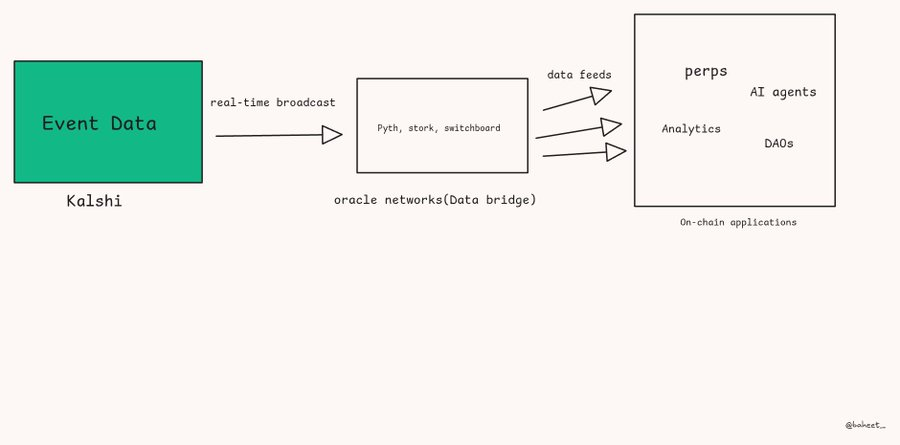
通过与 Pyth、Switchboard 和 Stork 等预言机网络合作,Kalshi 正在将其受联邦监管的中心化预测市场数据分发到多个区块链。这是一个经过深思熟虑的举措,旨在将其预测市场数据引入去中心化的 Web3 生态系统。

  • Pyth Network:

  • @PythNetwork 的合作使 Kalshi 能够将实时、受监管的预测市场数据流传输到超过 100 条区块链上。开发者现在可以利用 Kalshi 的概率数据用于 DeFi 应用、风险建模等场景。
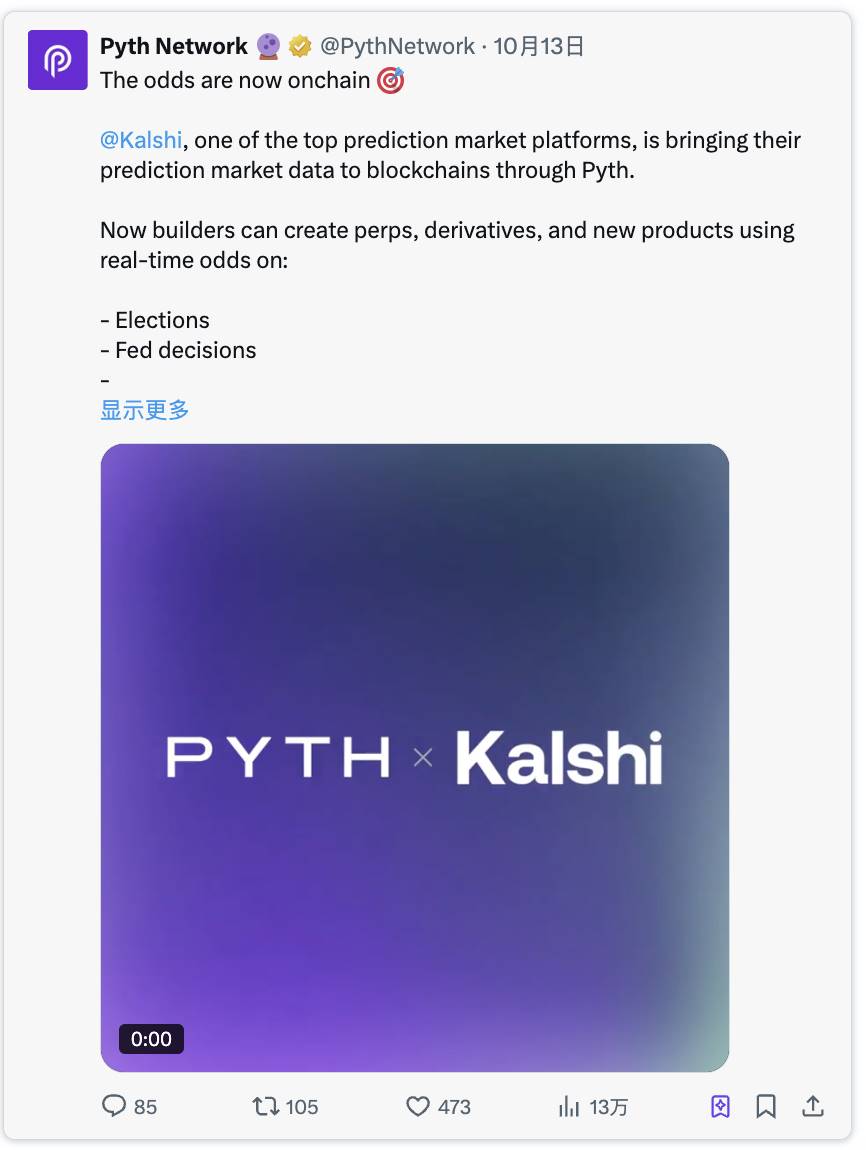
原推文链接:点击此处

  • Stork:Kalshi 与 @StorkOracle 的开放数据市场合作进一步增强了 Kalshi 数据在 Web3 生态系统中的可用性。

原推文链接:点击此处

  • Switchboard:@switchboardxyz 预言机也宣布支持并集成 Kalshi 的数据。
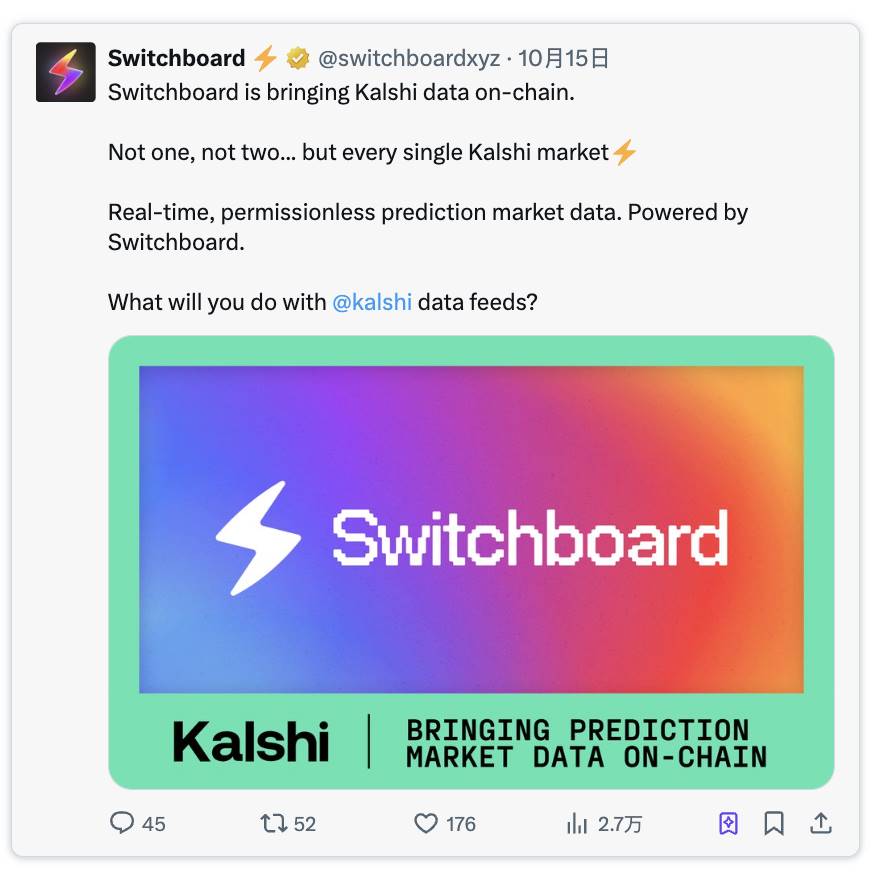
原推文链接:点击此处

这种策略不仅帮助 Kalshi 将其影响力扩展到自身平台之外,还帮助其保持受监管地位,这正是其与主要链上竞争对手@Polymarket 的关键区别。

Kalshi 的战略意义

  1. 扩大影响力:通过多重预言机网络分发数据,Kalshi 确保其受监管数据能被更多 Web3 开发者、机构和去中心化应用(dApps)使用,覆盖多个区块链。

  2. 赋能 DeFi 产品:Kalshi 的实时市场概率数据可作为新型 DeFi 工具的构建模块,包括衍生品、保险市场、游戏机制和治理系统。

  3. 充当“裁判”角色:凭借其强大的受监管数据流,Kalshi 有潜力成为去中心化预测市场的可信仲裁者,为依赖其数据进行结算的市场提供信任,提升整个生态系统的可信度。

  4. 保持竞争力:这种策略使 Kalshi 能更有效地与完全链上化的平台(如 Polymarket)竞争。通过结合受监管地位和链上集成,Kalshi 能提供两者的优势。
Solana 和 Base 的生态系统中心

为了支持基于其数据和平台开发的应用,Kalshi 首先与 @solana@base 合作推出了 @KalshiEco 生态中心。

这一计划提供了资助、技术支持和资源,吸引开发者、交易者和创作者进入预测市场领域,推动链上和链下的创新。

与 Polymarket 对比:Kalshi 的优势何在?

Kalshi 和 Polymarket 之间的竞争不仅仅在于市场份额;这两个平台显然占据主导地位。
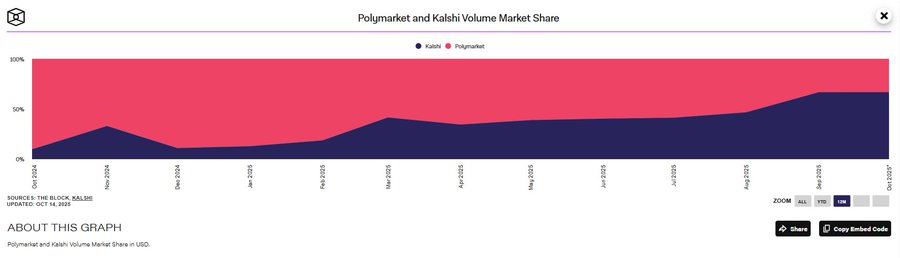
坦率地说,这更像是一种哲学的冲突。

  • Kalshi 的方法论:以合规为核心,推动预测市场的机构化发展。这种方法自公司创立以来就贯穿始终。

  • Polymarket 的方法论:代表了加密原生的实验性前沿,最初建立在 Polygon 区块链上,允许用户在广泛的话题上交易,但由于非托管模式带来的监管风险,最终在美国被禁。

虽然 Polymarket 现在也走上了合规之路并获得了机构支持,但 Kalshi 的合规优先策略和长期的机构支持使其在吸引主流用户和更大资本流动方面占据了显著优势。

我认为 Kalshi 目前比 polymarket 具有一些优势;

  1. 更广的覆盖范围和合法性:通过多个预言机网络分发数据,Kalshi 的受监管数据覆盖范围更广,能够成为 DeFi 中真实世界事件数据的基础“真相来源”,提升其合法性和影响力。

  2. 主流用户的采用:Kalshi 与 Robinhood 等传统经纪公司合作,吸引了更广泛的非加密原生用户,在预测市场领域占据了更大的市场份额。

  3. 混合模式:虽然 CT 上的争论经常将 Kalshi 和 Polymarket 经常被看作对立面,但两者都在向混合模式发展。Kalshi 正通过上链创新吸引 Web3 社区,而 Polymarket 通过获得美国监管许可吸引更多机构资本。尽管如此,Kalshi 长期以来的合规基础仍然是一个持久且值得信赖的优势。

展望:Kalshi 的下一阶段

我相信,Kalshi 当前的发展势头以及最近的融资轮次,已经为其下一阶段的战略方向指明了清晰的路径。

在我看来,基于其强大的监管基础和日益增长的链上布局,Kalshi 的下一阶段应该包括以下几个方面:

  1. 增加机构采用: Kalshi 应通过更多的合作伙伴关系,将其数据流进一步整合到主流金融系统中。Polymarket 在获得洲际交易所(ICE)支持时精准抓住了关键点,而 Kalshi 应该瞄准类似甚至更大规模的合作。这将吸引更多的机构流动性,并将预测市场确立为一种新型金融衍生品类别。

  2. 全球扩张与本地化:Kalshi 已经扩展到 140 个国家,但平台还应利用其最新的融资和链上基础设施,加速开拓更多国际市场,并根据当地的监管框架和用户偏好量身定制其产品。

  3. 多样化产品供应: Kalshi 应继续在其产品阵容上进行创新,例如扩展复式投注(parlay-style wagers)、支持标量市场(scalar markets),以及基于事件结果开发更高级的金融产品。

  4. 增强对 Web3 生态系统发展的支持:

Kalshi 应进一步支持其生态系统,通过提供更多开发者工具、专项资助和资源,鼓励基于其受监管事件数据的创新去中心化应用(dApps)。这将巩固其作为基础设施提供商的角色,而不仅仅是一个市场平台。

结论

Kalshi 的这一扩展为开发者提供了独特的机会。开发者现在可以基于一个稳健、受商品期货交易委员会(CFTC)监管的数据源进行构建,从而确保其应用的完整性和合法性。

Kalshi 的这一举措赋予开发者信心,让他们能够安心开发产品,因为他们的解决方案依托于一个合规且高质量的数据源。

以下是一些我能想到的应用创意:

  1. DeFi 工具:利用 Kalshi 的数据创建新的永续期货、期权和利率互换产品,这些工具可根据经济指标(如 CPI 或利率决策)触发。

  2. 套利工具:开发 AI 代理和专业数据仪表盘,利用 Kalshi 的数据识别不同市场之间的定价差异,为信息套利提供新的机会。

  3. DAO开发自动化治理机制,其中投票权或提案的权重可以基于 Kalshi 提供的市场概率,例如项目里程碑、产品发布甚至内部预测。

@KalshiEco 的推出及其资助计划,向开发者社区发出了清晰的邀请。

这一时刻为构建和塑造预测市场的未来提供了独特的机会,将其从一个投机性项目转变为金融和信息基础设施的重要组成部分。

我相信,那些抓住这一契机进行创新的开发者,将站在这一变革的最前沿。

让我们共同打造下一代金融应用!
Похожее

$30 Billion DeFi Capital Exodus: LayerZero Stumbles, Chainlink Feasts

Following the major DeFi security incident involving Kelp DAO, a significant migration of funds is underway from the cross-chain protocol LayerZero to Chainlink's CCIP (Cross-Chain Interoperability Protocol). Over $30 billion in Total Value Locked (TVL) from protocols like Kelp DAO, Solv Protocol, Re, and Tydro has moved to Chainlink in the past week, driven by security concerns. LayerZero is facing a severe trust crisis after the attack. Initially denying responsibility, LayerZero Labs has now issued a public apology, acknowledging management oversights. These include a vulnerable "1/1" single-node configuration for its Decentralized Verification Network (DVN) and past misuse of a multi-signature wallet by a team member. The protocol's weekly bridge volume has slumped to near-historic lows of around $470 million. In contrast, Chainlink is experiencing a surge in adoption and activity. Its independent active addresses recently hit multi-month highs, and whales have been accumulating LINK tokens. Beyond DeFi, Chainlink is securing partnerships with traditional finance giants like DTCC, European stock exchange operator SIX Group, and asset manager Amundi. While LayerZero has announced security upgrades—such as migrating to stronger multi-signature configurations and developing a second DVN client—and contributed to a rescue fund, the event underscores that security is becoming a decisive competitive factor as DeFi matures.

marsbit24 мин. назад

$30 Billion DeFi Capital Exodus: LayerZero Stumbles, Chainlink Feasts

marsbit24 мин. назад

The $13 Trillion Repo Market Is Quietly Being Rewritten by Blockchain

The $13 trillion repurchase agreement (repo) market, a crucial artery for global short-term funding, is experiencing a significant transformation through blockchain technology. After years of limited impact in finance, blockchain is finding substantial adoption in repo transactions. Major institutions like JPMorgan Chase, HSBC, and Broadridge are deploying tokenized repo platforms, with daily volumes already reaching tens of billions of dollars. Traditional repo markets operate with fixed hours, rely on intermediaries, and involve manual, time-consuming processes. Tokenized repos, by contrast, use blockchain to create digital tokens representing cash and securities collateral. This enables near-instantaneous settlement, 24/7 trading, automated execution, and enhanced auditability. The key drivers for adoption include maturing technology, more receptive regulators, and growing client recognition of tangible benefits like reduced operational friction and capital efficiency. Analyses, such as one from Broadridge, indicate that moving a portion of repo activity onto blockchain can significantly reduce a bank's required liquidity buffers, potentially freeing up billions in capital. The infrastructure is also seen as foundational for a future of round-the-clock trading for traditional assets. Challenges remain, including the existence of fragmented blockchain networks, the need for stress testing under extreme market conditions, and the loss of operational flexibility compared to manual processes. However, the industry consensus is that these are implementation hurdles. Tokenized repo has moved beyond pilot stages to become one of blockchain's most concrete and impactful applications in traditional finance, marking a pivotal shift in how a core market functions.

marsbit24 мин. назад

The $13 Trillion Repo Market Is Quietly Being Rewritten by Blockchain

marsbit24 мин. назад

From Gas Limit to 'Keyed Nonces', How to Understand the Next Step in Ethereum Scalability?

Ethereum’s scalability efforts are shifting toward a user-centric approach—focusing not only on higher TPS, but on translating technical upgrades into lower costs, smoother operations, and better wallet experiences. Two recent developments highlight this direction: - **Raising the Gas Limit to 200 million**: Following the Fusaka upgrade that increased it to 60 million, a consensus has formed around a potential future increase to 200 million. This would boost Ethereum’s execution capacity, but it is planned alongside other upgrades—such as ePBS, Block-Level Access Lists (BAL), and EIP-8037—to manage state growth and keep node operation viable for average participants. - **Keyed Nonces (EIP-8250)**: This proposal aims to improve how transactions are queued. Instead of a single linear nonce per account, it introduces multiple independent nonce domains. This prevents different types of transactions—such as private payments, session keys, or batch operations—from blocking each other. Vitalik Buterin views this as a foundational step toward better privacy support and more flexible state scalability. Together, these upgrades are part of a broader move to push complexity from wallets, DApps, and relays back into the protocol layer. For everyday users, this means future Ethereum interactions could become less congested, more intuitive, and safer—especially as core improvements in account abstraction, cross-L2 interoperability, and node decentralization continue to progress. Ultimately, Ethereum is evolving to handle not just more transactions, but more varied and complex on-chain use cases while preserving its decentralized foundation.

marsbit47 мин. назад

From Gas Limit to 'Keyed Nonces', How to Understand the Next Step in Ethereum Scalability?

marsbit47 мин. назад

Торговля

Спот
Фьючерсы
活动图片