Examining Crypto Market Cap Predictions for 2030

ambcryptoОпубликовано 2025-07-29Обновлено 2025-07-30

By the end of the decade, the crypto world could be worth $10 or even $12 trillion. That’s the forecast, and it isn’t just wishful thinking. A flood of money from big institutions, genuine leaps in technology, and governments finally writing the rulebook are all pushing it there.

Of course, the wild price swings aren’t going away overnight. However, the bigger picture shows an industry growing out of its chaotic childhood and starting to redraw the map of money itself.

Wall Street’s arrival changes everything!

The biggest change is who’s buying.

Wall Street is finally here in force. Spot Bitcoin ETFs gave big money managers a safe, government-approved bridge into crypto, and they’re walking across it. The next logical step is for similar funds to pop up for coins like Ethereum and Solana. Ark Invest’s Cathie Wood did the math – If institutions put just 6.5% of their portfolios into Bitcoin, the price would explode. Those ETFs alone could soon hold a huge chunk of all Bitcoin in existence.

It’s not just funds, either. Companies are starting to hold Bitcoin on their balance sheets to fight inflation. MicroStrategy and Metaplanet are the best examples. And, it’s not just Bitcoin. In fact, of late, ETH has emerged as a popular instrument for company’s treasury reserves too.

Now, the real giants—pension funds—are slowly testing the waters, and their entry could mean trillions in new cash. This isn’t just about making prices go up. Instead, it’s about bringing in serious players who might finally calm the market’s infamous mood swings.

Thanks to the same, the cumulative crypto market cap has surged. Consider this – In the last 2 years alone, the market has seen its value climb by 278%. Since Bitcoin’s halving in April 2024, figures for the same have risen by 79%.

At the time of writing, the total crypto market cap was valued at $3.8 trillion.

Source: TradingView

Global rulebook tug-of-war

Around the world, governments are scrambling to figure out what to do with crypto, and they’re not agreeing. In America, there’s a real push for clarity. The FIT21 Act, which already cleared the House, tries to end the turf war between the SEC and CFTC over who controls what. This kind of clear rulebook is exactly what big investors have been waiting for. The European Union is a step ahead with its MiCA regulations, which went live at the end of 2024, creating one single set of rules for the entire bloc to protect consumers and the system.

Then you have China, which is going in the complete opposite direction. Beijing continues to suppress crypto trading while pushing its own state-controlled digital yuan. This global split creates a messy map, but the clear rules emerging in the West are likely to build the confidence needed for the next wave of money to flow in.

Booming niches within the crypto space

The whole market won’t rise on its own; small, supercharged corners of the crypto world are set to boom. Decentralized Finance, or DeFi, could easily become a $231 billion industry as people and institutions get comfortable with banking without a banker. NFTs are breaking out of the art gallery and into video games, music rights, and even property deeds, potentially growing into a $211 billion space.

Gaming itself is being flipped on its head by “play-to-earn” models, a market that some think could hit an astronomical $600 billion. But the real behemoth might be turning physical things, like office buildings or gold bars, into digital tokens. That idea alone—tokenizing real-world assets—is seen as a $16 trillion prize that could finally weld the old world of finance to the new.

Outside forces and inner demons

Crypto no longer lives in its own bubble. Decisions made by the Federal Reserve about interest rates now hit Bitcoin’s price just as they hit the stock market, showing how tied together everything has become. The idea that Bitcoin is a totally separate safe haven is getting harder to defend. Beyond the global economy, crypto has plenty of its own demons to fight.

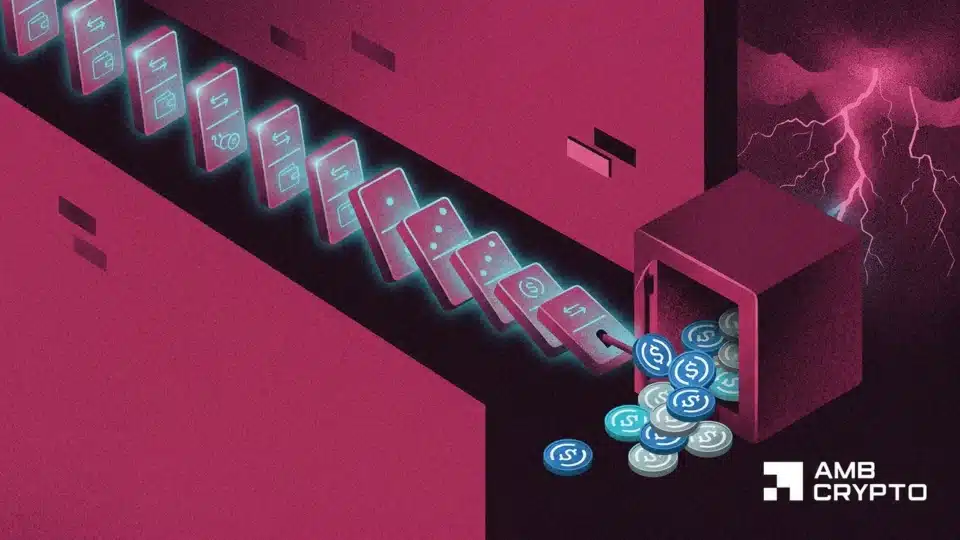
The sudden death of a major exchange, a bug in a smart contract that gets drained of millions, or a key stablecoin losing its dollar peg—any of these could send shockwaves through the system. Looming further out is the quantum computing threat, a doomsday scenario where future machines could simply crack the codes that keep blockchains secure today.

Crypto’s green revolution

For years, crypto’s dirty secret was its massive electricity bill, especially from Bitcoin mining. That environmental cost scared away a lot of investors who care about where their money goes. However, the tide turned when Ethereum, the second-biggest crypto, completely overhauled its system.

With a change called “Proof-of-Stake,” it slashed its energy use by over 99.9%. That single move showed the whole industry it was possible to be green. Now, a flood of money from ESG-focused funds, which was once off-limits, is looking for a home in this more sustainable corner of the crypto world.

Glimpse of the 2030 financial system

So, what will the crypto landscape look like in 2030? It will be bigger, messier, and woven into the fabric of our financial lives. Nobody knows for sure which coins will win, but the roles are becoming clearer. Bitcoin seems destined to be the digital equivalent of gold—a bedrock savings account for the entire ecosystem.

Ethereum is on track to become the world’s decentralized computer, the base layer where new financial tools are built.

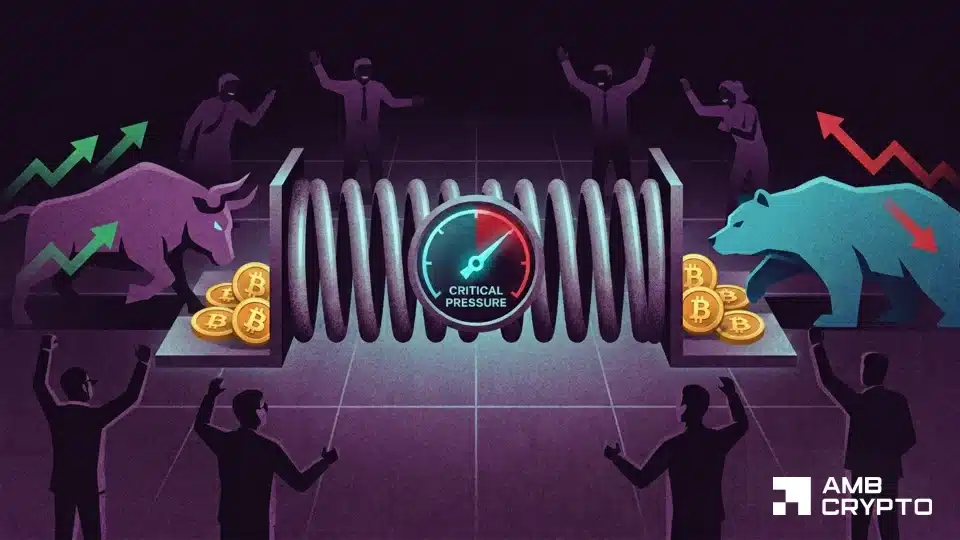
Behind them, a handful of hyper-specialized altcoins will likely solve very specific problems for very specific industries. The road to a $10 trillion market won’t be a straight line; it will be a rollercoaster of breathtaking highs and terrifying drops.

However, with big money, new rules, and relentless innovation all colliding, the stage is set for a decade that will redefine what money is and what it can do.

Share

Похожее

Биткоин на отметке $62 тысяч: почему CoinShares предупреждает, что ‘это все еще выглядит как начальная стадия формирования дна’

После продолжительного снижения Bitcoin начал стабилизироваться, однако макроэкономические факторы по-прежнему препятствуют долгосрочному восстановлению. Согласно отчету CoinShares, недавний отскок цены до уровня около $62 000 был спровоцирован слабым отчетом по занятости в США за июнь, что снизило ожидания скорого повышения ставок ФРС. Это привело к падению доходности казначейских облигаций, сделав криптоактивы относительно более привлекательными. Тем не менее, аналитики предупреждают, что это лишь краткосрочная реакция рынка, а не начало устойчивого роста. Денежно-кредитная политика ФРС остается сдержанной. Продажи крупными держателями (китами), оказавшие давление на рынок в 2025 году, в основном прекратились, но сохраняются другие проблемы: геополитическая неопределенность, отток капитала из биткойн-ETF в пользу AI-фондов и потенциальное давление со стороны продаж Strategy. Открытый интерес растет, что указывает на высокий уровень левериджа и риск резких ценовых движений. CoinShares заключает, что текущая ситуация больше похожа на раннюю стадию формирования дна, а не на начало нового устойчивого бычьего тренда.

ambcrypto57 мин. назад

Биткоин на отметке $62 тысяч: почему CoinShares предупреждает, что ‘это все еще выглядит как начальная стадия формирования дна’

ambcrypto57 мин. назад

PEPE обгоняет DOGE, но отстает от BONK – В чем истинная причина 14%-го роста

За последние 24 часа цена мемкоина PEPE выросла на 14,06%, достигнув $0,00002808, а его рыночная капитализация составила $1,16 млрд. Объем торгов увеличился на 49,6% до $274,5 млн, что указывает на возобновление интереса со стороны рынка. Рост в основном поддерживался спотовыми покупателями: объем спотовых торгов вырос на 80,46%, опередив рост фьючерсного объема (69,27%). Это говорит о притоке реального спроса, а не только о спекуляциях с плечом. Открытый интерес по фьючерсам также увеличился на 21,60%. Среди других мемкоинов PEPE показал себя лучше DOGE, но уступил BONK по темпам роста торговой активности. С технической точки зрения, PEPE восстановился после уровня поддержки $0,0000231 и приблизился к ключевому сопротивлению $0,0000300. Индекс относительной силы (RSI) находится на уровне 55,96, что указывает на улучшение покупательной способности без признаков перегрева. Успешный прорыв выше $0,0000300 может открыть путь к следующей цели в районе $0,0000400.

ambcrypto1 ч. назад

PEPE обгоняет DOGE, но отстает от BONK – В чем истинная причина 14%-го роста

ambcrypto1 ч. назад

Еженедельная разблокировка токенов: PUMP начинает разблокировку для команды и инвесторов.

**Pump.fun** Проект: Pump.fun - платформа для запуска мем-токенов в сети Solana. Ключевое событие: Начало разблокировки токенов для команды и инвесторов. Объем разблокировки: 82.5 млрд токенов PUMP. Примерная стоимость: Около 130 млн долларов США. Описание: Стартовал процесс вестинга, что может оказать влияние на рыночное предложение токена. **Hyperliquid** Проект: Hyperliquid - высокопроизводительный блокчейн, цель которого - создание полностью ончейн-открытой финансовой системы. Ключевое событие: Предстоящая разблокировка части токенов. Объем разблокировки: 450 тыс. токенов HYPE. Примерная стоимость: Около 31.98 млн долларов США. Описание: Разблокировка является частью запланированного графика выпуска токенов проекта. Оба события представляют собой значительные выпуски токенов на рынок в течение недели, что является важным фактором для инвесторов.

marsbit2 ч. назад

Еженедельная разблокировка токенов: PUMP начинает разблокировку для команды и инвесторов.

marsbit2 ч. назад

‘Может не решить структурные проблемы’ – Galaxy против плана JPMorgan по размытию доли Strategy

Galaxy Research выступила с критикой нового плана компании Strategy по продаже биткоинов на сумму $1,25 млрд, заявив, что он может не решить структурные проблемы фирмы. Алекс Торн, глава исследовательского отдела Galaxy, отметил, что хотя рынок положительно отреагировал на план, у Strategy остаются значительные обязательства и большой объем привилегированных акций. В ближайшие два года компании предстоит выплатить $6,7 млрд по конвертируемым облигациям, а продажа BTC может ослабить её акции (MSTR и STRC). В качестве альтернативы Galaxy предлагает Strategy рассмотреть возможность получения дохода от своего биткоин-резерва (847 363 BTC) без прямой продажи, например, через кредитование BTC или опционные стратегии. Этот "средний путь", уже опробованный Metaplanet, позволил бы генерировать денежный поток, не размывая капитал акционеров MSTR и не продавая BTC. В отличие от этого, JPMorgan рекомендовал Strategy увеличить резервный денежный буфер до 2-3 лет за счёт дополнительной эмиссии акций MSTR.

ambcrypto2 ч. назад

‘Может не решить структурные проблемы’ – Galaxy против плана JPMorgan по размытию доли Strategy

ambcrypto2 ч. назад

Как уязвимость смарт-контракта Hinkal Protocol привела к хищению 820 тысяч долларов в USDC

Эксплойт в протоколе конфиденциальности стабильных монет Hinkal привел к потере 820 000 долларов США в USDC из-за уязвимости в смарт-контракте. Злоумышленник, манипулируя функцией `prooflessDeposit()` и выполняя серию вызовов `transact()`, смог извлечь средства, которые не должны были быть доступны. Инцидент указывает на ошибку в реализации кода, характерную для рисков DeFi, и подчеркивает, как такие уязвимости ведут к значительным финансовым потерям. В 2026 году наблюдается рост числа подобных атак, включая эксплойт MEV-бота на 7,5 млн долларов и манипуляцию с flash loan в Edel Finance на 403 000 долларов. За последние полгода зафиксировано 207 взломов, хотя общий ущерб (948,13 млн долларов) снизился по сравнению с первой половиной 2025 года (2,3 млрд долларов).

ambcrypto4 ч. назад

Как уязвимость смарт-контракта Hinkal Protocol привела к хищению 820 тысяч долларов в USDC

ambcrypto4 ч. назад

Торговля

Спот
活动图片