Автор | Алфавит ИИ
260 миллиардов долларов — такова новая цена, которую рынок капитала назначил компании в сфере AI-программирования Cognition.
В сентябре прошлого года Cognition AI только что перешагнула порог оценки в 100 миллиардов долларов, и в то время она уже была похожа на легенду Силиконовой долины.
Трое молодых основателей китайского происхождения, вместе получившие 5 золотых медалей Международной олимпиады по информатике, собрали прототип «первого в мире AI-инженера программного обеспечения» Devin в арендованном жилье, и всего за два с лишним года после основания компании её оценка взлетела до 100 миллиардов долларов.
Китайцы, олимпиады, Гарвард, MIT, уход из университета ради стартапа, AI Agent… Каждая из этих меток достаточно привлекательна, и Cognition, безусловно, можно считать одной из самых интересных в плане истории компаний на рынке AI-программирования.
Теперь эту историю рынок капитала продвинул ещё на шаг вперёд.
Согласно Bloomberg, компания Cognition AI, стоящая за Devin, привлекла более 10 миллиардов долларов нового финансирования, а её постденежная оценка достигла 260 миллиардов долларов. Раунд возглавили Lux Capital, General Catalyst и 8VC, в нём также участвовали Ribbit Capital, Atreides Management, Founders Fund и другие. Cognition официально подтвердила этот раунд финансирования и новую оценку.

То есть спустя всего 8 с лишним месяцев после предыдущей оценки в 102 миллиарда долларов, оценка Cognition выросла в 2,5 раза.
01 Капитал покупает не просто AI-программиста
В этом раунде финансирования ведущие инвесторы весьма показательны.
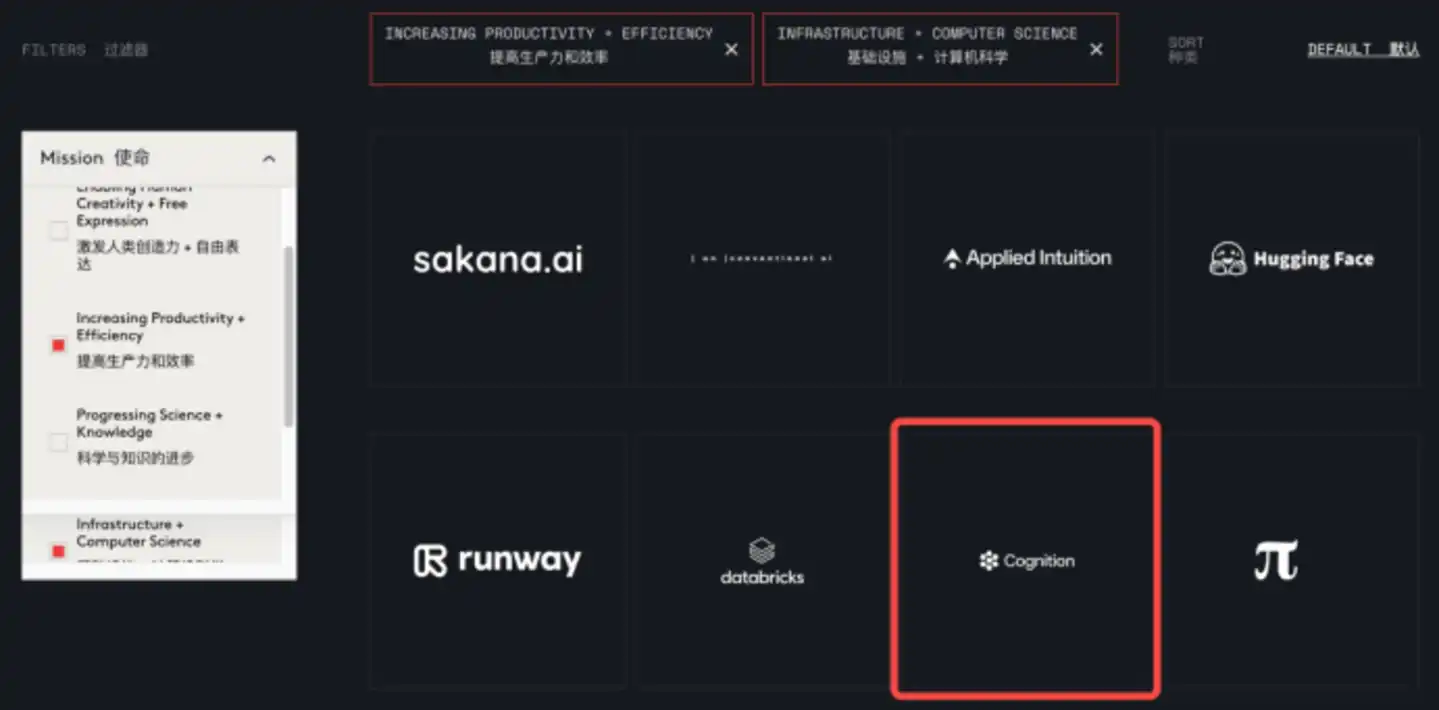
Lux Capital — это легко узнаваемый в Силиконовой долине венчурный фонд, инвестирующий в хардтек, он давно вкладывает в такие «довольно серьёзные» проекты, как передовые науки, глубокие технологии, ИИ, робототехника, аэрокосмическая отрасль, оборона и вычислительная инфраструктура. На своей странице инвестиций Cognition отнесена к направлениям «повышение производительности + инфраструктура + компьютерные науки».
Можно сказать, что Lux Capital инвестирует в Cognition, видя в ней возможность превращения AI Agent в инфраструктуру для разработки программного обеспечения.
General Catalyst же фокусируется на возможностях трансформации бизнес-процессов с помощью ИИ. Эта компания не просто традиционный венчурный фонд, на своём сайте она называет себя «глобальной инвестиционно-трансформационной компанией», в последние годы делая акцент на трансформации, то есть на использовании капитала, операционной деятельности и корпоративных связей для продвижения изменений в традиционных отраслях и крупных организациях.
Помимо Cognition, General Catalyst также удваивает ставки на Anthropic. За последний год она последовательно участвовала в нескольких крупных раундах финансирования Anthropic.
Компания 8VC, также возглавлявшая раунд, несёт в себе потенциал для развёртывания в государственных структурах и крупных предприятиях. Этот фонд давно делает ставки на «инфраструктуру корпоративного программного обеспечения в сложных организациях», а в списке клиентов Cognition уже появились такие клиенты с сильным государственным или общественным оттенком, как Армия США, ВМС США, NASA. Участие 8VC в качестве со-лидера подтвердило повествование Cognition.
Помимо трёх компаний-лидеров раунда, существующий акционер Cognition — Founders Fund — также продолжил увеличивать свою долю. Раунд финансирования на сумму около 4 миллиардов долларов в 2025 году возглавил именно Founders Fund, тогда постденежная оценка составила около 102 миллиардов долларов. Эта компания была основана при участии Питера Тиля, её инвестиционный стиль всегда был довольно агрессивным, предпочитая технологические компании, способные перестроить отраслевую структуру, например, она инвестировала в SpaceX, Palantir, Anduril, Stripe, OpenAI и т. д.
Lux Capital давно делает ставки на хардтек и передовые вычисления, General Catalyst специализируется на корпоративном ПО и трансформации крупных организаций, 8VC несёт в себе ген корпоративного ПО и государственного рынка, а Founders Fund — один из старых акционеров Cognition. Одновременное появление этих типов капитала в списке инвесторов Cognition достаточно ясно показывает, что венчурные инвесторы уже не рассматривают Cognition просто как компанию-разработчика инструментов, а как кандидата на роль инфраструктуры для разработки ПО следующего поколения.
Постденежная оценка в 260 миллиардов долларов полностью доказывает уверенность рынка, а главная причина, по которой капитал готов продолжать завышать цену, — это рост.
Cognition представила очень убедительные данные по монетизации: использование корпоративными клиентами с начала этого года выросло более чем в 10 раз, доходность по текущему темпу (run-rate) подскочила с 37 миллионов долларов в мае прошлого года до нынешних 492 миллионов долларов, использование Devin на корпоративной стороне в последние 6 месяцев сохраняет месячный рост на 50%.
Хотя 492 миллиона долларов — это не подтверждённый годовой доход, а лишь экстраполированный годовой темп (run-rate) по текущему ритму получения доходов. Тем не менее, эта кривая достаточно впечатляющая. Инвесторы уже могут видеть, что корпоративные клиенты реально платят, реально используют, и объёмы использования продолжают быстро расти, что для компании, основанной в 2023 году, можно назвать легендарным.
Рынок AI-программирования действительно процветает. Код, задачи (issue), тесты, пулл-реквесты (PR), документация — это уже высокоцифровые объекты работы; выполнение задачи можно проверить через тесты, ревью кода и результаты развёртывания.
А для предприятий у команд разработки ПО всегда есть невыполненная работа, каждый пункт которой требует времени и дорого стоит (по крайней мере, почасовая ставка старших инженеров высока). Если AI Agent сможет стабильно взять на себя часть чётких, повторяющихся, проверяемых задач разработки ПО, он станет инженерной мощностью, за которую предприятия готовы платить.
За 260 миллиардами долларов на самом деле стоит суждение, которое покупает капитал: разработка программного обеспечения становится первой сферой работы, где AI Agent будет закупаться предприятиями в больших масштабах.
02 После взрывной популярности Devin реальность остудила пыл
Сначала Cognition прославилась благодаря, на тот момент казавшейся чрезвычайно смелой, идее.
До Devin инструменты AI-программирования в основном оставались на позиции «помощников». GitHub Copilot помогал программистам дописывать код, ChatGPT и Claude могли объяснять ошибки, генерировать функции, а Cursor помещал ИИ прямо в редактор, позволяя разработчикам писать и править одновременно.
Но Devin сделал большой шаг вперёд. Cognition напрямую определили его как «AI-инженера программного обеспечения», пользователю нужно лишь описать требования на естественном языке, например, разработать сайт, создать функцию приложения или исправить проблему в репозитории кода, а Devin сам разобьёт задачу, напишет код, исправит баги, пока проект не заработает.
В марте 2024 года, когда Cognition представила демонстрацию Devin, всё сообщество разработчиков загорелось. Его рекламировали как первого в мире AI-программиста, что в определённой степени сделало его одним из знаковых продуктов, действительно вышедших в мейнстрим в волне «vibe coding».
Основатели этой компании сами по себе несли историю: все трое — Скотт У, Стив Хао и Уолден Янь — китайского происхождения, выходцы из мира олимпиад по информатике, вместе они получили 5 золотых медалей IOI. Они не были традиционными предпринимателями, а скорее похожи на группу молодых людей, лучше всех умеющих писать код, пытающихся обучить другую сущность, которая тоже умеет писать код.

После релиза Devin компания быстро получила поддержку от ведущих венчурных фондов, таких как Founders Fund, Khosla Ventures, Bain Capital Ventures, и состав капитала быстро сформировался. Появились и корпоративные клиенты, такие имена, как Goldman Sachs, Citi, Ramp, постепенно стали связывать с Devin.
В июле 2025 года, когда Goldman Sachs внедрил Devin, заголовок Fast Company даже прямо гласил: «Новый AI-инженер Goldman Sachs никогда не спит». Речь шла именно о том, что в Agent легче всего впечатляет предприятия: он может работать круглосуточно 7 дней в неделю, ему не нужны смены, он не останавливается из-за ночи, выходных или разницы во времени.
Это был самый ранний пик славы для Cognition. Молодая команда, основатели китайского происхождения из мира олимпиад по информатике, AI Agent, который заявляет о способности выполнять задачи разработки ПО от начала до конца, плюс поддержка топовых венчурных инвесторов и крупных клиентов. Все элементы вместе почти составляли стандартное начало легенды Силиконовой долины об ИИ.
Когда дерево выше других, его срубят; когда история рассказывается слишком красиво, проблемы последуют за ней.
На раннем этапе популярность Devin во многом основывалась на демо компании. Когда внешние разработчики начали кадр за кадром анализировать и пробовать в реальных условиях, возникли и сомнения. Некоторые считали, что демонстрация Devin была тщательно отредактирована, опуская некоторые моменты, которые делали её неидеальной. Например, в демо был эпизод, где Devin подозревали в том, что он сам создал баг и сам же его исправил, но представленный эффект больше походил на то, что он просто последовательно выполнил задачу.
Devin на некоторое время погрузился в скандал с «фальсификацией» — его рекламный тон был слишком близок к тому, что ИИ уже может работать самостоятельно, но реальная инженерная среда гораздо сложнее демо.
Разработка программного обеспечения — это никогда не только написание кода, она включает понимание требований, суждение об архитектуре, запоминание контекста, командные стандарты и т. д., а также множество скрытых ограничений, не прописанных в задачах (issue). То, что Agent может запуститься, не означает, что он всегда будет двигаться в правильном направлении; он может генерировать код, но это не значит, что код стоит мержить.
После официального открытия доступа к Devin разрыв стал ещё более очевидным.
Первоначально цена была высокой, начиналась с 500 долларов в месяц. Но его производительность, казалось, не соответствовала такой высокой цене: Answer.AI непрерывно тестировал Devin в течение месяца, давая ему 20 реальных инженерных задач, и результат был таков: из 20 задач только 3 были успешными, 14 провалились, а 3 остались неопределёнными.
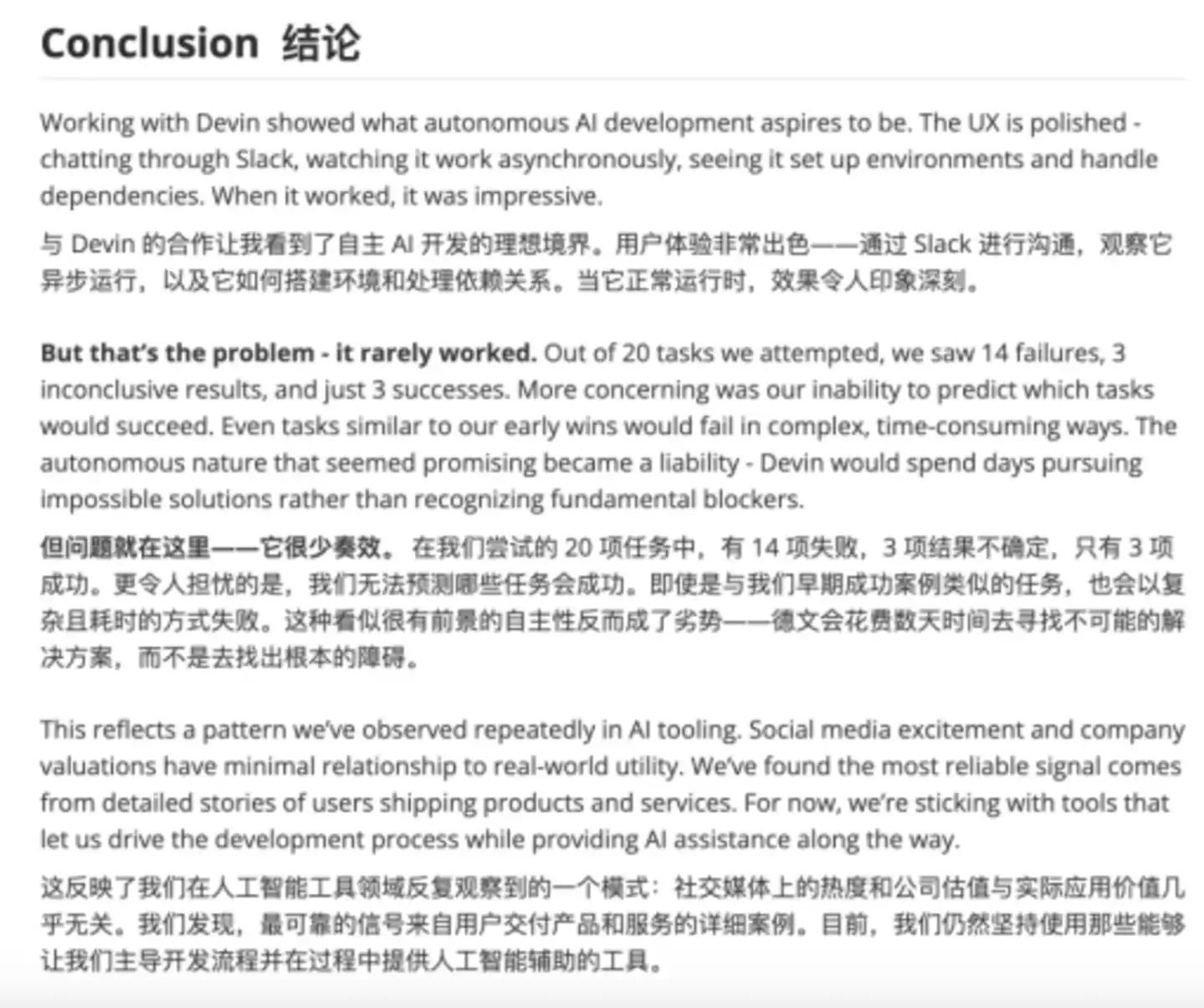
Самая большая проблема была не только в высокой частоте неудач, но и в их непредсказуемости.
Некоторые задачи, казалось бы, не такие сложные, но Devin уходил в тупик; некоторые задачи сами по себе были невыполнимы, но он продолжал пытаться; иногда он генерировал чрезмерно сложный, трудный для поддержки код, в итоге заставляя инженеров тратить ещё больше времени на проверку и исправление.
И при этом он был так дорог.
Cognition также осознала, что порог в 500 долларов в месяц слишком высок. В апреле 2025 года Cognition выпустила Devin 2.0, снизив стартовую цену с 500 до 20 долларов в месяц и внедрив более гибкую модель оплаты по мере использования (pay-as-you-go).
Но снижение цен — не панацея. Инструмент, созданный для повышения эффективности, в итоге заставлял тратить больше времени и сил, что было трудно оправдать.
Вот в чём заключалось основное противоречие автономных Agent на раннем этапе: чем больше ИИ похож на независимого инженера, тем больше пользователь должен ему доверять, но чем более «чёрным ящиком» он работает, тем больше проблем возникает, когда он сбивается с пути.
Devin обещал «передайте задачу мне», но многие реальные инженерные задачи не были готовы к такому раннему и полному делегированию. Тот факт, что Agent долго работает сам, а потом выдаёт вам PR, звучит продвинуто; но если качество PR нестабильно, затраты инженера на ревью становятся ещё выше.
Интересно, что на фоне этого контраста именно Cursor получил первую настоящую выгоду от разработчиков.
Потому что Cursor изначально не обещал замены программистам, его логика была более мягкой и больше соответствовала реальному рабочему процессу: ИИ помогает рядом — правит код, объясняет ошибки, рефакторит файлы, генерирует тесты, но разработчик остаётся в редакторе. Это как машина в автошколе — по крайней мере, можно нажать на тормоз, когда чувствуешь, что что-то не так.
Если бы история Cognition на этом остановилась, она могла бы превратиться в другую компанию, поднятую хайпом вокруг ИИ и опущенную на землю реальным пользовательским опытом, и тогда бы не было всего последующего.
Но, как уже говорилось, реальность часто сложнее, и сам рынок AI-программирования не стоял на месте.
После того как Devin взорвал воображение «AI-инженером ПО», а Cursor доказал, что разработчикам всё ещё нужен контроль, гиганты базовых моделей, такие как OpenAI, Google, Anthropic, также начали ускорять интеграцию способностей к программированию в свои продукты и платформы.
С одной стороны, более контролируемый маршрут IDE быстро расширялся, с другой — гиганты моделей начали спускаться на уровень приложений. Чтобы выжить, Cognition должна была что-то изменить.
Именно тогда она «подобрала» сокровище, оставшееся от Windsurf.

03 Держать в руках два направления, быть сильным в обоих
Борьба за Windsurf можно назвать одним из самых драматичных событий в области инструментов AI-программирования в 2025 году.
В то время Windsurf была уже весьма заметной компанией на рынке AI IDE. Изначально на неё положил глаз OpenAI, стороны долго вели переговоры о поглощении, и внешние наблюдатели уже считали сделку практически завершённой.
Однако эта сделка в итоге не состоялась, и одной из важных причин были сложные отношения сотрудничества между OpenAI и Microsoft. В то время Microsoft обладала широкими правами на технологии и продукты OpenAI, а под её крылом находился GitHub Copilot — важный конкурент на рынке AI-программирования. Windsurf опасалась, что в случае поглощения OpenAI её технологии и продукты могут быть вовлечены в рамки лицензирования между OpenAI и Microsoft и косвенно попасть к потенциальному конкуренту.
Как только OpenAI потерпел неудачу, Google быстро выступил на сцену.
Google за 2,4 миллиарда долларов получила неэксклюзивную лицензию на технологии Windsurf, одновременно забрав с собой в Google DeepMind CEO Windsurf Варуна Мохана, сооснователя Дугласа Чена, а также нескольких ключевых разработчиков.
Это произошло в пятницу, события развивались быстро. Google забрала основателей и часть ключевых технологических лицензий, OpenAI не смог завершить поглощение, а сама компания Windsurf, её продукт, бренд, клиенты и 250 сотрудников остались в очень неудобном положении.
Именно тогда на сцену эффектно вышла Cognition.
Инцидент произошёл в пятницу, а в понедельник она уже объявила о приобретении оставшихся активов Windsurf, включая сам продукт Windsurf IDE, интеллектуальную собственность, товарные знаки, бренд, базу корпоративных клиентов, пользовательские данные, а также большую часть оставшейся команды сотрудников.
Этот шаг стал практически ключевым для возвращения Cognition за игровой стол, он восполнил именно то, чего больше всего не хватало Devin: точки входа для разработчиков.
После поглощения Windsurf скорость коммерциализации Cognition явно ускорилась. На момент поглощения у Windsurf уже был ARR в 82 миллиона долларов и более 350 корпоративных клиентов; позже Cognition раскрыла, что эта сделка удвоила её ARR, а через 7 недель после поглощения объединённый корпоративный ARR вырос более чем на 30%.
Ранее Devin представлял более радикальный путь. Он предполагал, что пользователь передаёт задачу облачному Agent, который сам планирует, выполняет, отлаживает и в конечном итоге выдаёт результат. Но успех Cursor доказал, что разработчики не обязательно готовы сразу полностью делегировать задачу. Им привычнее оставаться в редакторе, наблюдая, как ИИ шаг за шагом правит код, и в любой момент брать управление на себя или корректировать.
А присоединение Windsurf добавило Cognition IDE, дав компании, наконец, не только одну форму продукта — «передачу задачи ИИ».
Она начала ходить на двух ногах: одна — это Devin, отвечающий за асинхронное выполнение задач в облаке, подходящий для обработки инженерных работ, которые можно разбить, проверить и сдать в виде PR; другая — это Windsurf, отвечающий за точку входа IDE, позволяющий разработчикам работать вместе с ИИ прямо в коде, покрывая повседневные сценарии разработки, где находится Cursor.
Если пользователь не доверяет полностью отдавать руль ИИ, пусть ИИ вернётся в редактор и станет контролируемым помощником; если у предприятия действительно есть много чётких, повторяющихся, проверяемых инженерных задач, требующих обработки, пусть Devin как «штатный сотрудник» забирает часть работы на фоне.
Cognition больше не стремилась только к универсальному, автономному, способному самостоятельно выполнять всю работу AI-программисту, она начала покрывать два реальных запроса в разработке программного обеспечения.
Как раз это создаёт контраст с недавно вызвавшим споры Antigravity 2.0: изначально Google делала IDE, но после обновления Antigravity интерфейс превратился в подобие менеджера Agent, перескочив с контролируемого IDE-сотрудничества на управление Agent по типу «чёрного ящика». Направление амбициозное, но снова легко сталкивается с проблемами раннего Devin.
Отдельные разработчики, покупая инструменты, часто смотрят на удобство, эффективность, цену и опыт; если инструмент неудобен, от него быстро отказываются. Но предприятия покупают процессы и производственные мощности, и если Agent может войти в существующую инженерную систему и стабильно выдавать результаты по части задач, у него есть шанс стать статьёй бюджета.
Именно здесь наиболее явно изменилось повествование Cognition в дальнейшем.
Ранний Devin был похож на AI-программиста в свете софитов, стремящегося доказать, что может писать код как человек-программист (при этом не отдыхая). Более поздняя Cognition была больше похожа на продавца системы автоматизации корпоративной инженерии: Devin отвечает за асинхронное выполнение, Windsurf — за точку входа для разработки, а корпоративные клиенты встраивают их в свои процессы разработки ПО.
Согласно последнему интервью TechCrunch от 29 мая, CEO Скотт У явно отодвигает Devin от нарратива «замены программистов». Когда его спросили, может ли Devin заменить программиста среднего уровня, его ответ был: «Да и нет».
Он подчеркнул, что Cognition никогда не позиционировала Devin как «замену людям», сама команда состоит из программистов и не хочет, чтобы программисты теряли работу. Он отметил, что способности Devin варьируются в зависимости от задачи, примерно на уровне от начинающего до среднего инженера; он лучше подходит для обработки многих длинных хвостовых задач по поддержке, которые программисты не любят делать, например, обновление старого ПО, миграция платформ и т. д., высвобождая инженеров из этой рутины и позволяя им заниматься более творческой работой.
Комбинация из двух ног как раз позволяет избежать слабостей отдельного продукта. Только Devin — легко кажется слишком радикальным, пользователи будут беспокоиться о неконтролируемости автономного Agent; только Windsurf — легко ввязывается в прямую конкуренцию с такими продуктами, как Cursor, Copilot, Claude Code, Codex. Но Devin плюс Windsurf дают Cognition более целостную историю: можно обслуживать и ежедневные сценарии написания кода разработчиками, и сценарии делегирования задач Agent предприятиями.
Данные, представленные Cognition в последнем раунде финансирования, также показывают, что её история получает проверку рынком.
Компания заявляет, что использование корпоративными клиентами с начала года выросло более чем в 10 раз, доходность по текущему темпу (run-rate) достигла 4,92 миллиарда долларов, а использование Devin на корпоративной стороне за последние 6 месяцев сохраняет месячный рост на 50%.
Такие клиенты, как Goldman Sachs, Mercedes-Benz, Citi, Dell, Cisco, NASA, Армия США, ВМС США, также позволяют её корпоративному нарративу не оставаться только на уровне демо.
Оценка в 260 миллиардов долларов — это не покупка рынком капитала уже идеально заменяющего программистов Devin, а возможность, появившаяся у Cognition после её поворота: на первом рынке внедрения AI Agent она может стать новой точкой входа для корпоративной разработки программного обеспечения.
Будущее разработки ПО, скорее всего, не вернётся полностью к эпохе, когда инженеры-люди писали код в одиночку, и не превратится сразу в полное автоматическое управление всем со стороны AI Agent. Более предсказуема гибридная система: человек в IDE определяет направление, ИИ помогает рядом; часть задач выделяется и передаётся облачному Agent для асинхронной обработки; код в конечном итоге всё равно должен тестироваться, проходить ревью, мержиться, и ответственность несёт человек.
Cognition делает ставку именно на эту промежуточную зону.