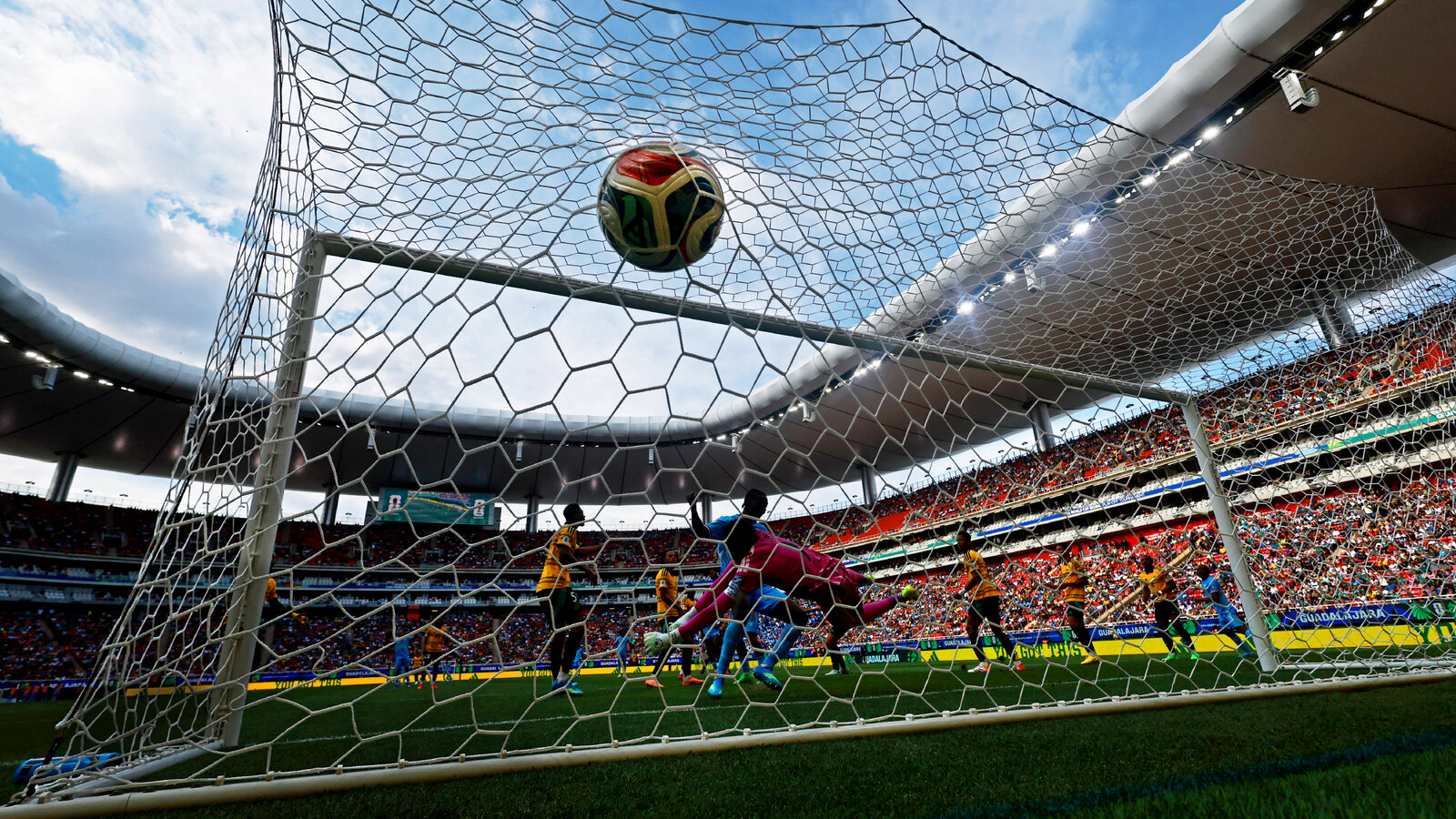
Карнавал рынка предсказаний ЧМ: общий оборот $33 млрд, половина средств ушла на аутсайдеров
Объем торгов на рынке прогнозов Polymarket, связанных с чемпионатом мира по футболу, превысил 33 миллиарда долларов, что более чем вдвое превышает показатели Суперкубка. Франция и Аргентина являются фаворитами как на победу в турнире (вероятности 23% и 21% соответственно), так и на выход в финал, что указывает на ожидания повтора финала 2022 года.
Парадоксально, что около 16 миллиардов долларов (почти половина общего объема) были вложены в аутсайдеров с шансами на победу 1% и ниже, таких как Кот-д'Ивуар, Мексика и Египет. Это объясняется уникальностью рынков прогнозов: высокая ликвидность контракта не отражает текущих ожиданий, а может быть следствием ранних ставок, спекуляций, хеджирования или незакрытых исторических позиций.
В то время как ставка на квинтет фаворитов (Франция, Аргентина, Испания, Англия, Португалия) обходится всего в 0,72 доллара за потенциальный выигрыш в 1 доллар, огромные средства остаются замороженными в маловероятных исходах.
Чемпионат мира стимулирует бум всей индустрии прогнозных рынков. Ожидается, что общий объем ставок на события турнира может достичь 100 миллиардов долларов. Активность распространилась и на внеспортивные контракты (политика, выборы), недельный объем торгов на которых вырос в 18 раз за год и достиг нового рекорда в 145 миллиардов.
Однако на фоне роста усиливается и регуляторное давление. Комиссия по торговле товарными фьючерсами США (CFTC) расследует деятельность Polymarket, что создает неопределенность для платформы, ранее уже сталкивавшейся с санкциями. Регуляторы стремятся четче определить границы между легальными контрактами на события и азартными играми.
Foresight News7 мин. назад