IBIT за неделю вывел 13 миллиардов долларов. Крупнейший ETF на биткоин превращается в стену продаж, которую быки должны преодолеть
Активность инвесторов в биткоин-ETF столкнулась с резким поворотом: фонд iShares Bitcoin Trust (IBIT) от BlackRock, крупнейший в США по биткоинам, стал источником значительного оттока средств. За неделю с 22 по 26 июня общий чистый отток из спотовых биткоин-ETF составил около 1,79 млрд долларов, причем на долю IBIT пришлось примерно 1,3 млрд долларов, или около 73% от общего объема. В последний торговый день недели весь чистый отток в 444,5 млн долларов также был обеспечен IBIT.
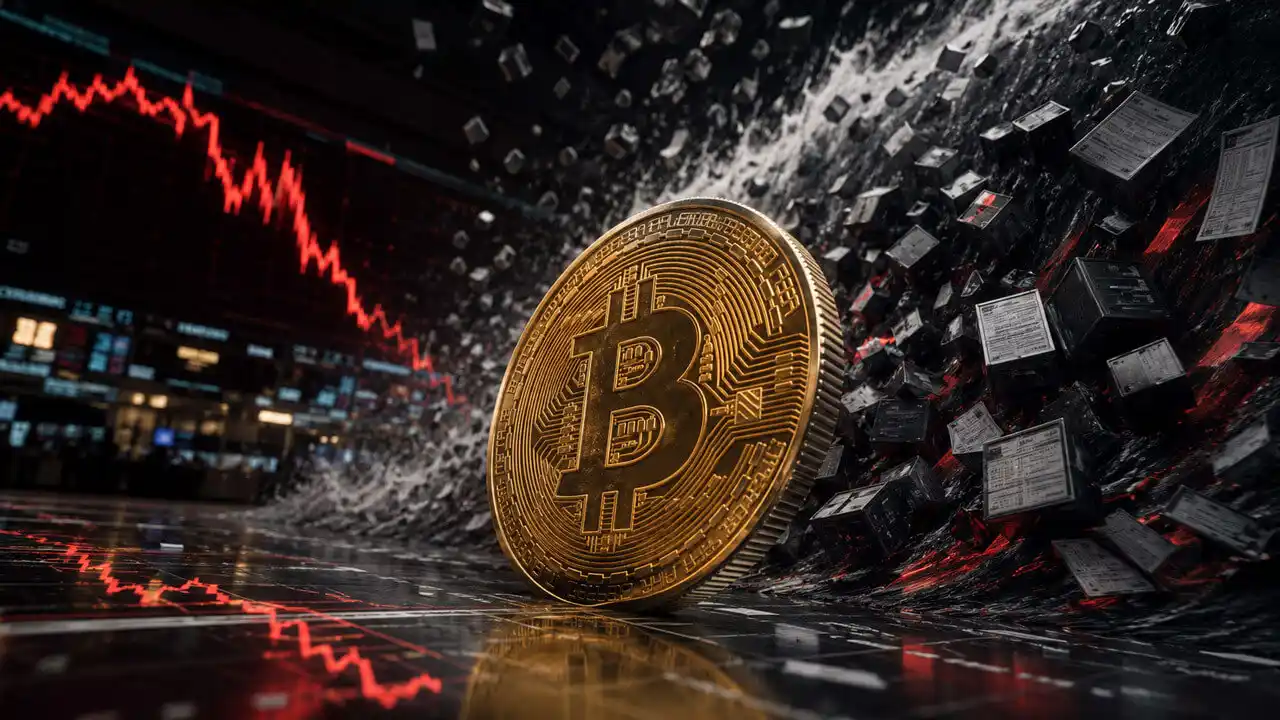
Этот концентрированный отток меняет рыночный контекст для биткоина, который в это время торговался около ключевого уровня в 60 000 долларов. Ранее ETF, особенно IBIT, рассматривались как основной канал для притока институциональных инвестиций, сокращающий доступное предложение и поддерживающий нарратив о растущем спросе. Теперь же крупнейший ETF демонстрирует, что этот же канал может работать и в обратном направлении, становясь источником структурного давления со стороны продавцов.
Объемы IBIT (активы под управлением около 44,87 млрд долларов) означают, что его отток оказывает существенное влияние на рынок. Если он продолжится, биткоину для восстановления потребуется преодолеть не только общее давление продаж, но и дополнительное давление от вывода средств из основного ETF. Механизм выкупа ETF может подразумевать как денежные расчеты, так и физическую продажу биткоинов, создавая риски для рынка.
Сценарии развития различны. Если отток из IBIT замедлится, а биткоин укрепится выше 59 000–62 000 долларов, текущую неделю можно будет считать этапом очистки рынка. Если же крупный отток продолжится и биткоин не сможет закрепиться выше 60 000 долларов, это укрепит новый нарратив: самый заметный инструмент для инвестиций в биткоин превратился в "стену продаж", и для дальнейшего роста потребуется активный спрос за пределами ETF-экосистемы. Следующие несколько торговых дней станут решающим тестом для этого сюжета.
marsbit1 ч. назад