В нарративе криптовалют 2026 года сочетание ИИ и физической инфраструктуры (DePIN) — то есть «воплощенный интеллект» (Embodied AI) — становится новым полем битвы. Рынок больше не удовлетворяется простыми хайповыми концепциями, а начинает искать практические сценарии применения.
В этой статье выбраны три наиболее популярных и репрезентативных проекта на текущем треке: peaq, PrismaX и OpenMind. Они занимают три различные экологические ниши в экономике робототехники. Мы отбросим маркетинговые лозунги и проанализируем их текущее состояние и потенциал на основе реальных данных и примеров.
TL;DR
- peaq ($PEAQ): Специализируется на сетевой инфраструктуре и токенизации активов. Ключевой момент — «реальный доход» (Real Yield), их автоматизированные фермы уже выплачивают денежные потоки держателям NFT. Текущая капитализация около 35 миллионов долларов, рынок рассматривает её как недооцененную инфраструктурную единицу.
- PrismaX: Специализируется на данных для обучения ИИ и взаимодействии человека и машины. Ключевой момент — финансирование в 11 миллионов долларов под руководством a16z и ожидание аирдропа «зарабатывайте очки, удаленно управляя роботами». Это решает самую稀缺ную проблему робототехники — «данные взаимодействия с физическим миром».
- OpenMind ($ROBO): Специализируется на операционных системах и дистрибуции приложений. Ключевой момент — нарратив «операционная система Android для роботов» и спорная высокая оценка в 400 миллионов долларов FDV. Они пытаются установить единый стандарт для магазина приложений для роботов.
1. @peaq : Сеть Layer-1, которая позволяет машинам зарабатывать
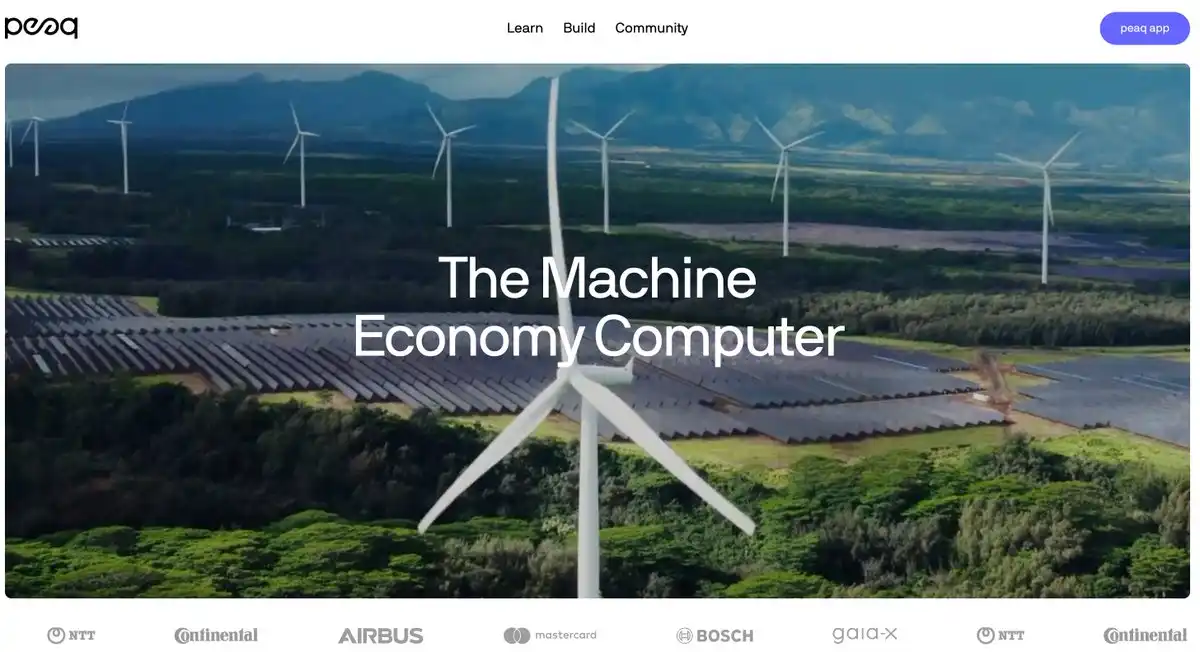
Позиционирование: Блокчейн Layer-1, разработанный для экономики машин (Machine Economy). Основная логика: Машины — это не просто инструменты, а экономические实体, которые могут иметь кошельки, подписывать сделки и зарабатывать доход. Это похоже на то, чтобы каждое устройство стало автоматическим заработывающим агентом.
Реальный пример 1: Токенизированная «робоферма»
В то время как большинство проектов DePIN все еще находятся на стадии продажи нод, peaq уже представила кейсы, генерирующие реальный денежный поток.
В конце 2025 года проект в экосистеме peaq запустил в Гонконге первую в мире токенизированную робоферму (Robo-farm), использующую автоматизированных роботов для выращивания гидропонных овощей. Её операционная логика очень проста и прямолинейна:
- Пользователи покупают NFT, представляющие доли в ферме.
- Роботы на ферме работают, выращивают и продают овощи.
- Доход от продаж (реальный доход в фиате) конвертируется в стейблкоины.
- Доход напрямую распределяется среди держателей NFT через блокчейн.
Согласно данным в блокчейне и отзывам сообщества, в конце января 2026 года эта ферма завершила первое распределение доходов:
- Сумма распределения: Крупный инвестор показал доход около 3820 USDT
- Годовая процентная доходность (APY): Расчеты ранних участников показывают около 18%
Эта модель «зарабатывает не на инфляции токенов, а на продаже овощей» для нынешних инвесторов криптоиндустрии, ищущих стабильность и низкие риски, является настоящим стимулом, демонстрирующим практическое применение RWA (активов реального мира).
Реальный пример 2: Партнеры и промышленная валидация
peaq сотрудничает с несколькими коммерческими гигантами:
- Bosch: Направление сотрудничества — IoT-датчики и децентрализованная идентификация (peaq ID), тестирование автоматической записи данных устройствами и их размещения в блокчейне, в будущем возможно оснащение бытовой техники или промышленного оборудования «кошельками» с завода.
- Mastercard: Исследование интеграции платежных шлюзов для соединения традиционных фиатных систем с машинными кошельками peaq (например, оплата кредитной картой после зарядки электромобиля, с расчетами через peaq в бэкенде).
- Airbus: Тестировали отслеживание цепочек поставок.
Эти сотрудничества пока в основном являются доказательством концепции (PoC) и еще не запущены в массовое коммерческое использование с generating огромной выручкой, но они доказывают, что технологические стандарты peaq соответствуют промышленным требованиям безопасности, что является несравненным преимуществом по сравнению с другими проектами.
Базовые показатели и рыночные performance (данные на 2026-02-15)
- Текущая цена: ~$0.019
- Рыночная капитализация (MC): ~$34.25 миллиона
- Оценка при полном разводнении (FDV): ~$78 миллионов
- Масштаб экосистемы: Уже запущено или разрабатывается от 50 до 60+ DePIN-приложений Экосистема соединяет более 2-5.2 миллиона физических устройств, роботов и датчиков Охват отраслей跨越了 21-22 отрасли, включая мобильность (зарядка EV, навигация), энергетику, телекоммуникации, сельское хозяйство и умные города
- Точки риска: Как Layer-1, токен в основном используется для Gas и стейкинга, требуется взрывной рост экосистемных приложений для поддержки цены; общее предложение велико (~4.3 миллиарда), возможно давление инфляции.
Преимущество peaq заключается в том, что бизнес-цикл уже работает, и есть поддержка промышленных гигантов. FDV менее 100 миллионов долларов, что является низкой оценкой по сравнению с другими инфраструктурными проектами ИИ, подходит для консервативного распределения средств в инфраструктуру.
2. @PrismaXai : Золотая жила данных с поддержкой a16z
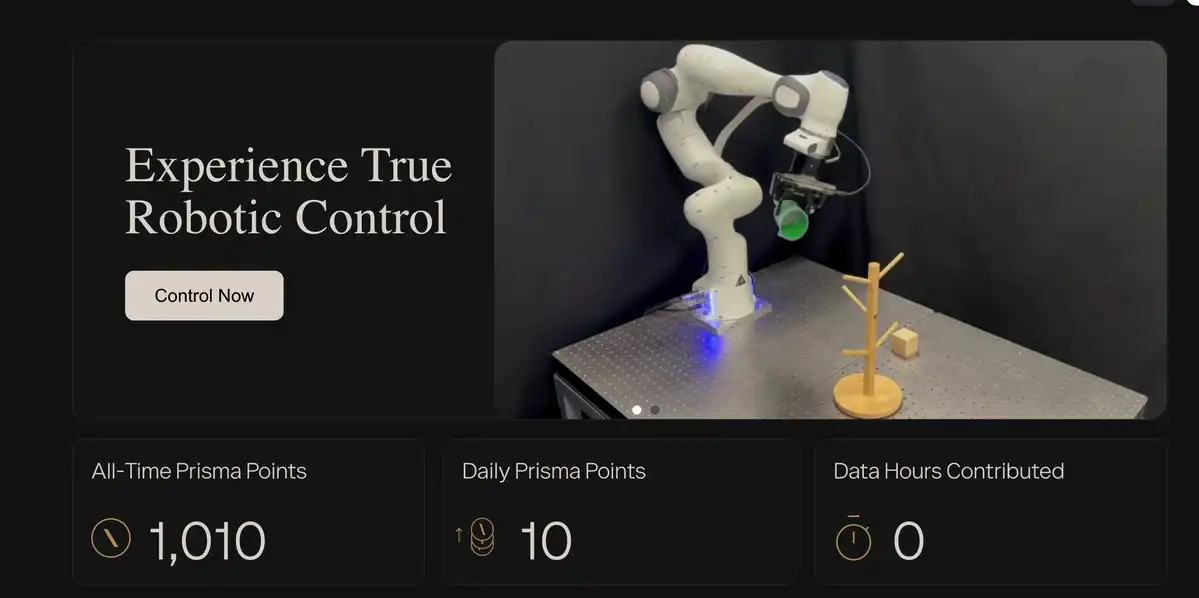
Позиционирование: Слой данных для ИИ-роботов на основе взаимодействия человека и машины (RLHF). Основная логика: Чтобы роботы стали умнее, нужно много данных. PrismaX позволяет обычным людям удаленно управлять роботами для выполнения задач, генерируя таким образом высококачественные данные для обучения и предоставляя пользователям стимулы. Это решает проблему «последней мили» для ИИ-моделей — переход от цифрового интеллекта к физическому.
Реальный пример: Удаленная операция (Teleoperation)
PrismaX создает платформу, позволяющую пользователям удаленно управлять настоящими манипуляторами (например, оборудованием в лаборатории) через веб-страницу:
- Пользователь управляет манипулятором для выполнения действий (например, перемещение объекта).
- Система записывает данные операций.
- Данные продаются компаниям-производителям роботов для обучения ИИ.
- Пользователь получает очки (Points), которые в будущем можно обменять на токены.
Эта модель «Play-to-Train» (обучайся, играя) отличается от традиционного «майнинга на вычислительной мощности», требует от пользователя реального труда, данные имеют более высокую ценность, формируя маховик данных: больше участников → больше данных → лучше модели → более эффективные операции → больше участников.
Базовые показатели и рыночные performance (данные на 2026-02-15)
- История финансирования: Привлекли 11 миллионов долларов в посевном раунде под руководством топового венчурного фонда a16z, при участии Virtuals Protocol.
- Текущий этап: Этап системы очков и ожидания аирдропа, пользователи могут получать очки через ежедневный вход, тест по white paper, платное обучение ($99).
- Масштаб экосистемы: В удаленных операциях уже участвовало более 500 человек завершили операции с манипуляторами, охватывая多个地区 мира; Доступные для操作 манипуляторы: запущено 2 полные системы (Unitech Walker "Tommy" и "Bill"), с которыми пользователи могут напрямую взаимодействовать
- Точки риска: В настоящее время множество «студий для заработка на аирдропах»涌入 набирают очки. Если разработчики проекта не смогут эффективно отфильтровать высококачественные данные для обучения, эти очки станут бесполезными, что в конечном итоге приведет к резкому давлению продаж при обналичивании аирдропа. Качество данных удаленных операций действительно ли может обучать роботов коммерческого уровня, в отрасли все еще есть споры.
Основная привлекательность PrismaX заключается в поддержке a16z + уникальном механизме «маховика данных», позволяющем участвовать с нулевыми затратами в самом稀缺ном环节 обучения роботов. Поддержка a16z и уникальный механизм делают его возможностью для раннего Alpha.
3. @openmind_agi : Android-система для роботов
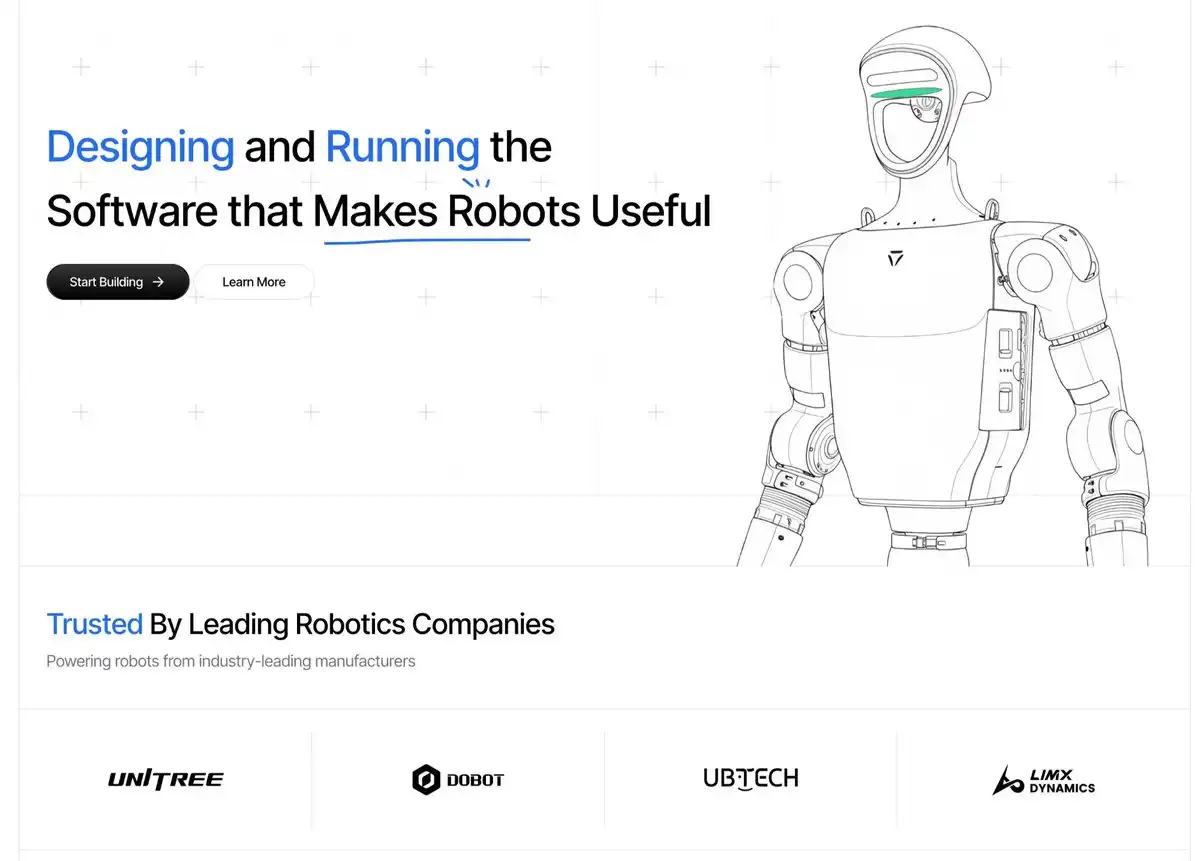
Позиционирование: Универсальная операционная система (OS) и магазин приложений для роботов. Основная логика: Решение проблемы фрагментации аппаратного обеспечения роботов, позволяющее разработчикам писать код один раз и запускать его на роботах разных брендов (таких как Unitree, Fourier), аналогично Android в индустрии смартфонов.
Реальный пример: App Store в зачаточном состоянии
OpenMind уже запустила магазин приложений и недавно объявила о сотрудничестве с 10 компаниями в области воплощенного ИИ, в основном сосредоточенными на ведущих производителях из Китая и США, таких как:
- Unitree: Лидер в области робособак.
- Fourier: Специализируется на гуманоидных роботах.
- UBTECH: Первая компания по гуманоидным роботам, вышедшая на биржу.
- Deep Robotics: Промышленные четвероногие роботы.
Подробности: https://x.com/openmind_agi/status/2015671520899817620?s=20
Согласно нескольким официальным отчетам в конце января и начале февраля 2026 года, магазин приложений OpenMind Robot App Store при запуске содержал 5 работающих в реальном времени приложений, focusing на ключевых областях, таких как: Автономная мобильность (Autonomous Mobility), Социальное взаимодействие (Social Interaction), Защита конфиденциальности (Privacy Protection), Образование и обучение навыкам и т.д.
Хотя количество запущенного hardware пока невелико, это доказывает, что их техническая логика «кросс-аппаратного запуска» работоспособна.
Базовые показатели и рыночные performance (данные на 2026-02-15)
- Последний раунд финансирования: Участие таких топовых机构, как Pantera Capital, Sequoia China
- Оценка в предыдущем раунде: Около 200 миллионов долларов
- Оценка предпродажи на Kaito Launchpad: 400 миллионов долларов FDV (удвоенная премия)
- Масштаб экосистемы: Количество приложений в App Store: 5+ (на конец января); Аппаратные партнеры: 10+ ведущих международных/国内 производителей; Более 1000 разработчиков по всему миру присоединились к экосистеме
- Анализ рисков: Высокая оценка, низкая ликвидность: Высокая начальная оценка в 4 миллиарда FDV,透支 пространство на вторичном рынке, а также давление со стороны разблокировки ранних VC. Конкуренция с гигантами: Традиционные производители роботов (например, Tesla Optimus) склонны использовать закрытые системы (как iOS от Apple). Сможет ли эта модель открытого исходного кода Android от OpenMind выжить в тисках гигантов, зависит от того, сможет ли она привлечь足够多的 производителей среднего и низшего эшелона.
OpenMind в настоящее время находится на стратегическом этапе «малый охват, широкая совместимость, высокий потолок». Хотя количество приложений все еще находится на начальной стадии, она向下 охватила 10 аппаратных заводов, а向上 через тысячу разработчиков построила технологическую основу. Его真正的 потенциал заключается в том, что он предоставляет global hardware единый слой认知, и использует децентрализованную сеть для решения самой сложной проблемы данных для обучения ИИ. Будущее, в котором можно, как на телефоне,随时 обновлять навыки и обмениваться знаниями между машинами, уже просматривается в этом App Store.
Комплексный сравнительный анализ
Для более直观ного понимания различий между этими тремя проектами проведем横向对比 по ключевым измерениям:
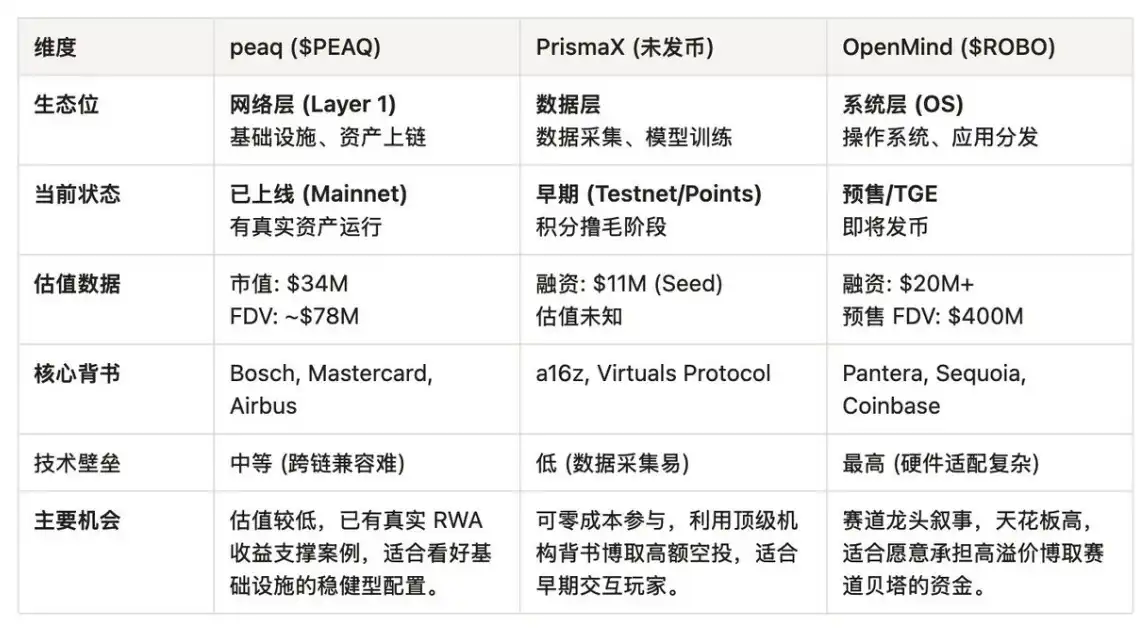
2026 год: Децентрализованные приложения «воплощенного интеллекта» больше не концепция, а реальность, которая происходит прямо сейчас. Три проекта, проанализированные в этой статье, как раз представляют три наиболее репрезентативные экологические ниши на этом新兴 треке — сетевой уровень, уровень данных, системный уровень.
Представьте сцену в конце 2026 года: робот на автоматизированной ферме работает. Для эффективной работы этого робота необходима поддержка трех уровней:
1 Поддержка данных (PrismaX): Как он научился «как выращивать овощи»? Его научили операторы удаленного доступа PrismaX. Данные телеметрии от 1000 глобальных операторов позволили ИИ-модели изучить полную логику сельскохозяйственных операций.
2 Системная поддержка (OpenMind): Какого бренда этот робот? Как он конкурирует с роботами других брендов? Он работает на ОС OpenMind, может загрузить «App для оптимизации сельского хозяйства» из App Store и конкурировать с роботами других брендов в одной системе.
3 Сетевая поддержка (peaq): Как распределяются деньги, заработанные этим роботом? USDT, полученные от продажи гидропонных овощей фермой, автоматически распределяются через смарт-контракты сети peaq между владельцами в соответствии с долями NFT.
Эти три уровня不可或缺. Без данных PrismaX робот не поумнеет; без системы OpenMind приложения нельзя развернуть на разных платформах; без стимулов peaq у участников не будет мотивации поддерживать весь цикл.
И наоборот, когда эти три уровня协作, формируется положительная обратная связь — увеличение числа участников → повышение качества данных → лучшее effect приложений → более высокие экономические стимулы → привлечение большего числа участников. Именно в этом заключается основная ценность сочетания Web3 и физического мира.
Возможности на треке робототехники в 2026 году заключаются не в том, какой проект станет «победителем», а в том, как эти три уровня будут协作, чтобы перевести воплощенный интеллект от концепции к масштабному применению.