A historical look at Bitcoin’s reaction to debt ceiling negotiations

cryptoslateОпубликовано 2023-05-18Обновлено 2023-05-18

Введение

To conclude, the debt ceiling negotiations are a nonevent towards Bitcoin price, and we do believe the U.S. will most likely increase the debt ceiling as they have done every other time.

Quick Take

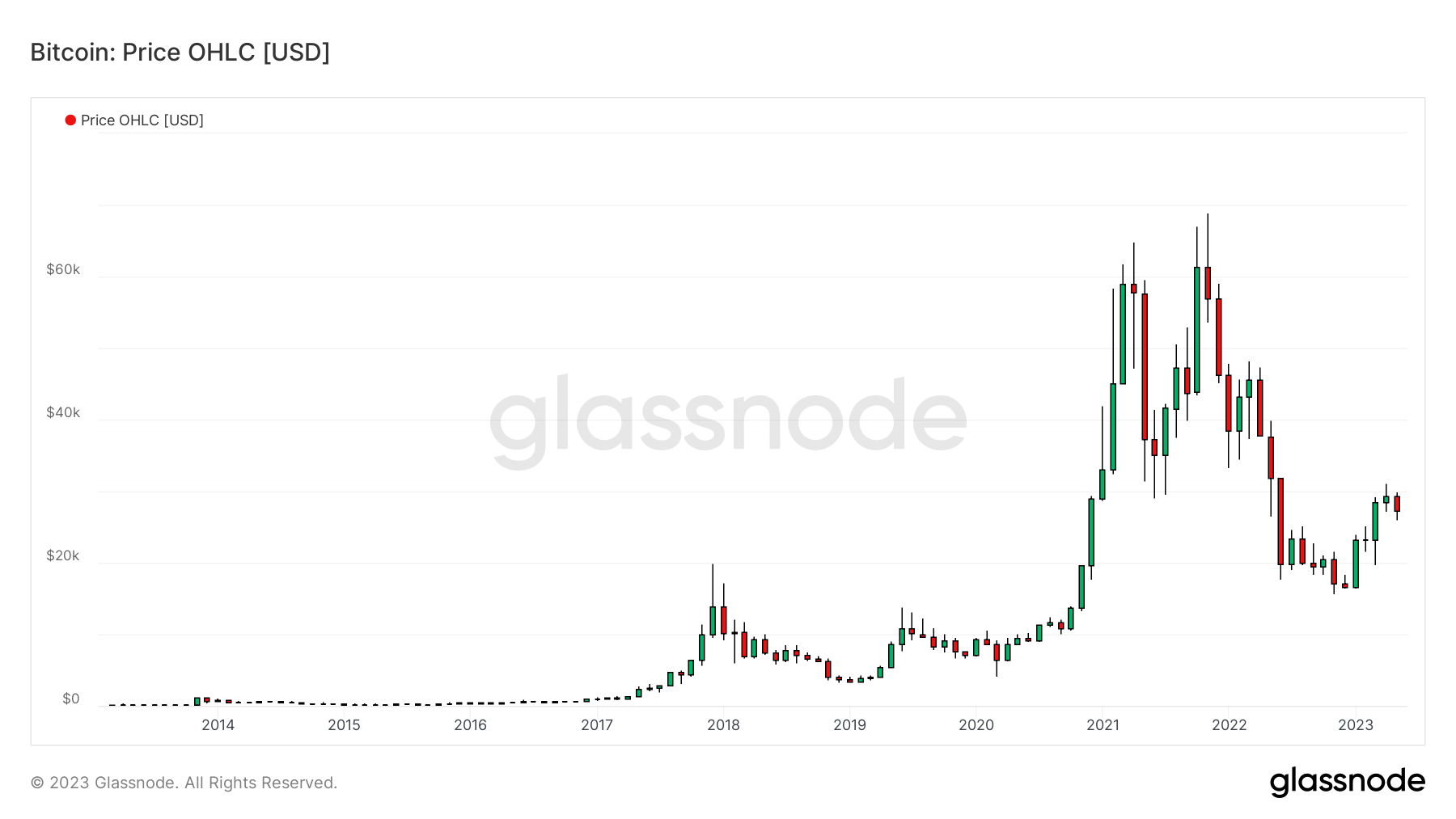
  • May 19, 2013: The U.S. debt ceiling was formally raised to approximately $16.699 trillion. The price was $116.3, with a percentage gain of 4.7%.
  • October 17, 2013: The crisis ended with the passing of the Continuing Appropriations Act 2014. The price of Bitcoin was $143, with a percentage gain of 0.23%.
  • October 7, 2021: The Senate voted to raise the debt ceiling. The price was $53,776 and gained 3.7%.
  • December 16, 2021: Congress voted to increase the debt ceiling by $2.5 trillion, which President Biden signed into effect. The price was $47,695, and Bitcoin fell 0.11%.
  • January 19, 2023: The U.S. again reached the debt ceiling. The price of Bitcoin fell 0.55%, which was at $21,085.
  • To conclude, the debt ceiling negotiations are a nonevent towards Bitcoin price, and we do believe the U.S. will most likely increase the debt ceiling as they have done every other time.
Price: (Source: Glassnode)

Похожее

DeFi Hacked Again for $292 Million, Is Even Aave No Longer Safe?

On April 19, a major DeFi security breach occurred, resulting in the loss of approximately $292 million. The attack targeted Kelp DAO’s rsETH bridge contract built on LayerZero, with 116,500 rsETH stolen. The attacker initiated the exploit using funds from Tornado Cash and manipulated the LayerZero EndpointV2 contract to transfer the assets. Kelp DAO confirmed the incident and temporarily paused rsETH contracts across multiple networks while collaborating with security experts for investigation. Initial analysis suggests the root cause was a compromised private key on the source chain, with the contract secured by only a 1/1 validator set, making it vulnerable to a single malicious transaction. The attacker used the stolen rsETH as collateral on lending platforms—including Aave, Compound, and Euler—to borrow more liquid assets like WETH, accumulating over $236 million in debt. Aave alone accounted for $196 million of this amount. In response, Aave froze its rsETH markets and stated it would explore covering potential bad debt through its Umbrella safety module, which holds around $50 million in WETH. This incident follows another large exploit earlier in April, where Drift Protocol on Solana lost $280 million. The repeated high-value attacks raise concerns about DeFi security, even affecting major protocols like Aave. Users are advised to exercise caution, diversify holdings, and limit exposure to on-chain protocols until more robust security measures are established.

marsbit17 мин. назад

DeFi Hacked Again for $292 Million, Is Even Aave No Longer Safe?

marsbit17 мин. назад

Торговля

Спот
Фьючерсы
活动图片