Trump Administration Backs Kalshi and Polymarket as Nevada Moves to Enforce Ban

bitcoinistPublished on 2026-02-19Last updated on 2026-02-19

Abstract

A legal battle over prediction markets is intensifying in the U.S. as federal regulators, backed by the Trump administration, support operators Kalshi and Polymarket, while Nevada moves to enforce a ban. The dispute centers on whether prediction markets are financial products under federal oversight or a form of gambling subject to state regulation. Nevada’s Gaming Control Board filed a lawsuit to block Kalshi from offering sports-related event contracts, arguing they constitute unlicensed gambling. Kalshi contends its contracts are financial derivatives regulated by the CFTC, which has filed a brief supporting federal jurisdiction. The outcome could define the regulatory boundary between financial markets and gambling nationwide.

A growing legal clash over prediction markets in the United States is intensifying after federal regulators aligned with the Trump administration stepped in to support industry operators Kalshi and Polymarket, even as Nevada moves forward with enforcement action to shut down parts of their businesses.

The dispute raises a broader question facing courts and regulators: whether prediction markets are financial products governed by federal law or a form of online gambling subject to state control.

The latest developments came after the U.S. Court of Appeals for the Ninth Circuit rejected Kalshi’s request to pause enforcement actions by Nevada regulators. Within hours of the decision, the Nevada Gaming Control Board filed a civil lawsuit seeking to block the platform from offering sports-related event contracts to state residents.
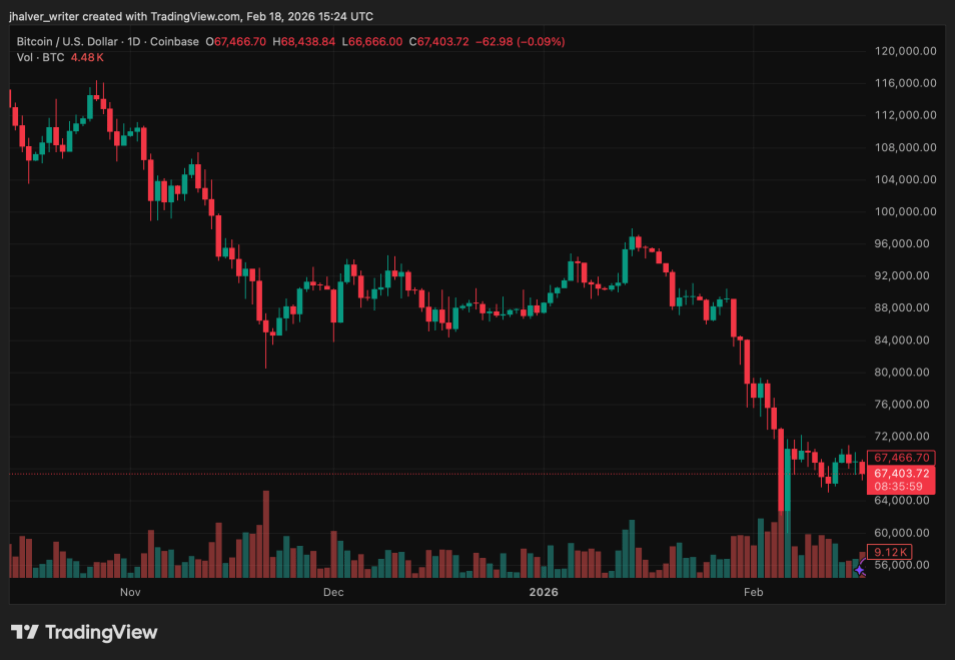
BTC's price trends to the downside on the daily chart. Source: BTCUSD on Tradingview 

Nevada Pushes Gambling Enforcement

Nevada regulators argue that Kalshi’s event contracts, which allow users to trade on outcomes such as sports results, function similarly to traditional sports betting and therefore require a state gaming license.

Officials say the company is offering unlicensed wagering that violates Nevada’s gaming laws and undermines the state’s tightly regulated betting market.

The lawsuit seeks an injunction that could force Kalshi to halt its local operations while litigation continues. The state has taken similar action against other platforms, reflecting a wider effort by multiple jurisdictions to limit prediction markets they view as gambling products.

Kalshi disputes that characterization, maintaining that its contracts are financial derivatives, not bets. The company operates as a federally regulated exchange and has moved to have the case transferred to federal court, arguing that state laws are preempted by federal oversight.

Federal Regulators Enter the Fight

At the center of the dispute is the Commodity Futures Trading Commission (CFTC), which, under Chairman Michael Selig, has taken a more active stance in defending prediction markets. The agency filed an amicus brief supporting federal jurisdiction, arguing that states cannot reclassify federally regulated derivatives trading as illegal gambling.

The Trump administration’s backing of Kalshi and Polymarket shows a broader policy shift toward treating prediction markets as part of the financial system rather than the gambling industry. Federal officials argue that allowing individual states to impose bans could create fragmented regulation and undermine national derivatives markets.

Prediction platforms allow participants to buy contracts priced between one and 99 cents based on the probability of real-world events occurring. While markets cover politics, economics, and weather outcomes, sports-related contracts account for the majority of trading volume.

What Comes Next for Prediction Markets

The legal battle is unfolding across several courts and could ultimately determine who regulates prediction markets nationwide. States, including Massachusetts, Tennessee, and others, have issued lawsuits or cease-and-desist orders, while operators continue to argue for federal protection.

Nevada’s enforcement action increases immediate pressure on Kalshi, though appeals, including a potential emergency request to the U.S. Supreme Court, remain possible.

The outcome could reshape how Americans participate in event-based trading and define the boundary between financial speculation and online gambling for years to come.

Cover image from ChatGPT, BTCUSD chart from Tradingview

Related Questions

QWhat is the core legal dispute surrounding prediction markets like Kalshi and Polymarket in the United States?

AThe core legal dispute is whether prediction markets are financial products governed by federal law (specifically, as derivatives regulated by the CFTC) or a form of online gambling subject to state control and licensing.

QWhich federal agency has intervened to support Kalshi and Polymarket, and what is its argument?

AThe Commodity Futures Trading Commission (CFTC), under Chairman Michael Selig, has intervened. It filed an amicus brief arguing that states cannot reclassify federally regulated derivatives trading as illegal gambling, as this would undermine national derivatives markets and create fragmented regulation.

QWhat specific action did Nevada regulators take against Kalshi, and what is their justification?

ANevada regulators filed a civil lawsuit seeking an injunction to block Kalshi from offering sports-related event contracts to state residents. They argue these contracts function like traditional sports betting and therefore require a state gaming license, making their current operation unlicensed wagering that violates state law.

QHow does Kalshi define its own event contracts, and what action has it taken in response to Nevada's lawsuit?

AKalshi defines its event contracts as financial derivatives, not bets. In response to Nevada's lawsuit, the company has moved to have the case transferred to federal court, arguing that state laws are preempted by federal oversight.

QWhat broader policy shift does the Trump administration's backing of these prediction markets represent?

AIt represents a policy shift toward treating prediction markets as part of the financial system rather than the gambling industry, aiming to prevent fragmented state-level regulation that could undermine the national derivatives market.

Related Reads

Trading

Spot
Futures

Hot Articles

How to Buy BAN

Welcome to HTX.com! We've made purchasing Comedian (BAN) simple and convenient. Follow our step-by-step guide to embark on your crypto journey.Step 1: Create Your HTX AccountUse your email or phone number to sign up for a free account on HTX. Experience a hassle-free registration journey and unlock all features.Get My AccountStep 2: Go to Buy Crypto and Choose Your Payment MethodCredit/Debit Card: Use your Visa or Mastercard to buy Comedian (BAN) instantly.Balance: Use funds from your HTX account balance to trade seamlessly.Third Parties: We've added popular payment methods such as Google Pay and Apple Pay to enhance convenience.P2P: Trade directly with other users on HTX.Over-the-Counter (OTC): We offer tailor-made services and competitive exchange rates for traders.Step 3: Store Your Comedian (BAN)After purchasing your Comedian (BAN), store it in your HTX account. Alternatively, you can send it elsewhere via blockchain transfer or use it to trade other cryptocurrencies.Step 4: Trade Comedian (BAN)Easily trade Comedian (BAN) on HTX's spot market. Simply access your account, select your trading pair, execute your trades, and monitor in real-time. We offer a user-friendly experience for both beginners and seasoned traders.

3.6k Total ViewsPublished 2024.10.27Updated 2025.03.21

How to Buy BAN

Discussions

Welcome to the HTX Community. Here, you can stay informed about the latest platform developments and gain access to professional market insights. Users' opinions on the price of BAN (BAN) are presented below.

活动图片