# Settlement Related Articles

HTX News Center provides the latest articles and in-depth analysis on "Settlement", covering market trends, project updates, tech developments, and regulatory policies in the crypto industry.

Ripple Chiseled a Crack in the Wall, But Swift Tore Down the Entire Wall

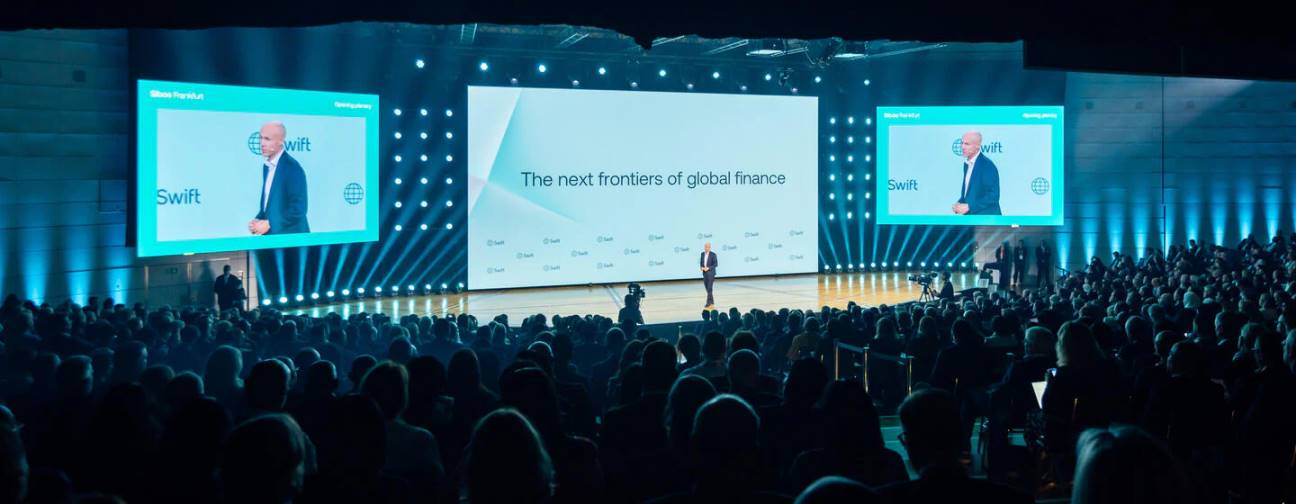
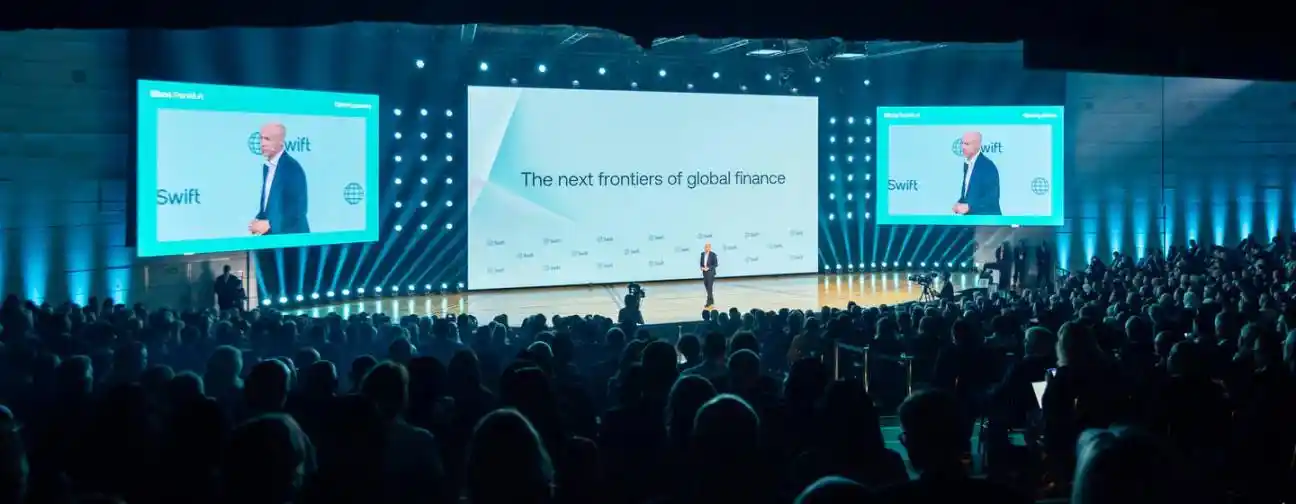
At the Sibos 2025 conference, Swift announced a major evolution of its financial infrastructure by integrating a blockchain-based shared ledger to support tokenized assets and enable secure, real-time, and interoperable global transactions. The new system, built on Consensys' Ethereum Layer 2 network Linea, uses zk-EVM rollup technology to reduce costs and settlement times while meeting banking security standards. Over 30 major banks, including JPMorgan and Citibank, are participating in the pilot. The article reflects on Ripple’s long-standing effort to challenge traditional cross-border payments using XRP and RippleNet, which has seen adoption in retail and corporate remittances despite earlier regulatory challenges. However, Swift’s move represents a broader and more systemic shift. Unlike Ripple’s XRP-dependent model, Swift’s ledger is asset-agnostic, supporting CBDCs, stablecoins, and fiat currencies, and leverages its existing network of over 11,000 institutions. This transition marks a convergence of traditional and decentralized finance, enabling 24/7 settlement, reducing reliance on pre-funded accounts, and potentially freeing up trillions in trapped capital. By adopting a neutral, interoperable, and highly scalable blockchain framework, Swift is positioned to redefine global value transfer—moving from a legacy telegraphic model to a digitally-native, mathematically-verified system.

深潮12/23 02:52
Ripple Chiseled a Crack in the Wall, But Swift Tore Down the Entire Wall

深潮12/23 02:52

Understanding Tokenization: Distinguishing the DTCC Model from the Direct Ownership Model

The article clarifies the key differences between two distinct tokenization models in the securities market: the DTCC model and the direct ownership model. The DTCC model, recently approved by the SEC, involves tokenizing "security entitlements" within the existing, multi-layered intermediary system. It creates a digital twin of these rights on a blockchain to improve operational efficiency, enable 24/7 transfers between institutions, and reduce costs, all while preserving the core benefits of the current system, such as netting and centralized liquidity. Crucially, it does not tokenize the underlying shares themselves, and ownership remains indirect. In contrast, the direct ownership model tokenizes the shares themselves, recording ownership directly on the issuer's share registry. This approach enables self-custody, peer-to-peer transfers, and full composability with on-chain DeFi applications. While this model sacrifices the efficiency of netting and leads to fragmented liquidity, it offers unprecedented functionality and disintermediation. The article concludes that these are not competing visions but complementary paths serving different needs. The DTCC model modernizes the core of the public markets for institutional scale and stability, while the direct ownership model fosters innovation at the edge. The ultimate winner is investor choice, as both paths will coexist, offering a broader market interface with more options for all participants.

marsbit12/22 12:36

Understanding Tokenization: Distinguishing the DTCC Model from the Direct Ownership Model

marsbit12/22 12:36

Finance Goes 'Invisible': How Stablecoins Are Becoming the New Arteries of the Digital Economy

This article explores the transformative role of stablecoins as the "new arteries" of the digital economy, moving finance into an "invisible" infrastructure layer. Key developments include Coinbase's major product upgrades, positioning it as an "Everything Exchange" that integrates trading, derivatives, stablecoins, and AI-driven services. Stablecoin adoption is accelerating, with Visa now allowing USDC settlements within the U.S. banking system, marking a structural shift in settlement layers. Regulatory progress is evident as U.S. authorities conditionally approve federal trust bank charters for firms like Ripple and Circle, while the FDIC advances stablecoin rules. New stablecoin products and payments integrations are emerging, such as PayPal's PYUSD for YouTube creator payouts and ADNOC's adoption of a national stablecoin at gas stations. Major financial institutions, including JPMorgan, are actively exploring tokenized deposits and assets on public blockchains. The growth of gold-backed stablecoins and national strategies like the UAE's push for asset tokenization further highlight the expansion of stablecoins beyond pure currency use cases into broader economic infrastructure. However, JPMorgan analysis suggests stablecoin growth may be limited by competition from bank-issued tokenized deposits and CBDCs, projecting a market cap of $500-600 billion by 2028.

比推12/22 06:12

Finance Goes 'Invisible': How Stablecoins Are Becoming the New Arteries of the Digital Economy

比推12/22 06:12

活动图片