# Jobs Related Articles

HTX News Center provides the latest articles and in-depth analysis on "Jobs", covering market trends, project updates, tech developments, and regulatory policies in the crypto industry.

Arm Steps Into Chip Manufacturing Itself | Rewire Morning News

Arm, after 35 years of only licensing its architecture, has begun manufacturing its own data center CPU, the 136-core Neoverse V3, with Meta as its first major client. This strategic shift aims to capture a larger market share and achieve significant revenue growth. In a separate legal battle, Anthropic is challenging the Pentagon's decision to ban federal agencies from using its AI, a move the presiding judge called "disturbing." Conversely, Palantir's military AI platform received a massive $13.4 billion funding commitment from the Pentagon, highlighting a stark divergence in the U.S. government's approach to AI militarization. Four tech billionaires presented conflicting visions on AI's impact. Perplexity's CEO and Palantir's CEO suggested AI-induced job loss is beneficial, while an OpenAI investor predicted 80% of jobs could be replaced by 2030. In contrast, BlackRock's CEO warned the greater threat is AI exacerbating wealth concentration. Circle's stock plummeted 18% due to proposed legislation threatening its business model, while Tether announced its first full audit by a Big Four firm, signaling a push for legitimacy amidst tightening regulations. OpenAI shut down its Sora video app, leading Disney to withdraw a $1 billion investment. An investor filing also revealed OpenAI now lists its major shareholder, Microsoft, as a top risk factor, indicating a strategic cleanup ahead of a potential IPO. Other notable news includes SK Hynix's record $8 billion order for EUV machines from ASML, Huawei's launch of a new AI accelerator, and Broadcom's warning that TSMC's production capacity is a major bottleneck for AI chips.

marsbit03/25 04:31

Arm Steps Into Chip Manufacturing Itself | Rewire Morning News

marsbit03/25 04:31

2026 is Not the Year of AI, But the Starting Point of a Great Reshuffle of Human Professions

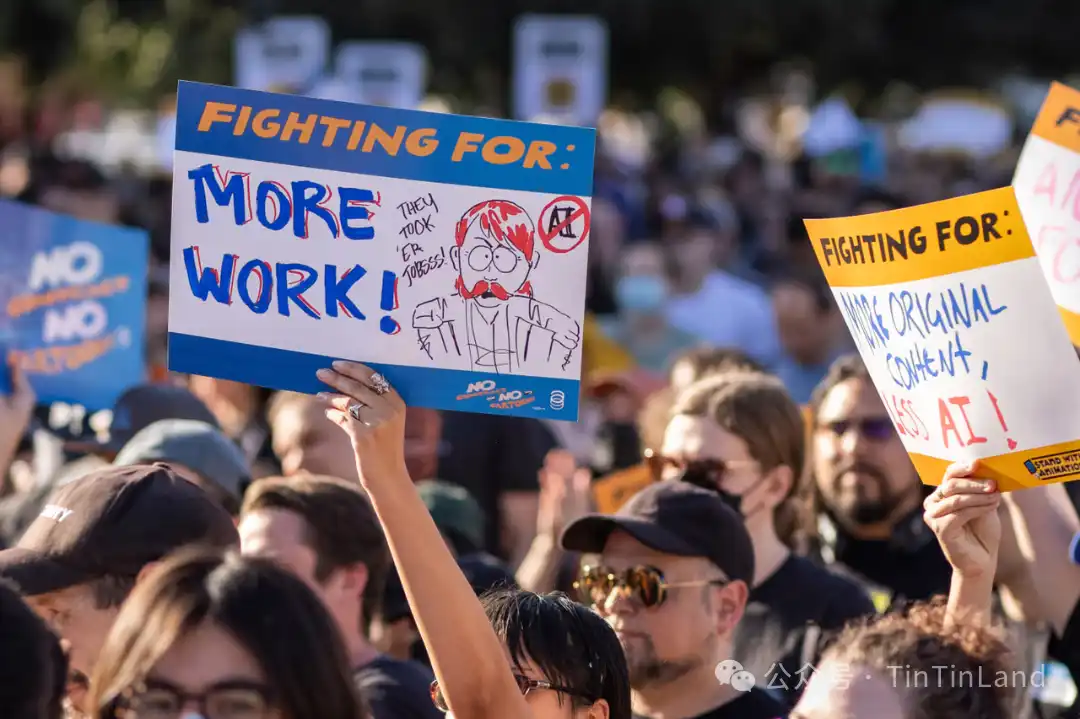
The author, an AI entrepreneur and investor, argues that 2026 will not be the "Year of AI" but rather the starting point of a massive reshuffling of human professions. He states that the current pace of AI advancement, driven by a small number of researchers at companies like OpenAI and Anthropic, is exponential and will soon impact nearly all white-collar industries, not in a decade but within 1-5 years. He provides a personal account of how the latest models (e.g., GPT-5.3 Codex, Opus 4.6) can now autonomously complete complex tasks, such as writing flawless code for an entire software application and testing it, with human-level judgment and decision-making. The author emphasizes that public perception lags far behind reality, as those using free, outdated models are unaware of the capabilities of current paid versions. Key points include: AI is now involved in its own development, creating a feedback loop that accelerates progress ("intelligence explosion"); it will replace cognitive work across law, finance, medicine, and more; and the common belief that AI cannot replicate human judgment, creativity, or empathy is becoming uncertain. The author advises readers to act now by: 1) Seriously using top-tier AI tools in their daily work, 2) Gaining a competitive advantage in their careers by mastering AI before others, 3) Strengthening their financial resilience, 4) Focusing on skills AI cannot easily replace (e.g., building trust, in-person work), 5) Rethinking education for children to emphasize creativity and AI collaboration, and 6) Pursuing personal dreams with AI's help. He concludes that this is a pivotal moment for civilization, posing both immense opportunities (e.g., curing diseases) and existential risks (e.g., uncontrollable AI, weaponization). The future is already here for the tech industry and is imminent for everyone else. Success belongs to those who embrace this reality with curiosity and urgency.

marsbit03/12 00:43
2026 is Not the Year of AI, But the Starting Point of a Great Reshuffle of Human Professions

marsbit03/12 00:43

After OpenClaw's China Tour, We Interviewed a Group of 'Lobster Chasers'

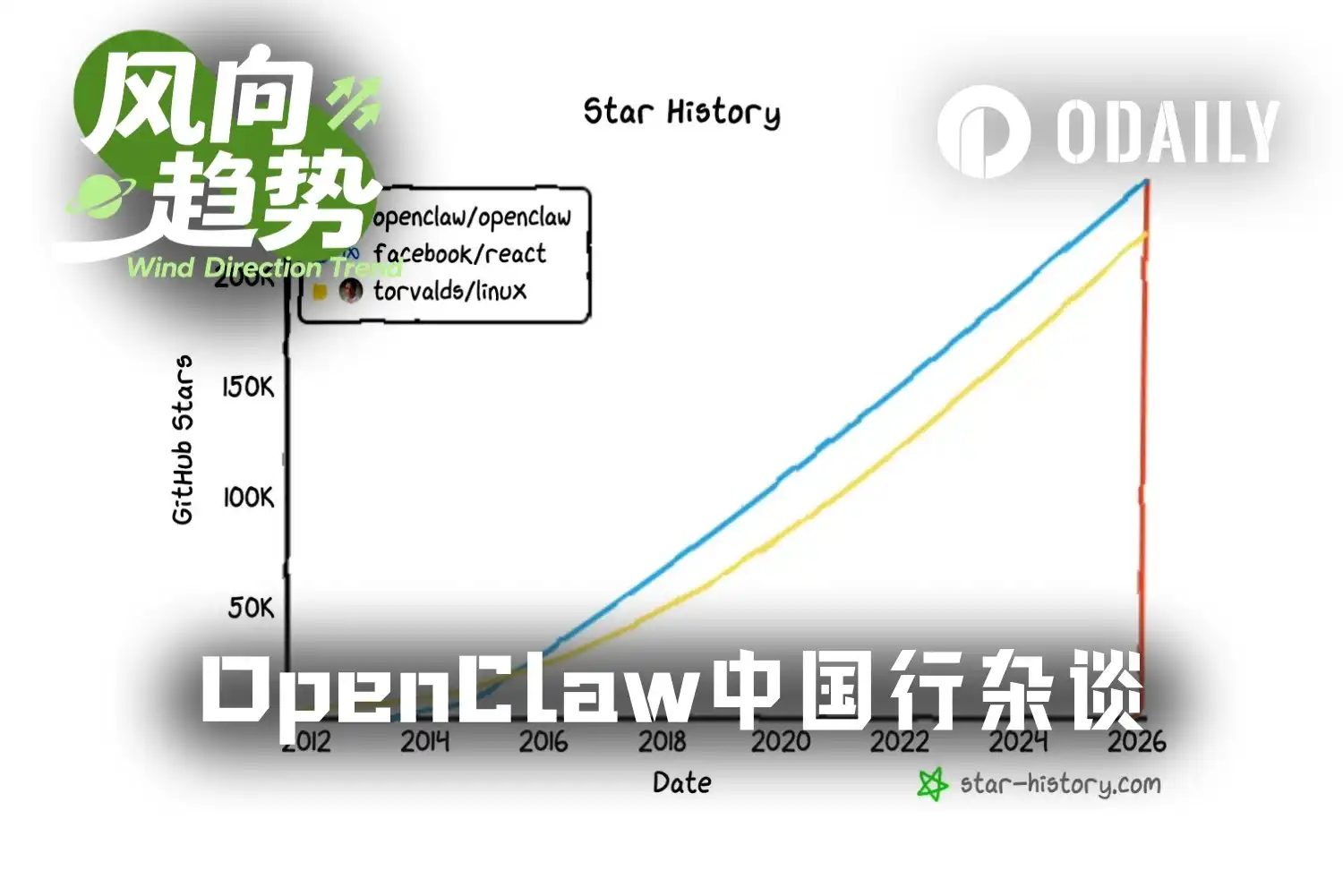
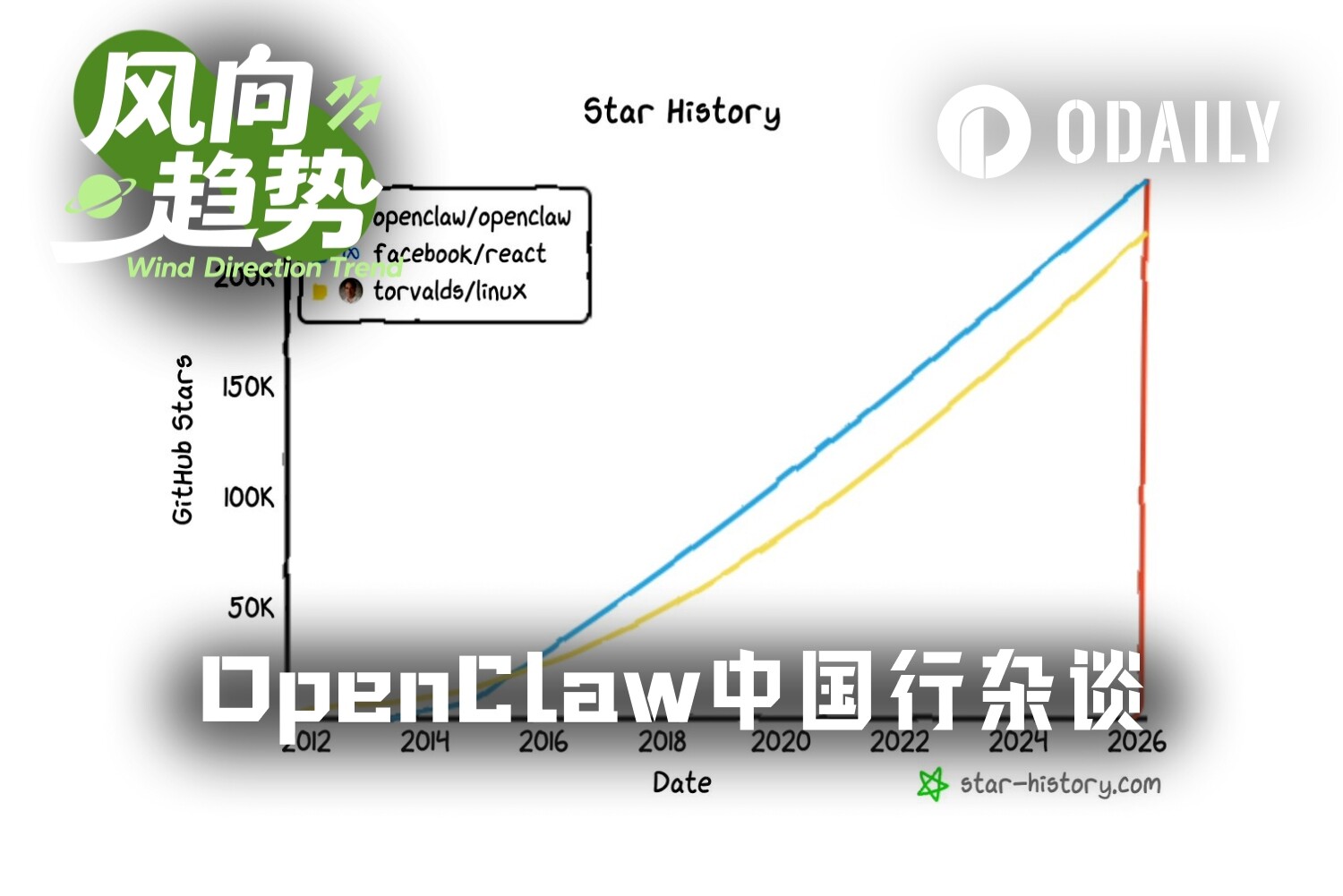
"OpenClaw China Tour: Chasing the Lobster in the AI-Driven Era" Following OpenClaw's surpassing of React as GitHub's most-starred project, a wave of "AI anxiety" has swept through China's tech community. This led to the "Web4.0 China Tour," a series of nationwide offline events co-initiated by crypto figures, aiming to demystify the AI agent tool often nicknamed "Lobster." Event observations revealed a diverse, intergenerational audience—from 05ers to 70-year-olds—flocking to these gatherings. Participants were polarized: some were already monetizing OpenClaw, while others struggled with basic setup. A key insight was that AI's primary impact is not necessarily job replacement but a massive restructuring of work, automating standardized tasks and creating new roles, particularly for those who can effectively manage AI agents. Interestingly, fields like programming and creative work are now seen as more vulnerable to AI disruption than manual labor. Despite OpenClaw's founder cautioning against crypto, a strong convergence between AI agents and cryptocurrency was debated on-site. Many believe crypto assets, especially Bitcoin, could become the native currency for AI economies, facilitating machine-to-machine transactions and value exchange. The trend also spawned a paid installation service industry. However, a significant hurdle remains: many users successfully install OpenClaw but lack the knowledge to use it effectively, sometimes leading to unexpected costs and security concerns. The conclusion emphasizes that simply having the tool is less important than practically applying it to solve real problems, cautioning against FOMO and highlighting that in the age of AI, early adoption doesn't guarantee success.

marsbit03/07 03:14

After OpenClaw's China Tour, We Interviewed a Group of 'Lobster Chasers'

marsbit03/07 03:14

After OpenClaw's China Tour, We Interviewed a Group of 'Lobster Chasers'

In March 2026, OpenClaw surpassed React to become the most-starred project on GitHub, rapidly gaining global recognition as a leading AI tool. Dubbed the "lobster" by enthusiasts, this automation-focused AI agent has sparked widespread discussion and a sense of urgency among tech communities, particularly in China. Following the "Web4.0 China Tour" initiated by figures from the crypto space, offline events saw significant turnout, attracting everyone from seasoned developers to curious newcomers, including teenagers and seniors. Participants expressed a mix of excitement and "AI anxiety," driven by fears of being left behind. Discussions revealed divergent perspectives: while some see AI as a threat to jobs, others, citing reports like Anthropic’s, argue it will reshape rather than replace roles—impacting structured, cognitive tasks more than manual labor. The intersection of AI and crypto also emerged as a key theme, with some believing cryptocurrency could become the native economic system for AI agents. Despite the hype, many users struggle to operationalize OpenClaw, with some paying for installation services only to face unexpected costs or operational challenges. The consensus among informed participants is that success lies not in merely adopting the tool, but in effectively leveraging it to solve real problems. In the age of AI, early adoption does not guarantee advantage—meaningful outcomes depend on practical application.

Odaily星球日报03/07 03:07

After OpenClaw's China Tour, We Interviewed a Group of 'Lobster Chasers'

Odaily星球日报03/07 03:07

活动图片