# Conflict of Interest Related Articles

HTX News Center provides the latest articles and in-depth analysis on "Conflict of Interest", covering market trends, project updates, tech developments, and regulatory policies in the crypto industry.

WSJ: Unveiling the Secret Jury That Controls Disputes on Polymarket

Last month, Garrick Wilhelm lost a $567 bet on the Polymarket prediction platform about whether a ceasefire would be reached with Hezbollah. When a truce was announced, some traders argued it counted, but Wilhelm disagreed. The dispute was settled not by Polymarket, but by a decentralized group of UMA token holders who vote on such disagreements. As trading surges, resolving ambiguous outcomes is a growing challenge for prediction markets. Unlike competitors like Kalshi that decide internally, Polymarket outsources dispute resolution to UMA. Its token holders, mostly anonymous and with voting power weighted by holdings, arbitrate cases. Critics argue this system is prone to manipulation, as voters can also bet on the same markets they judge. A Wall Street Journal analysis found that over the past year, at least 60% of active UMA voters had corresponding Polymarket accounts and held positions in disputes they voted on. Voting power is also concentrated among a few large holders. Polymarket says only 0.2% of bets go to UMA and that the system disperses authority. Its founder has acknowledged flaws and promised fixes. UMA's backers deny any proven manipulation, dismissing critics as sore losers. The platform penalizes voters in the minority to incentivize "correct" outcomes. Disputes are rising, covering topics from a streamer's pregnancy announcement to Iran. This model also helps Polymarket argue it's an offshore platform outside U.S. regulation, a shift made after a 2022 settlement with the CFTC. Some losing traders have formed groups to protest, targeting entities like UMA.rocks, which aggregates votes. Its founder says traders often blame UMA for their own mistakes. A recently ousted committee member, Scout, admitted to both betting and voting but argued involved voters research more thoroughly. He highlighted the dilemma: "Either you have conflicted traders deciding, or you have uninformed outsiders voting. There is no perfect answer right now."

marsbit05/18 11:07

WSJ: Unveiling the Secret Jury That Controls Disputes on Polymarket

marsbit05/18 11:07

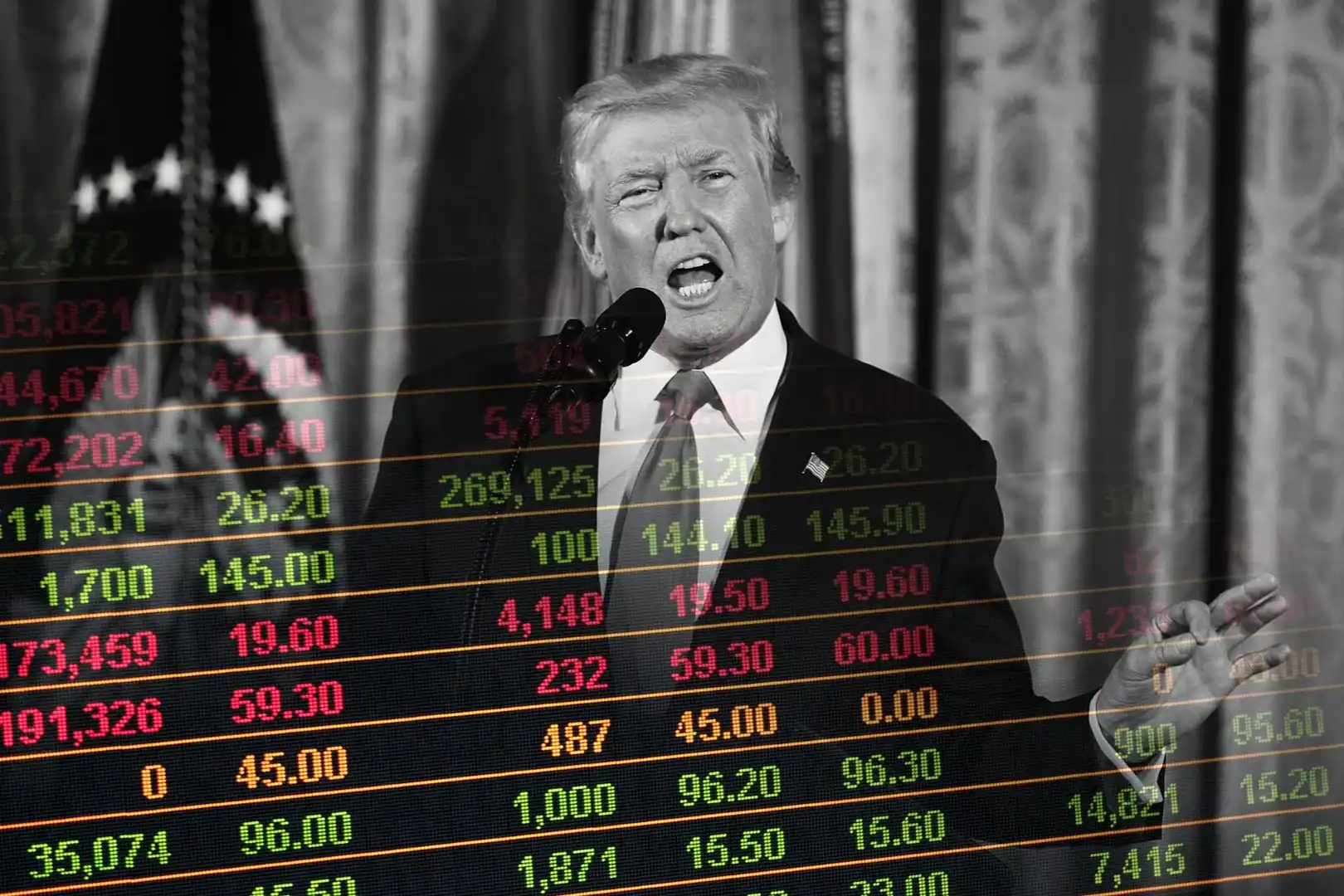
'Stock God' Trump's 3,642 Trades Disclosed: The 'Perfect Closed Loop' of Policy and Portfolio

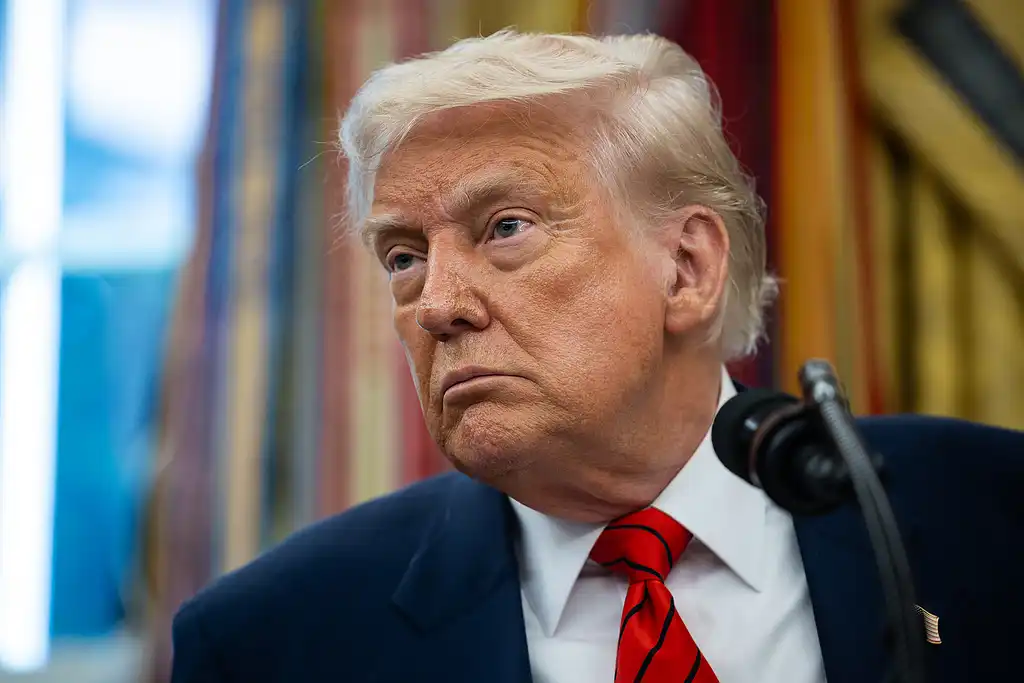
Summary: Donald Trump's First Quarter stock trades, totaling 3,642 transactions, have been disclosed. While the White House maintains the trades were managed by an advisor and complied with disclosure laws, they reveal a portfolio heavily aligned with his policy agenda. The trades show a rotation away from major tech stocks like Microsoft, Amazon, and Meta, and into semiconductor and AI hardware companies such as NVIDIA, AMD, Broadcom, Dell, and Intel. Notably, Trump's account purchased Dell stock before he publicly praised the company, after which its stock rose. The Dell family also pledged funds to a Trump-affiliated policy project. A critical case is Intel. The Trump administration converted $8.9 billion in CHIPS Act subsidies into a 9.9% equity stake, making the U.S. government Intel's largest shareholder. Months later, Trump's personal account also bought Intel stock. This intertwines national industrial policy with potential personal financial interest. Unlike typical insider trading concerns, this situation creates a "closed loop": policy decisions (e.g., subsidies, tariffs, crypto regulation) can boost the value of his holdings, and those holdings may, in turn, influence future policy directions. This blending of presidential power and personal portfolio, while legally disclosed, raises profound questions about conflicts of interest that current rules do not address.

marsbit05/18 10:26

'Stock God' Trump's 3,642 Trades Disclosed: The 'Perfect Closed Loop' of Policy and Portfolio

marsbit05/18 10:26

A Depegging and a Tweet: When the U.S. President Begins to "Legislate Escort" for His Family Business

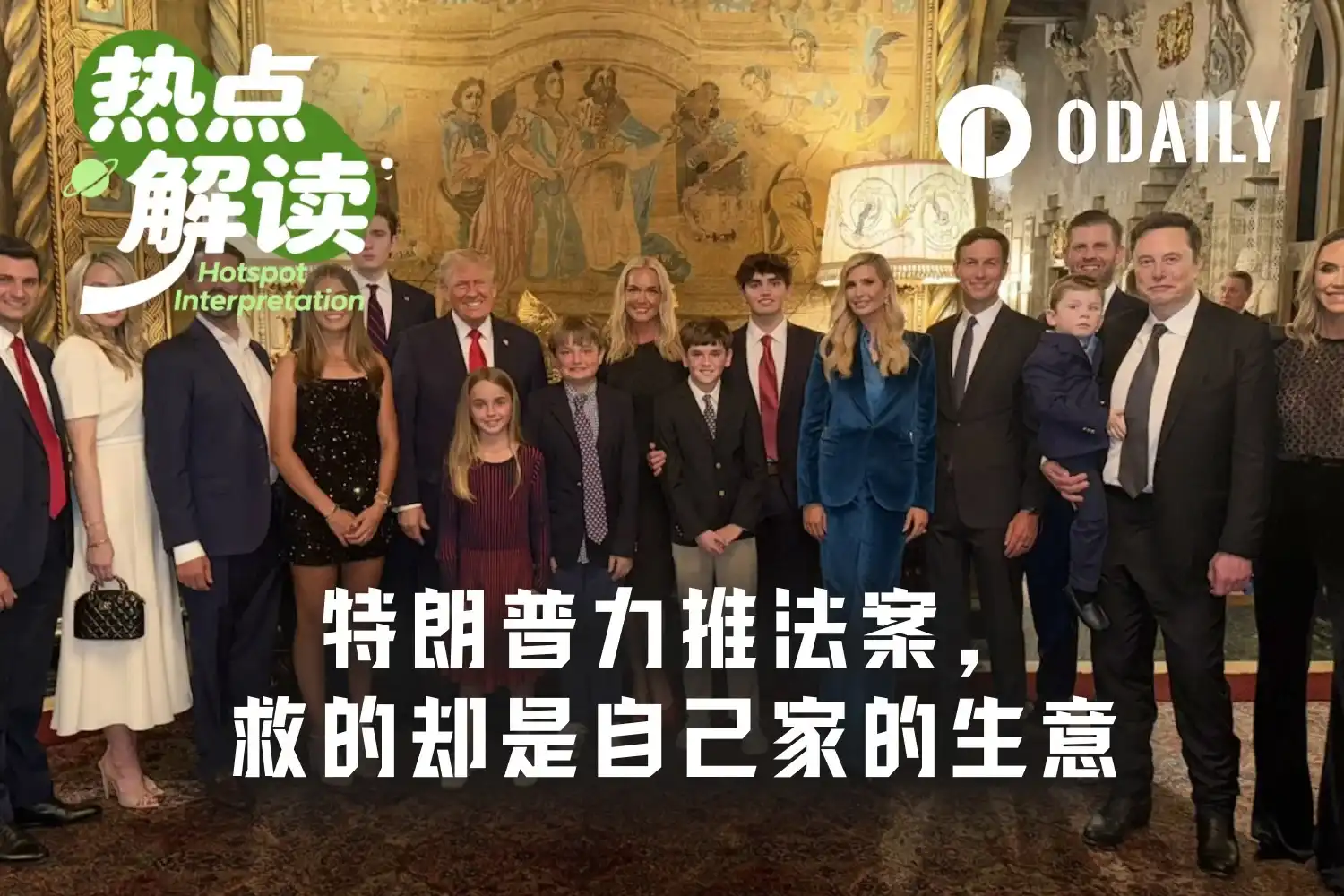
A brief depegging incident involving the USD1 stablecoin, issued by Trump-affiliated World Liberty Financial (WLFI), and a subsequent push for crypto legislation by former President Trump have raised questions about the intersection of his political power and family business interests. On February 23, 2026, USD1 briefly depegged to $0.994 amid what WLFI called a "coordinated attack" involving social media hacks and market manipulation. Shortly after, WLFI transferred over $17 million worth of its native tokens to centralized exchanges, sparking market speculation about potential selling. Concurrently, on March 4, Trump publicly urged Congress to pass the GENIUS Act, a key stablecoin regulatory bill, while accusing banking lobbyists of undermining U.S. crypto competitiveness. The situation is complicated by the fact that the Trump family stands to benefit directly from the bill's passage. WLFI, which launched USD1 in March 2025, has seen rapid growth, partly fueled by political connections, including a major investment from an Abu Dhabi sovereign fund. However, the project faces scrutiny. A U.S. House investigation is probing a secretive $500 million sale of a 49% WLFI stake to an entity linked to an UAE royal, a deal signed just days before Trump's second inauguration. Critics, including Senator Elizabeth Warren, have raised concerns about potential national security risks and conflicts of interest. The episode highlights a grey area in modern governance: a sitting president simultaneously advocating for policies that could directly enrich his family's business, while that business faces both market pressures and congressional investigations. The existing legal and regulatory framework appears insufficient to address this novel overlap of political power and private commercial interest.

marsbit03/08 07:11

A Depegging and a Tweet: When the U.S. President Begins to "Legislate Escort" for His Family Business

marsbit03/08 07:11

$23.3 Million Bet on Stay or Leave: Why Did NBA Star Giannis Antetokounmpo's Investment in Kalshi Spark Public Outrage?

NBA star Giannis Antetokounmpo’s decision to become a shareholder in prediction market platform Kalshi has sparked controversy among fans and commentators. The move came shortly after a high-profile contract on Kalshi regarding his potential trade reached over $23.3 million in volume, the second-largest NBA-related event on the platform after championship betting. Many criticized the partnership as a conflict of interest, especially since Antetokounmpo had been at the center of intense trade rumors leading up to the deadline. Unlike traditional endorsement deals, his equity stake in Kalshi—though under the 1% limit set by the NBA—blurs the line between athlete and gambling-related business owner. While the NBA permits passive investments in gambling entities under its current CBA, critics argue that such involvement risks undermining competitive integrity and public trust. Recent incidents, including NBA personnel arrests related to gambling, have heightened concerns about insider influence and moral hazards. The league has embraced sports betting as a revenue source, but Antetokounmpo’s move highlights growing tensions between financial incentives and sports ethics. In an era where prediction markets influence how games are perceived, the incident raises deeper questions about trust and transparency in professional sports.

marsbit02/09 13:18

$23.3 Million Bet on Stay or Leave: Why Did NBA Star Giannis Antetokounmpo's Investment in Kalshi Spark Public Outrage?

marsbit02/09 13:18

活动图片