# Community Related Articles

HTX News Center provides the latest articles and in-depth analysis on "Community", covering market trends, project updates, tech developments, and regulatory policies in the crypto industry.

While Playing Every Day, I See These Innovations and Changes in Prediction Markets

The article, titled "While Playing Daily, I See These Innovations and Changes in Prediction Markets," explores emerging trends in prediction markets beyond the dominant player, Polymarket. While Polymarket is noted for its strong liquidity and anticipated token airdrop, the author highlights that newer platforms are introducing features that offer clearer airdrop strategies through point systems, unlike Polymarket's current "blind farming" approach. Key innovations identified include: 1. **Earning on Position Holdings**: Platforms like predict.fun integrate with DeFi protocols (e.g., Venus Protocol) to allow users' locked funds to generate yield (3-5% APY) while waiting for event resolutions, turning idle capital into productive assets. 2. **Swipe-Based, Social-Feed Interface**: Some platforms adopt TikTok or Instagram-style swipe interactions (vertical or horizontal) to make browsing and participating in prediction markets more engaging and content-driven, aiming to transform them from low-frequency trading tools into high-frequency content consumption products. 3. **Community-Centric Event Markets**: Instead of replicating generic events, platforms like predict.fun are designing markets around crypto-native topics (e.g., Binance SAFU fund changes, CZ's tweet counts), enhancing community engagement and creating niche, culturally relevant content that fosters discussion and participation, particularly within Asian crypto communities. The article suggests that these innovations—yield generation, improved UX, and localized event curation—are making prediction markets more accessible, profitable, and socially interactive, positioning them as potential growth areas in the crypto ecosystem.

Odaily星球日报7h ago

While Playing Every Day, I See These Innovations and Changes in Prediction Markets

Odaily星球日报7h ago

You Can Turn Everything into a Meme, But Cherish This Cathedral

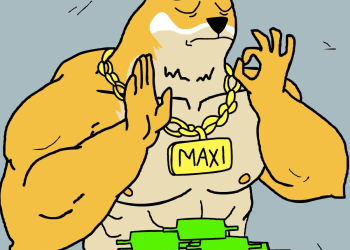
The article "You Can Turn Everything into a Meme, But Cherish This Cathedral" reflects on the crisis of values in the crypto industry, contrasting its original vision as a "cathedral" of innovation and idealism with its current state as a speculative "casino." It begins with the story of Peter Steinberger, the developer behind the open-source AI project Clawd bot, who was harassed by crypto speculators after they launched a meme token (CLAWD) without his consent and blamed him for its crash. The piece traces the industry’s shift from its early ideals—exemplified by Dogecoin’s community-driven generosity and the constructive ethos of DeFi Summer—to the speculative frenzy fueled by pandemic-era liquidity. This transition enabled the rise of "the tyranny of the mob," where communities driven by financial gain rather than shared values began to target creators, including Dogecoin’s Billy Markus and Ethereum’s Vitalik Buterin, who faced moral coercion and harassment. In 2025, 11.6 million crypto projects failed, highlighting the scale of speculative abuse and the industry’s meme-driven degradation. This culture harms builders, distorts leadership, deters serious investment, and invites harsh regulatory scrutiny. The article concludes by urging a return to the original mission of crypto—building a fair, decentralized future—before the echoes of casino culture drown out the cathedral’s bells for good.

marsbit01/28 08:01

You Can Turn Everything into a Meme, But Cherish This Cathedral

marsbit01/28 08:01

Side Events May Be Drastically Reduced by Over 80%, Is ETHDenver's Glory Fading?

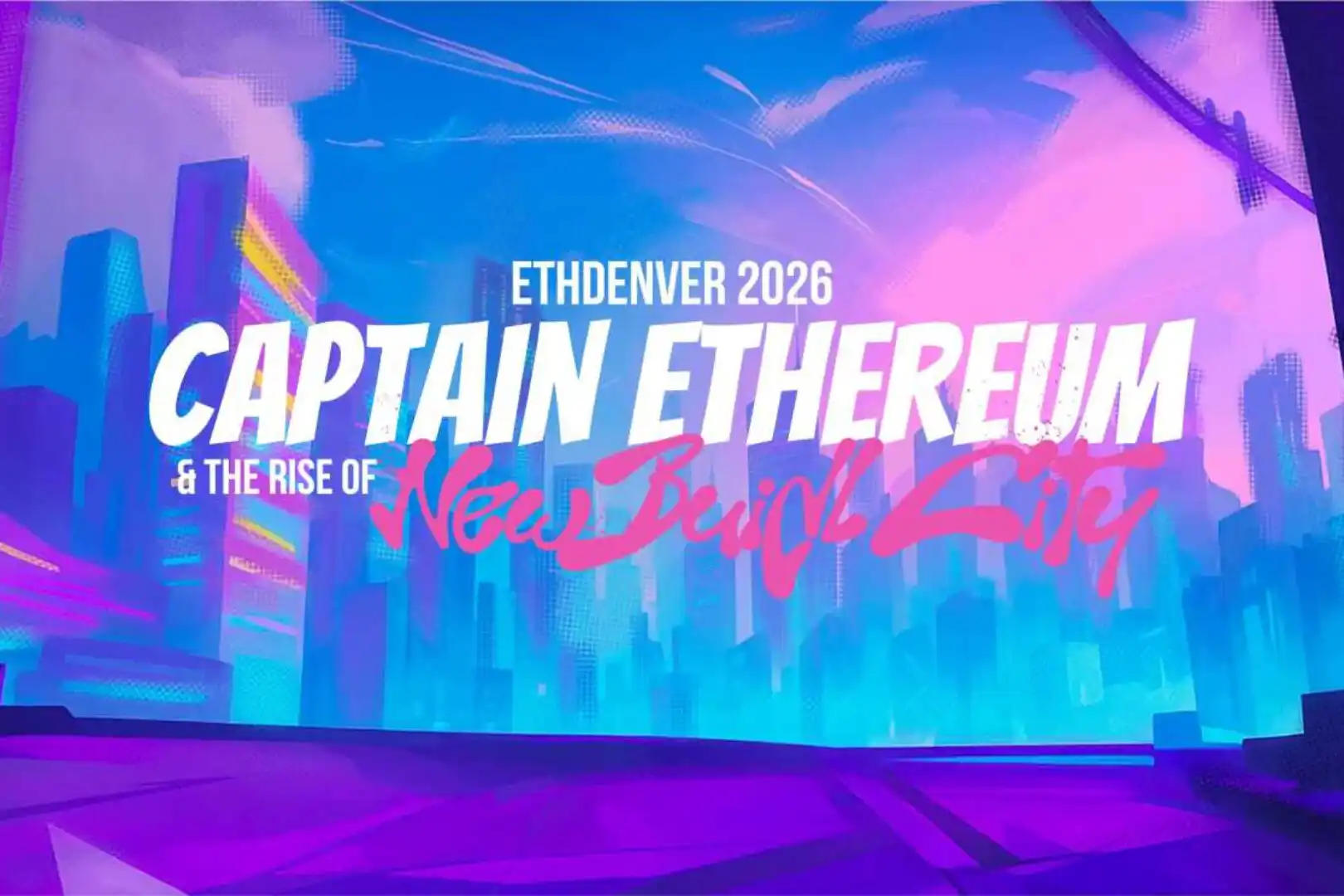
ETHDenver, a major annual Ethereum-focused developer conference, is showing significant signs of decline ahead of its 2026 event. Side events have dropped by approximately 85%, from 668 in 2025 to just 56 this year, reflecting a broader cooling-off in the crypto industry. The event, once known for its community-driven, grassroots hacker ethos, has faced criticism for becoming overly commercialized. In recent years, attendees have reported a shift toward a corporate expo atmosphere, with heavy sponsor presence and brand promotions diluting its original technical and open-source spirit. Additionally, the conference's focus on Ethereum has blurred, as it increasingly included projects and sponsors from outside the Ethereum ecosystem. This has led to concerns about the event losing its core identity, despite organizers' claims that most content remains Ethereum-related. Broader industry trends have also played a role. High expectations for supportive crypto policies under the new U.S. administration have not materialized into substantial market recovery or regulatory clarity, dampening enthusiasm. Furthermore, the 2026 event coincides with the Lunar New Year, limiting participation from Asian communities. Despite these challenges, ETHDenver 2026 continues to emphasize builders and community. The reduction in side events may lead to a more focused experience, though it raises questions about the event’s ability to sustain engagement in a post-bubble market.

marsbit01/26 11:24

Side Events May Be Drastically Reduced by Over 80%, Is ETHDenver's Glory Fading?

marsbit01/26 11:24

OKX "New Year's Eve Dinner" Concludes: Industry Exchange Phase Wraps Up, New Journey of the Year of the Horse Begins

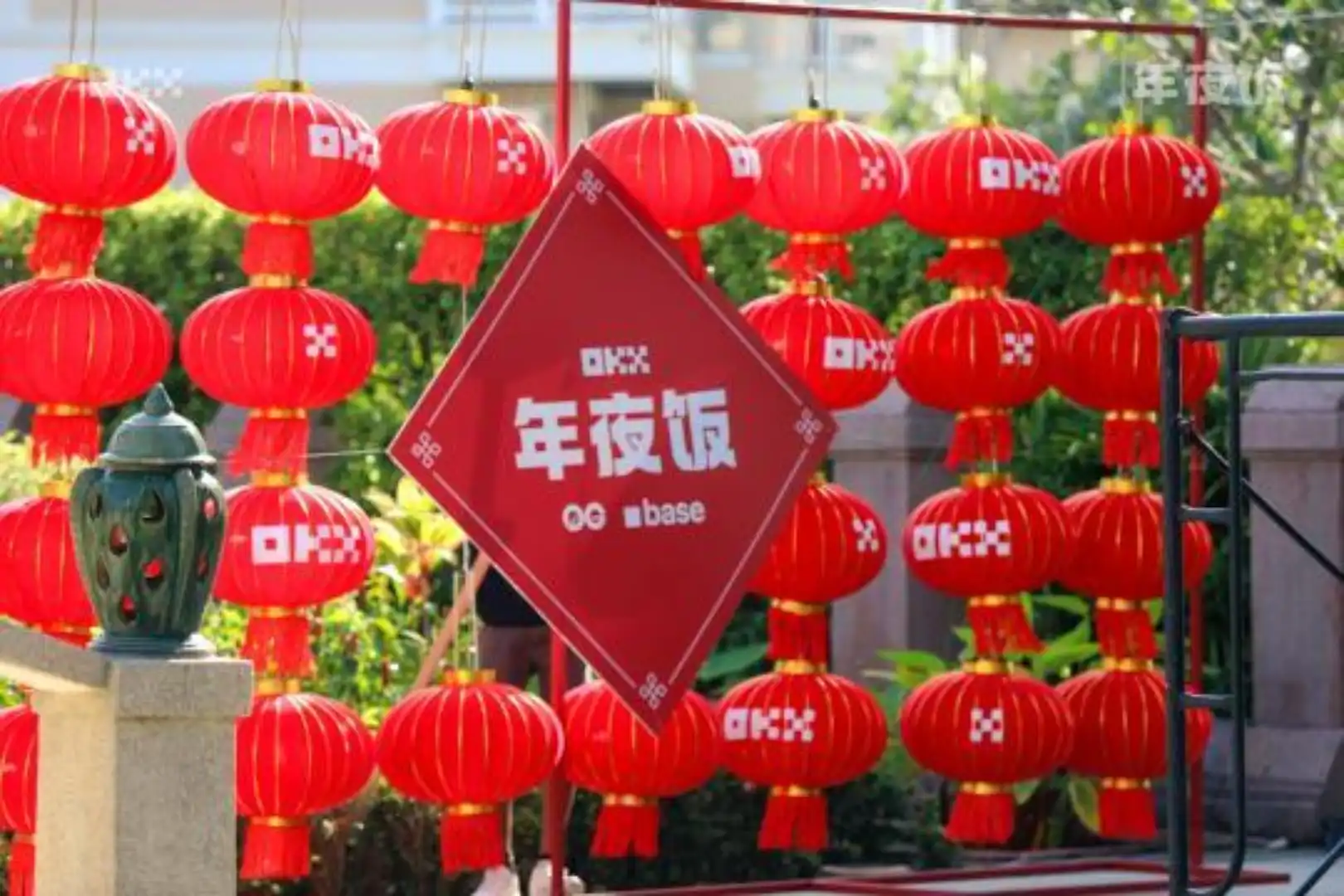
OKX's "New Year's Eve Dinner" event concluded on January 25, 2026, marking a year-end gathering for industry builders. Sponsored by partners like 0G and Base, the event brought together over 100 industry professionals and media representatives to discuss OKX's latest developments, industry trends, and practical insights. OKX CEO Star emphasized in a video address that the crypto industry is entering a new phase driven by technological advances, generational shifts, and global regulatory frameworks. He urged participants to focus on long-term value and maintain industry credibility. Star also highlighted OKX’s commitment to providing diverse, compliant, and user-friendly financial services globally. The company plans to expand its ecosystem by supporting more on-chain assets, including cross-chain and real-world assets (RWA), and enhancing products like X Layer, OKX Web3 Wallet, and OKX Pay. OKX’s Global Head of Marketing, Tianyi, noted that OKX now serves over 120 million users worldwide. The past year saw significant progress in compliance across key markets and partnerships with institutions like Standard Chartered, DBS, and Mastercard. Product innovations such as built-in DEX, yield-earning options, and AI-powered risk controls were also highlighted. Zakk, Head of OKX Wallet, shared that the wallet supports 140 blockchains, 30 of which include DEX integrations, and aims to improve security, self-custody, and user experience. Jason, Product Lead for OKX Planet Community, introduced the platform’s public testing phase—a community product integrating content, trading, and social features. Terrence, Head of Strategy Trading, announced the upcoming AI Trading Bot, which allows users to create and execute strategies using natural language, with plans to expand into on-chain trading and multi-asset management. The event included an awards ceremony recognizing contributors to content and community growth over the past year. OKX aims to make the "New Year's Eve Dinner" an annual platform for industry collaboration, promoting compliance, innovation, and the expansion of Web3 applications.

marsbit01/26 03:32

OKX "New Year's Eve Dinner" Concludes: Industry Exchange Phase Wraps Up, New Journey of the Year of the Horse Begins

marsbit01/26 03:32

Ethereum Hong Kong Meetup Successfully Concludes First Monthly Offline Gathering

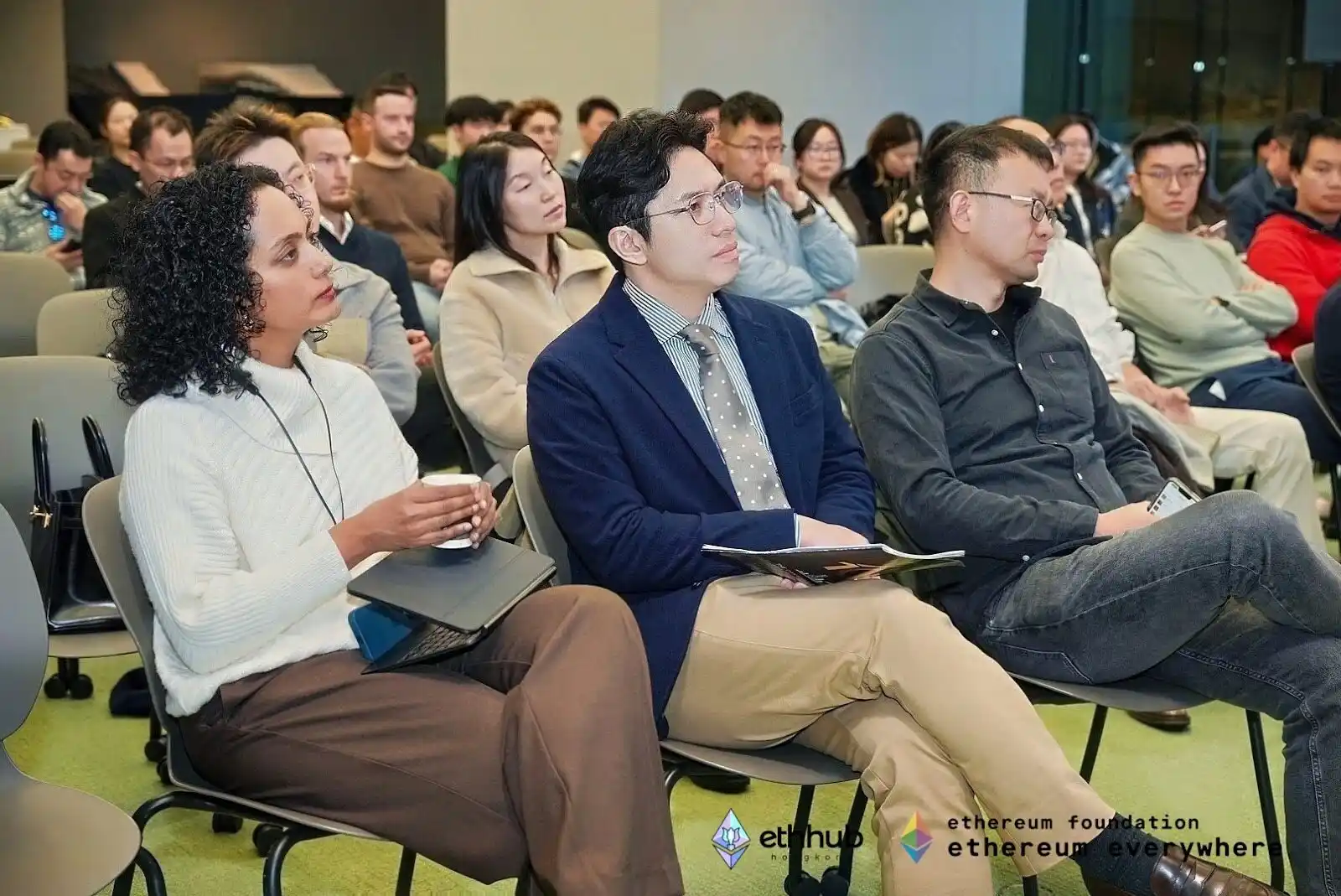
Ethereum Hong Kong Meetup Successfully Concludes Its First Monthly Offline Gathering Supported by the Ethereum Foundation's "Ethereum Everywhere" initiative and co-organized by SNZ and ETHTAO, the Hong Kong Ethereum Community Hub successfully held its first offline event on January 24. This marked the public debut of Asia’s first physical Ethereum hub and established a new tradition of monthly meetups for the local Ethereum community. The event attracted over 150 participants, fostering a vibrant atmosphere for in-depth exchanges among the Ethereum Foundation team, local developers, researchers, entrepreneurs, institutional partners, and enthusiasts. This reflects the Foundation’s increased engagement in supporting ecosystem growth in Hong Kong and Asia through closer communication. Highlights of the event included a trilingual (English, Mandarin, Cantonese) keynote by Adrian Li, the Ethereum Foundation’s Ecosystem Development Lead for Asia, outlining strategic development and future opportunities in the Asia-Pacific region. Three core panel discussions followed: 1. Programmable Privacy and Compliance: Experts from SNZ Holding, the Ethereum Foundation, Yunfeng Financial, and Brevis explored the application and regulatory boundaries of privacy technology. 2. Real-World Assets (RWA) from Protocol to Practice: Representatives from China Asset Management (Hong Kong), Chainlink, HashKey Group, and Asseto discussed institutional asset tokenization and regulatory outlook. 3. DeFi’s New Chapter on Layer 2: Leaders from Spark, Taiko, Morpho, SuperReturn, and Cap Money shared insights on Layer 2 ecosystem development and protocol innovation. The event also featured networking sessions and a tour of the Hub space, strengthening community ties. Moving forward, the Hong Kong Ethereum Community Hub will host regular monthly events and offer membership services, coworking spaces, and event venues to support Ethereum innovation and solidify Hong Kong’s role as a leading Web3 hub in Asia.

marsbit01/25 15:08

Ethereum Hong Kong Meetup Successfully Concludes First Monthly Offline Gathering

marsbit01/25 15:08

Why Are We So Persistent in That 'Laborious and Unrewarding' Data Cleaning?

In the article "Why Are We So Committed to 'Labor-Intensive and Unrewarding' Data Cleaning?", the RootData team reflects on their second bounty event, which focused on enhancing data transparency in Web3. The event involving over 140 participants resulted in 1,220 submissions, with 564 valid data points approved—a 46.2% acceptance rate. Key improvements included identifying key team members from projects like MOMO.FUN and Subhub (often not publicly listed), correcting inaccuracies in token unlock details and TGE timelines, and updating outdated information such as misattributed founders and deprecated social accounts. The author emphasizes that ensuring data transparency—though challenging—is critical for protecting investors' "right to know." In Web3, where misinformation is common (e.g., inconsistent token unlock data across platforms), RootData aims to serve as a reliable source of validated information. The team notes that core team changes around TGE events often signal project risks, yet such details are frequently overlooked. To uphold transparency, RootData publishes monthly reports on false fundraising claims, conducts in-depth analyses (e.g., exchange listing reports), and cross-verifies data rigorously—even declining unverified submissions. They also engage with industry leaders like Binance to align on data accuracy goals. The long-term vision is to transform isolated data points into structured, actionable transparency reports that support informed investment decisions. The article concludes by advocating for collective effort in advancing Web3 data integrity.

marsbit01/24 09:09

Why Are We So Persistent in That 'Laborious and Unrewarding' Data Cleaning?

marsbit01/24 09:09

活动图片