# Belief Related Articles

HTX News Center provides the latest articles and in-depth analysis on "Belief", covering market trends, project updates, tech developments, and regulatory policies in the crypto industry.

GameStop Exits and Runs Away, Saylor Is Still Buying

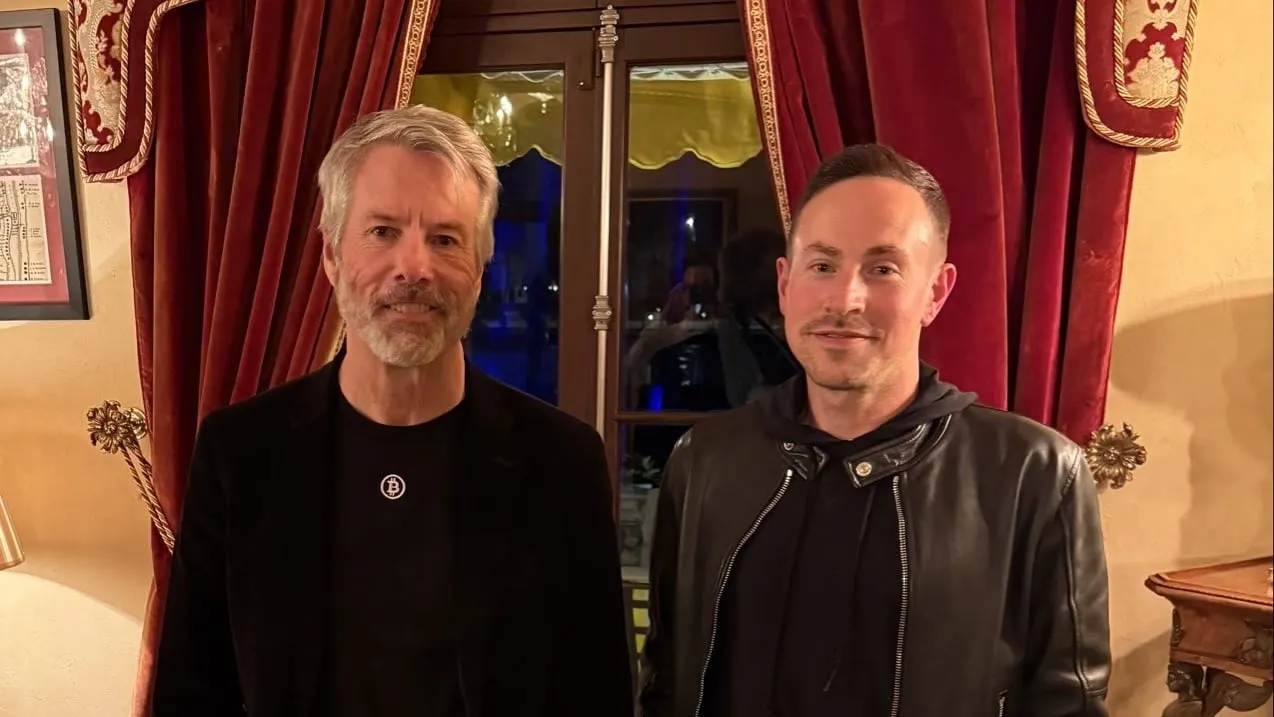
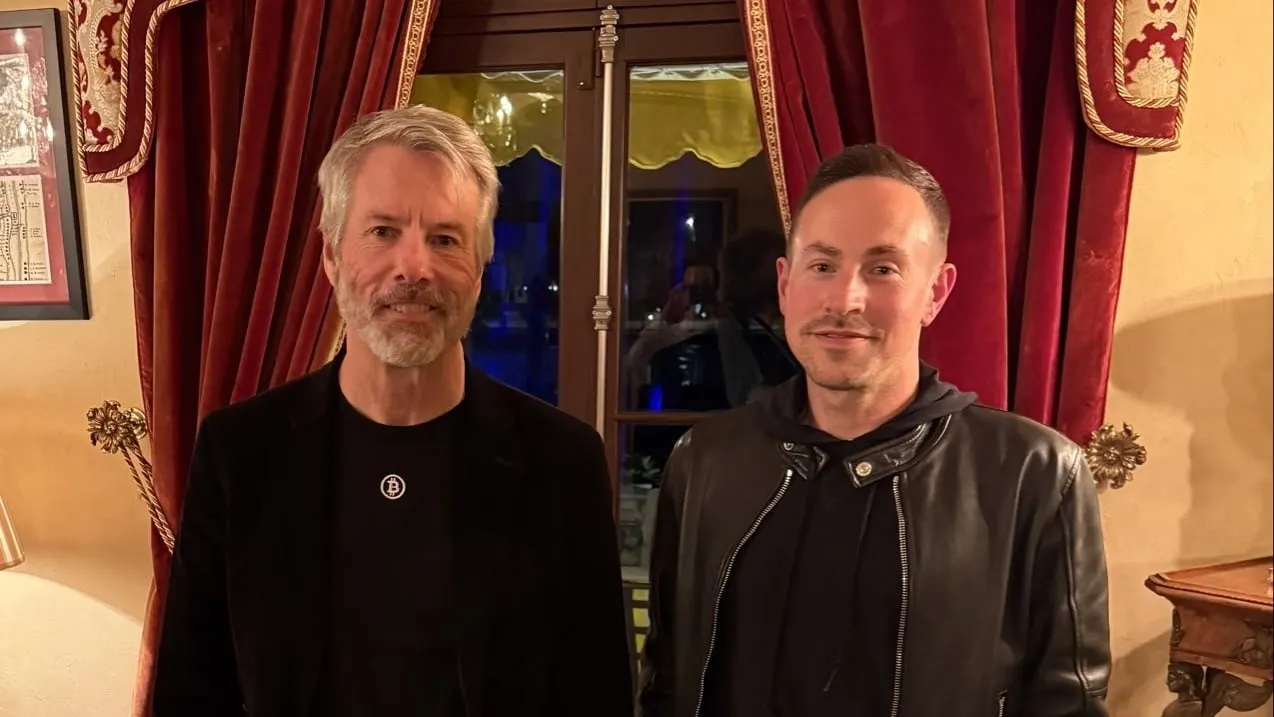
Ryan Cohen, CEO of GameStop, announced the company is divesting its entire Bitcoin holdings of approximately 4,710 BTC (worth around $450 million), transferring them to Coinbase Prime, signaling an intent to sell. This move comes less than a year after GameStop initially invested $513 million in Bitcoin, which represented only about 10.4% of its cash reserves at the time—characterized more as a speculative trial rather than a core strategic commitment. In contrast, Michael Saylor and MicroStrategy continue to aggressively accumulate Bitcoin, even during market downturns, demonstrating a deeply held conviction in the asset. While MicroStrategy’s approach has been all-in, leveraging debt to buy more Bitcoin during dips, GameStop’s exit reflects a lack of long-term belief in Bitcoin as a treasury asset. The divergence highlights a broader trend: the initial “corporate Bitcoin treasury” strategy—where companies buy Bitcoin to potentially boost stock performance—is losing steam as the market corrects. Analysts suggest the space may consolidate, evolve into more sophisticated financial strategies, or see Bitcoin downgraded to a high-risk alternative asset rather than a revolutionary balance sheet choice. GameStop is now pivoting toward becoming a diversified investment holding company, with ambitions to grow into a $100 billion+ enterprise, possibly through acquisitions. The episode underscores a divide between short-term speculators and long-term believers like Saylor, who continues to buy despite volatility. The market will ultimately judge which strategy prevails.

比推02/04 13:15

GameStop Exits and Runs Away, Saylor Is Still Buying

比推02/04 13:15

GameStop Exits, Saylor Still Buying

GameStop, led by CEO Ryan Cohen, has reportedly moved its entire Bitcoin holdings of approximately 4,710 BTC (worth around $450 million) to Coinbase Prime, signaling an intent to sell. This decision comes less than a year after the company initially invested $513 million in Bitcoin, averaging a cost of about $108,917 per coin. Cohen publicly stated that he now sees a more attractive strategy than Bitcoin, focusing on transforming GameStop into an investment holding platform akin to Berkshire Hathaway. This move contrasts sharply with the approach of Michael Saylor and MicroStrategy, who have continued to aggressively accumulate Bitcoin despite market downturns. While GameStop’s investment represented only about 10.4% of its cash reserves, MicroStrategy has heavily leveraged its balance sheet to buy Bitcoin, reflecting a deeper conviction in the asset. The divergence highlights a broader trend: corporate Bitcoin treasury strategies, which thrived during bull markets, are now under pressure as prices fall. Some companies may exit entirely, while others, like MicroStrategy, double down. The market is likely to see consolidation, evolution in financial strategies around Bitcoin, and a potential downgrade in Bitcoin’s narrative from a revolutionary asset to a high-volatility alternative. GameStop’s exit may become a footnote in the larger story of corporate Bitcoin adoption, underscoring the difference between short-term speculation and long-term belief.

marsbit02/04 07:42

GameStop Exits, Saylor Still Buying

marsbit02/04 07:42

Believing in the Capital Market: The Essence and Core Value of Cryptocurrency

The article "Believing in the Capital Market: The Essence and Core Value of Cryptocurrency" argues that the true foundation of the crypto industry is not technological utility or capital manipulation, but faith and consensus, forming what the author terms a "faith capital market." The author posits Bitcoin as a modern religion, drawing parallels to traditional faiths: it has a creator (Satoshi Nakamoto), a foundational text (the whitepaper), core tenets (e.g., the collapse of the modern financial system). However, its key differentiators are its decentralized consensus formation, internet-native propagation through memes, and a unique system where acts of "faith" like running a node or holding BTC are rewarded with both spiritual and material gains (price appreciation). The piece explores the double-edged sword of secularization. While it expands influence (like Christmas for Christianity), in crypto, it attracts speculators who dilute the core faith, leading to industry-wide "narrative failure" and a loss of purpose. The author critiques the industry's "technology myth," arguing that the relentless pursuit of faster blockchains with more utility is a self-destructive distraction from crypto's core value: decentralized consensus on value. The proposed savior is not more technology, but meme coins—or more accurately, "faith assets." True faith assets, like $SPX or $NEET, are not mere jokes; they are new religions with clear doctrines that galvanize communities around shared beliefs, mirroring Bitcoin's original role. The author concludes that the market's essence is this faith capital, and its future resurgence depends on recognizing and nurturing these belief-based assets, not on technological specs. The piece is a call to return to the foundational belief that value is derived from collective, decentralized consensus.

marsbit12/23 07:22

Believing in the Capital Market: The Essence and Core Value of Cryptocurrency

marsbit12/23 07:22

活动图片