# Anxiety Related Articles

HTX News Center provides the latest articles and in-depth analysis on "Anxiety", covering market trends, project updates, tech developments, and regulatory policies in the crypto industry.
After OpenClaw's China Tour, We Interviewed a Group of 'Lobster Chasers'

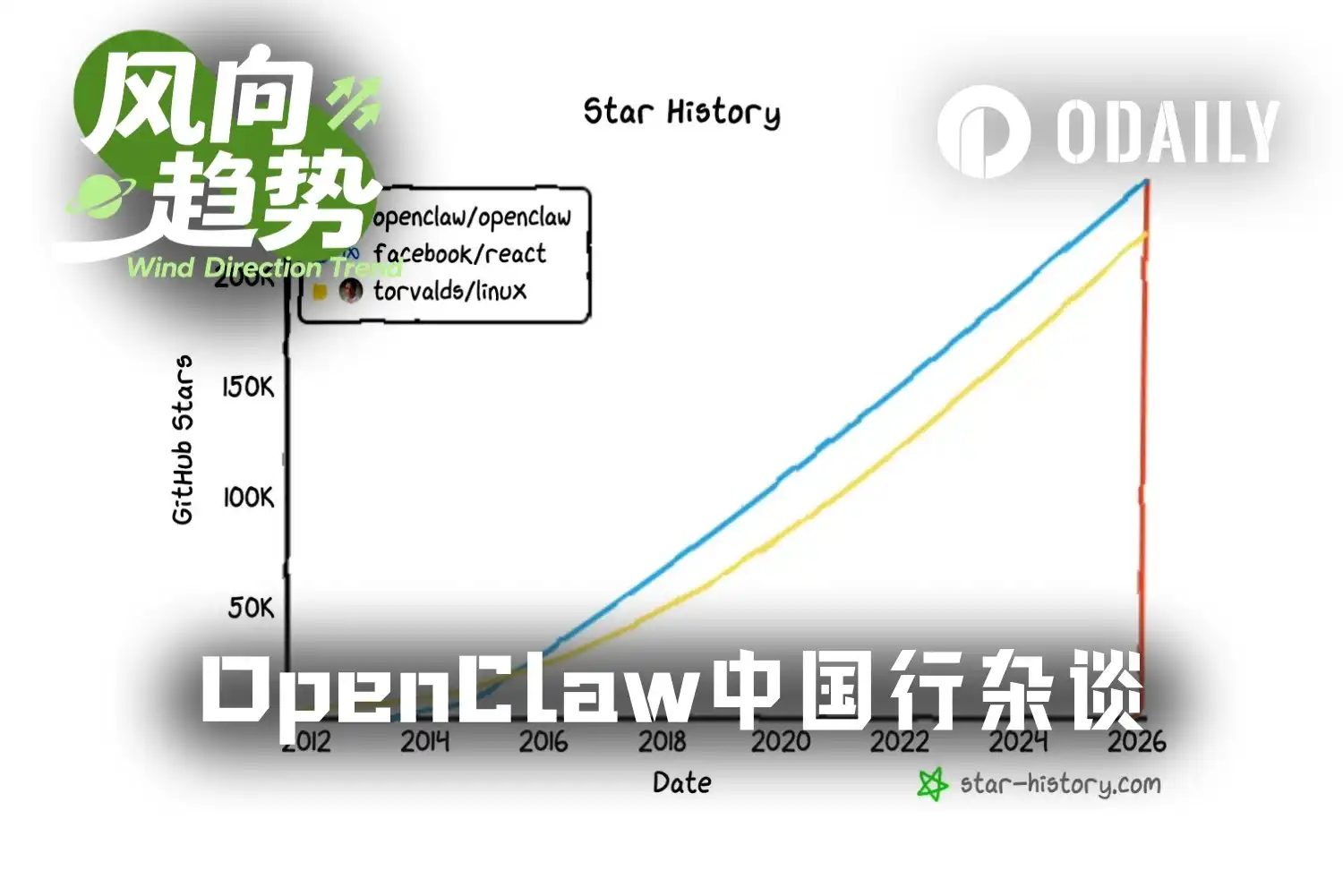
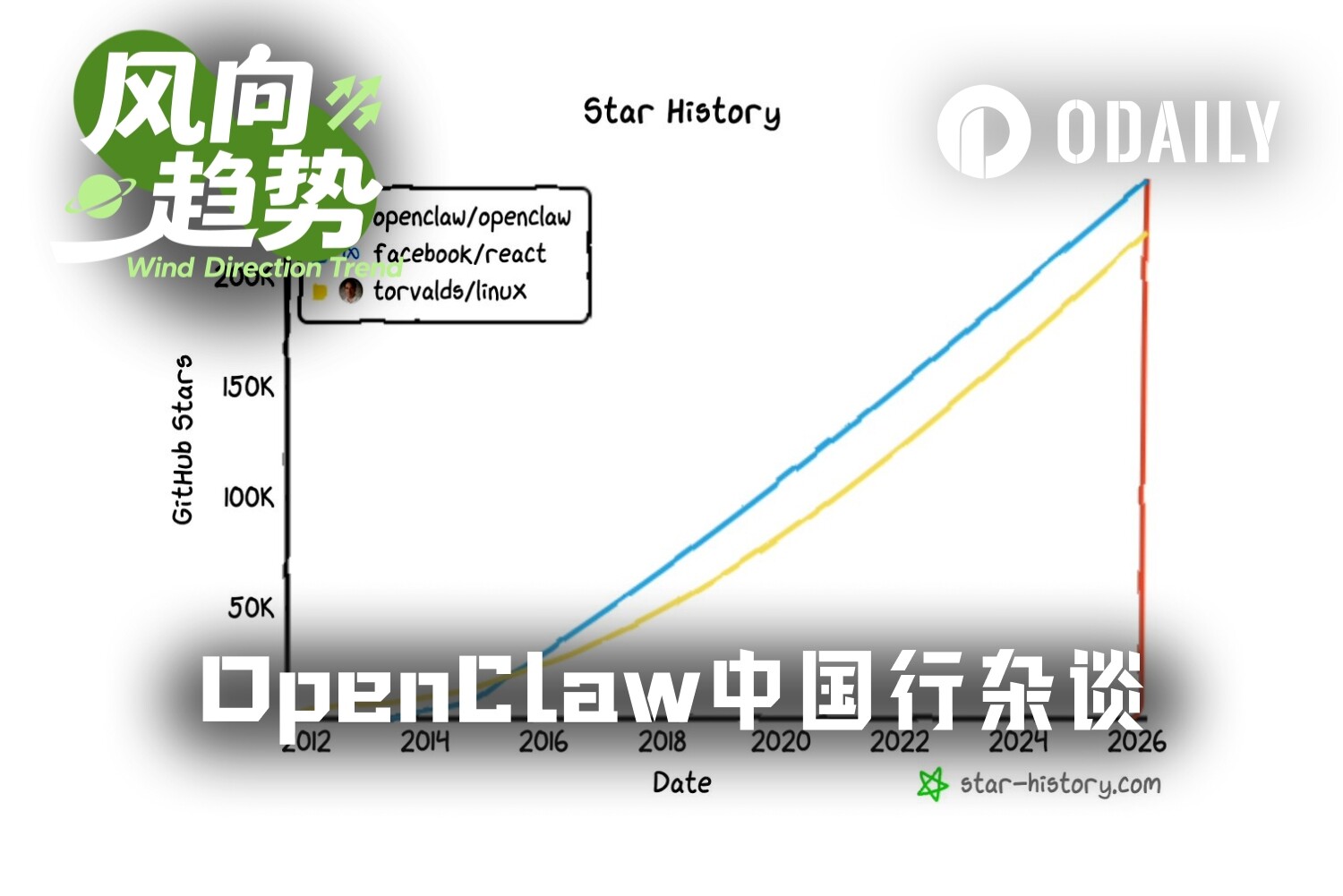
In March 2026, OpenClaw surpassed React to become the most-starred project on GitHub, rapidly gaining global recognition as a leading AI tool. Dubbed the "lobster" by enthusiasts, this automation-focused AI agent has sparked widespread discussion and a sense of urgency among tech communities, particularly in China. Following the "Web4.0 China Tour" initiated by figures from the crypto space, offline events saw significant turnout, attracting everyone from seasoned developers to curious newcomers, including teenagers and seniors. Participants expressed a mix of excitement and "AI anxiety," driven by fears of being left behind. Discussions revealed divergent perspectives: while some see AI as a threat to jobs, others, citing reports like Anthropic’s, argue it will reshape rather than replace roles—impacting structured, cognitive tasks more than manual labor. The intersection of AI and crypto also emerged as a key theme, with some believing cryptocurrency could become the native economic system for AI agents. Despite the hype, many users struggle to operationalize OpenClaw, with some paying for installation services only to face unexpected costs or operational challenges. The consensus among informed participants is that success lies not in merely adopting the tool, but in effectively leveraging it to solve real problems. In the age of AI, early adoption does not guarantee advantage—meaningful outcomes depend on practical application.

Odaily星球日报03/07 03:07

After OpenClaw's China Tour, We Interviewed a Group of 'Lobster Chasers'

Odaily星球日报03/07 03:07

Life's K-Line Can't Save You from Anxiety, Prediction Markets Can't Calculate the Outcome

In early 2026, a sudden geopolitical event shocked the world: the U.S. captured Venezuelan President Nicolás Maduro, an outcome largely unpredicted by prediction markets like Polymarket, where his ouster was priced at only 5–7 cents shortly before the event. This incident underscores a recurring theme: major historical shifts often occur without warning. Against this backdrop, two tools gained attention in late 2025: “Life K-line,” which visualizes personal fate based on birth data, and prediction markets that quantify event probabilities through financial betting. Both promise a sense of control in an uncertain world—Life K-line offers emotional comfort through narrative structure, while prediction markets use price signals to suggest actionable foresight. However, these systems have significant limitations. Life K-line, though marketed as entertainment, may influence real-life decisions, while prediction markets are vulnerable to manipulation and insider influence. More fundamentally, predictive tools are inherently constrained by algorithmic bias, cultural assumptions, and the inevitability of black swan events. Relying too heavily on them can dull intuition and create a false sense of security. Ultimately, uncertainty is an irreducible part of life. Rather than seeking illusory control through prediction, the article argues for building antifragility—adapting to unpredictability and embracing the unscripted moments that define real life. True resilience lies beyond the charts and odds.

marsbit01/05 03:33

Life's K-Line Can't Save You from Anxiety, Prediction Markets Can't Calculate the Outcome

marsbit01/05 03:33

活动图片