# AI Agents Related Articles

HTX News Center provides the latest articles and in-depth analysis on "AI Agents", covering market trends, project updates, tech developments, and regulatory policies in the crypto industry.
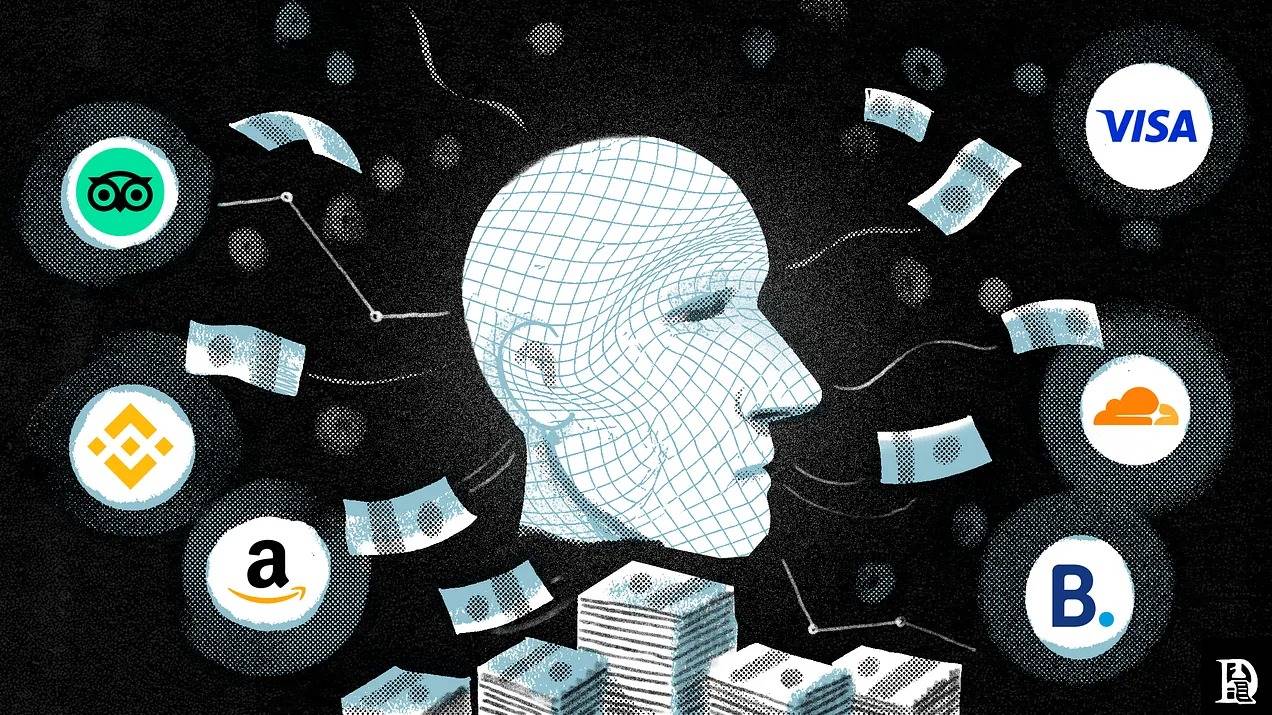
Identity, Recourse, Attribution: Decoding the Three Breakthrough Points of the Next-Generation AI Agent Economy

Identity, Recourse, Attribution: Decoding the Three Breakthrough Points of the Next-Generation AI Agent Economy As AI agents begin to handle transactions, new standards like OpenAI's ACP and Google's AP2 are emerging to facilitate payments, while protocols like x402 enable machine-to-machine micropayments. However, these systems lack the trust infrastructure—identity verification, fraud detection, and dispute resolution—that underpins traditional commerce. This creates a critical gap: while blockchain enables fast, irreversible settlements, agents operate without mechanisms for recourse when errors occur. The solution requires building new layers for the agent economy: a "Know Your Agent" (KYA) identity system to establish persistent, verifiable credentials; a recourse mechanism to handle disputes and provide insurance-like protection; and an attribution layer to track influence on purchasing decisions. Established players like card networks and AI labs are unlikely to lead this effort due to misaligned incentives, creating opportunities for startups. The development of agent commerce will unfold in three stages: as an interface (current stage), executing under human supervision (where trust layers become critical), and fully autonomous transactions. Startups that build identity, recourse, and attribution infrastructure will enable the transition to an economy where agents transact freely and securely at scale.

深潮12/22 10:00

Identity, Recourse, Attribution: Decoding the Three Breakthrough Points of the Next-Generation AI Agent Economy

深潮12/22 10:00

How Does x402 V2 Enable Autonomous Payments for AI Agents?

The x402 protocol, initially developed by Coinbase, leverages the HTTP 402 status code to embed payment logic directly into web requests. The newly released V2 upgrade introduces significant improvements to address limitations in cross-chain support, scalability, identity authentication, and repeated payments experienced in V1. Key enhancements include: - **Wallet Identity and Reusable Sessions**: Supports wallet-based authentication (e.g., Sign-In-With-X via CAIP-122), allowing reusable sessions after initial payment. This reduces latency and costs for high-frequency use cases like AI agent tasks and LLM inference. - **Unified Payment Interface**: Enables multi-chain payments (e.g., Base, Solana) and compatibility with traditional systems (ACH, SEPA, credit cards) via Facilitators. Dynamic payTo routing allows context-aware pricing and complex market structures. - **Modular Architecture**: A plugin-driven SDK simplifies integration, supporting easy expansion to new chains and payment methods without core changes. Multi-Facilitator support automates optimal payment path selection based on preferences. - **Automatic Discovery**: Services can expose metadata for automatic synchronization, ensuring real-time pricing and availability updates without manual intervention. For end-users, V2 enables seamless, subscription-like access with reduced friction. Developers benefit from flexible, low-maintenance payment integration and dynamic pricing models. AI agents gain autonomy to make economic decisions, such as purchasing API calls or compute resources independently using allocated budgets. x402 V2 evolves from a pay-per-use tool into a versatile economic layer, though challenges like ecosystem adoption, modular risks, and regulatory uncertainty remain.

比推12/12 12:36

How Does x402 V2 Enable Autonomous Payments for AI Agents?

比推12/12 12:36

活动图片