Goldman Sachs: Hedge funds suffered huge losses amid the slowing pace of AI market growth in July

cryptonews.ruPublished on 2026-08-21Last updated on 2026-08-21

Abstract

According to Goldman Sachs, hedge funds suffered significant losses in July as the momentum behind AI-related stocks cooled. The bank reported that a correction in these stocks forced managers to unwind large positions, leading to one of the sharpest periods of derisking in a decade. Hedge funds saw their worst monthly underperformance against the S&P 500 in over 20 years based on popular long positions, with JPMorgan noting the tech sell-off erased roughly 3% of July gains. Analysts suggest this summer slump may be part of a predictable seasonal pattern, where funds typically shed losing equity positions in July before potentially buying back into tech stocks by September. While the AI frenzy had driven hedge funds to strong performance in Q2, heavy concentration in semiconductor, cloud, and AI infrastructure stocks made July's reversal particularly painful. The overcrowded trades amplified losses as momentum faded. Despite the volatility, Goldman Sachs noted that US long/short equity hedge funds were still up 10% by mid-August. The July sell-off is viewed not as a rejection of AI as an investment theme, but as a warning that valuations and positioning had become excessive. Whether hedge funds return to tech stocks in September will determine if this was merely a seasonal adjustment or requires a broader portfolio reassessment.

According to Goldman Sachs, hedge funds suffered significant losses as the pace of growth in AI-related company stocks slowed in July. The bank stated that the correction in the stocks of such companies forced managers to close some of their large positions, leading to one of the strongest periods of asset value decline in the past 10 years.

The report noted: "Our VIP list of hedge funds, containing the most popular long positions, experienced its worst monthly underperformance relative to the S&P 500 index in over 20 years, and July marked one of the sharpest episodes of hedge fund revenue contraction in the past decade."

According to the bank, hedge funds are currently rapidly reducing their investments in the stocks of artificial intelligence companies.

Hedge funds lost over 3% of their profits in July

Goldman Sachs claims that hedge fund performance metrics, leverage levels, and key long positions have significantly changed in connection with the shift in AI-related trading trends. Data from across Wall Street also confirms this cooling-off period.

Similarly, in early August, JPMorgan asserted that the sell-off in technology stocks erased 3% of hedge fund profits in July.

According to their analysts, fund managers were trapped in overcrowded positions in the technology sector, creating a bottleneck that prevented speculators from withdrawing cash before their profits vanished.

However, this summer downturn may be part of a predictable seasonal pattern. JPMorgan noted that since 2018, hedge funds have tended to shed losing equity positions in July. Due to this cycle, the bank hinted that traders could very well start buying technology stocks again by September, noting that managers often close trades in mid-summer only to repurchase the stocks on the market in the following months.

This year, as AI-related trading began to lose momentum, analysts remained optimistic about the prospects of AI trading and hedge fund performance. In late July, Vincent Lin, co-head of Prime Insights Analytics & Research at Global Banking & Markets, even noted that hedge funds remain deeply committed to AI technology.

At the time, he explained that the historic wave of technology stock selling appeared more like a healthy market correction amid high volatility than a loss of confidence in AI. However, as traders are now moving away from AI-related trades, it's unclear whether investors maintain an optimistic outlook on technology stocks.

Earlier this year, the war in Iran triggered a difficult March for hedge funds. However, funds quickly recovered thanks to a massive rally in chipmaker stocks led by Samsung, AMD, and SK Hynix.

The AI boom largely contributed to the excessively positive hedge fund results in Q2

Primarily, the hype around AI company stocks drove the rise in hedge fund returns in the second quarter, pushing investors to historic highs. According to Goldman Sachs, technology stocks accounted for 14 of the 20 positions on the list of fastest-growing and most popular stocks on Wall Street.

Overall, according to the analytics firm HFR, strong investment performance helped increase the industry's total assets by $409 billion, bringing the overall total to $5.6 trillion for the quarter. It was also shown that macro strategies, where hedge funds place investment bets tied to metrics like economic growth and inflation, have become the most in-demand hedge fund investment style this year.

Speaking of the excellent results of that time, Shenan Dhanani, co-executive director of Trium Capital, noted that it could become a "golden era" for funds.

However, since then, hedge fund performance has declined from those highs, although funds are still outperforming their usual averages.

The concentration of hedge fund portfolios in AI-related companies also made the July reversal more painful. Stocks of companies related to semiconductors, cloud computing, and AI infrastructure attracted significant institutional demand during the rally, leaving many fund managers exposed to risk associated with the same set of trades.

When the momentum faded, position overcrowding amplified the losses as investors rushed to reduce their risks simultaneously. This suggests that the July sell-off was not necessarily a rejection of AI as an investment theme, but rather a warning that valuations and positioning had become stretched.

"Despite the volatility, US long/short equity hedge funds have shown a return of 10% by mid-August," stated Goldman Sachs.

If hedge funds return to technology stocks in September, the recent correction may turn out to be nothing more than a summer repositioning.

However, persistent weakness in the AI-related equity market may force managers to reconsider the positions that contributed to their strong growth earlier this year.


Related Questions

QAccording to Goldman Sachs, what was the main reason hedge funds suffered significant losses in July?

AHedge funds suffered significant losses in July primarily due to a slowdown in the growth momentum of AI-related stocks. This correction forced fund managers to unwind large concentrated positions.

QWhat did Goldman Sachs report about the performance of hedge funds' most popular long positions in July compared to the S&P 500?

AGoldman Sachs reported that the hedge fund VIP list, which tracks their most popular long positions, experienced its worst monthly underperformance versus the S&P 500 in over 20 years during July.

QHow did JPMorgan characterize the impact of the tech stock sell-off on hedge fund performance in July?

AJPMorgan stated that the sell-off in tech stocks effectively erased 3% of hedge fund gains for the month of July.

QWhat did analysts suggest might happen to hedge fund activity regarding tech stocks in September, based on a recent seasonal pattern?

ABased on a seasonal pattern observed since 2018 where hedge funds typically cut losing equity positions in July, analysts suggested that traders might well start buying tech stocks again by September, often repurchasing shares in the following months.

QDespite the July downturn, what was the year-to-date performance of US long/short equity hedge funds reported by Goldman Sachs as of mid-August?

ADespite the July downturn, Goldman Sachs reported that US long/short equity hedge funds were still up 10% for the year as of mid-August.

Related Reads

The Biggest Dark Horse in AI Payments Might Be Coinbase Giving Agents a Wallet

In the AI payments race, while most focus on traditional giants like Visa or AI platforms like OpenAI, Coinbase has quietly emerged as a key player. Data from 2026 shows over 90% of on-chain Agent transactions occur on Coinbase's Base network, with 99% settled in USDC and over 97% using the x402 protocol. Coinbase's pivotal move was launching "Agentic Wallets" in February 2026—a dedicated wallet infrastructure giving AI Agents their own financial identity. Unlike Visa or Stripe, which connect Agents to existing payment rails, Coinbase provides Agents with autonomous wallets to hold assets (like stablecoins), initiate transfers, and execute transactions under predefined rules. This solves core issues for machine-to-machine payments: high credit card fees for micropayments, the need for constant human authorization, and unclear transaction attribution. Coinbase's strength lies in its closed-loop ecosystem: the Base blockchain (low-cost, high-throughput), the x402 payment protocol, Agentic Wallets, and native assets like USDC. This integrated stack, built through years of infrastructure investment, positioned Coinbase to capture early Agent payment demand as the AI economy surged. The key insight is that AI payment adoption may depend less on whose standard wins and more on whose usable infrastructure is ready first. While debates over protocols and payment rails continue, real Agent transactions are already flowing—primarily through Coinbase's ecosystem. It may not be the ultimate winner, but for now, it's the frontrunner by being prepared.

marsbit15m ago

The Biggest Dark Horse in AI Payments Might Be Coinbase Giving Agents a Wallet

marsbit15m ago

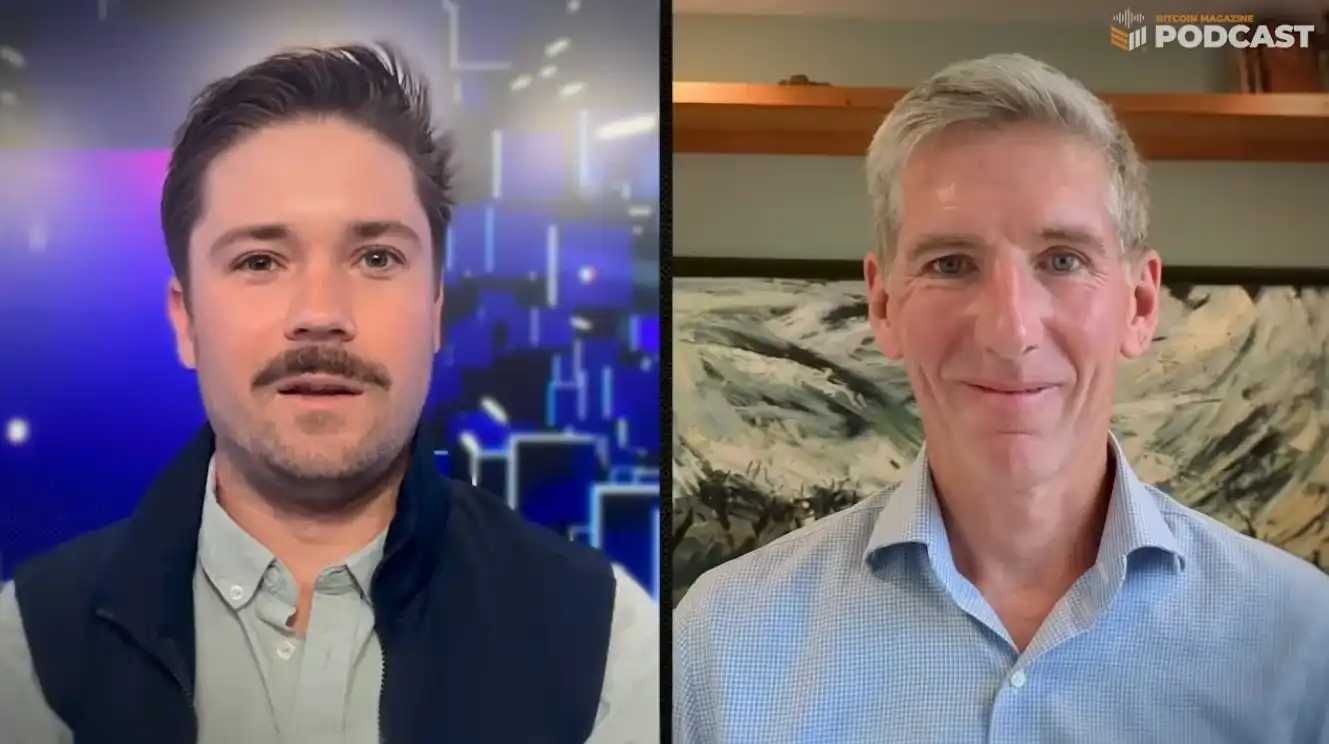
Dialogue with Bitwise CIO: Bitcoin May Be Near Bottom, Who Will Drive the Next Rally?

In a recent podcast, Bitwise CIO Matt Hougan analyzed Bitcoin's current market cycle, suggesting it is near a bottom characterized by low volatility and investor indifference. He believes the next major price surge will be driven primarily by wealth management platforms, financial advisors, and family offices, who control trillions in assets and are now gaining access to Bitcoin ETFs. Hougan views Bitcoin as a long-dated, out-of-the-money call option on it becoming a global reserve asset. Its value increases with global monetary system volatility, making it a natural hedge against currency disorder. He outlined Bitcoin's adoption path: first as a global digital store of value (competing with gold), and potentially later as a check against fiat currency abuse by sovereign states. Addressing the muted price action despite institutional ETF inflows, Hougan explained that significant selling by long-term retail holders has offset buying pressure. However, he is optimistic as data shows retail selling has subsided, which, combined with continued institutional inflows, could propel prices higher. Hougan downplayed the future impact of Federal Reserve interest rates and MicroStrategy's actions on Bitcoin's price, arguing they are becoming less relevant. Instead, he pointed to runaway U.S. fiscal deficits and debt as the core long-term drivers. Finally, he discussed the transformative potential of asset tokenization, predicting all traditional assets will eventually trade 24/7 on blockchains. This will merge traditional and crypto markets, increasing efficiency but also introducing crypto-like features such as overnight volatility and easier access to leverage into traditional finance.

marsbit55m ago

Dialogue with Bitwise CIO: Bitcoin May Be Near Bottom, Who Will Drive the Next Rally?

marsbit55m ago

Dalio Warns of U.S. Bond Supply-Demand Imbalance: Gold and Bitcoin Could Become Hedge Assets in Debt Crisis

Ray Dalio warns of an unsustainable imbalance in US Treasury supply and demand, drawing parallels to the mechanisms of a "big debt cycle" described in his book. Key recent developments include Japan selling US bonds to support the yen, rising US long-term yields amid weak demand, and limited Treasury buybacks. Dalio explains that when debt service burdens become too large relative to income, and bond supply outstrips market demand, a crisis point approaches. Typically, central banks then print money to buy bonds, leading to currency devaluation and inflation. He simplifies the US government's position: with ~$5.5T in revenue, ~$7.5T in spending, a $2T deficit, and $32T in debt, annual debt service is roughly $1T in interest plus ~$10T in maturing principal needing refinancing. Without change, he estimates a potential debt crisis in roughly three years, give or take two. Dalio proposes a "3% three-part solution" to reduce the deficit to 3% of GDP through balanced spending cuts, tax increases, and naturally lower interest rates. He warns that Japan's high debt, often cited as sustainable, has led to poor bond returns and significant currency losses versus gold and the dollar. In response to questions, Dalio states that all reserve currencies eventually decline via this debt cycle mechanism. He advises investors to diversify globally, favor countries with strong finances and stable politics, underweight bonds, overweight gold, and allocate a small portion (e.g., 10-15%) to Bitcoin as hedges against government-created currency devaluation.

marsbit55m ago

Dalio Warns of U.S. Bond Supply-Demand Imbalance: Gold and Bitcoin Could Become Hedge Assets in Debt Crisis

marsbit55m ago

Trading

Spot
活动图片