Tác giả: Vivek Raman, Etherealize
Biên dịch: Saoirse, Foresight News
Trong thập kỷ qua, Ethereum đã khẳng định vị thế của mình là nền tảng blockchain an toàn và đáng tin cậy nhất được các tổ chức toàn cầu chấp nhận.
Công nghệ Ethereum đã được mở rộng quy mô, tiền lệ ứng dụng thể chế đã được thiết lập, môi trường quản lý toàn cầu cởi mở chào đón cơ sở hạ tầng blockchain, và sự phát triển của stablecoin cùng quá trình token hóa tài sản đang mang lại những thay đổi cơ bản.
Do đó, bắt đầu từ năm 2026, Ethereum sẽ trở thành nền tảng tốt nhất để tiến hành kinh doanh.
Trải qua một thập kỷ quảng bá ứng dụng, vận hành ổn định, phổ cập toàn cầu và đảm bảo tính khả dụng cao, Ethereum đã trở thành lựa chọn hàng đầu cho việc triển khai blockchain của các tổ chức. Tiếp theo, hãy cùng nhìn lại hành trình then chốt trong hai năm qua, Ethereum đã dần trở thành nền tảng mặc định cho tài sản được token hóa như thế nào.
Cuối cùng, chúng tôi sẽ đưa ra dự đoán về Ethereum năm 2026: quy mô token hóa, quy mô stablecoin và giá ETH đều có khả năng tăng trưởng gấp 5 lần. Sân khấu cho sự phục hưng của Ethereum đã được dựng xong, thời cơ chín muồi để các doanh nghiệp áp dụng cơ sở hạ tầng Ethereum đã đến.
Ethereum: Nền tảng cốt lõi cho tài sản được token hóa
Blockchain biến đổi lĩnh vực tài sản, giống như Internet đã định hình lại lĩnh vực thông tin — biến tài sản trở nên kỹ thuật số, có thể lập trình và có khả năng tương tác toàn cầu.
Token hóa tài sản đạt được số hóa thông qua việc tích hợp tài sản, dữ liệu và thanh toán vào cùng một cơ sở hạ tầng, từ đó nâng cấp toàn diện quy trình kinh doanh. Cổ phiếu, trái phiếu, bất động sản và các tài sản cũng như vốn sẽ có thể lưu chuyển với tốc độ Internet. Đây là bản nâng cấp lớn mà hệ thống tài chính đáng lẽ phải đạt được từ lâu, và ngày nay, các blockchain công cộng toàn cầu như Ethereum cuối cùng đã biến tầm nhìn này thành hiện thực.
Token hóa tài sản đang nhanh chóng chuyển từ khái niệm nóng hổi thành bản nâng cấp cơ bản của mô hình kinh doanh. Giống như không doanh nghiệp nào từ bỏ Internet để quay lại thời máy fax, một khi các tổ chức tài chính trải nghiệm được hiệu quả, tự động hóa và tốc độ cao mà cơ sở hạ tầng blockchain chia sẻ toàn cầu mang lại, họ sẽ không quay lại mô hình truyền thống, quá trình token hóa sẽ không thể đảo ngược.
Hiện tại, đại đa số tài sản giá trị cao được token hóa đều được hoàn thành trên nền tảng Ethereum — bởi vì Ethereum là cơ sở hạ tầng toàn cầu trung lập và an toàn nhất, tương tự như Internet, nó không chịu sự kiểm soát của bất kỳ thực thể đơn lẻ nào và mở cho tất cả người dùng.
Tính đến năm 2026, "giai đoạn thử nghiệm" của token hóa tài sản đã chính thức kết thúc, ngành đã bước vào giai đoạn triển khai. Các tổ chức lớn đang trực tiếp ra mắt sản phẩm flagship trên nền tảng Ethereum để tiếp cận tính thanh khoản toàn cầu.
Dưới đây là một số trường hợp tổ chức thực hiện token hóa tài sản trên Ethereum:
- JPMorgan triển khai quỹ thị trường tiền tệ trực tiếp trên Ethereum, trở thành một trong những ngân hàng đầu tiên trực tiếp sử dụng blockchain công cộng;
- Fidelity ra mắt quỹ thị trường tiền tệ trên Ethereum Layer1 (mạng lớp 1), đưa quy trình quản lý tài sản và vận hành vào hệ thống blockchain;
- Apollo ra mắt quỹ tín dụng tư nhân ACRED trên blockchain công cộng, trong đó tính thanh khoản trên Ethereum và Layer2 (mạng lớp 2) của nó là cao nhất;
- BlackRock, với tư cách là một trong những người ủng hộ tích cực nhất cho triết lý "token hóa vạn vật", đã dẫn đầu làn sóng token hóa tài sản thể chế bằng cách ra mắt quỹ thị trường tiền tệ được token hóa BUIDL trên Ethereum;
- Amundi (công ty quản lý tài sản lớn nhất châu Âu) xử lý token hóa quỹ thị trường tiền tệ định giá bằng euro của mình trên nền tảng Ethereum;
- BNY Mellon (ngân hàng lâu đời nhất nước Mỹ) token hóa một quỹ chứng chỉ cho vay thế chấp (CLO) xếp hạng AAA trên nền tảng Ethereum;
- Baillie Gifford (một trong những công ty quản lý tài sản lớn nhất Vương quốc Anh) sẽ ra mắt quỹ trái phiếu được token hóa đầu tiên cùng loại trên Ethereum và mạng Layer2 của nó.
Ethereum: Blockchain cốt lõi cho Stablecoin
Stablecoin là trường hợp rõ ràng đầu tiên đạt được "sự phù hợp sản phẩm - thị trường" trong lĩnh vực token hóa tài sản — quy mô chuyển stablecoin năm 2025 đã vượt 10 nghìn tỷ USD. Stablecoin về bản chất là USD được token hóa, tương đương với "bản nâng cấp phần mềm của tiền tệ", cho phép USD lưu chuyển với tốc độ Internet và có đặc tính có thể lập trình.
Năm 2025 là năm then chốt đối với stablecoin và sự phát triển của blockchain công cộng: Đạo luật GENIUS của Mỹ (còn gọi là Đạo luật Stablecoin) chính thức được thông qua. Đạo luật này một mạch thiết lập khuôn khổ quản lý cho stablecoin, đồng thời bật "đèn xanh" cho cơ sở hạ tầng blockchain công cộng nền tảng.
Ngay cả trước khi Đạo luật GENIUS được thông qua, tỷ lệ áp dụng stablecoin của Ethereum đã dẫn đầu xa. Hiện nay, 60% stablecoin được triển khai trên Ethereum và các mạng Layer2 của nó (nếu tính cả các chuỗi tương thích Máy ảo Ethereum có thể trở thành Layer2 của Ethereum trong tương lai, tỷ lệ này sẽ đạt 90%). Và việc Đạo luật GENIUS ra đời đánh dấu Ethereum chính thức "mở cửa ứng dụng thương mại" — các tổ chức được cấp phép quản lý để triển khai stablecoin riêng trên blockchain công cộng.
Email và trang web có thể đạt được mức độ phổ cập rộng rãi, then chốt nằm ở việc kết nối với Internet toàn cầu thống nhất (chứ không phải mạng nội bộ phân tán). Tương tự như vậy, stablecoin và tất cả tài sản được token hóa, chỉ có thể phát huy đầy đủ tiện ích và hiệu ứng mạng của chúng trong hệ sinh thái blockchain công cộng toàn cầu thống nhất.
Do đó, sự tăng trưởng bùng nổ của stablecoin mới chỉ bắt đầu. Một trường hợp điển hình là: Ngân hàng Quốc gia Mỹ SoFi trở thành ngân hàng đầu tiên phát hành stablecoin (SoFiUSD) trên blockchain công cộng không cần cấp phép, và cuối cùng đã chọn nền tảng Ethereum.
Đây mới chỉ là "phần nổi của tảng băng chìm" trong sự phát triển của stablecoin. Các ngân hàng đầu tư và ngân hàng kiểu mới đang khám phá việc phát hành stablecoin riêng dưới hình thức đơn lẻ hoặc liên minh, các công ty fintech cũng đang thúc đẩy việc triển khai và tích hợp stablecoin. Quá trình số hóa USD trên blockchain công cộng đã được khởi động toàn diện, và Ethereum chính là nền tảng mặc định của quá trình này.
Ethereum: Xây dựng blockchain chuyên biệt
Blockchain không phải là công cụ "một kích thước phù hợp cho tất cả". Thị trường tài chính toàn cầu cần được tùy chỉnh để phù hợp với sự khác biệt về khu vực, chế độ quản lý và nhóm khách hàng. Chính vì vậy, Ethereum ngay từ khi thành lập đã lấy tính bảo mật cao làm mục tiêu thiết kế cốt lõi, và thông qua "blockchain Layer2" có thể triển khai linh hoạt trên lớp trên của nó, đã đạt được mức độ tùy chỉnh cao.
Giống như mỗi doanh nghiệp đều có trang web, ứng dụng và môi trường tùy chỉnh riêng trên Internet, trong tương lai nhiều doanh nghiệp cũng sẽ có blockchain Layer2 chuyên biệt trong hệ sinh thái Ethereum.
Đây không phải là kiến trúc lý thuyết, mà là ứng dụng thực tế đã được triển khai. Ethereum Layer2 đã hình thành tiền lệ ứng dụng thể chế, đạt được triển khai quy mô, trở thành trụ cột hỗ trợ cốt lõi cho đặc tính "thân thiện với doanh nghiệp" của Ethereum. Dưới đây là một số trường hợp:
- Coinbase xây dựng blockchain Base dựa trên Ethereum Layer2, vừa dựa vào tính bảo mật và thanh khoản của Ethereum, vừa mở ra nguồn thu nhập mới cho chính mình;
- Robinhood đang xây dựng blockchain chuyên biệt, chuỗi này sẽ tích hợp cổ phiếu được token hóa, thị trường dự đoán và các loại tài sản khác, và được xây dựng dựa trên công nghệ Ethereum Layer2;
- Hiệp hội Viễn thông Tài chính Ngân hàng Toàn cầu (SWIFT) (mạng truyền thông tin ngân hàng toàn cầu) sử dụng mạng Layer2 Linea của Ethereum để tiến hành nghiệp vụ thanh toán dựa trên blockchain;
- JPMorgan triển khai nghiệp vụ tiền gửi được token hóa trên mạng Layer2 Base của Ethereum;
- Deutsche Bank đang xây dựng mạng blockchain công cộng được cấp phép dựa trên Ethereum Layer2, đặt nền móng cho việc xây dựng thêm nhiều mạng Layer2 cho ngân hàng......
Giá trị của Layer2 không chỉ nằm ở sự tùy chỉnh, nó còn là mô hình kinh doanh tốt nhất trong lĩnh vực blockchain. Layer2 vừa tích hợp tính bảo mật toàn cầu của Ethereum, vừa có thể đạt được tỷ suất lợi nhuận trên 90% thông qua vận hành, mở ra nguồn thu nhập mới cho doanh nghiệp.
Đối với các tổ chức áp dụng công nghệ blockchain, đây là cách tốt nhất để "được cả hai" — vừa có thể dựa vào tính bảo mật và thanh khoản của Ethereum, vừa duy trì được tỷ suất lợi nhuận của chính mình, đồng thời vận hành môi trường chuyên biệt trong hệ sinh thái Ethereum. Robinhood chọn xây dựng blockchain riêng dựa trên Ethereum Layer2 chính là xuất phát từ cân nhắc này: "Việc tạo ra một chuỗi an toàn thực sự phi tập trung là cực kỳ khó khăn...... và với sự trợ giúp của Ethereum, chúng tôi có thể mặc định nhận được sự bảo đảm an toàn."
Thị trường tài chính toàn cầu sẽ không tập trung vào một blockchain duy nhất, nhưng hệ thống tài chính toàn cầu có thể đạt được sự phối hợp thông qua mạng lưới kết nối liên thông — mạng lưới này, chính là Ethereum và hệ sinh thái Layer2 của nó.
Sự thay đổi của môi trường quản lý
Nếu thiếu sự hỗ trợ về quản lý, bản nâng cấp cơ bản của hệ thống tài chính toàn cầu sẽ không thể thực hiện được. Các tổ chức tài chính không phải là công ty công nghệ, không thể đổi mới thông qua phương thức "thử nhanh sai nhanh". Việc lưu chuyển tài sản và vốn giá trị cao cần có khuôn khổ quản lý hoàn thiện, và Mỹ đang phát huy vai trò dẫn đầu trong lĩnh vực này:
- Dưới sự lãnh đạo của Chủ tịch SEC Mỹ Paul Atkins, kể từ khi Ethereum ra đời năm 2015, hệ thống quản lý đầu tiên hỗ trợ đổi mới chính thức được thiết lập. Các tổ chức đã tích cực chào đón token hóa tài sản, hệ thống tài chính đang chuẩn bị sẵn sàng để di chuyển sang cơ sở hạ tầng kỹ thuật số, bản thân ông Atkins cũng cho biết "trong vòng hai năm tới, tất cả các thị trường Mỹ sẽ vận hành trên chuỗi".
- Quốc hội Mỹ cũng ủng hộ việc áp dụng có trách nhiệm công nghệ blockchain. Đạo luật GENIUS được thông qua năm 2025 (đã đề cập trong phần "stablecoin" trước đó) và Đạo luật CLARITY sắp ban hành (sẽ thiết lập khuôn khổ toàn diện cho token hóa tài sản và cơ sở hạ tầng blockchain công cộng), đã đưa blockchain vào hệ thống pháp luật, cung cấp hướng dẫn rõ ràng cho các tổ chức tài chính ứng dụng công nghệ này.
- Công ty Lưu ký và Thanh toán Chứng khoán Mỹ (DTCC) tuy không phải là cơ quan chính phủ, nhưng là đơn vị vận hành cơ sở hạ tầng cốt lõi của thị trường chứng khoán Mỹ. Cơ quan này đã toàn tâm chào đón token hóa tài sản, cho phép tài sản ký gửi tại Công ty Ủy thác Ký gửi (DTC) lưu thông trên blockchain công cộng.
Trong hơn mười năm qua, hệ sinh thái blockchain lâu nay ở trong "vùng mờ quản lý", tiềm năng ứng dụng cấp thể chế bị kìm hãm. Ngày nay, dưới sự dẫn đầu của Mỹ, môi trường quản lý đã chuyển từ "lực cản" thành "trợ lực". Sân khấu để Ethereum trở thành "nền tảng kinh doanh tốt nhất" và đạt được sự phát triển mạnh mẽ đã được dựng lên toàn diện.
ETH: Tài sản kho bạc cấp thể chế
Ethereum đã xác lập vị thế "blockchain an toàn nhất", do đó trở thành lựa chọn mặc định được các tổ chức chấp nhận. Dựa trên điều này, năm 2026 ETH sẽ được định giá lại, cùng với BTC trở thành "tài sản lưu trữ giá trị cấp thể chế".
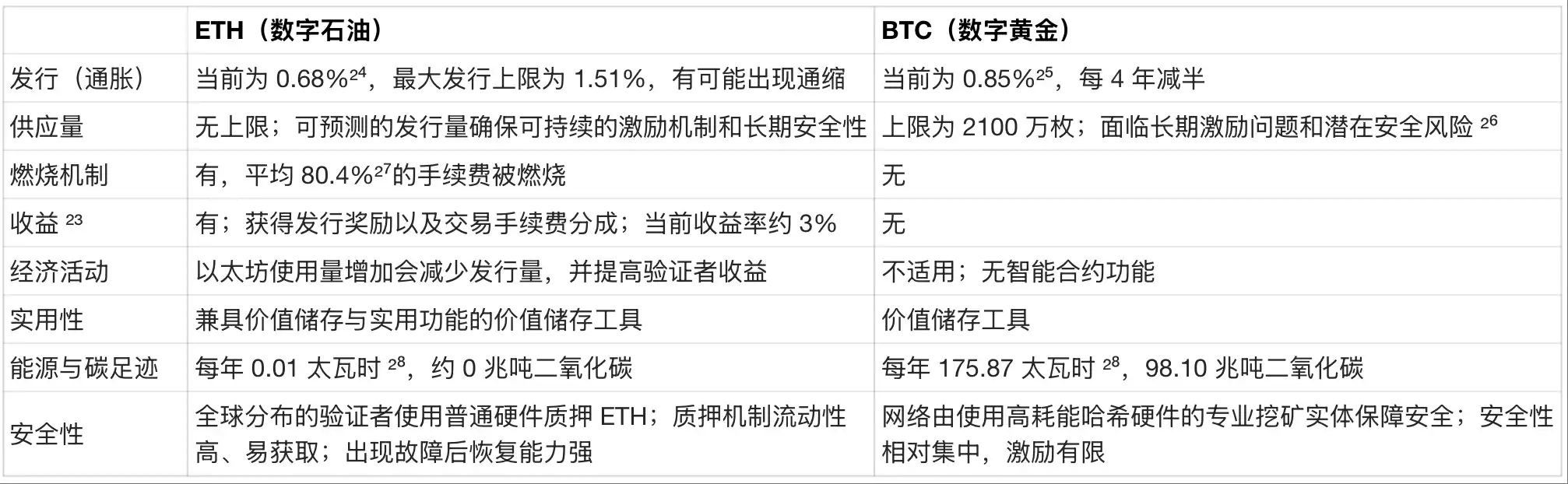
Hệ sinh thái blockchain sẽ có nhiều hơn một tài sản lưu trữ giá trị: BTC đã xác lập vị thế "vàng kỹ thuật số", còn ETH thì trở thành "dầu mỏ kỹ thuật số" — một loại tài sản lưu trữ giá trị có tính sinh lợi, tính thực tiễn và có hoạt động kinh tế được thúc đẩy bởi hệ sinh thái nền tảng.
MicroStrategy, với tư cách là doanh nghiệp nắm giữ Bitcoin nhiều nhất, đã dẫn đầu quá trình biến BTC thành tài sản lưu trữ giá trị. Trong bốn năm qua, MicroStrategy liên tục đưa BTC vào tài sản kho bạc, truyền bá triết lý giá trị của BTC, biến nó thành danh mục cốt lõi trong việc nắm giữ tài sản kỹ thuật số của các tổ chức.
Hiện nay, hệ sinh thái Ethereum đã xuất hiện 4 doanh nghiệp "kiểu MicroStrategy", đang thúc đẩy ETH đạt được bước đột phá tương tự:
- BitMine Immersion (mã chứng khoán: BMNR), vận hành bởi Tom Lee;
- Sharplink Gaming (mã chứng khoán: SBET), vận hành bởi Joe Lubin và Joseph Chalom;
- The Ether Machine (mã chứng khoán: ETHM), vận hành bởi Andrew Keys;
- Bit Digital (mã chứng khoán: BTBT), vận hành bởi Sam Tabar.
MicroStrategy nắm giữ 3.2% nguồn cung lưu thông của BTC. Còn bốn doanh nghiệp nắm giữ ETH nói trên, trong vòng 6 tháng qua đã tích lũy mua khoảng 4.5% nguồn cung lưu thông của ETH — và quá trình này mới chỉ bắt đầu.
Khi bốn doanh nghiệp tiếp tục đưa ETH vào bảng cân đối kế toán, tỷ lệ nắm giữ cổ phần của các tổ chức đối với các doanh nghiệp nắm giữ ETH này đang tăng lên nhanh chóng, ETH có triển vọng được định giá lại, cùng với BTC trở thành tài sản lưu trữ giá trị cấp thể chế.
Dự đoán Ethereum năm 2026: Tăng trưởng gấp 5 lần
Tài sản được token hóa: Tăng gấp 5 lần lên 100 tỷ USD
Năm 2025, tổng giá trị tài sản được token hóa trên blockchain đã tăng từ khoảng 6 tỷ USD lên hơn 18 tỷ USD, trong đó 66% được triển khai trên Ethereum và các mạng Layer2 của nó.
Hệ thống tài chính toàn cầu mới chỉ bắt đầu quá trình token hóa tài sản, các tổ chức như JPMorgan, BlackRock, Fidelity đã lấy Ethereum làm nền tảng mặc định cho tài sản được token hóa giá trị cao.
Chúng tôi dự đoán, tổng quy mô tài sản được token hóa năm 2026 sẽ tăng trưởng gấp 5 lần, đạt gần 100 tỷ USD, và phần lớn sẽ được triển khai trên mạng Ethereum.
Stablecoin: Tăng gấp 5 lần lên 1.5 nghìn tỷ USD
Hiện tại, tổng quy mô stablecoin trên blockchain công cộng là 3080 tỷ USD, trong đó khoảng 60% được triển khai trên Ethereum và các mạng Layer2 của nó (nếu tính cả các chuỗi tương thích Máy ảo Ethereum có thể trở thành Layer2 của Ethereum trong tương lai, tỷ lệ này sẽ đạt 90%).
Stablecoin đã trở thành tài sản chiến lược của chính phủ Mỹ. Bộ Tài chính Mỹ nhiều lần tuyên bố, stablecoin là biện pháp cốt lõi củng cố vị thế chủ đạo của USD trong thế kỷ 21. Hiện tại, tổng lượng USD lưu thông là 22.3 nghìn tỷ USD. Với việc Đạo luật GENIUS ra đời và stablecoin được ứng dụng quy mô lớn, dự kiến 20%-30% USD sẽ di chuyển sang blockchain công cộng.
Chúng tôi dự đoán, tổng vốn hóa thị trường stablecoin năm 2026 sẽ tăng trưởng gấp 5 lần, đạt 1.5 nghìn tỷ USD, và Ethereum sẽ đóng vai trò chủ đạo trong quá trình này.
ETH: Tăng gấp 5 lần lên 15,000 USD
ETH đang phát triển nhanh chóng để trở thành tài sản lưu trữ giá trị cấp thể chế ngang hàng với BTC. ETH là "quyền chọn mua" đối với sự tăng trưởng của công nghệ blockchain, giá trị của nó sẽ được hưởng lợi từ các xu hướng sau:
- Mở rộng quy mô token hóa tài sản
- Ứng dụng phổ cập stablecoin
- Tiến trình áp dụng blockchain của các tổ chức
- "Thời khắc ChatGPT" của việc nâng cấp hệ thống tài chính lên thời đại Internet (chỉ thời điểm bước ngoặt thay đổi ngành do đột phá công nghệ mang lại)
Nắm giữ ETH, tương đương với nắm giữ một phần cổ phần của "Internet tài chính mới". Logic tăng trưởng giá trị rõ ràng: quy mô người dùng, quy mô tài sản, số lượng ứng dụng, mạng Layer2 và tần suất giao dịch tăng lên, đều sẽ thúc đẩy giá trị ETH tăng lên.
Chúng tôi dự đoán, năm 2026 ETH sẽ đạt được mức tăng trưởng giá trị ít nhất gấp 5 lần (vốn hóa thị trường đạt 2 nghìn tỷ USD, tương đương với vốn hóa thị trường hiện tại của BTC), chào đón "thời khắc NVIDIA" của riêng ETH (chỉ giai đoạn then chốt mà NVIDIA tăng trưởng bùng nổ nhờ làn sóng AI).
Ethereum: Nền tảng tốt nhất để tiến hành kinh doanh
Tính đến năm 2026, cuộc thảo luận "tại sao áp dụng blockchain" đã trở thành quá khứ. Ngày nay, các tổ chức đang toàn diện tranh đua trong token hóa tài sản, ứng dụng stablecoin và triển khai blockchain tùy chỉnh, bản nâng cấp cấu trúc của hệ thống tài chính toàn cầu đã được khởi động.
Khi lựa chọn cơ sở hạ tầng blockchain, các tổ chức ưu tiên các yếu tố cân nhắc bao gồm: hồ sơ vận hành dài hạn, tiền lệ ứng dụng, tính bảo mật, tính thanh khoản, tính khả dụng và mức độ rủi ro — và Ethereum đều thể hiện tốt nhất trên tất cả các chiều. Nếu doanh nghiệp có nhu cầu sau, Ethereum sẽ là lựa chọn lý tưởng:
- Nâng cao tỷ suất lợi nhuận? Có thể giảm chi phí thông qua token hóa tài sản, sử dụng stablecoin để giảm phí, xây dựng blockchain chuyên biệt dựa trên Ethereum.
- Mở ra nguồn thu nhập mới? Có thể xây dựng sản phẩm cấu trúc trên nền tảng Ethereum, ra mắt loại tài sản mới, phát hành stablecoin riêng.
- Thực hiện nâng cấp số hóa kinh doanh? Có thể tận dụng Ethereum để tối ưu hóa quy trình vận hành, tự động hóa kế toán và thanh toán, giảm công việc đối chiếu thủ công.
Năm 2025 là điểm ngoặt phát triển của Ethereum: cơ sở hạ tầng hoàn thành nâng cấp, dự án thí điểm của thể chế triển khai quy mô, môi trường quản lý chuyển hướng có lợi.
Năm 2026, hệ thống tài chính toàn cầu sẽ chào đón "thời khắc Internet" — và sự biến đổi này, sẽ diễn ra trên Ethereum, nền tảng tốt nhất để tiến hành kinh doanh.