Indepth Research

Provide in-depth research reports and independent analysis, leveraging data, technology, and economic insights to deliver a comprehensive examination of the blockchain ecosystem, project potential, and market trends.


Latest Report from Top US Think Tank CSIS: 4 Truths and 1 Misjudgment About China's Technology...

Based on a comprehensive CSIS report by Scott Kennedy, this analysis examines China's high-tech drive, highlighting four key realities and one major misjudgment. China has significantly increased R&D investment, reaching $1 trillion (PPP) in 2023, leading to notable successes in sectors like EVs (e.g., BYD) and batteries (e.g., CATL), driven by intense domestic competition and market forces. The biopharma sector thrives through global integration and efficient clinical trials. However, the report identifies persistent structural weaknesses: stagnation in total factor productivity, a quality gap in innovation (e.g., low-value patents), and critical dependencies in semiconductors (reliance on global supply chains for advanced chips) and aviation (e.g., C919's high import dependency). The report argues that China's tech power translates into geopolitical influence through military-civil fusion and growing participation in international standard-setting, though it lacks unilateral rule-making ability. A key misjudgment is the belief in "decoupling." The report finds comprehensive separation is counterproductive, fueling China's self-sufficiency while harming global supply chains, inflation, and green energy transitions. Instead, it advocates for "calibrated coupling": targeted restrictions on critical military technologies while maintaining cooperation in non-strategic areas and global issues like climate change. The ultimate advantage will go to those fostering open, inclusive innovation ecosystems.

marsbit03/10 03:29

Latest Report from Top US Think Tank CSIS: 4 Truths and 1 Misjudgment About China's Technology...

marsbit03/10 03:29

a16z: After AI Grants Humans Superpowers, Where Do We Go From Here?

A new paper titled "The Minimal Economics of AGI" explores the economic implications of AI automation, particularly as AI agents evolve from tools into collaborative partners capable of long-horizon tasks. The authors, Christian Catalini and Eddy Lazzarin, argue that the core economic divide will be between automation (tasks that can be measured and automated) and verification (tasks requiring human oversight, judgment, and contextual understanding). Key themes include: - The "coder’s curse": top experts training AI systems may inadvertently automate their own roles over time. - Three future human roles: directors (setting intent), verifiers (domain experts ensuring quality), and meaning-makers (creating cultural and social value). - Cryptocurrency and blockchain are positioned as critical for identity, provenance, and trust in a world flooded with AI-generated content. - Two potential economic outcomes: a "hollow economy" with systemic risk from under-verification, or an "augmented economy" where AI amplifies human potential and reduces costs for education, healthcare, and innovation. - The importance of small, agile teams leveraging AI for outsized impact, with crypto infrastructure enabling coordination at scale. The authors emphasize that AI acts as a force multiplier, granting individuals "superpowers," and urge a focus on verification, adaptability, and ambitious experimentation.

marsbit03/09 11:31

a16z: After AI Grants Humans Superpowers, Where Do We Go From Here?

marsbit03/09 11:31

Iran's New Supreme Leader's Shadow Business Empire: Oil, Real Estate, and Financial Undercurrents

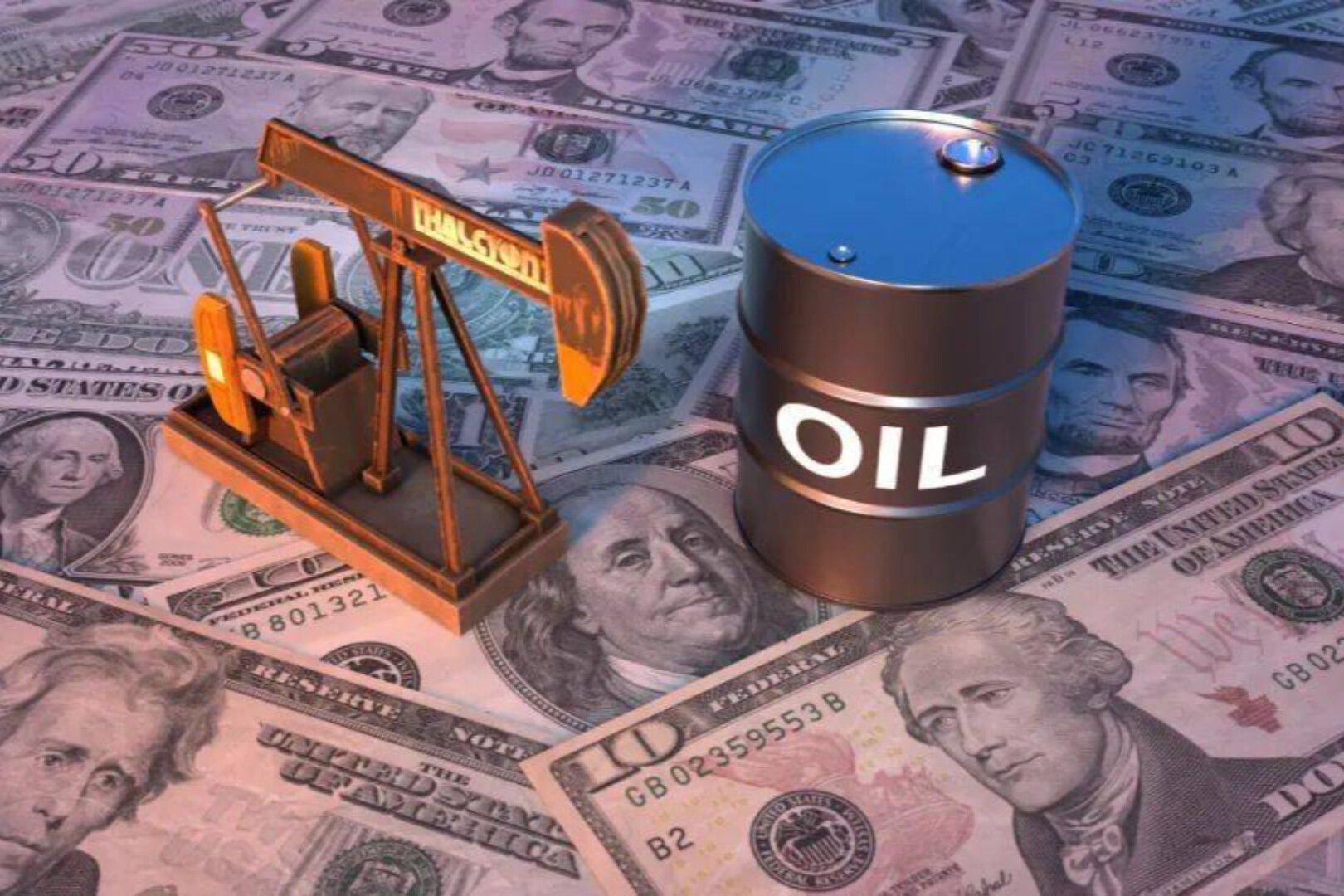
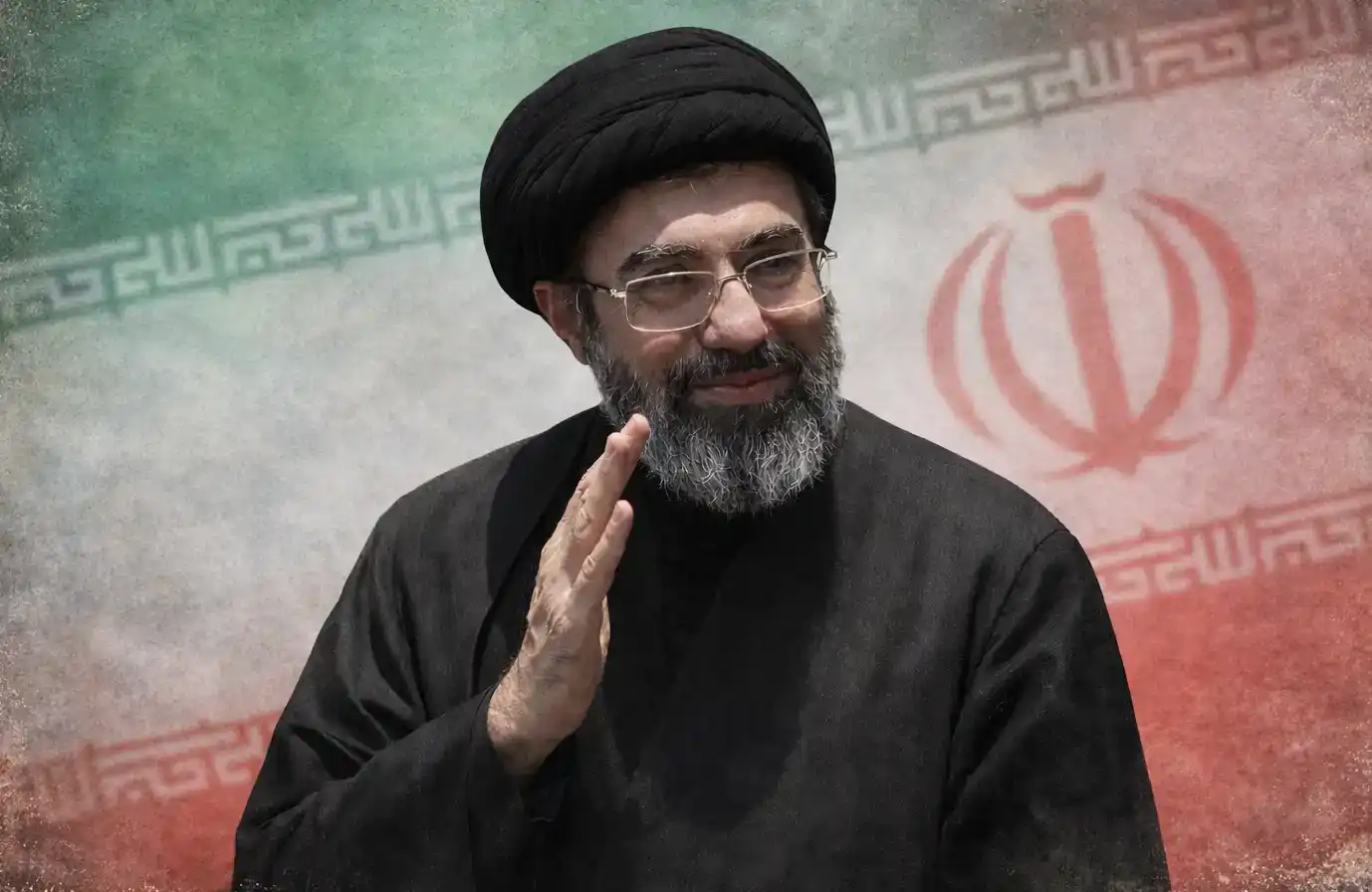
Iran's Assembly of Experts appointed Mojtaba Khamenei, son of the assassinated Supreme Leader Ali Khamenei, as the country's third Supreme Leader amid external threats and internal power struggles. Despite his low public profile and lack of elected or official roles, Mojtaba has long been a central figure in Iran’s power structure, acting as a key advisor and gatekeeper to his father. The U.S. and Israel have expressed strong opposition to his appointment, with former President Trump dismissing him as insignificant. However, Mojtaba has deep ties with the Islamic Revolutionary Guard Corps (IRGC) and played a role in suppressing the 2009 Green Movement protests. A Bloomberg investigation revealed Mojtaba’s hidden global business empire, allegedly funded by Iranian oil revenues and managed through intermediaries. His financial network includes real estate in London, Dubai, Frankfurt, and Mallorca, as well as cryptocurrency transactions. Iranian businessman Ali Ansari is identified as a key figure holding assets on his behalf, though Ansari faces international sanctions for corruption and ties to the IRGC. Mojtaba’s succession has sparked domestic criticism over concerns of hereditary rule and his lack of religious credentials. President Masoud Pezeshkian’s temporary enhanced powers have done little to stabilize the situation, as the IRGC remains influential in shaping leadership decisions. Iran now faces intensified internal divisions and external pressures under its new leader.

marsbit03/09 09:30

Iran's New Supreme Leader's Shadow Business Empire: Oil, Real Estate, and Financial Undercurrents

marsbit03/09 09:30

"Threat" Harvests Before "Action": How Geopolitical Risk Prices the Crypto Market—Transmission Mechanisms and Outlook

Abstract: Geopolitical risk (GPR), particularly the "threat" phase, acts as a key driver of risk premium repricing in financial markets, with significant implications for crypto assets, which now behave as high-beta risk assets deeply embedded within the global macro cycle. The GPR index, which quantifies risk through media analysis, shows that negative effects are primarily driven by threats rather than actual acts of conflict. GPR impacts crypto through several transmission channels: risk aversion (rising VIX), inflation and rate cut fears (via oil price shocks), and market structure amplifiers (24/7 trading, high leverage, and endogenous liquidity loops). These mechanisms explain crypto’s high-beta nature—often correlating positively with Nasdaq—and its tendency toward violent deleveraging and liquidity contraction during stress. Three scenarios are outlined: base case (震荡修复) – slow recovery if risks stabilize; pessimistic (二次探底) – renewed selloff if conflict escalates and inflation spikes; optimistic (高波动超额反弹) – sharp rebound if risks fade and macro conditions improve. Key insights: 1) Markets price GPR threats early via risk-off shifts; 2) Crypto’s high volatility is structurally inherent; 3) Bitcoin behaves more like a high-beta tech asset than digital gold under most macro conditions, with its safe-haven narrative only materializing during severe sovereign or cross-border stress. Investors must integrate GPR into macro frameworks to dynamically assess risk premiums and liquidity conditions.

marsbit03/08 10:40

"Threat" Harvests Before "Action": How Geopolitical Risk Prices the Crypto Market—Transmission Mechanisms and Outlook

marsbit03/08 10:40

活动图片