Regulatory Policy

Focuses on global regulatory developments, policy changes, and compliance requirements. It provides in-depth analysis of government regulations and their impact on the cryptocurrency and blockchain industries, helping businesses and investors proactively manage policy-related risks.

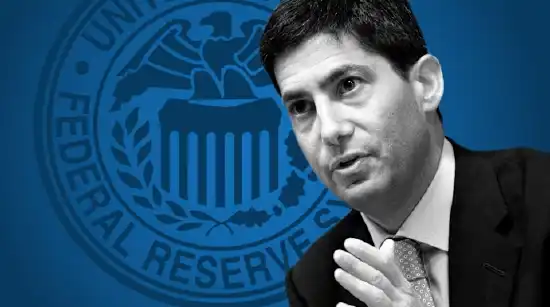
Three Key Changes: Analyzing the Impact of New Fed Chair Kevin Warsh on the Crypto Market

Kevin Warsh's nomination as the new Federal Reserve Chair marks a potential shift in U.S. monetary policy, with significant implications for the crypto market. Warsh, a former Fed governor and critic of quantitative easing, advocates for a "limited central banking" approach, prioritizing price stability and financial system integrity over aggressive stimulus. His proposed policy mix—simultaneous interest rate cuts and balance sheet reduction—aims to ease government debt pressure while avoiding inflation resurgence. Warsh’s relationship with former President Trump, facilitated by family ties and shared critiques of the Powell-era Fed, adds a layer of political complexity. However, Warsh has historically emphasized Fed independence, creating tension between political expectations and his policy framework. For crypto markets, Warsh’s policies could bring short-term gains from rate cuts but long-term headwinds from sustained quantitative tightening (QT). This may reduce market liquidity, suppress asset valuations, and dampen volatility. Additionally, Warsh’s regulatory stance may accelerate crypto compliance, favoring established assets like Bitcoin and Ethereum while squeezing out riskier altcoins. The era of "policy-driven" crypto rallies may fade, giving way to fundamentals-based investing. Institutional adoption may grow, while retail speculation declines. Investors should focus on long-term value drivers—such as adoption cycles and technological upgrades—rather than short-term Fed policy shifts.

marsbit01/31 10:45

Three Key Changes: Analyzing the Impact of New Fed Chair Kevin Warsh on the Crypto Market

marsbit01/31 10:45

What Are Some Promising Paths for Web3 Entrepreneurship in China? (Part 3)

China's Web3 Entrepreneurship: Promising Paths in Digital Collectibles (Part 3) Despite a boom-and-bust cycle from 2021-2022, digital collectibles (the Chinese equivalent of NFTs) remain a viable Web3 startup path in China, provided they operate within strict regulatory boundaries. Key insights include: Policy & Market Context: Regulators prohibit financialization, secondary trading, and speculation but allow digital collectibles focused on cultural content, brand engagement, and copyright authentication. The market has cleared out speculative platforms, leaving operators emphasizing content and long-term user engagement over quick profits. Sustainable Use Cases: 1. Cultural & Tourism Digitization: Digital collectibles serve as digital souvenirs and cultural dissemination tools for museums, heritage sites, and IP owners. 2. Brand Membership Tools: They function as digital credentials for loyalty programs, integrating with rewards, events, and membership tiers. 3. Enterprise Solutions: Permissioned blockchain infrastructure offers brands controlled, auditable, and privacy-compliant digital asset systems. 4. Operational Services: Startups can provide end-to-end services—IP licensing, content curation, and ongoing community engagement—for cultural and commercial projects. Challenges: User perception remains skewed toward speculation, not utility. Brands struggle to integrate digital collectibles into sustainable membership systems, and public blockchain transparency conflicts with commercial data privacy needs. Conclusion: Success requires stable IP partnerships, B2B revenue models (cultural institutions or brands), clear post-issuance value (rights/utility), strict compliance, and long-term operational commitment. This path demands deep industry expertise—not speculative intent.

marsbit01/30 14:30

What Are Some Promising Paths for Web3 Entrepreneurship in China? (Part 3)

marsbit01/30 14:30

From Davos Confrontation to Capitol Hill: How Coinbase Became the Banking Industry's 'Legislative Enemy'

The article details the escalating conflict between Coinbase, the largest U.S. cryptocurrency exchange, and major Wall Street banks, as exemplified by a confrontation between Coinbase CEO Brian Armstrong and JPMorgan Chase CEO Jamie Dimon at the World Economic Forum in Davos. The core dispute centers on whether crypto exchanges should be allowed to pay yields, around 3.5%, to stablecoin holders—a practice banks argue is equivalent to paying interest on deposits and threatens to draw trillions of dollars away from traditional banking. Armstrong and the crypto industry advocate for free market principles, arguing banks could compete by raising their own deposit rates or entering the stablecoin market. This clash is playing out in Washington over the proposed Clarity Act, which could reshape financial regulations. Armstrong has become a powerful advocate, leveraging Coinbase's significant lobbying efforts and political donations to influence legislation. After he withdrew support for a Senate version of the bill that would have effectively banned such yields, a key vote was abruptly postponed, demonstrating his considerable influence. The article explores Armstrong's journey from a soft-spoken tech founder to a central figure in the policy debate, outlining Coinbase's ambition to become a "super app" that replaces traditional banks. With a new administration open to crypto, Armstrong is pushing for a compromise, such as creating a new category of regulated stablecoin issuers permitted to pay yields, as both sides vie to shape the future of American finance.

比推01/30 13:24

From Davos Confrontation to Capitol Hill: How Coinbase Became the Banking Industry's 'Legislative Enemy'

比推01/30 13:24

活动图片